
Florida Personal Injury | Electrocution Injuries
An Electrical Injury Can Change Everything. Know Your Options.
An electrical injury can cause burns, nerve damage, heart problems and long-term disability. CHG Personal Injury Lawyers helps Floridians and their families understand what happened and what they can do next.
By CHG Lawyers · Published October 21, 2026
Electrocution injuries happen when electric current passes through the body. The harm can include burns, heart rhythm problems, nerve damage, and injuries inside the body. Some of these injuries are not visible at the scene.
For many families, a fatal electrical accident brings deep grief. It also brings hard questions. What happened? Who is responsible?
CHG Personal Injury Lawyers is a Florida-based personal injury firm. The firm handles cases of every severity. That includes everyday accidents and catastrophic and fatal injuries.
This guide explains how electrical injuries happen. It explains who may be responsible. It also explains what injured people and their families can do next.
This is general information, not medical advice. Follow your doctors’ care.
What Are Electrocution Injuries, and What Do They Do to the Body?
Electrocution injuries are harms caused when electric current moves through a person’s body. The current can burn skin. It can disturb the heart. It can also damage nerves and muscles.
The NCBI Bookshelf overview of electrical injury describes these effects in more detail.
An electric shock and an electrocution are not the same thing. A shock is any injury or sensation caused by current passing through the body. Electrocution means that current has caused death.
Current usually enters the body at one point and leaves at another. Injuries often appear at both contact points. They can also appear along the path the current took through the body. Some damage can stay hidden under the skin.
That is why even a minor-seeming shock needs medical evaluation. Heart rhythm changes and internal injuries can appear after the shock is over. After any significant shock, get emergency care right away. Then follow the plan your doctors give you.
Not sure what your next step is?
Talk it through with our team — the first consultation is free, confidential, and carries no obligation.
How Do Electrical Injuries Happen in Florida?
Many electrical injuries happen when a person touches one of these:
- A live wire
- A damaged device
- A power source they did not expect to be live
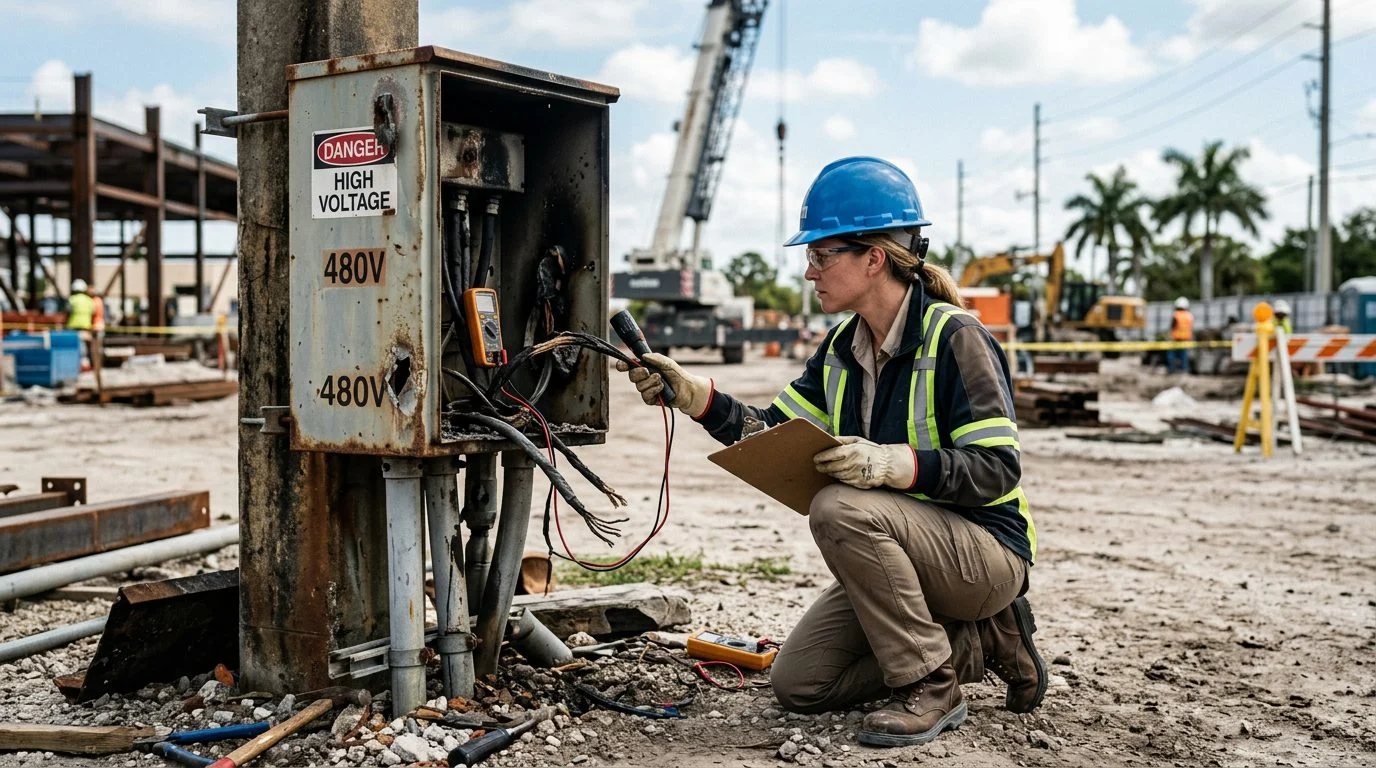
Electrical contact can happen at construction sites, utility work, waterfront properties, and rental buildings.
Common settings include:
- Construction sites, where cranes, lifts, and metal tools can reach overhead lines
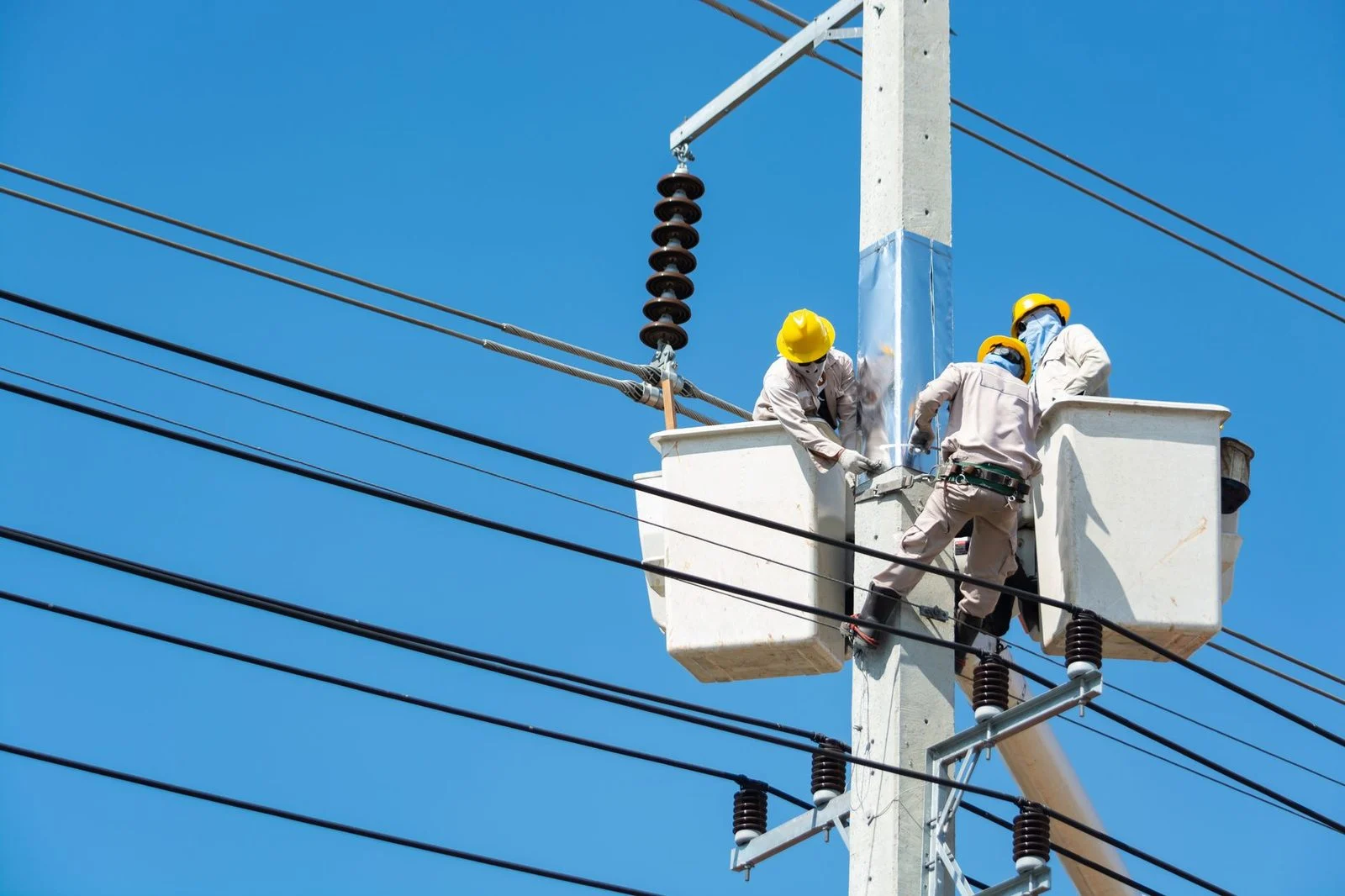
- Power line and utility work
- Damaged or improperly installed wiring in homes and commercial buildings
- Pools, docks, and marinas, where water and electricity meet
- Rental and commercial properties with faulty equipment
Contact with overhead power lines is a serious risk. A worker who raises a metal ladder, a crane boom, or a tool near a line can complete a path for current. Even brief contact can cause severe harm.
Each setting has different facts. Who controlled the site matters. Who did the work matters. What the equipment looked like matters too. That is why every accident deserves a careful review.
Can a Shock From an Outlet Hurt You?
Yes. A household outlet can cause a serious shock. This is especially true when water, a damaged cord, or a faulty appliance is involved. Wet hands, a cord with exposed wires, and a device used near a sink or tub all raise the risk.
Static shocks are different. They happen when dry air and friction build up an electric charge on the body. A static shock is usually a brief jolt. It is not the same as current flowing from a powered source through the body.
Simple steps lower the risk:
- Keep electrical devices away from water.
- Replace frayed or cracked cords.
- Do not overload outlets or power strips.
- Have wiring checked by a licensed electrician.
If an outlet or switch shocks you more than once, stop using it. Do the same if it sparks or smells hot. Report the problem to the property owner or landlord in writing. Keep a copy. A written report creates a dated record of what you knew and when.
What Long-Term Effects Can an Electric Shock Have?
Some effects of an electric shock appear hours or days later. These can include:
- Heart rhythm changes
- Memory and concentration problems
- Headaches
- Numbness
- Ongoing pain
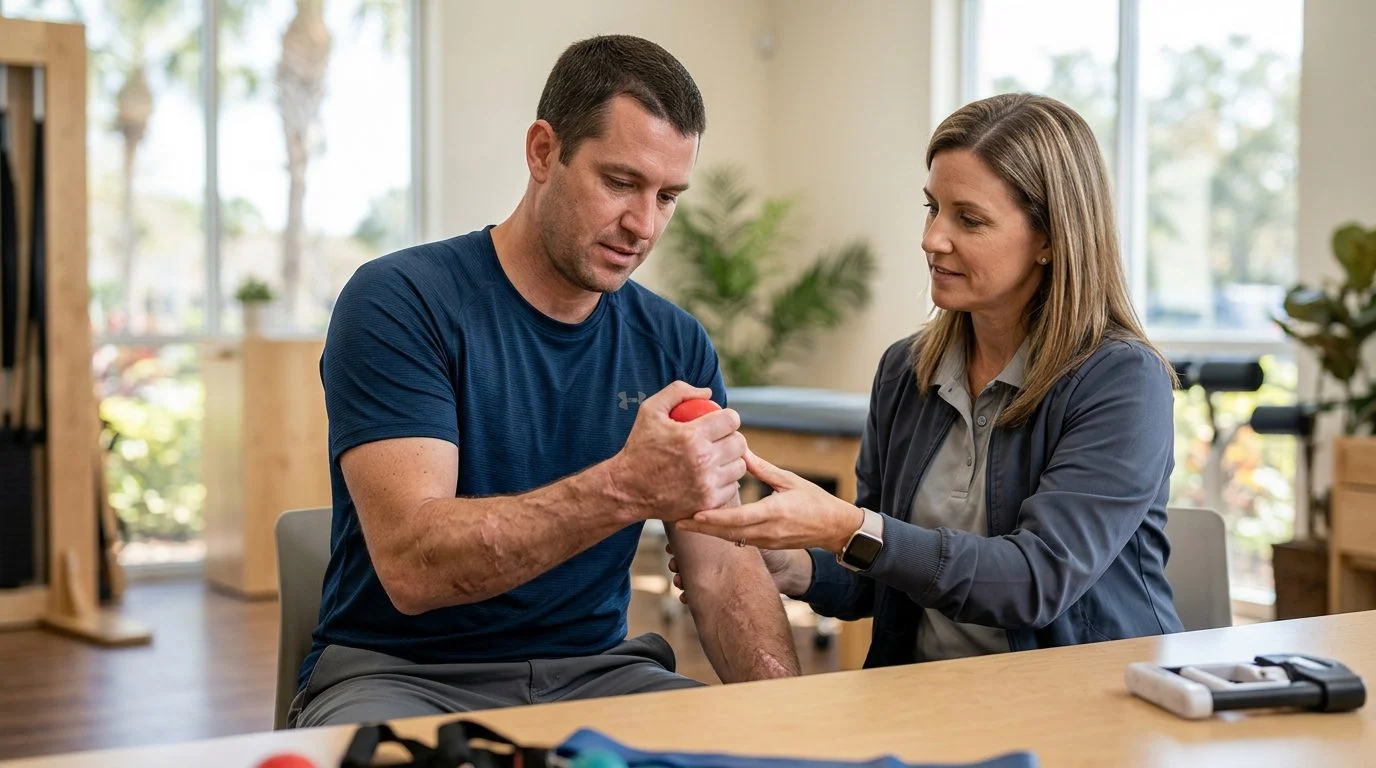
Nerve damage and muscle injury can take time to show. Deep tissue burns may need wound care, rehabilitation, or surgery. Every person’s recovery is different. The treatment plan belongs to the treating doctors.
The medical record matters. Emergency room notes, follow-up visits, and therapy records create a timeline. The timeline shows symptoms and treatment over time. When a claim is reviewed, that timeline helps show how the shock affected the person’s health and daily life.
Families should keep copies of those records. A simple journal can also help. Write down symptoms, missed work, and changes in daily activities. Keep it current and share it with your doctors.
Who May Be Responsible for an Electrical Injury?
Responsibility depends on three things. Who controlled the hazard? Who did the work? Who made the equipment? More than one party can share responsibility for the same injury.
- Property owners and landlords may be responsible for unsafe wiring, missing repairs, or failing to warn about a known hazard.
- Contractors, electricians, and subcontractors may be responsible for faulty installation, unsafe work practices, or failing to shut off power before work begins.
- Equipment makers may be responsible when a defective product causes a shock.
Employers have workplace safety duties under federal OSHA rules. The OSHA guidance on employer responsibilities lists these duties.
Florida’s workers’ compensation law works differently. It limits an employer’s liability to the employee. The limit is “exclusive and in place of all other liability,” with listed exceptions. One exception applies when an employer fails to secure payment of compensation (Fla. Stat. § 440.11). A third party may still be liable.
Florida also uses comparative fault, which means shared fault. Under Fla. Stat. § 768.81, a court generally enters judgment against each liable party, and that judgment is based on the party’s percentage of fault, with some exceptions. The same statute says that in a negligence action, a person found more than 50 percent at fault for their own harm may not recover any damages, except in an action for personal injury or wrongful death arising out of medical negligence under chapter 766.
What Happens When an Electrocution Is Fatal?
When an electrocution causes a death, Florida’s Wrongful Death Act lets the family seek compensation. No legal process can undo the loss. The law focuses on the people left behind.
Florida law provides that Sections 768.16-768.26 may be cited as the “Florida Wrongful Death Act.” The claim is brought by the deceased person’s personal representative. The personal representative is the person appointed to handle the deceased person’s estate. That person recovers for the survivors and the estate (§ 768.20).
The damages section, § 768.21, describes what survivors may recover:
- A surviving spouse may recover for loss of companionship and protection, and for mental pain and suffering.
- Minor children, and all children if there is no surviving spouse, may recover for lost parental companionship, instruction, and guidance, and for mental pain and suffering.
Survivors may also recover the value of lost support and services. Medical or funeral expenses paid by a survivor may be recovered too.
Families should gather what they can. Keep records of medical care and funeral bills. Keep any written communication with the property owner, employer, or insurer. Speak at your own pace. Your questions about what happened deserve clear, respectful answers.
Have questions about what happened?
Ask our team directly. The first conversation is free, confidential, and there is no obligation to continue.
What Steps Should You Take After an Electrical Injury?
- Get medical care right away, even if the injury seems small. Follow the treatment plan your doctors give you. Keep every appointment.
- Report the incident in writing to the property owner, employer, or utility company. Keep a copy of what you sent. A written report creates a dated record that is hard to dispute later.
- Preserve evidence when it is safe. Take photos of the scene, the device or wiring, and any damaged clothing. Write down the names and phone numbers of witnesses while the details are fresh. Keep the device or cord if you can. Do not let anyone discard it.
- Be careful with recorded statements. Insurers and property representatives may ask for one soon after an accident. Take time to think before you give one. Keep notes of what was said.
How Long Do You Have to File, and How Are Claims Valued?
Florida sets time limits for filing injury lawsuits. They can be shorter than many people expect. Under Florida’s limitations statute, § 95.11, the time limit depends on the type of action. Other rules can also set different time limits depending on who is being sued.
Claims founded on the design, planning, or construction of an improvement to real property, such as building wiring, can have their own timing rules. Listed exceptions apply.
Deadlines apply no matter how strong a claim may be. Waiting can cost you options. Early action protects your rights.
Economic damages include past and future lost income. They also include medical and funeral expenses, and lost support and services, under § 768.81. Other losses, such as pain and emotional harm, may also be part of a claim.
The value of any claim depends on the facts. No one can promise a result or predict what a claim is worth.
Electrical Injury Claims Across Florida
CHG Personal Injury Lawyers is a Florida-based firm. It represents people throughout Florida. Igor Hernandez, one of the firm’s lawyers, is responsible for this page. Our lawyers are admitted to The Florida Bar.
The firm serves people in Miami, Orlando, Tampa, Jacksonville, Fort Lauderdale, and many other Florida communities. The same Florida law applies across the state. Local facts still shape each case. These include the type of property, the employer, and where the hazard was.
Electrical injury cases often overlap with other case types the firm handles. These include:
- Construction zone accidents
- Premises claims involving unsafe property
- Severe burn injuries
- Truck accidents involving power line contact
Each overlap raises its own questions about who is responsible.
Frequently Asked Questions About Electrocution Injuries
Can a shock from an outlet hurt you?
Yes. A household outlet can cause a serious shock. This is especially true when water or a damaged cord is involved.
Why do I keep getting static shocks?
Static shocks usually come from dry air and friction. If shocks keep happening or come with sparks, have an electrician check the wiring and devices.
What are the long-term effects of an electric shock?
Some effects can appear hours or days later. These include heart rhythm changes, nerve symptoms, and pain. Follow your doctors’ plan for follow-up care.
How do I prevent electric shock at home?
Keep devices away from water. Replace damaged cords. Avoid overloading outlets. Have wiring checked by a licensed electrician.
Want to know where you stand?
Tell us what happened and our team will walk you through the options available to you, at no cost.
Talk With Our Team About Your Electrical Injury
If a shock left you hurt, or a loved one died in an electrical accident, you may have options. Our team is ready to talk them through with you.
Contact us at our contact page to start that conversation.
Attorney advertising. Igor Hernandez is responsible for this content. Past results do not predict future outcomes. Every case turns on its own facts.
Common Causes of Electrical Injuries
Faulty wiring and outlets
Damaged wiring, missing grounding, or unsafe outlets in homes, apartments, hotels, and businesses can expose people to dangerous current.
Downed or unsafe power lines
Storm damage, poor maintenance, or lines left in unsafe condition can put people in harm's way, including workers and bystanders.
Construction and utility work
Work near energized lines or equipment without proper precautions can lead to serious electrical injuries on job sites and in public spaces.
Defective or misused equipment
Lawsuits may examine whether a product was designed, built, sold, or used in a way that contributed to a shock or electrocution.
Safety Warning
If someone is touching a live wire or is in contact with an energized source, do not touch them. Call 911, stay clear of the area, and wait for trained responders to make it safe. Even if the person seems fine afterward, they should be seen by a doctor, because internal injuries and heart rhythm problems can appear later.
What to Do After an Electrical Injury
Get medical care
Follow your doctors' care and keep every appointment, test result, and treatment record. Medical documentation is important to your health and to your claim.
Document the scene
If it is safe, photograph the outlet, cord, wire, device, or location where the injury happened. Write down what you remember while it is fresh.
Keep the evidence
Do not repair, throw away, or discard the damaged item or property. Evidence can be lost quickly, and it may matter to the investigation.
Speak with our team
Contact CHG Personal Injury Lawyers for a free, confidential consultation. We can explain your situation in plain language and help you decide on next steps.
About CHG Personal Injury Lawyers
Florida-based firm
CHG Personal Injury Lawyers represents people injured across Florida, from everyday accidents to catastrophic, life-altering harm.
Attorneys admitted to The Florida Bar
Our lawyers are licensed in Florida, including Igor Hernandez, the attorney responsible for this page.
How Electrical Injuries Affect People and Families
We understand that an electrical injury can affect a whole family.
No attorney’s fees or case costs unless there is a recovery
CHG charges no attorney's fees and no case costs unless there is a recovery.
Free, confidential first consultation
Your first consultation is free, confidential, and comes with no obligation to continue.