
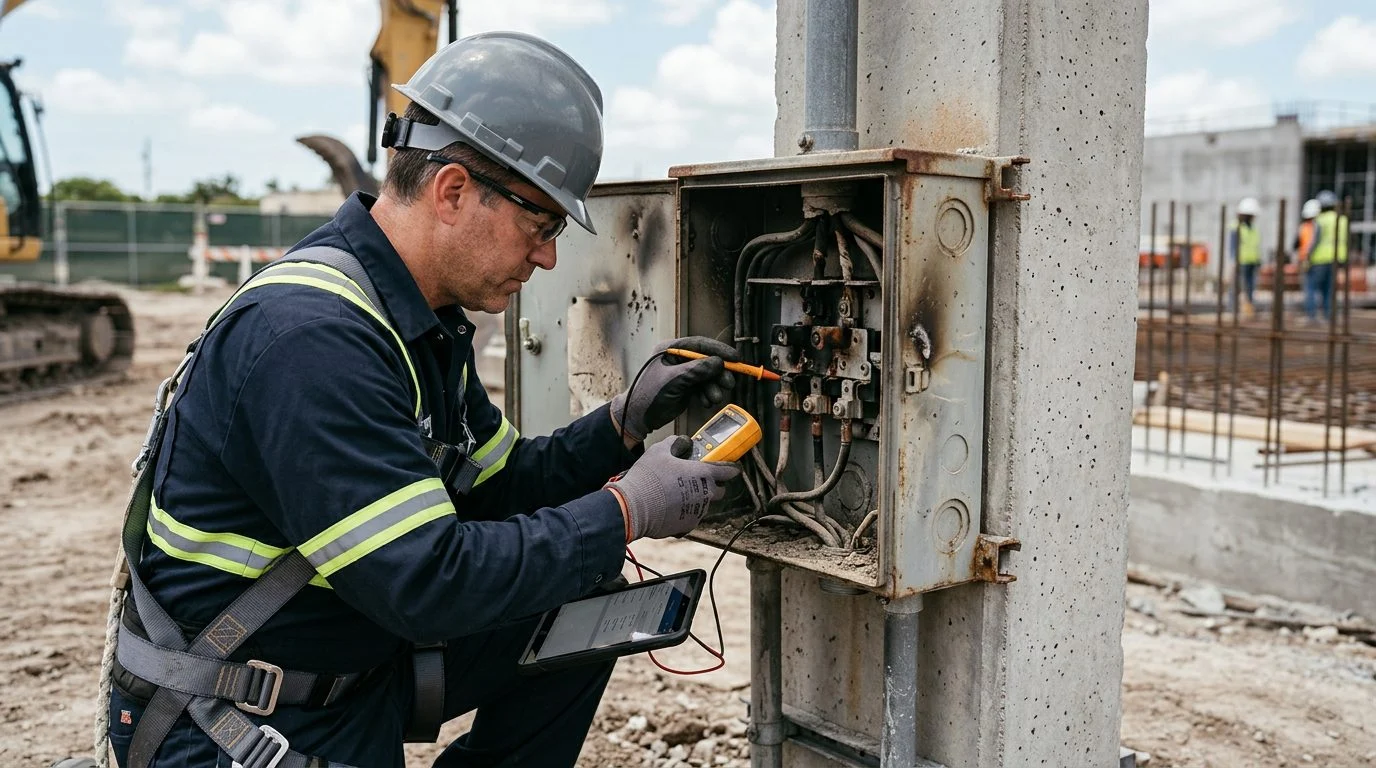
Electrocution Injuries | Cutler Bay, Florida
Electrical Injuries Can Change Your Life. You Do Not Have to Face the Claim Alone.
CHG Personal Injury Lawyers helps Cutler Bay residents and families across Florida understand electrocution injuries, who may be responsible, and what steps to take next. Responsible lawyer: Igor Hernandez.
By CHG Lawyers · Published October 25, 2026
Electrocution Injuries in Cutler Bay: What to Know After a Shock
Electrocution injuries in Cutler Bay often start with one moment of contact. A power line may touch near a roof. A damaged outlet may sit in a rental unit. A tool may hit a live wire on a job site.
Electric current can cause serious harm. The damage may not show up right away.
If a shock has hurt you or someone you love, Florida law may allow a claim against the people or companies responsible. Deadlines apply, so act quickly.
This page explains how shocks affect the body. It also covers what to do in the first minutes. And it explains how Florida rules may apply.
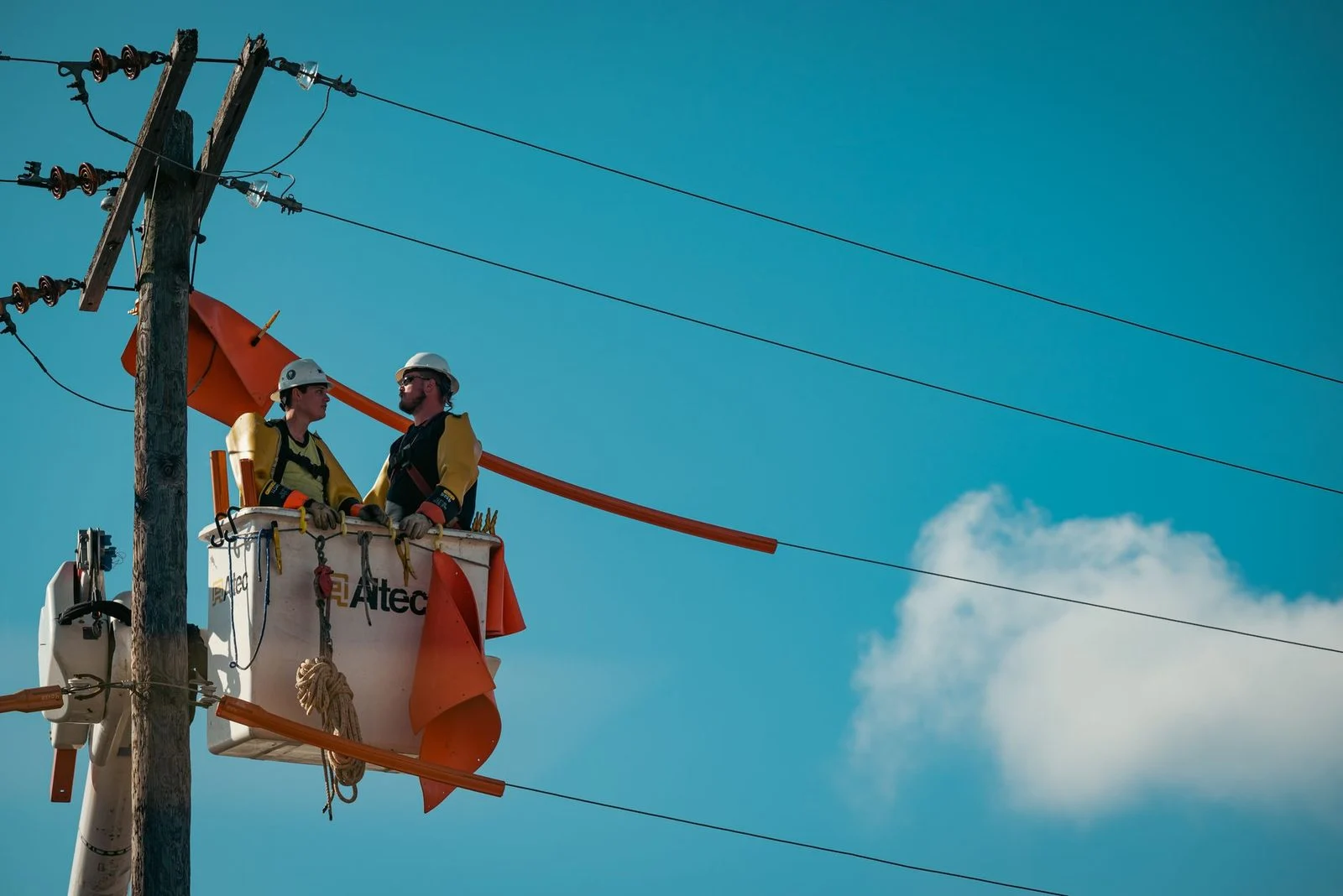
Not sure what your next step is?
Talk it through with our team — the first consultation is free, confidential, and carries no obligation.
How Does an Electric Shock Affect the Body?
An electric shock is contact with current that the body survives. Electrocution is a shock that causes death. Both are serious. Both need careful medical care.
Electric current can disrupt the heart’s rhythm. It can also affect the nervous system and breathing. Strong muscle contractions can make a person fall from a ladder, roof, or tree. Burns often appear where the current entered and left the body.
The FloridaHealthFinder electrical injury entry covers these effects, symptoms, and first aid.
The severity of an electrical injury depends on three things:
- The strength of the current
- The path the current takes through the body
- How long the contact lasts
A person can look fine after a shock and still need a medical checkup. Heart problems and internal injuries can appear hours or days later. Please follow your doctors’ care, even if you feel okay.
What Should You Do When Someone Is Electrocuted?
Call 911 right away. Tell the dispatcher about the electrical source, if you know it.
Do not touch the person while they are still in contact with the power. Electricity can pass into anyone who grabs them. Cut the power at the source only if you can do it safely. If you cannot, wait for trained responders.
Once help arrives, the person needs a medical evaluation. This matters even if they seem to recover.
Write down what happened, when, and where. Do it while the details are fresh. Note the names of anyone who saw it. If it is safe, take photos of the scene. Stick to facts you saw and heard. These notes can matter later.
Where Do Electrical Accidents Happen in Cutler Bay and South Miami-Dade?
Cutler Bay sits in the middle of South Miami-Dade. Many homes here have screen enclosures, pools, and mature trees. Overhead service lines often run close to rooftops. These conditions shape where shocks happen.
Common settings include:
- Overhead power lines near trees and roofs
- Pool and screen-enclosure work
- Roofing and tree trimming
- Outdoor construction
- Damaged wiring or outlets in homes and rental units, including in neighborhoods such as Palmetto Bay, Pinecrest, South Miami, Kendall, and Homestead
Storms and heavy rain in Miami-Dade can damage power lines, wiring, and equipment. Wet conditions also raise the risk of shock. The Miami-Dade Fire Rescue electrical hazards guidance describes common wiring hazards and general electrical safety precautions.
Many electrical shocks happen at work. OSHA’s electrical safety pages cover workplace electrical hazards and federal standards on shock and electrocution.
Arc flash is a sudden burst of electrical energy. It can cause severe burns. OSHA’s arc flash guidance explains how those burns happen.
Who May Be Responsible for an Electrical Injury in Florida?
A claim may involve a utility, a contractor, a property owner or manager, an equipment maker, or an employer. Who is responsible depends on what happened. The facts matter most.
Florida uses comparative fault. This means blame is shared when more than one person contributes to an accident. Under the Florida comparative fault statute:
- If the injured person is partly at fault, the amount awarded for economic and noneconomic damages is reduced by that share. This does not bar recovery, unless the greater-than-50-percent rule applies.
- In a negligence case covered by this section, a party found more than 50 percent at fault for their own harm cannot recover any damages. This rule does not apply to personal injury or wrongful death claims arising from medical negligence under chapter 766.
These rules are technical. How they apply depends on the facts of each accident. Our team can explain how they may apply to your situation.
Have questions about what happened?
Ask our team directly. The first conversation is free, confidential, and there is no obligation to continue.
Workplace Electrocutions and Workers’ Compensation
Many people hurt by electricity are hurt while working. In Florida, workers’ compensation is part of the picture. It works differently from an ordinary injury claim.
Under the Florida exclusiveness of liability statute, an employer’s liability is exclusive. In plain terms, it replaces other liability. The statute lists exceptions. They include:
- If an employer fails to secure payment of compensation as the workers’ compensation chapter requires, an injured employee may choose to claim compensation or to sue for damages. In a death case, the legal representative may make that choice.
- When an employer commits an intentional tort that causes the injury or death of an employee. The statute says this applies only when the employee proves, by clear and convincing evidence (a very high level of proof), that the employer deliberately intended to injure the employee, or that the employer engaged in conduct it knew, based on prior similar accidents or explicit warnings, was virtually certain to result in injury or death to the employee and the danger was not apparent and was deliberately concealed or misrepresented. It also applies when the employer engaged in conduct it knew, based on prior similar accidents or explicit warnings specifically identifying a known danger, was virtually certain to cause injury or death, and the employee was not aware of the risk because the danger was not apparent and the employer deliberately concealed or misrepresented the danger so as to prevent the employee from exercising informed judgment about whether to perform the work.
Exceptions exist. Whether any of them applies to a particular workplace shock depends on the facts. No one can predict the outcome of a claim.
Do not assume a workplace injury leaves you no options. Do not assume an option will be available, either. Talk with our team about what happened. We can evaluate the facts together.
How Do You Protect Evidence After an Electrical Shock?
Protect the evidence first. Scenes change fast. Power companies, property owners, and contractors may repair or remove equipment quickly.
- Photograph the wiring, the equipment, the area, and any injuries.
- Keep the damaged item. Do not repair or throw it away until it has been documented.
- Collect names and phone numbers of witnesses.
- Gather any incident report or police report.
- Keep records of work you missed.
- Keep every medical record, bill, and appointment note.
Follow your medical advice closely. Tell your doctor about every symptom, even small ones.
When an Electrocution Causes a Death
Families who lose a loved one to electrocution face hard questions at the worst possible time. Florida’s Wrongful Death Act allows a claim when another person’s wrongful act causes a death. The Florida Wrongful Death Act sets out the name of the law. The damages it allows are listed in the damages statute. (Damages are the money a court may award for losses.)
The damages statute explains what may be recovered. Under it:
- A surviving spouse may recover the loss of the decedent’s companionship and protection. (The decedent is the person who died.) A spouse may also recover mental pain and suffering from the date of injury.
- Minor children of the decedent, and all children of the decedent if there is no surviving spouse, may recover for lost parental companionship, instruction, and guidance. They may also recover for mental pain and suffering.
- Each parent of a deceased minor child may recover for mental pain and suffering.
- A survivor who has paid medical or funeral expenses due to the death may recover those expenses.
A sudden death is devastating. Many families do not know what to do first. Start with the basics:
- Gather the incident details.
- Keep funeral and medical bills.
- Preserve evidence.
- Contact CHG Personal Injury Lawyers to discuss your options in a free, confidential first consultation with no obligation to continue.
Deadlines apply to these claims too. Contact CHG Personal Injury Lawyers promptly.

Electrocution Injuries in Cutler Bay: Talk With Our Team
CHG Personal Injury Lawyers is a Florida personal injury firm. We serve Cutler Bay and Miami-Dade County. We represent people throughout Florida.
Igor Hernandez is the responsible lawyer for this page. Our attorneys and our team can explain the process in plain language at a first conversation. Our team will listen to what happened before anything else.
CHG charges no attorney’s fees and no case costs unless there is a recovery. Our first consultation is free, confidential, and comes with no obligation to continue.
Si una descarga eléctrica le causó lesiones a usted o a un ser querido, nuestro equipo puede explicarle sus opciones en español. Consulta inicial gratuita, confidencial y sin compromiso.
If a shock has left you or a loved one hurt, contact our team to talk through your options.
Common Questions
Can you be hurt by electricity even if you look fine?
Yes. Heart problems and internal injuries can appear later. A medical checkup matters. Follow your doctors’ care.
How long do you have to file an electrical injury claim in Florida?
Florida sets time limits for these claims. The limits can differ by type of claim. Deadlines apply, so contact CHG Personal Injury Lawyers promptly.
Should you keep damaged equipment after a shock?
Yes. Keep it and document it before any repair or disposal.
Want to know where you stand?
Tell us what happened and our team will walk you through the options available to you, at no cost.
Why Families Contact CHG Personal Injury Lawyers
Florida-Based Attorneys
Our practice focuses on personal injury matters for people hurt across Florida, including Cutler Bay and the surrounding South Miami-Dade communities.
Licensed, Florida Bar Admitted
Our attorneys are licensed and admitted to The Florida Bar, and we handle your case under Florida law.
Free First Consultation
Your first consultation is free, confidential, and comes with no obligation to continue.
No Fees Unless There Is a Recovery
CHG charges no attorney's fees and no case costs unless there is a recovery.
Important: See a Doctor Right Away
Electrical injuries can cause effects that do not show up right away, including heart problems and internal injuries. Get a medical checkup even if you feel fine, and follow your doctors' care.
What to Do After an Electrical Injury
Get Medical Care
Seek prompt medical attention, even if the shock seemed minor. Keep every follow-up appointment and follow your doctors' instructions.
Document the Scene
If you safely can, take photos of the equipment, wiring, outlets, or power lines involved and note the date, time, and location.
Keep Your Records
Save medical bills, treatment notes, work records, and any letters from insurers or property owners.
Contact Our Team
Deadlines apply to these claims.