
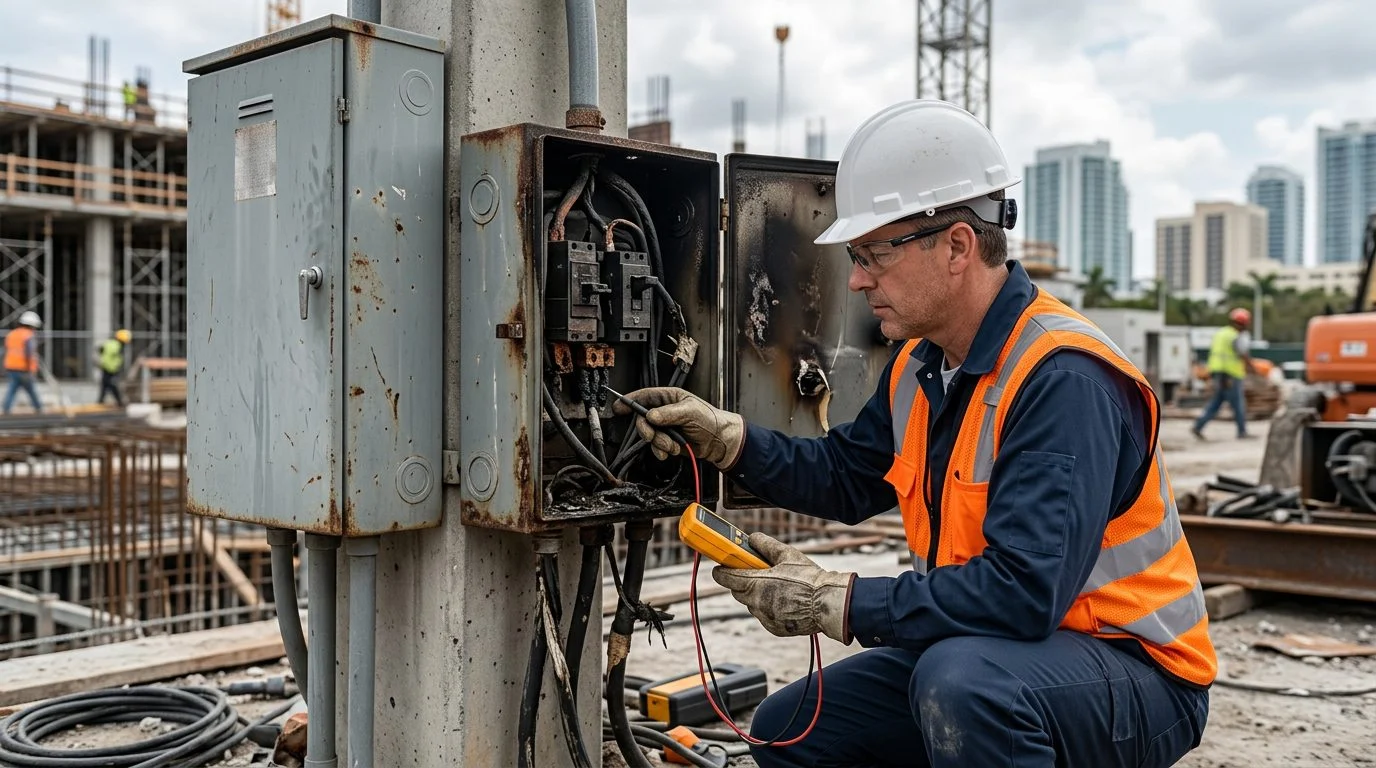
Fort Lauderdale, Florida | Electrocution Injuries
Hurt by Electricity in Fort Lauderdale? You Do Not Have to Face the Aftermath Alone
CHG Personal Injury Lawyers represents people across Florida who were shocked, burned, or seriously injured by electrical hazards. Our Florida-based attorneys can explain your options in plain language and help you understand what comes next.
Why Families Contact Our Firm
Florida
Florida-based firm serving clients throughout Florida
Licensed
Attorneys admitted to The Florida Bar
$0
No fees or case costs unless there is a recovery
By CHG Lawyers · Published October 22, 2026
An electrocution injury happens when electric current passes through the body. Some shocks leave you shaken. Others cause serious harm that changes your life.
If you were shocked or burned in Fort Lauderdale, you may have options under Florida law. This guide answers the questions people ask first. It also covers common local hazards, who may be responsible, and the deadlines that apply.
Dealing with an insurance company alone can feel like crossing the New River in a thunderstorm. You don’t have to do it alone.
Electrocution and Electric Shock: What the Terms Mean
Electric shock means the body touches electrical current. Electrocution usually refers to a shock that causes death.
People often use the two words the same way. The difference matters when a family is trying to understand what happened.
A shock can be brief and minor. It can also be severe enough to leave lasting harm. How serious it becomes depends on three things:
- How much current passed through the body
- The path the current took
- How long the contact lasted
A touch of a small household appliance is not the same as contact with a live power line.
The path matters, too. Doctors look at where the current entered and where it left the body. That shapes what they check. A shock that seems small at the scene can still need a full medical exam.
Many people ask whether a shock was “bad enough” to matter. A medical evaluation answers that question. A guess at the scene does not.
Not sure what your next step is?
Talk it through with our team — the first consultation is free, confidential, and carries no obligation.
Is Electric Shock Painful, and How Soon Do Symptoms Appear?
Yes. An electric shock is usually painful. The pain can start suddenly and feel intense.
Some effects show up right away. Burns and muscle contractions can be obvious at the scene.
Other effects may take hours or even days to appear. Changes in heartbeat, numbness, tingling, headache, or confusion can show up later.
That delay is why timing matters. A person who feels fine after a shock may still have an injury inside the body.
Get a medical evaluation after any shock, even if you feel okay. Follow your doctors’ care. Tell them exactly what happened. Include the source of the electricity if you know it.
Write down the time, the place, and any symptoms you notice in the days that follow. These notes help your doctors. They can also matter later if you pursue a claim.
What Injuries Electricity Can Cause
Burns are among the most common injuries after an electric shock. They are most serious where current entered and left the body. Burns can be severe. They often need advanced medical care.
Other injuries can follow. Electricity can disrupt the heart’s rhythm. It can also injure nerves and muscles. Nerve damage can last a long time. A full picture of an injury may take time to develop.
A shock can also cause a fall. A person thrown from a ladder, a roof, or a dock may suffer a serious back, neck, or head injury. These injuries can change a life.
Learn more about spinal cord injuries and traumatic brain injuries.
High-voltage contact can cause severe burns and, in some cases, amputation. This page covers those injuries only briefly. For the full range of catastrophic injuries, see catastrophic injuries.
Common Causes of Electrocution Accidents in Fort Lauderdale
Electrocution accidents in Fort Lauderdale often involve water, overhead lines, construction work, storms, or older wiring. Ask yourself which of these fits your situation.
- Marinas, docks, and boats. Water conducts electricity. Was there a shore power connection or damaged boat wiring? Was a dock repair done without proper checks?
- Pools and screen enclosures. Did a ladder, pole, pressure washer, or screen frame come near an overhead power line?
- Construction zones. Cranes, scaffolding, and tools can touch energized lines or wiring on downtown and corridor projects. See construction zone accidents for more.
- Storms and flooding. Downed or damaged lines and standing water can carry current. Was the area marked? Was anyone warned?
- Older buildings. Aging wiring, improper repairs, or missing grounding can create risk in apartments, condos, hotels, and businesses.
Who May Be Responsible for an Electrical Injury
More than one party may be responsible. The facts decide who controlled the equipment, the building, or the work. The facts also show who failed to maintain, inspect, warn, or repair.
Possible responsible parties include:
- Property owners and managers
- Contractors
- Employers
- Equipment makers
- Sometimes utilities or government agencies
Employers have safety duties, too. OSHA employer responsibilities lays out those duties.
Defendants often point at each other. Under Fla. Stat. § 768.81, the court judges each liable party by its own percentage of fault. A defendant may also name a nonparty whose fault contributed, but must affirmatively plead that nonparty’s fault and then establish at trial, by the greater weight of the evidence, that the nonparty’s fault caused the plaintiff’s injuries, for the nonparty to be on the verdict form.
Claims against government agencies follow their own rules under Fla. Stat. § 768.28.
If you were hurt at work, Florida’s workers’ compensation system may apply. Under Fla. Stat. § 440.11, an employer’s liability is generally exclusive. In plain terms, that usually limits what a worker can sue the employer for.
Whether a claim against a third party, such as an equipment maker, fits your case depends on the facts.
Florida Law and Deadlines for Electrical Injury Claims
Florida generally requires a negligence lawsuit to be filed within two years. See Fla. Stat. § 95.11. Other deadlines can apply, so do not wait.
Florida also limits recovery based on fault. Under § 768.81, in a negligence action to which the section applies, a person found more than 50 percent at fault for their own harm may not recover any damages, except in an action for personal injury or wrongful death arising out of medical negligence under chapter 766. Smaller shares of fault can reduce what a person recovers.
Deadlines apply, and waiting can cost you evidence. Equipment, maintenance logs, and witness contact details can disappear. Reaching out early helps protect what matters.
No one can promise how any claim will turn out or how long it will take.
Have questions about what happened?
Ask our team directly. The first conversation is free, confidential, and there is no obligation to continue.
When an Electrocution Is Fatal: Wrongful Death in Florida
A fatal electrical accident is a devastating loss. Florida’s Wrongful Death Act lets families seek damages when a wrongful act or negligence causes a death. The injured person would have been able to sue had they lived. See § 768.19.
The personal representative brings the claim. This is the person who handles the estate of the person who died. The claim is for the benefit of the survivors and the estate, under § 768.20. Survivors include the spouse, children, and parents. Certain blood relatives can also qualify, depending on dependence. § 768.18 explains who may qualify.
Under § 768.21, damages can include the value of lost support and services. A surviving spouse may recover for lost companionship and mental pain and suffering. Minor children, and all children if there is no surviving spouse, may recover for lost parental companionship, instruction, and guidance and for mental pain and suffering, but adult children cannot recover these damages in claims for medical negligence. A survivor who paid medical or funeral bills may also recover them.
Families often need time before they can think about legal steps. Start with your loved one’s care, the records, and the people who can support you. Next steps can wait until you are ready.
Steps to Take After an Electrical Injury in Fort Lauderdale
Get medical care first. Then protect your records and the evidence.
- Get medical care right away. Follow the treatment plan from your doctors, even if you start to feel better.
- Report the accident in writing. Tell the property owner, employer, or utility. Keep a copy of what you sent.
- Document the scene. Photograph the equipment, warning signs, and any damage. Write down witnesses’ names and contact details.
- Keep every record. Save bills, pay stubs, medical records, and notes about your symptoms.
- Be careful with insurers. Understand what you are agreeing to before you give a recorded statement.
- Preserve the equipment. Keep the clothing, tools, or equipment involved in the accident. Don’t repair or throw them away.
How CHG Personal Injury Lawyers Can Help Fort Lauderdale Families
CHG Personal Injury Lawyers is a Florida-based personal injury firm. We serve Fort Lauderdale and communities across Florida.
Igor Hernandez is the responsible lawyer for this page. Our lawyers are licensed attorneys admitted to The Florida Bar.
Our team handles the case from the first call. We look into the cause, gather records, and explain your options under Florida law. The firm handles personal injury cases of every severity. These range from car crashes and slip and falls to catastrophic injuries and wrongful death.
The first consultation is free, confidential, and carries no obligation to continue. CHG charges no attorney’s fees and no case costs unless there is a recovery.
Some cases may be referred to, or handled together with, another law firm.
Attorney advertising. This page is general educational information, not legal advice. Reading it does not create an attorney-client relationship.
Talk With Our Team About Your Fort Lauderdale Electrical Injury
If a shock or burn has left you hurt and unsure what comes next, you don’t have to sort it out alone.
If your family is facing a fatal electrical accident, you may wonder whether to speak with an insurer or property owner first. We can help you think it through.
Contact CHG Personal Injury Lawyers today for your free, confidential first consultation.

Want to know where you stand?
Tell us what happened and our team will walk you through the options available to you, at no cost.
Frequently Asked Questions
What should I do first after an electrical shock or electrocution injury?
Get medical care right away, even if you feel fine. Electrical injuries can cause hidden damage to the heart, nerves, and internal organs. Follow your doctors’ care. If you can, take photos of the scene and write down who was there.
Who can be held responsible for an electrocution injury in Fort Lauderdale?
Responsibility depends on how the injury happened. A property owner, contractor, employer, or other party may be responsible. This is true if they failed to maintain wiring, warn people about hazards, or follow safety rules. A claim may also involve a defective product, meaning a product with a design or manufacturing flaw. Contact CHG Personal Injury Lawyers for a free, confidential initial consultation, with no obligation to continue.
How long do I have to file an electrocution injury claim in Florida?
Florida generally allows two years to file most personal injury lawsuits (Fla. Stat. § 95.11(5)(a)). This rule reflects changes made to Florida law in 2023. Exceptions exist, and deadlines apply. Contact CHG Personal Injury Lawyers promptly so your deadline is protected.
Can an electrocution injury cause long-term problems?
Yes. Electrical injuries can cause burns, nerve damage, and heart rhythm problems. They can also cause memory or concentration issues. In severe cases, they can lead to amputation or long-term disability.
CHG Personal Injury Lawyers offers a free, confidential initial consultation with no obligation to continue. The firm charges no fees or case costs unless there is a recovery.
What We Do for Electrocution Injury Clients
Careful Investigation
We examine the scene, equipment, wiring, and maintenance records to understand how the electrical injury happened and who may be responsible.
Clear Explanations
We explain the legal process in plain language, so you and your family know what to expect at every stage of your claim.
Attention to Your Whole Recovery
Electrical injuries can affect the heart, nerves, skin, and internal organs. We work with your treating doctors' care plan as we pursue the compensation your family may need.
Support for Families
When an electrical accident causes lasting harm or a death, we help families understand their options and focus on what they can do next.
Important: Get Medical Care Right Away
Electrical injuries can cause hidden damage, even when the burn looks small or you feel fine. Seek medical care immediately and follow your doctors' care. Do not wait to see if symptoms improve.
Steps That May Help After an Electrical Accident
Get Medical Care
Your health comes first. Go to a doctor or emergency room, even if you feel fine, and keep every record of your treatment.
Document the Scene
If you can do so safely, take photos of the area, equipment, and warning signs, and write down the names of anyone who saw what happened.
Talk to a Lawyer Early
Evidence such as equipment and repair records can change or disappear over time. Contact our team promptly for a free, confidential consultation with no obligation to continue.