
Electrocution Injuries | Hallandale Beach, Florida
Hurt by Electricity in Hallandale Beach? You Do Not Have to Face It Alone
An electrical injury can change a family's life in an instant. Our Florida firm helps injured people and their loved ones understand what happened and what steps may be open to them.
By CHG Lawyers · Published November 10, 2026
If you or someone you love was hurt by an electrical shock in Hallandale Beach, you may be asking what happened and what comes next. Electrical current can pass through a person’s body at home, at a job site, or near the water. Such an injury can change a family’s life in seconds.
Florida law may allow injured people and families to pursue a claim. This is possible when someone else’s carelessness played a part.
If you have ever tried to win a race at Gulfstream Park, you know the favorite is not always the fastest horse. Facing an insurance company alone can feel the same way. This page explains what happens after a shock. It also explains what can follow and where Florida’s rules come in.
Electrical Injuries in Hallandale Beach: Where They Happen
Electrical injuries in Hallandale Beach often happen during ordinary work or everyday tasks. Many people who are hurt are not electricians. They are homeowners, landscapers, roofers, pool workers, and tenants.
Broward County has many homes, condominiums, marinas, and commercial buildings. Power lines run close to many of them. A ladder that touches an overhead line can carry current. So can a tree trimmed near a wire or a metal pole hit during yard work.
Faulty wiring, unprotected outlets, and wet pool areas add more risk. Storm damage can leave lines down on sidewalks and in yards. People often walk near them without seeing them.
Federal OSHA standards address electric shock and electrocution in workplaces. The agency’s guidance shows how those hazards are described: OSHA electrical safety.
If a shock at home, at work, or near the water has left you or a loved one hurt, our team can talk through what happened and what may come next. Talk it through with our team — the first consultation is free, confidential, and carries no obligation.
Electric Shock and Electrocution: What the Terms Mean
Electric shock means electrical current passes through the body. Electrocution is the word people often use when that shock causes death. Many people use the two words interchangeably.
An electrocution incident is any event in which electrical current passes through a person. That person may be hurt, killed, or unhurt. The word used in a news story or police report does not decide whether someone has a claim.
The legal question is different. A claim asks whether someone’s negligence caused the injury. Negligence means carelessness that causes harm.
A person who survived a shock and a family who lost a loved one both face that same core question.
How Electrical Current Affects the Body
Electrical current can disrupt the heart’s rhythm. It can also injure nerves, muscles, and tissue. The heart and nervous system are the body systems most often affected. This is especially true when current travels through the chest or head.
Burns often show up where current entered and left the body. Deeper tissue can be damaged even when the skin looks less severe. Doctors look beyond the surface when they assess a shock. Visible damage may not show the full picture.
Many people are also hurt after the shock itself. A person may be thrown or fall from a ladder or roof. Head injuries and broken bones from a fall can be as serious as the shock.
These are general points, not medical advice. Follow your doctors’ care. Ask them how these effects apply to your own body.
Why Medical Evaluation Matters After Any Electrical Shock
Every electrical shock should be checked by a doctor. This is true even when the person feels fine at the scene. Some effects do not show up right away.
A shock can seem minor and still cause problems. Heart irregularities, nerve problems, or internal burns can appear hours or days later. Get checked by a doctor or emergency care as soon as possible after any shock.
Tell every doctor exactly how the shock happened. Mention whether you were wet, standing in water, or touching metal. Also describe the equipment or wiring involved, if you know.
Keep every discharge paper, test result, bill, and follow-up appointment. These records show what happened and when. A claim later depends on this medical record. Keep them together in one folder.
Long-Term Injuries That Can Follow an Electrical Accident
Some electrical injuries cause lasting harm. These include nerve damage, severe burns, amputation, brain injury, and spinal cord injury. These effects can change how a person works, drives, and cares for family.
Some effects appear weeks or months later. Chronic pain, numbness, scarring, and memory or focus problems can take time to show. Recovery depends on each person’s medical situation and the care they receive. No two people heal the same way.
Scarring from severe burns can affect movement. It can also affect how a person feels about their body. It may need ongoing treatment. Limb loss changes daily routines and often requires long rehabilitation. A brain injury can affect memory and focus. A spinal cord injury can affect movement and feeling.
Our firm handles catastrophic injury claims. These include burn, amputation, traumatic brain injury, and spinal cord cases. The firm also handles other personal injury claims of every severity.
No one can promise how any case will turn out. Still, understanding the full scope of an injury early helps families plan.
Who May Be Responsible for an Electrical Injury
Responsibility depends on the facts. It can reach a property owner, a contractor, an employer, or an equipment maker.
Property owners and managers may be responsible in some cases. This can happen when they fail to maintain wiring, outlets, pool equipment, or lighting. It can also happen when they fail to warn people about hazards they knew about. A landlord, condominium association, or business owner can be part of that picture.
Contractors and employers have safety duties too. OSHA guidance on arc flash, a sudden electrical blast, says equipment that has not been locked out or tagged should be treated as energized. See OSHA arc flash hazards to learn how these burn injuries happen.
An equipment maker may be part of a claim. This can happen when a product’s design or warnings are alleged to have contributed to a shock. These are allegations until a court decides them.
Florida also uses comparative fault, which means shared blame. Under Fla. Stat. § 768.81, a court enters judgment against each liable party. The judgment is based on that party’s percentage of fault.
How fault is divided can reduce what an injured person may recover, and under Fla. Stat. § 768.81, in a negligence action a person found more than 50 percent at fault for his or her own harm may not recover any damages, though this rule does not apply to personal injury or wrongful death claims arising out of medical negligence under chapter 766, so the details of each case matter.
Workers hurt on the job face another layer. Florida’s workers’ compensation exclusiveness rule makes an employer’s liability exclusive, with listed exceptions. Claims against other parties, such as a property owner or an equipment maker, can raise their own questions, and the firm can review them during a free, confidential consultation.
Not sure what your next step is?
Talk it through with our team — the first consultation is free, confidential, and carries no obligation.
When an Electrical Injury Is Fatal: Options for Families
Florida’s Florida Wrongful Death Act is the name by which Sections 768.16-768.26 may be cited. This applies when an injury leads to death. Losing someone this way is hard enough. Many families also face funeral costs and lost income in the same weeks.
Under Fla. Stat. § 768.20, the claim is brought by the decedent’s personal representative, who recovers damages for the benefit of the survivors and the estate.
Survivors include the decedent’s spouse, children, and parents, and, when partly or wholly dependent on the decedent for support or services, any blood relatives and adoptive brothers and sisters, as listed in Fla. Stat. § 768.18. They also include certain blood relatives who depended on the person for support or services. Fla. Stat. § 768.18 reads: “It includes the child born out of wedlock of a mother, but not the child born out of wedlock of the father unless the father has recognized a responsibility for the child’s support.” Fla. Stat. § 768.18 lists these survivors.
Under Fla. Stat. § 768.21, a survivor who paid medical or funeral expenses may recover them.
Families can take practical steps now:
- Request the incident and medical records.
- Keep any information about the equipment or scene.
- Write down what witnesses saw while memories are fresh.
These steps help a family keep the facts in order.

Florida Deadlines and Talking With Our Team
Florida generally sets a two-year deadline for most personal injury lawsuits (Fla. Stat. § 95.11(5)(a)). Prompt action matters. Florida’s deadlines for filing a negligence lawsuit can be short, so contact the firm promptly to protect your rights.
Florida law sets deadlines for filing these claims, and they can be strict, so contacting the firm promptly is important. Other deadlines can apply. Contact our team early.
Igor Hernandez, one of the firm’s lawyers, and our team review electrocution injuries in Hallandale Beach. They do this in a free first consultation. The consultation is confidential and carries no obligation to continue. CHG charges no attorney’s fees and no case costs unless there is a recovery.
Are electric shock and electrocution the same?
Not exactly. Electric shock is current passing through the body. Electrocution is the word often used when a shock causes death.
Can electricity hurt you if you seem fine?
Yes. Some effects appear later. That is why every shock should be checked by a doctor.
How long do I have to file a claim in Florida?
Most personal injury lawsuits in Florida have a two-year deadline. Other rules can apply. Contact our team promptly.
If a shock at home, at work, or near the water has left you or a loved one hurt, our team can talk through what happened. We can also talk through what may come next. Request a free case evaluation
Why Families Call CHG Personal Injury Lawyers
Florida-Based Firm
CHG Personal Injury Lawyers represents injured people throughout Florida, including neighbors in Hallandale Beach and across Broward County.
Free, Confidential Consultation
Your first consultation is free, confidential, and comes with no obligation to continue.
No Fees Unless There Is a Recovery
CHG charges no attorney's fees and no case costs unless there is a recovery.
Licensed Attorneys
Our attorneys are licensed and admitted to The Florida Bar. Igor Hernandez is the responsible lawyer for this page.
English and Spanish Resources
We publish educational guidance for prospective clients in both English and Spanish.
If Someone Is Touching a Downed Power Line
Do not approach a person who is in contact with a power line or electrical source. Stay back, call 911, and keep others away. Electrical injuries can have effects that appear later, so every shock should be checked by a doctor, even if the person seems fine. Follow your doctors' care.
Common Electrocution Injury Situations
Downed or Exposed Power Lines
Storms, fallen lines, and damaged utility equipment can leave people exposed to live current in yards, streets, and parking lots.
Construction and Work Sites
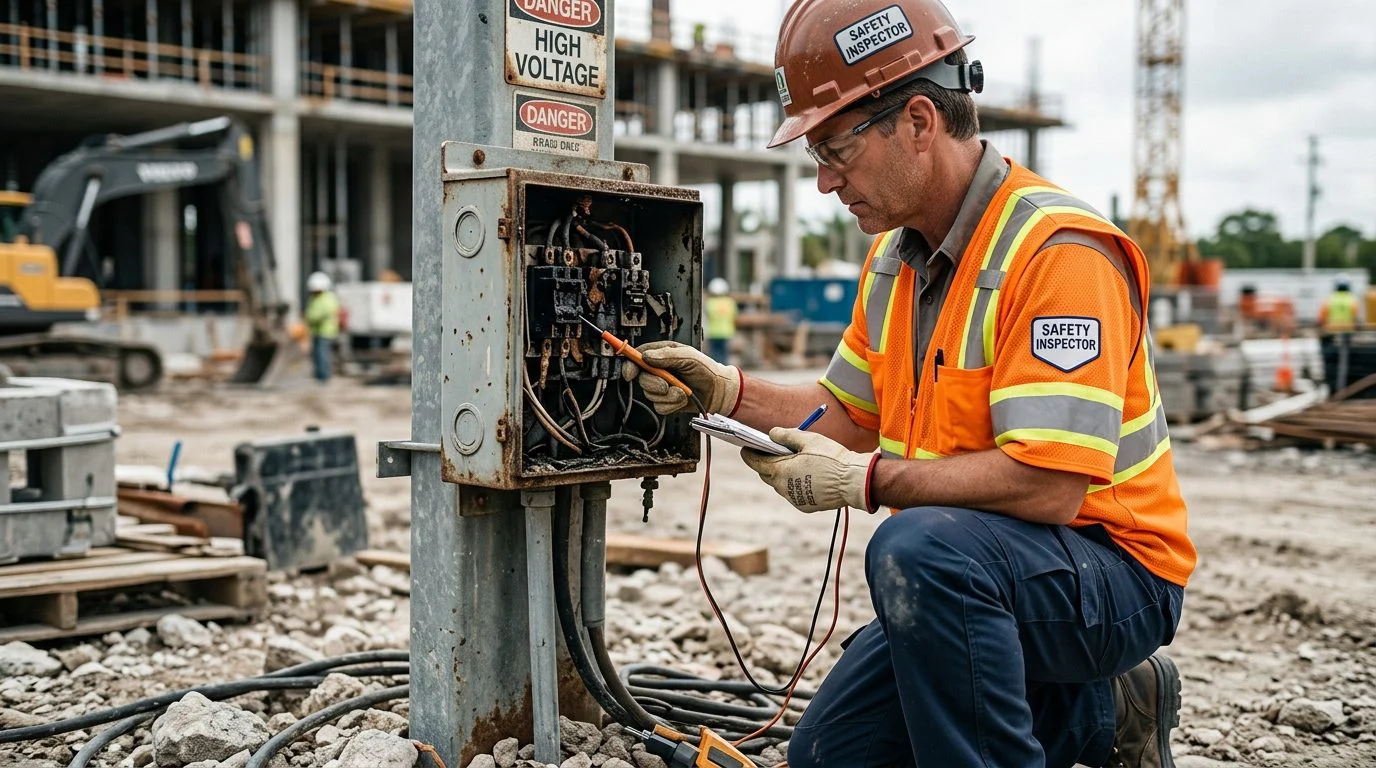
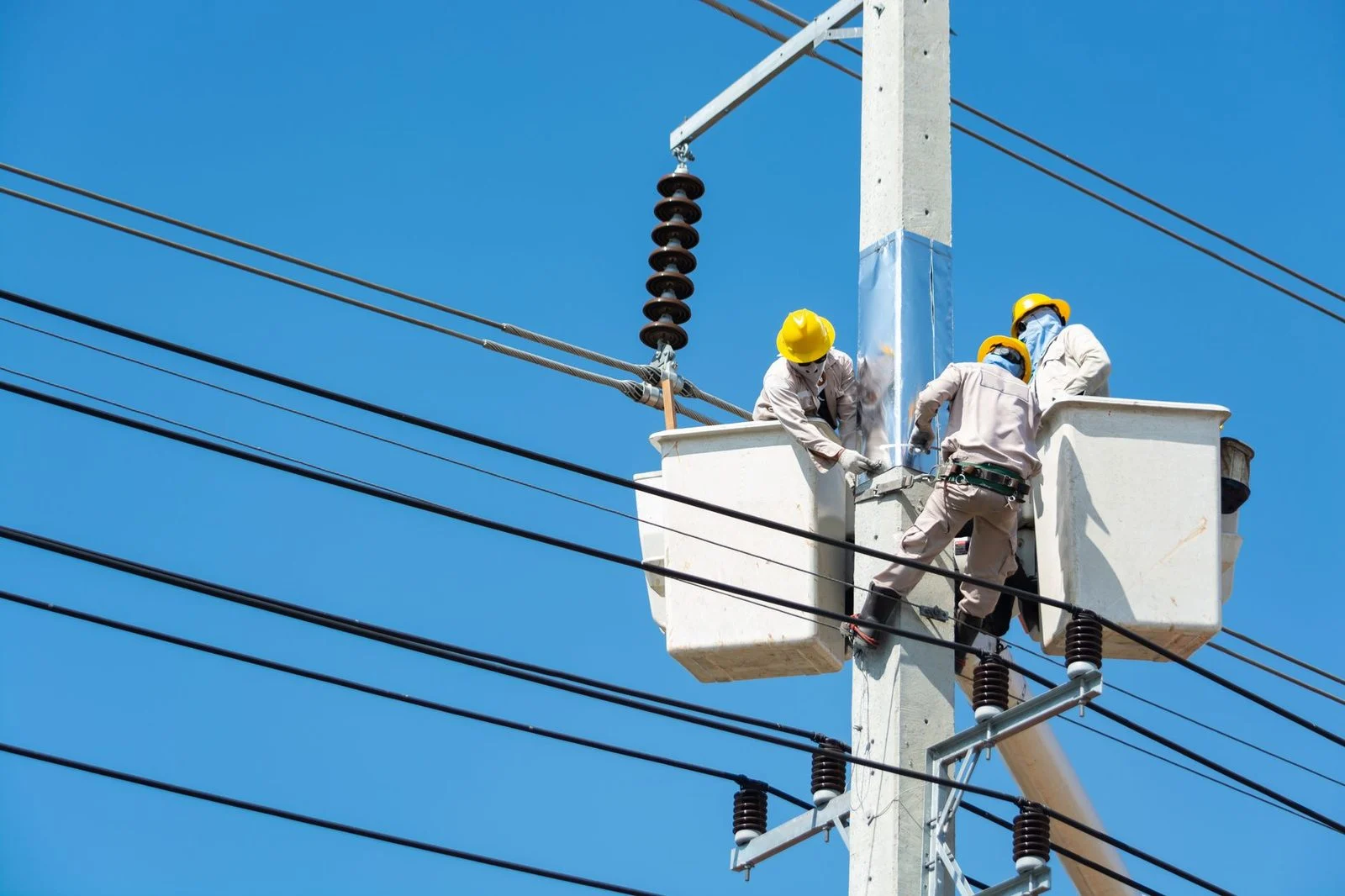
Crews working near overhead lines, cranes, or energized equipment face serious shock risks. These cases often look closely at safety practices and site conditions.
Electrical Hazards on Properties
Shocks can happen in rentals, condos, hotels, and businesses when wiring, outlets, or fixtures are damaged. Whether a claim exists depends on the facts of each case.
Appliances, Tools, and Chargers
Some shocks involve household or work equipment. Lawsuits may allege that a product was unsafe, and each situation is reviewed on its own facts.