
Electrocution Injuries | Jacksonville, Florida
Electrocuted or Shocked in Jacksonville? Here Is What to Do Next
An electrical injury can change your health, your work, and your family's life in an instant. CHG Personal Injury Lawyers helps injured people and their families across Florida understand their options, one clear step at a time.
Why Start With a Conversation
Florida
Florida-based personal injury firm serving Jacksonville and communities statewide
Free
Initial consultation, confidential and with no obligation to continue
No fees
No attorney's fees or case costs unless there is a recovery
By CHG Lawyers · Published October 22, 2026
An electrocution injury happens when electric current passes through the body. In Jacksonville, these injuries can lead to a legal claim when someone else’s carelessness caused the shock.
Jacksonville runs on electricity. Power lights up everything from Jaguars games to cranes on downtown job sites. That is why these injuries can happen in many places across the city.
What an Electrical Shock Can Do to the Body
Electricity can harm the body in several ways at once:
- It can burn the skin where the current enters and where it leaves.
- It can damage the nerves and muscles beneath the surface.
- It can upset the heart’s rhythm.
A shock can also knock a person off a ladder, roof, or dock. That fall can cause head or spinal injuries.
Some effects do not appear right away. Symptoms can show up hours or days after a shock. Anyone who was shocked should see a doctor, even if they feel fine.
Follow the care plan your doctors give you. Attend every follow-up visit.
In the most serious cases, electrical injuries can lead to amputation or long-term disability. Families who receive that news often need time, clear information, and steady support.
Your medical care belongs with your doctors. Our role is to explain the legal side of what happened.
Not sure what your next step is?
Talk it through with our team — the first consultation is free, confidential, and carries no obligation.
Where Electrocution Injuries Happen in Jacksonville
Electrocution injuries in Jacksonville often happen where people work near power, water, or storm damage. Several settings come up again and again.
Riverfront docks and marinas. Docks, boat lifts, and shore power connections along the St. Johns River put people close to water and live wiring. Wet surfaces can make a shock more dangerous.
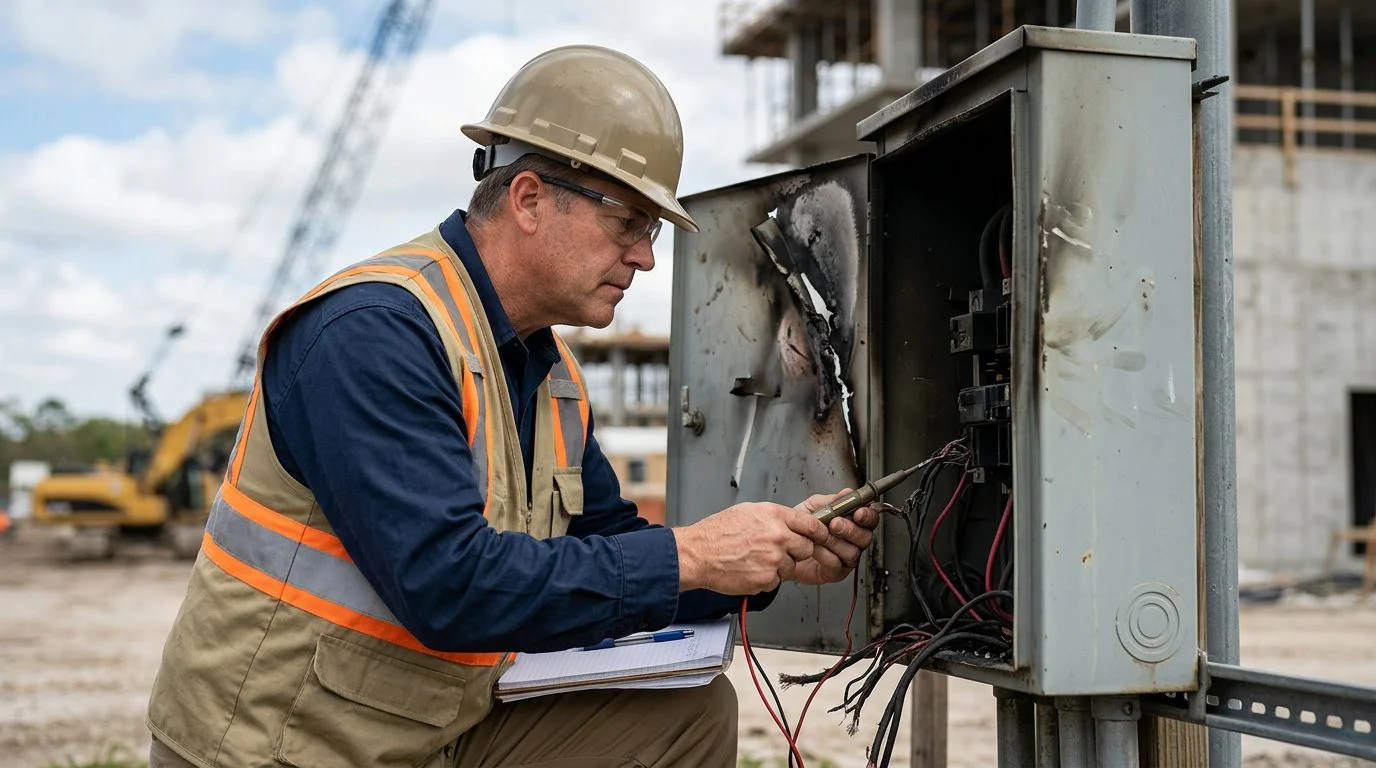
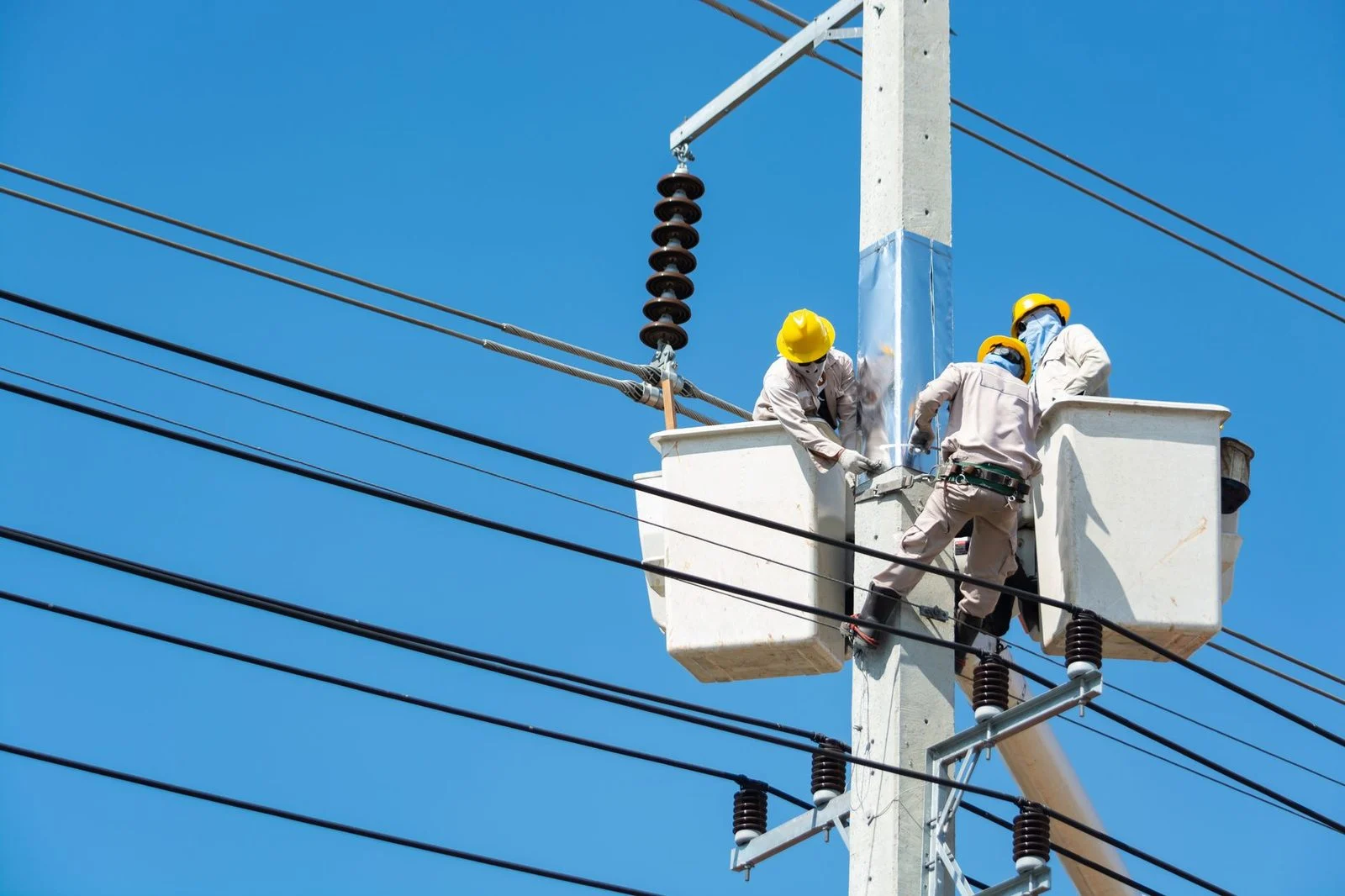
Construction sites. Crews downtown and along busy corridors often work near overhead and buried power lines. A crane, ladder, or metal pole that touches a line can carry current to a worker.
Storm-damaged areas. After severe weather, lines can fall or hang low. Walking or driving near a downed line can be deadly. Touching a fence or puddle near one can be deadly too. Stay back and report the line to the utility or call 911.
Homes and rentals. Pools, rental houses, apartments, and older wiring can all cause shocks. This often happens when they fail or are poorly maintained.
Workplaces. Warehouses, shipyards, and maintenance jobs rely on electrical equipment every day.
Who May Share Responsibility
A claim can involve more than one party. The right parties depend on how the shock happened. Possible parties include:
- The electric utility
- A contractor
- A property owner or landlord
- An equipment maker
- An employer
These are questions to investigate. They are not findings of fault.
Investigators often ask several questions:
- Were lines cleared or marked near the work area?
- Were warnings and barriers in place?
- Was the wiring and equipment maintained?
- Were required safety steps followed?
The answers depend on the facts of each shock.
Under Fla. Stat. § 768.81, a court enters judgment against each liable party. Each party’s amount is based on its percentage of fault.
Florida Deadlines and How Fault Is Decided
For most Florida negligence and personal injury claims that arise after March 24, 2023, you have two years to file a lawsuit (Fla. Stat. § 95.11(5)(a)).
Wrongful death claims by families also face deadlines. A wrongful death claim is a case brought by family members after a loved one dies. Act promptly.
Deadlines apply. Contact a lawyer early rather than waiting.
Florida uses modified comparative fault for negligence suits filed after March 24, 2023. Comparative fault means blame is split among the people involved. Under Fla. Stat. § 768.81, the injured person’s share of fault reduces the award. If that share is greater than 50 percent, the person generally may not recover any damages, but this does not apply to personal injury or wrongful death actions arising out of medical negligence under chapter 766.
If someone died, the Florida Wrongful Death Act lets certain family members seek damages. Under Fla. Stat. § 768.21, a surviving spouse may recover for loss of companionship and protection, and for mental pain and suffering from the date of injury. Each parent of a deceased minor may recover for mental pain and suffering.
Have questions about what happened?
Ask our team directly. The first conversation is free, confidential, and there is no obligation to continue.
Steps to Protect Your Claim in the First Days
- Get medical care first. Keep every record, bill, and discharge instruction.
- Report the incident. Tell the utility, the property owner, or the employer. Ask for a written incident report, and keep a copy.
- Take photos. Capture the scene, the damaged equipment, any warning signs, and your injuries. Note the weather and the time of day.
- Save evidence. Keep the clothing, tools, or devices involved in the shock. Do not repair or throw them away.
- Write down names. Record phone numbers for witnesses and anyone who responded, including fire and police personnel.
Memories fade. Write down details while they are fresh.
Be careful with recorded statements to insurance adjusters. Talk with a lawyer before you give one.

Talk With CHG Personal Injury Lawyers About Your Jacksonville Case
CHG Personal Injury Lawyers is a Florida-based firm. It handles personal injury cases of every severity, including electrocution injuries.
Igor Hernandez is the responsible lawyer for this page. The firm’s licensed attorneys are admitted to The Florida Bar. The firm serves clients throughout Florida, including Jacksonville.
The first consultation is free and confidential. It carries no obligation to continue. CHG charges no attorney’s fees and no case costs unless there is a recovery.
Common Questions
How long do I have to file an electrocution injury claim in Florida?
For most negligence claims that arise after March 24, 2023, the deadline is two years under Florida law. Start the conversation early so nothing slips past the deadline.
Can I still recover if I was partly at fault?
Florida’s modified comparative fault rule may reduce an award based on your share of fault (Fla. Stat. § 768.81(6)). In a negligence action to which this section applies, any party found to be greater than 50 percent at fault for his or her own harm may not recover any damages, except for personal injury or wrongful death actions arising out of medical negligence under chapter 766.
If a shock on a Jacksonville dock, job site, or storm-damaged street left you or someone you love hurt, contact our team for a free case evaluation today.
Safety First
If someone is still in contact with an electrical source, call 911 right away. Do not touch the injured person or the source of the current. Once the scene is safe, seek medical care even if the person seems fine, because some electrical injuries are not immediately visible.
How Electrical Injuries Happen
Overhead and Downed Power Lines
Contact with energized lines, including lines knocked down by storms, crashes, or equipment, can cause serious harm to people working nearby or passing by.
Construction and Work Sites
Cranes, ladders, scaffolding, and tools near live wires are a common setting for electrocution injuries among workers and visitors alike.
Unsafe Wiring and Equipment
Exposed wiring, damaged cords, improper grounding, and defective electrical products can all lead to shocks, burns, and cardiac injuries.
Unsafe Properties
Missing covers, faulty outlets, wet areas near electrical systems, and poor maintenance at homes, rentals, marinas, and businesses may create dangerous conditions.
Want to know where you stand?
Tell us what happened and our team will walk you through the options available to you, at no cost.
Steps That Can Help Protect Your Claim
Get Medical Care
Follow your doctors' care and keep every appointment, test result, and treatment record. Electrical injuries can affect the heart, nerves, and internal organs over time.
Keep Records
Save medical bills, pay stubs, photos of the scene, and any incident reports. Write down what you remember while it is still fresh.
Preserve Evidence
Keep damaged equipment, clothing, or products involved in the incident. Avoid repairing or discarding them before they can be reviewed.
Talk to Our Lawyers Early
Our attorneys can explain how Florida law may apply to your situation and help protect important evidence before it is lost.