
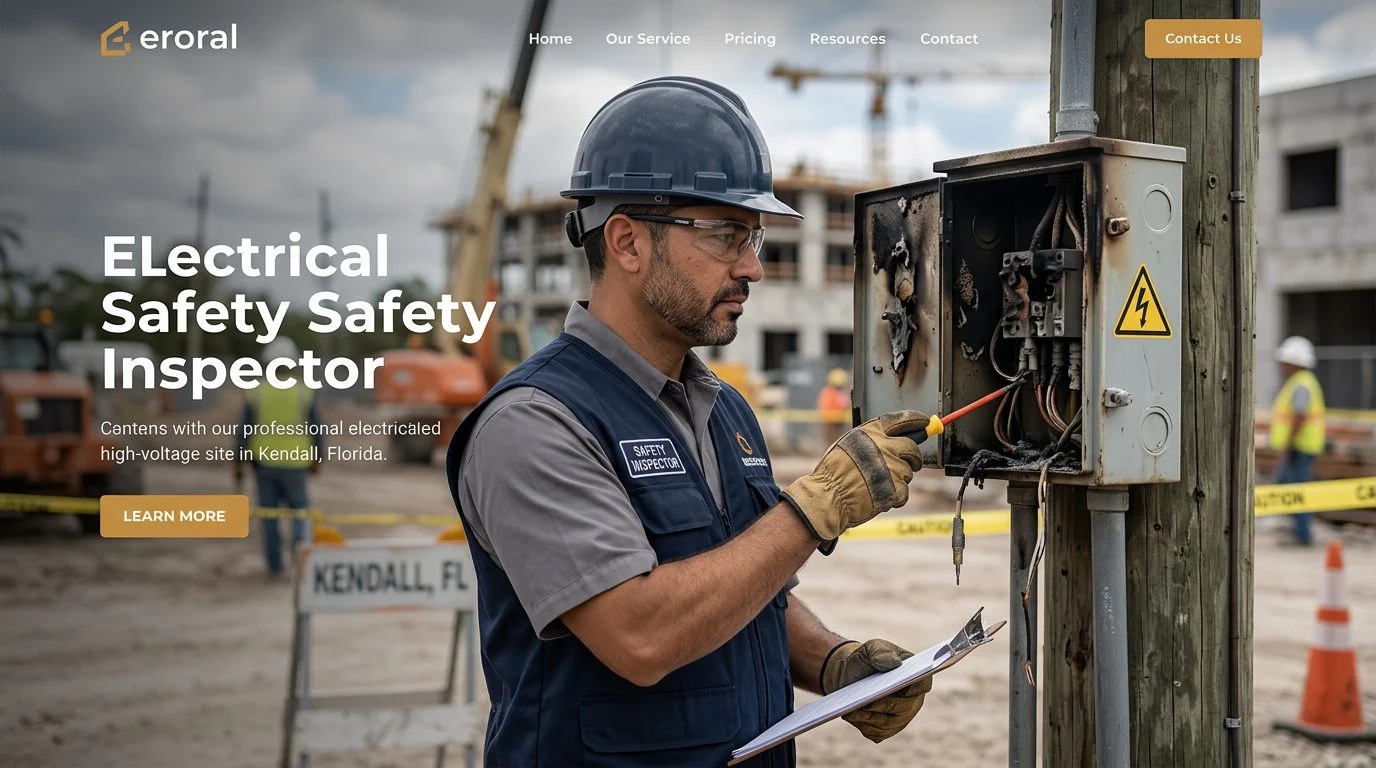
Electrocution Injuries | Kendall, Florida
Hurt by Electricity in Kendall? Here's What to Know and How to Protect Your Rights
Electrical shocks and electrocution can cause serious, lasting harm. CHG Personal Injury Lawyers helps Kendall families and injured people across Florida understand their options after an electrical injury.
By CHG Lawyers · Published October 22, 2026
Electrocution Injuries in Kendall: What to Know After an Electrical Shock
Not sure what your next step is?
Talk it through with our team — the first consultation is free, confidential, and carries no obligation.
When an Electrical Shock Changes Someone’s Life in Kendall
This guide is for Kendall families dealing with an electrocution injury. It explains what to do first. It also explains how Florida law may apply.
Electrical current that passes through the body can cause harm. The harm can be small, like a mark on the skin. It can also be life-changing.
Kendall families know a long, hard game when they see one. Miami Dolphins fans know that feeling. A serious shock can feel the same way. The difference is that the game starts in an emergency room. The family does not have a playbook yet.
Picture a Kendall homeowner who touches a metal gate. Old wiring has made the gate electric. Or picture a worker who brushes against a live line on a job site. Or picture a shopper who walks into a parking garage where a damaged fixture is sparking.
In seconds, an ordinary day becomes an ambulance ride. Then comes a waiting room. The family asks what happens next.
Electrocution injuries can be minor. They can also cause amputation, nerve damage, long-term disability, or death. This page is for injured people and their families throughout Kendall and Miami-Dade County. This page offers general information about the injury and some first steps to consider.
What an Electrical Shock Can Do to the Body
An electrical shock can injure much more than the skin you can see. Current can burn the skin where it enters the body. It can also burn where it leaves.
Current can also reach deeper tissue, muscles, and nerves. That damage may not show right away.
Some shocks affect the heart’s rhythm. These effects can appear hours or days later. A person who feels fine still needs a medical check. Doctors watch for problems that are not obvious from the outside.
Severe cases can lead to amputation, lasting nerve damage, or permanent disability. The treatment path depends on the injury and the patient’s overall health.
Family members often notice changes first. Watch for confusion, weakness, or trouble sleeping. Tell the care team right away.
Follow your doctors’ care plan. Keep every follow-up visit. Those records matter if a claim is filed later.
Where Electrocution Injuries Happen in Kendall and Miami-Dade
Electrocution injuries often happen where wiring or equipment is damaged, exposed, or too close to people. Kendall has many homes, shopping centers, and construction sites. Each one can hold these hazards.
At home, common cases involve:
- Faulty wiring
- Outdoor outlets near water
- Pool equipment
- Do-it-yourself repairs
In parking lots and garages, a damaged light fixture or exposed wire can be the danger. On construction sites, two frequent concerns are work near overhead power lines and unguarded equipment.
Miami-Dade’s waterways add another setting. Boats, docks, and marinas can have electrical systems. People often touch them while wet.
Storms can also drop lines onto streets and yards. Walking into standing water near a downed line can be deadly.
Property owners, employers, and contractors all play a role in keeping electrical systems safe. The federal workplace-safety agency describes employer duties. See OSHA employer responsibilities for the full list.
What to Do Right After an Electrical Shock
Call 911 right away in an emergency. Do not touch the person while they are still in contact with the power source. First, make sure the power is shut off.
Keep helpers away from water, wires, and metal that may carry current.
Every electrical shock should be checked by a doctor. Do this even when the person feels fine. Some effects appear later. Prompt medical records help the person’s health. They also help any later claim.
Protect your evidence when it is safe to do so. Take photos of:
- The scene
- The wiring or equipment
- Warning signs
- Any damage
Write down the date, time, and location while your memory is fresh. Get the names and phone numbers of any witnesses.
Be careful with insurance adjusters. An insurer may call quickly. It may ask for a recorded statement. Talk with a lawyer before you give a statement about how the shock happened.
Have questions about what happened?
Ask our team directly. The first conversation is free, confidential, and there is no obligation to continue.
Who May Be Responsible for an Electrocution Injury
Responsibility depends on the facts. More than one party can share it. A claim may involve a property owner, a landlord, a contractor, an employer, an equipment maker, or a utility.
The injury alone does not show who was at fault.
Claims often look at failures such as:
- Unsafe wiring
- Missing warnings
- Improper repairs
- Equipment that may have been defective
A claim may allege that one of these failures caused the shock. Photos, maintenance records, and a careful investigation help show whether that is true.
Florida also divides fault by percentage. Under Florida’s comparative fault statute, the court enters judgment against each liable party. That judgment is based on that party’s share of fault. No party must pay the full amount just because others were involved.
Florida Deadlines and How Fault Is Decided
Florida sets time limits for filing injury lawsuits. Missing one can end a claim. Different claims follow different clocks. Contact a lawyer promptly.
Claims against a health care provider follow their own rules. Florida’s limitations statute, § 95.11 generally requires medical malpractice actions to be commenced within two years from the time the incident occurred or was discovered, or should have been discovered with due diligence, and in no event later than four years from the date of the incident, except that the four-year limit does not bar an action brought on behalf of a minor on or before the child’s eighth birthday, subject to the fraud and concealment rules in that subsection. Fla. Stat. § 95.11 reads: “(c) An action for medical malpractice shall be commenced within 2 years from the time the incident giving rise to the action occurred or within 2 years from the time the incident is discovered, or should have been discovered with the exercise of due diligence; however, in no event shall the action be commenced later than 4 years from the date of the incident or occurrence out of which the cause of action accrued, except that this 4-year period shall not bar an action brought on behalf of a minor on or before the child’s eighth birthday.” Under Fla. Stat. § 95.11, an action for professional malpractice, other than medical malpractice, whether founded on contract or tort, must be brought within two years, running from the time the cause of action is discovered or should have been discovered with the exercise of due diligence, and this limitation applies only to persons in privity with the professional. Medical malpractice is addressed separately in § 95.11(5)(c), which sets a four-year outer limit.
Florida also uses comparative fault (Fla. Stat. § 768.81(6)). Sharing some of the blame does not, by itself, end the claim. Under Florida law, any award is reduced by the injured person’s share of fault. However, a person found more than 50 percent at fault for their own harm may not recover any damages, except in medical negligence cases.
Under the same comparative fault statute, in a negligence action to which this section applies, a person found more than 50 percent at fault for their own harm may not recover damages. Fla. Stat. § 768.81 reads: “This subsection does not apply to an action for damages for personal injury or wrongful death arising out of medical negligence pursuant to chapter 766.” This rule works differently in medical negligence cases.
These rules are summarized here to help you understand the basics. A lawyer can explain how they apply to your accident.
What a Claim May Cover for Kendall Families
A claim may seek money for the losses an electrocution injury causes. Losses from an injury can take many forms:
- Emergency and ongoing medical care
- Rehabilitation
- Lost income and reduced ability to earn
- Pain and suffering
Families dealing with severe injuries often face costs for home changes and long-term care.
Florida law limits how medical bills are proven. Under § 768.0427, evidence of satisfied past treatment “is limited to evidence of the amount actually paid, regardless of the source of payment.”
When an electrocution causes a death, Florida’s Wrongful Death Act lets the family pursue a claim. Under § 768.20, the decedent’s personal representative brings the action for the survivors and estate.
Survivors are defined in § 768.18. They generally include the spouse, children, and parents.
A surviving spouse is one of the decedent’s survivors under § 768.18, and may recover for loss of companionship and for mental pain and suffering under § 768.21. Each parent of a deceased minor child may recover for mental pain and suffering, under § 768.21.
Grieving families deserve patience and clear answers at every step.

Talk With Our Team About Your Electrocution Injury
Our team helps people hurt by electrical shocks understand their options. Igor Hernandez is the responsible lawyer for this page. He is a licensed Florida attorney admitted to The Florida Bar. Our support staff help families with calls, records, and scheduling.
The firm represents people throughout Florida, including Kendall and Miami-Dade County. The first consultation is free, confidential, and carries no obligation. CHG charges no attorney’s fees and no case costs unless there is a recovery.
Common Questions
What should I do first after an electrical shock?
Call 911 in an emergency. Then get a medical check, even if you feel fine.
How long do I have to file a claim in Florida?
Florida sets time limits that vary by claim type. Contact a lawyer promptly.
Can a family file a claim after an electrocution death?
Florida’s Wrongful Death Act allows eligible family members to pursue a claim through the personal representative.
If an electrical shock has left you or someone you love hurt, reach out to us now. We can review the accident while medical records and evidence are still fresh. Contact us at CHG Personal Injury Lawyers.
Want to know where you stand?
Tell us what happened and our team will walk you through the options available to you, at no cost.
How CHG Personal Injury Lawyers Can Help
Focus on Your Recovery
We understand that your health comes first. We work to handle the legal details so you and your family can focus on medical care and healing.
Investigating What Happened
Electrical injuries often involve wiring, equipment, property conditions, or work-site practices. We look into how the incident occurred and who may be responsible.
Support for Families
When an electrical accident causes a death, our team works with the family left behind to explain the legal process and the options that may be available.
No Fees Unless There Is a Recovery
CHG charges no attorney's fees and no case costs unless there is a recovery. Our first consultation is free, confidential, and comes with no obligation to continue.
Safety Warning: Do Not Touch a Person Who Is in Contact With Electricity
If someone is touching a live wire or an electrified object, do not touch them or the source. Call 911 right away, and turn off the power only if you can do so safely. Seek medical care for anyone who was shocked, even if they seem fine.
What to Do After an Electrical Injury
1. Call 911 and Get Medical Care
Electrical injuries can affect the heart and nerves in ways that are not visible right away. Follow your doctors' care and keep all follow-up appointments.
2. Document the Scene
If you are able, take photos of the equipment, wiring, outlets, or property conditions. Write down names of witnesses and the date, time, and location.
3. Keep Your Records
Save medical bills, discharge papers, prescriptions, and records of lost work. These documents help explain how the injury has affected your life.
4. Contact a Lawyer Promptly
Florida law sets deadlines that vary by type of claim. Contact CHG Personal Injury Lawyers promptly so we can review your situation and explain your options.
Serving Kendall and Communities Throughout Florida. Talk With Our Team Today.
Related practice areas
- Electrocution Injuries Richmond West