
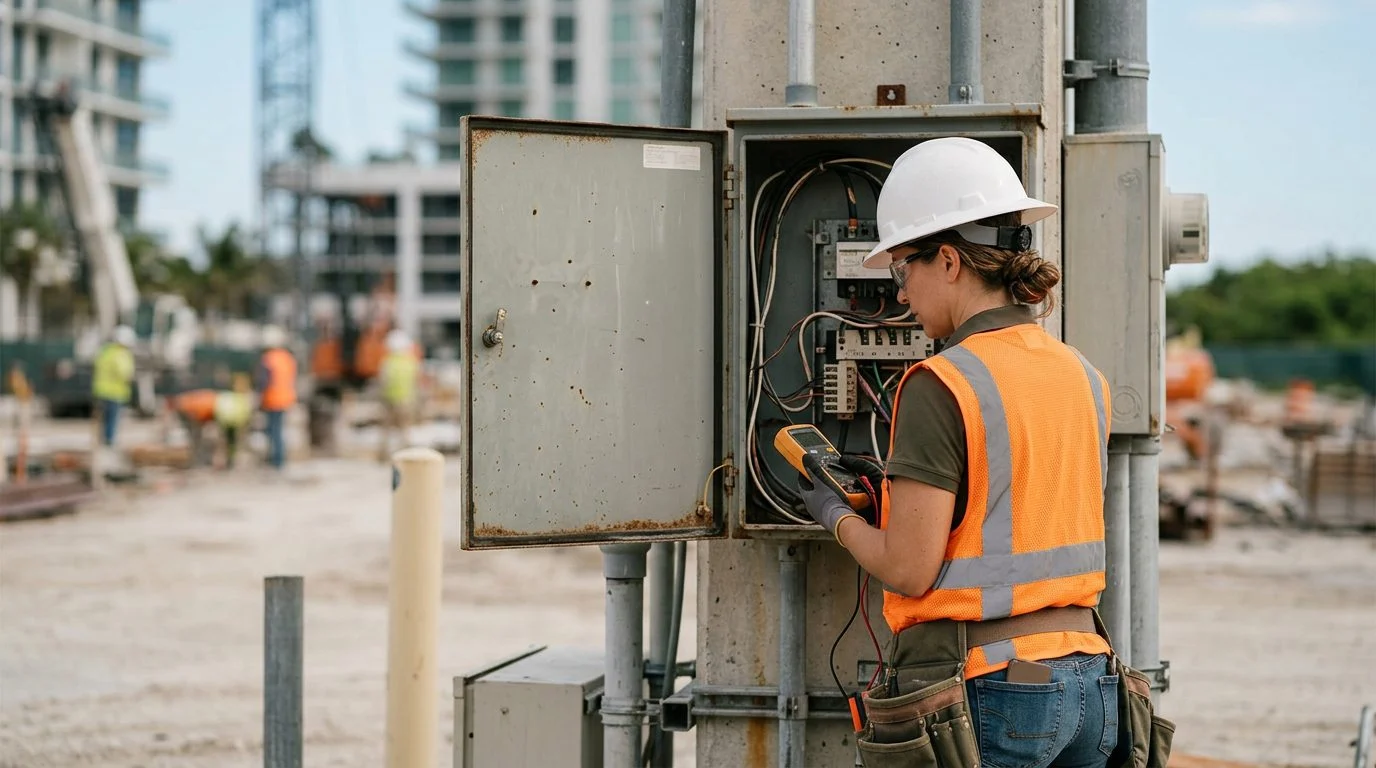
Miami Beach, Florida · Electrocution Injuries
Hurt by Electricity in Miami Beach? Here Are Your Next Steps
An electrical shock can cause serious, lasting harm, and the weeks after an accident can be overwhelming. CHG Personal Injury Lawyers helps Miami Beach families understand their options, starting with a free, confidential first consultation.
By CHG Lawyers · Published October 23, 2026
Electrocution Injuries in Miami Beach: What to Know After an Electrical Accident
Electrocution injuries happen when electrical current passes through the body. They can range from a brief shock with full recovery to severe burns, heart damage, paralysis, amputation, or death. Anyone shocked in Miami Beach should get medical care, even if the moment seems to have passed.
Miami Beach runs on sun, water, and foot traffic. Walk down Collins Avenue and you pass hotel lobbies, pool decks, and sidewalks lined with lighting and wiring. Heavy humidity and salt air can wear down outdoor fixtures and connections over time. That makes electrical safety a real concern here, not just a theory.
This page explains common causes, hidden injuries, warning signs, and who may be responsible. It is general information, not medical advice. Please follow your doctors’ care and instructions. If you were hurt, the questions can pile up fast. Let’s take them one at a time.
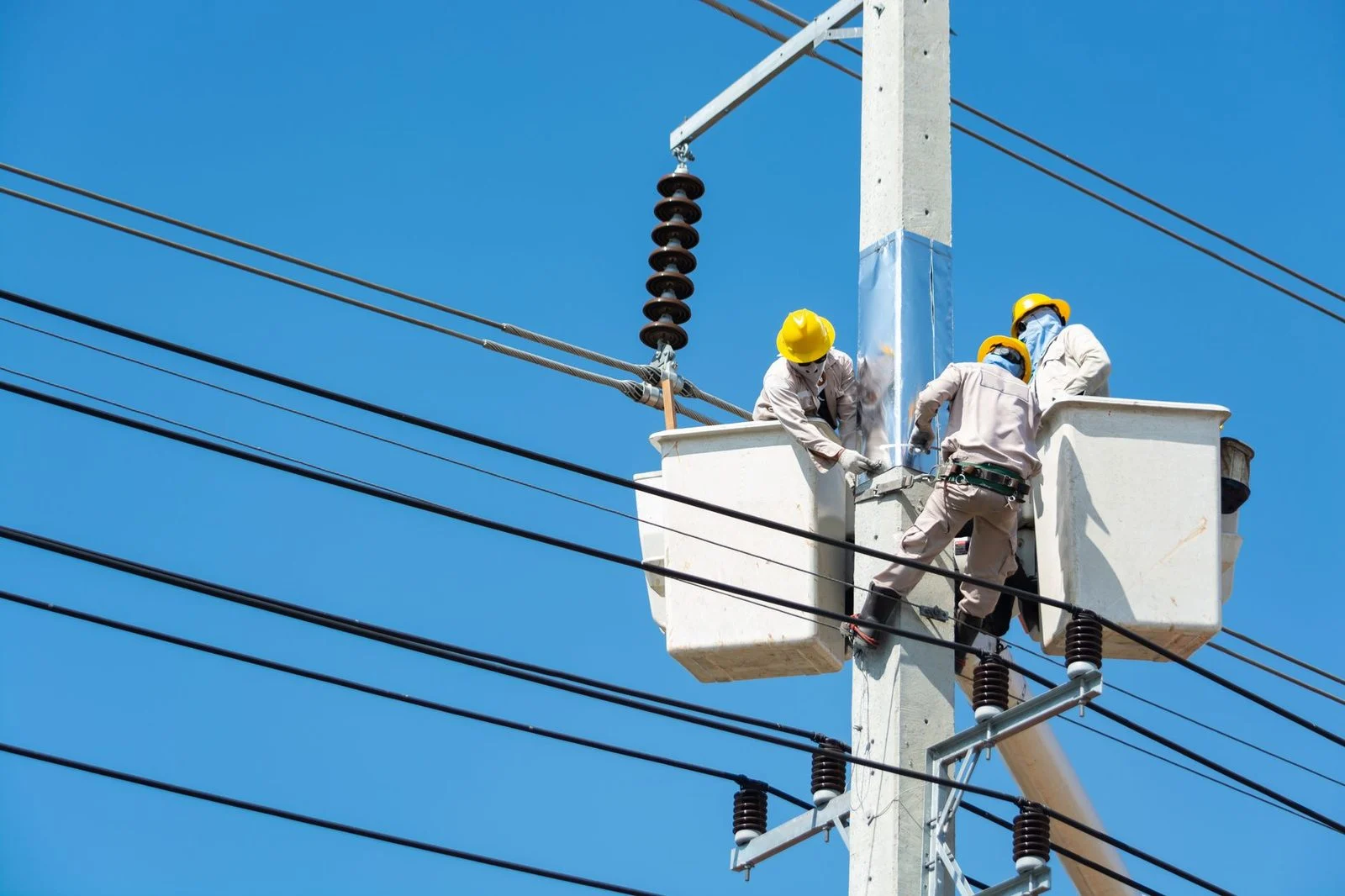
If you or someone you love was shocked, you may be facing an uncertain diagnosis, questions about who may be responsible, and a lot of stress at once. Talk it through with our team — the first consultation is free, confidential, and carries no obligation.
How Electrocution Injuries Happen in Miami-Dade County
Most electrocution injuries happen when a person touches live current through damaged wiring, broken equipment, or a power source that was not properly protected. Several settings come up often in Miami Beach and across Miami-Dade County.
Condo and hotel pool decks are one. Pool pumps, heaters, lights, and outlets sit close to the water. If a cord, fixture, or connection fails, the water can carry current to people nearby.
Marinas, boat docks, and boat or jet ski lifts raise the same concern. Shore power cords, dock wiring, and lift motors near water need proper installation and regular upkeep.
Older buildings may have worn wiring. Newer buildings can still have installation errors. Exposed or unmarked lines, damaged outlets, and improperly installed equipment can cause shocks in both.
Construction zones are another setting. Scaffolding, cranes, and lifts that come near overhead power lines can make contact with a live line. Storms can also damage lines and fixtures and leave hazards behind.
Short-term rentals deserve a mention. Guests often don’t know who installed the wiring, appliances, or outdoor lights. They rarely have a chance to inspect them. The federal workplace safety agency OSHA describes common causes of electrical injury on its electrical safety page.
Why Electrical Injuries Can Be Hard to Judge Right Away
A small mark on the skin often does not show how much harm the current caused inside the body. Electrical current can travel through muscles, nerves, and organs, including the heart. Some of that harm is hidden at first.
Heart rhythm problems, kidney strain, and nerve damage can appear hours or days later. That’s why a doctor should check anyone who was shocked, even if they feel fine. Many people feel tired or sore and assume it will pass. Don’t wait to find out.
Documentation matters too. Write down what happened, when, and where as soon as you can. Keep every medical record, bill, and discharge paper. Write down the names of anyone who saw the event. Delayed symptoms can make it harder to connect them to the shock later. Clear notes help your doctors and your family.
Warning Signs That Need Prompt Medical Care
Call 911 right away if someone has chest pain, trouble breathing, a racing or irregular heartbeat, or confusion after a shock. Anyone who loses consciousness needs emergency care right away, not a wait-and-see approach.
Other warning signs include weakness, numbness, seizures, and burns where the current entered and left the body. Those burns need a doctor’s care even when they look small.
In the hours or days after a shock, report dark urine, severe muscle pain, or swelling to a doctor. Also report new weakness or numbness, even if it seems mild.
Electrical arc flashes can cause serious burns without a direct shock. OSHA explains this hazard on its arc flash page. If someone is unresponsive or not breathing, call 911 at once. Don’t wait to see how they feel.
Not sure what your next step is?
Talk it through with our team — the first consultation is free, confidential, and carries no obligation.
What to Do If Someone Is Being Shocked
Keep yourself safe first. Call 911, and do not touch a person who is still in contact with the electrical source. Touching them can put you in the same current.
Stay out of the water if a shock may have happened there. A rescuer who enters the water can be pulled into the same danger. Move other people away from the area.
Tell the 911 operator the exact location, what caused the shock if you know, and how many people were affected. Clear details help responders plan their approach.
Only trained people should try to cut power. Everyone else should keep a safe distance until emergency responders arrive and say it is safe to approach.
Once the scene is safe, the injured person should still see a doctor. If you can do so safely, take photos of the location, the equipment, and any signs or warnings. Photos can help record what happened.
What Is Electric Shock Drowning?
Electric shock drowning happens when electrical current in the water causes a swimmer’s muscles to lock up. The person may not be able to swim to safety, even close to shore. It can happen in pools, marinas, and near docks with electrical equipment.
It is hard to recognize. A person may look like they are struggling in the water, which can seem like ordinary drowning. That is why bystanders should not enter the water to help. Call 911, stay back, and let trained responders handle the rescue.
Families who lose someone in an electrical incident like this often have questions about responsibility. In Florida, those questions can overlap with wrongful death claims. Electric shock drowning in Florida can raise both injury and family legal questions, and the sections below explain how Florida law approaches them.
Who May Be Liable After an Electrocution in Miami Beach
Responsibility may fall on the people or companies that controlled the property, equipment, or maintenance and failed to keep it safe. In Miami Beach, that can include condo associations, hotel operators, marina operators, landlords, and short-term rental hosts.
Electrical contractors and maintenance companies may be involved when faulty installation or repairs caused a shock. Equipment makers may be involved if a defective product contributed. Utility companies can be involved in some incidents with power lines. Claims against government bodies can follow different rules.
In Florida, in a products liability action alleging that injuries were enhanced by a defective product, the fault of all persons who contributed to the accident is considered when apportioning fault among them. The court enters judgment against each party based on that party’s percentage of fault, not joint and several liability, under Fla. Stat. § 768.81. That same statute says a party found more than 50 percent at fault for its own harm may not recover any damages, but this bar does not apply to personal injury or wrongful death actions arising out of medical negligence under chapter 766.
Who may be responsible depends on the facts. Key questions include who controlled the area, who did the repairs, and what warnings or inspections were in place.
Florida Deadlines and What an Electrical Injury Claim Can Involve
Florida sets time limits for filing injury and wrongful death lawsuits, and they can be shorter than many people expect. Those limits are set out in Fla. Stat. § 95.11. Acting early protects your options.
Deadlines can differ by case type and by who is being sued. Don’t wait to find out which rule applies to you.
A claim may address medical bills, lost income, pain and suffering, and long-term care needs. Catastrophic injuries such as paralysis, amputation, and severe burns often require long-term planning. Families often need help with both medical and legal next steps.
When a shock causes a death, the Florida Wrongful Death Act allows certain family members to pursue damages. Under § 768.21, a surviving spouse may recover for loss of companionship and protection.

Have questions about what happened?
Ask our team directly. The first conversation is free, confidential, and there is no obligation to continue.
If You or a Loved One Was Shocked in Miami Beach: Your Next Step
If you or someone you love was shocked, you may be facing an uncertain diagnosis, questions about who may be responsible, and a lot of stress at once. Igor Hernandez is the responsible lawyer for this page. CHG Personal Injury Lawyers is a Florida personal injury firm.
What are the warning signs of electrocution injuries in Miami Beach?
Chest pain, trouble breathing, a racing heartbeat, confusion, or loss of consciousness need emergency care right away. Other signs, such as numbness or dark urine, should also be reported to a doctor.
Can someone be seriously hurt by a shock even if they feel fine?
Yes. Heart rhythm problems and nerve damage can appear hours or days later, so a medical check is still important.
How long do I have to file a claim in Florida?
Florida’s filing time limits are set out in Fla. Stat. § 95.11, and they can be short. Don’t wait to act on that.
If a shock left you or someone you love hurt and unsure who may be responsible, contact CHG Personal Injury Lawyers for a free, confidential first consultation with no obligation to continue. The firm charges no attorney’s fees or case costs unless there is a recovery.
Get Emergency Care Right Away
Chest pain, trouble breathing, a racing or irregular heartbeat, confusion, or loss of consciousness need emergency care immediately. Even if you feel fine after a shock, see a doctor, because some heart and nerve problems can appear later. Follow your doctors' care plan.
Five Steps to Take After an Electrical Injury
1. Seek medical care
Get checked by a doctor even if the injury looks minor. Burns, heart rhythm changes, and nerve damage are not always visible at first.
2. Document the scene
If it is safe to do so, take photos of the equipment, wiring, outlets, signage, and the area where the shock happened. Note the date, time, and who was present.
3. Keep every record
Save medical bills, discharge papers, prescriptions, work absence notes, and any letters from insurers. Keep a simple daily log of symptoms and limits on daily life.
4. Avoid guessing about fault
Do not give recorded statements or sign documents from an insurance company before you have talked with an attorney about your situation.
5. Talk with a Florida injury lawyer
Our team at CHG Personal Injury Lawyers can review what happened, explain the steps ahead, and answer your questions at no cost to start.
Why Miami Beach Families Contact CHG
Free first consultation
Your first consultation is confidential, with no obligation to continue.
No fees unless there is a recovery
CHG charges no attorney's fees and no case costs unless there is a recovery.
Licensed attorneys
Our attorneys are admitted to The Florida Bar and practice in Florida.
Serving Miami Beach and throughout Florida
We represent people hurt in accidents across Florida, including Miami Beach and nearby communities.
Focused on families
We understand that a serious injury affects the whole household, and we take time to listen.