
Electrocution Injuries | Miami Lakes
Electrocution Injuries: A Guide for Families in Miami Lakes
An electrical shock can change a family's life in an instant. This plain-language guide explains what injured people and their loved ones can do next, from getting medical care to understanding who may be responsible.
Why families reach out to us
Florida
Florida-based personal injury firm serving communities across the state
Free
First consultation: confidential and with no obligation to continue
Licensed
Attorneys admitted to The Florida Bar
By CHG Lawyers · Published October 24, 2026
Electrocution Injuries in Miami Lakes: What Injured Residents and Families Should Know
An electrical shock can happen in a second. Its effects can last much longer.
If you or someone you love was shocked, electrocuted, or hurt in a fall after a shock in Miami Lakes, you may be dealing with medical care, bills, and an insurance company all at once. You do not have to face those questions alone.
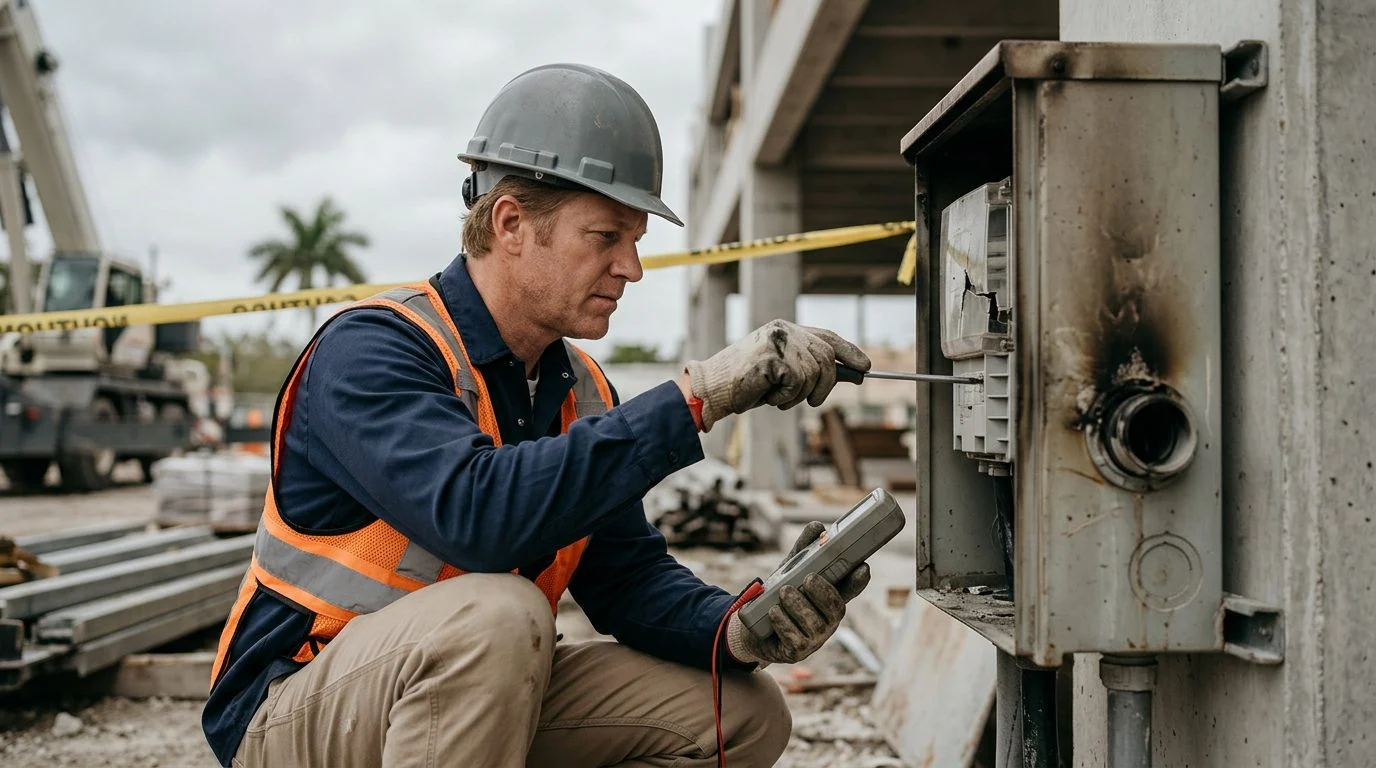
An electrocution injury happens when electric current passes through a person’s body. In Miami Lakes, this can happen when a pool light is wired badly. It can also happen when a ladder touches an overhead service line. It can happen when a storm brings a line down into a yard.
If someone else’s carelessness caused the shock, the injured person may have a claim. After a death, family members may have one too.
Not sure what your next step is?
Talk it through with our team — the first consultation is free, confidential, and carries no obligation.
Why Electrical Hazards Are a Real Concern in Miami Lakes
Electrical hazards show up in Miami Lakes homes, yards, townhome communities, commercial plazas, and job sites. They often strike while someone is doing an ordinary task. Examples include trimming a tree or cleaning gutters.
Florida’s storm season brings power outages and downed lines. A line lying in standing water or across a driveway can look harmless. It can still carry current. Treat every downed line as live.
Many neighborhoods and commercial properties have overhead service lines close to buildings. Pools, pool equipment, and screen enclosures are common in Florida homes. Metal frames and nearby wiring can create shock risks. Those risks grow when equipment sits close to power or goes unmaintained.
Miami-Dade Fire Rescue electrical safety tips describe common wiring-related hazards and everyday precautions.
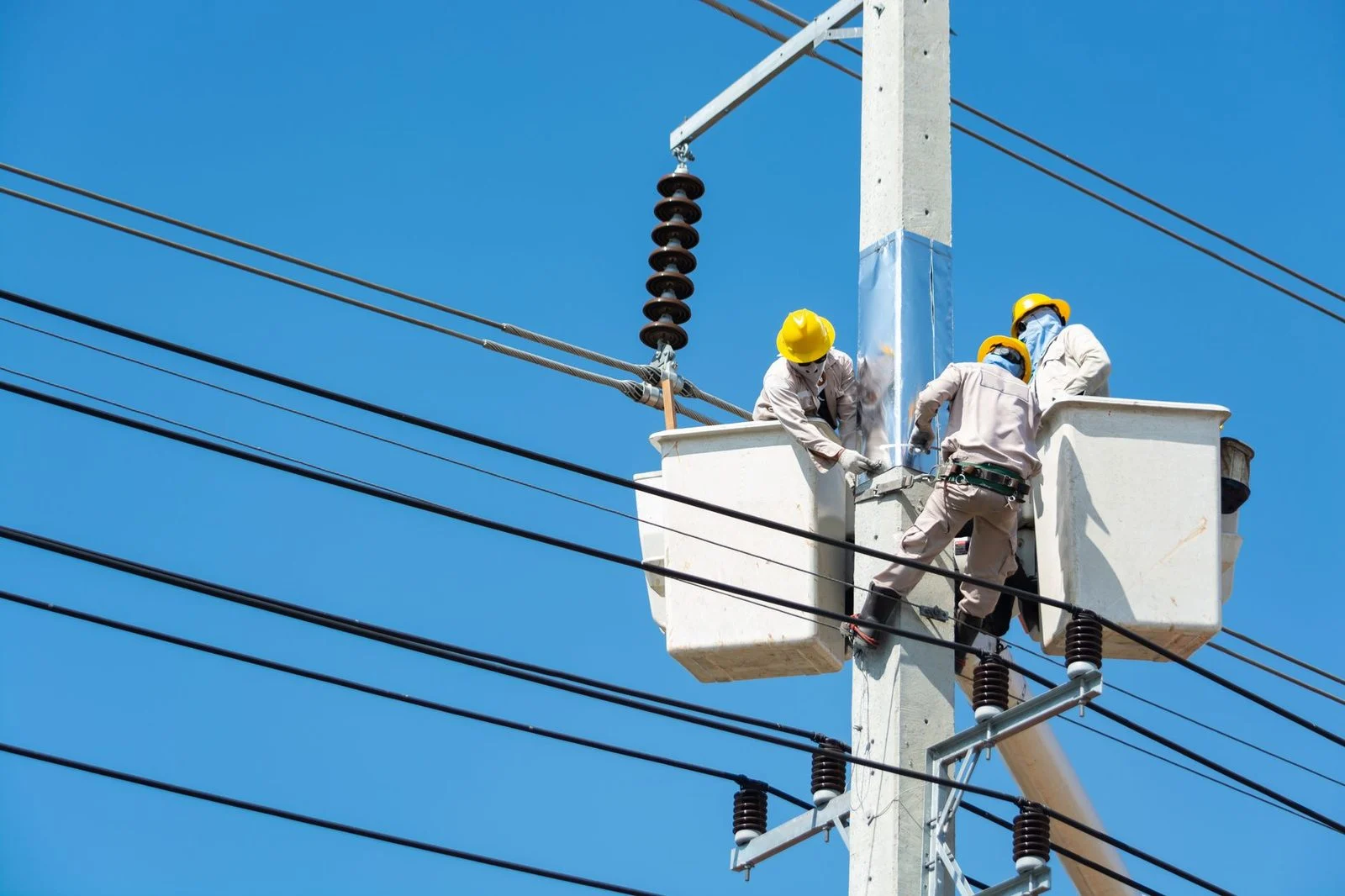
Miami Lakes also sees steady construction and renovation. Crews work near live wires, and passersby can end up in the same space. Residential, commercial, and construction settings each carry different risks. Each one can produce a claim.
For a broader overview, read our main guide to electrocution injuries.
Minor Shocks and Catastrophic Injuries: Why the Difference Matters
Some shocks cause a tingling feeling, a small burn, or a headache. Then the symptoms pass. Other shocks cause injuries that change a person’s life. The difference is not always visible at the scene.
Current often enters the body at one point and leaves at another. This can cause burns at both places. The damage can reach deeper than the skin, into muscle and nerves. Electrical injuries can also affect the heart. Some effects appear hours or days later.
A shock can throw a person off a ladder or roof. This can cause fractures, head injuries, or spinal injuries. In the most serious cases, electrical injuries can lead to amputation, paralysis (loss of movement or feeling in part of the body), severe burns, or death.
FloridaHealthFinder’s electrical injury guide describes the causes, effects, and first-aid steps for electrical injuries.
Anyone who has been shocked should see a doctor, even if they feel fine. Your doctors handle medical questions. Follow the care plan they give you.
Our pages on catastrophic injury claims, severe burn injuries, and amputation injuries cover those outcomes in more detail.
Common Ways Electrocution Happens in Miami Lakes
Most electrocutions happen when current finds a path through a person. That path often runs through a tool, a ladder, or water. Knowing the common settings helps families understand what went wrong.
Overhead lines cause many of these injuries. A person trimming a palm, cleaning a gutter, or pressure washing a roof can touch a line with a ladder or a long tool. Moving a metal ladder near a service line is a common setup.
Downed lines are a major danger after storms. A line in a yard, on a driveway, or in standing water can energize everything around it. Stay far away. Call the power company or 911.
Faulty wiring is another cause. Outlets, pool lights, and pool equipment can fail. This often happens when a known problem goes unrepaired.
Unsafe work sites add more risk. OSHA’s electrical safety pages describe electric shock and electrocution hazards. They also explain the federal standards that address them. OSHA’s arc flash guidance describes arc flash, a sudden electrical blast that can cause burns.
Have questions about what happened?
Ask our team directly. The first conversation is free, confidential, and there is no obligation to continue.
Who May Be Responsible for an Electrical Injury
An electrical injury is not always a simple accident. Often, someone had the chance to prevent it. Here is how that can look.
A property owner may be responsible. This can happen if a pool light is known to be wired badly, and the owner does nothing to repair it or keep people away from it. Lawyers often call this kind of claim premises liability. It concerns what owners owe the people on their property. The broader idea is negligence, which means failing to use reasonable care.
A contractor may be responsible for unsafe work near live wires. For example, a crew may move a ladder or lift into a service line. They may do this without shutting off the power or keeping a safe distance.
An equipment maker may face questions if a product fails during normal use.
An employer may be part of the review when a worker is hurt on a job site.
Whether any particular party is responsible depends on the facts of each case.
Florida’s contractor law also matters. Under Fla. Stat. § 768.0425, a consumer, meaning a person who contracted for a regulated construction or building service, may be entitled to three times the actual compensatory damages sustained. This applies in an action against a contractor for injuries from the contractor’s negligence, malfeasance, or misfeasance. The consumer may also recover costs and attorney’s fees. This applies if the contractor is neither certified as a contractor by the state nor licensed under the laws of the municipality or county where they do business.
Florida Deadlines and Evidence to Preserve After an Electrical Accident
Florida sets time limits for filing injury lawsuits. These deadlines apply to every claim.
Florida’s limitations statute sets these time limits. Deadlines depend on who is being sued and the type of claim. Medical negligence claims follow their own timing rules within the same statute.
Do not assume you still have time. Contact a lawyer promptly so the clock does not run out on your options.
Florida also uses comparative fault rules. These rules split fault among the people involved. Under these rules, in a negligence action, a person found more than 50 percent at fault for their own harm may not recover any damages. This rule does not apply to medical negligence claims under chapter 766.
Evidence matters. Keep these items:
- Photos and video of the scene and the equipment
- The date, time, and exact location
- Names of witnesses
- Utility or fire department incident reports
- Repair or inspection records
- All medical records and bills
Keep the damaged item or wiring if it is safe to do so. Do not repair or discard it before it has been documented. Speak with a lawyer before you discuss fault with an insurer.
When an Electrocution Causes a Death: Support for Families
When an electrocution causes a death, Florida law allows certain family members to pursue a claim. This is called a wrongful death claim. It falls under the Florida Wrongful Death Act.
Nothing can undo that loss. The law does, however, give families a path forward.
Families who have lost someone can talk with a lawyer. A lawyer can explain who may bring a claim and what steps come next. Records and evidence can be lost. Wrongful death claims also have their own deadlines. Talking with a lawyer early helps protect what matters while the family grieves.

How CHG Personal Injury Lawyers Can Help with Electrocution Injuries in Miami Lakes
CHG Personal Injury Lawyers is a Florida-based personal injury firm. It handles electrocution injuries, catastrophic injuries, and wrongful death claims. The firm represents people throughout Florida, including Miami Lakes and Miami-Dade County.
Igor Hernandez is the responsible lawyer for this page. Our lawyers are licensed attorneys admitted in Florida. Our team supports every client we take on. This page has not been approved by The Florida Bar.
The first consultation is free, confidential, and carries no obligation to continue. CHG charges no attorney’s fees or case costs unless there is a recovery.
How long do I have to file an electrocution claim in Florida?
Florida sets time limits for filing injury lawsuits. They apply to every claim. Contact a lawyer promptly so no deadline is missed.
Should I see a doctor if I feel fine after a shock?
Yes. Some effects appear hours or days later. Follow the care plan your doctors give you.
Can a family bring a claim after an electrocution death?
Certain family members may bring a claim under the Florida Wrongful Death Act. Deadlines apply, so speak with a lawyer early.
If a shock or a downed line has left someone you love hurt, in the hospital, or unable to work, you may have a claim worth reviewing. Our team will go over the facts with you at no cost.
Contact CHG Personal Injury Lawyers to schedule your free, confidential first consultation.
Want to know where you stand?
Tell us what happened and our team will walk you through the options available to you, at no cost.
How our Florida firm supports you
Plain-language answers
We explain the legal process in everyday terms so you know what to expect at every step.
Family-centered support
Electrical injuries affect everyone at home. We listen to the whole family and what matters most to them.
Attention to the facts
We look closely at how the shock happened, where it happened, and who controlled the equipment, property, or work area.
Easy first step
Call or reach out online to speak with our team about your situation, at no cost to you.
Do not wait to get medical care
Some electrical injuries look minor at first, but effects such as heart rhythm changes, burns inside the body, nerve damage, or memory problems can appear hours or days later. Seek medical care right away, even if you feel fine, and follow the care plan your doctors give you.
Steps families can take after an electrical accident
1. Get medical care
See a doctor or go to an emergency room as soon as possible. Keep every appointment and follow your doctors' instructions.
2. Protect the evidence
If it is safe to do so, take photos of the scene, the equipment, wiring, outlets, or fixtures involved, and any warning signs.
3. Keep your records
Save medical bills, receipts, work notes, and a written account of what happened while the details are fresh.
4. Speak with our team
Contact our Florida personal injury firm for a free, confidential consultation so we can review your situation with you.