
Electrocution Injuries | Miramar, Florida
Hurt by Electricity in Miramar? Here Is What to Do Next
An electrical shock can cause serious injuries that are not always visible right away. CHG Personal Injury Lawyers helps Miramar and Florida families understand their options after an electrocution injury.
By CHG Lawyers · Published October 23, 2026
Electrocution injuries can start in a single moment for Miramar families. A shock can happen at home, at work, or in a rental. It can change a life in seconds. If someone else’s carelessness caused it, the injured person or their family may have a personal injury claim.
Miramar families may spend time at parks, by pools, and on job sites. This guide explains how these injuries happen, who may be responsible, and what to do next.
CHG Personal Injury Lawyers is a Florida-based firm. We serve people across Florida, including Miramar.
When Electricity Hurts Someone in Miramar
A shock can cause serious harm even when the skin looks fine.
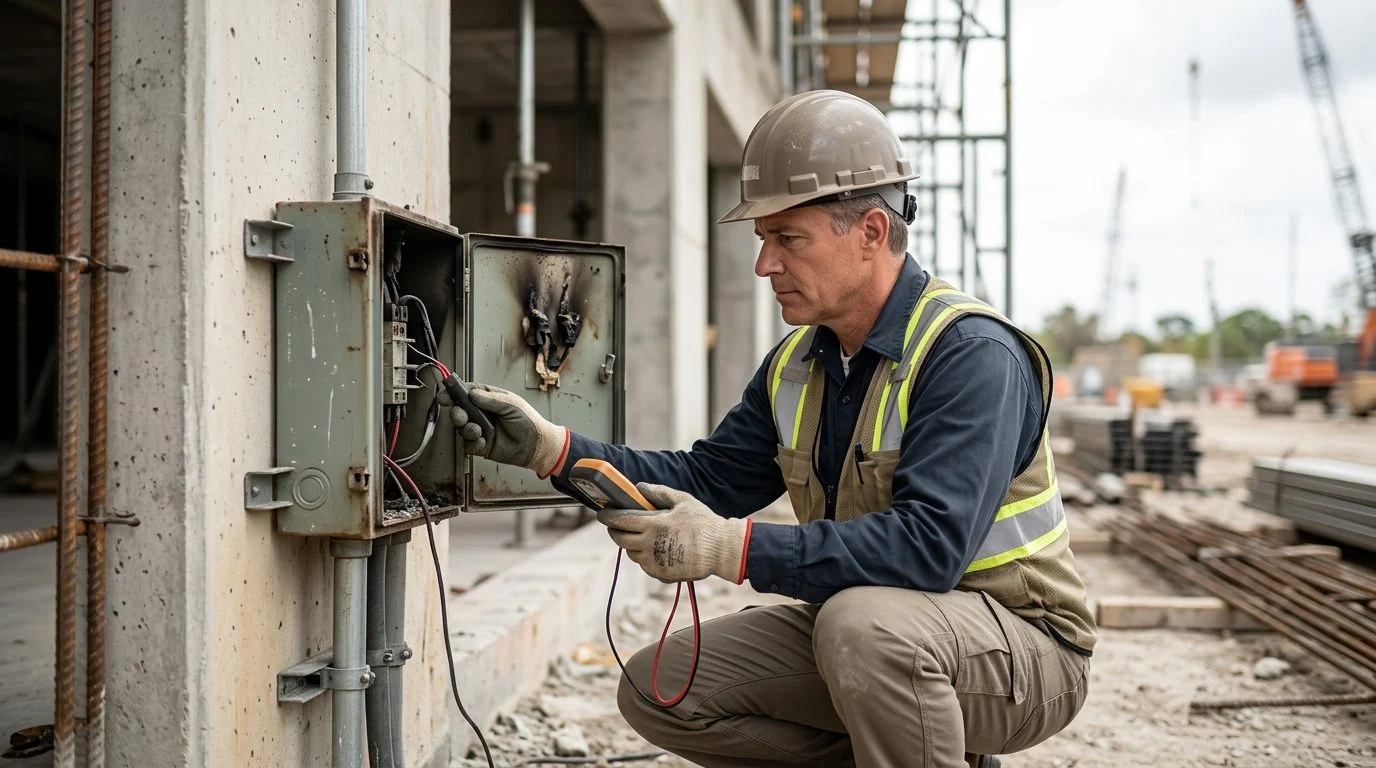
Picture a worker who touches a live wire on a job site. Or picture a renter who grabs a faulty appliance in the kitchen. The contact lasts only seconds. The effects can last much longer.
Electrical current can travel through the body. It may affect the heart, nerves, and muscles. This can happen even when the outside shows only a small mark.
Symptoms can appear hours or days later. Many people assume they are fine once the tingling stops. That assumption can be risky.
Follow your doctors’ care. Attend every follow-up visit. Keep every medical record. Those records protect your health and help show what happened.
A shock or burn can become a personal injury matter. This happens when someone else’s negligence contributed to it. Every injury claim depends on its own facts, so the details of how the injury happened matter.
If you are grieving a loved one lost to electricity, we are here to listen. Talk it through with our team — the first consultation is free, confidential, and carries no obligation.
How Electrocution Happens in Miramar Homes, Businesses, and Job Sites
Electrocution usually happens when a hazard is not fixed, guarded, or kept away from people.
Storm damage. Florida’s summer storms and tropical weather can bring down power lines. Standing water can conduct electricity. Wading near a downed line is extremely dangerous.
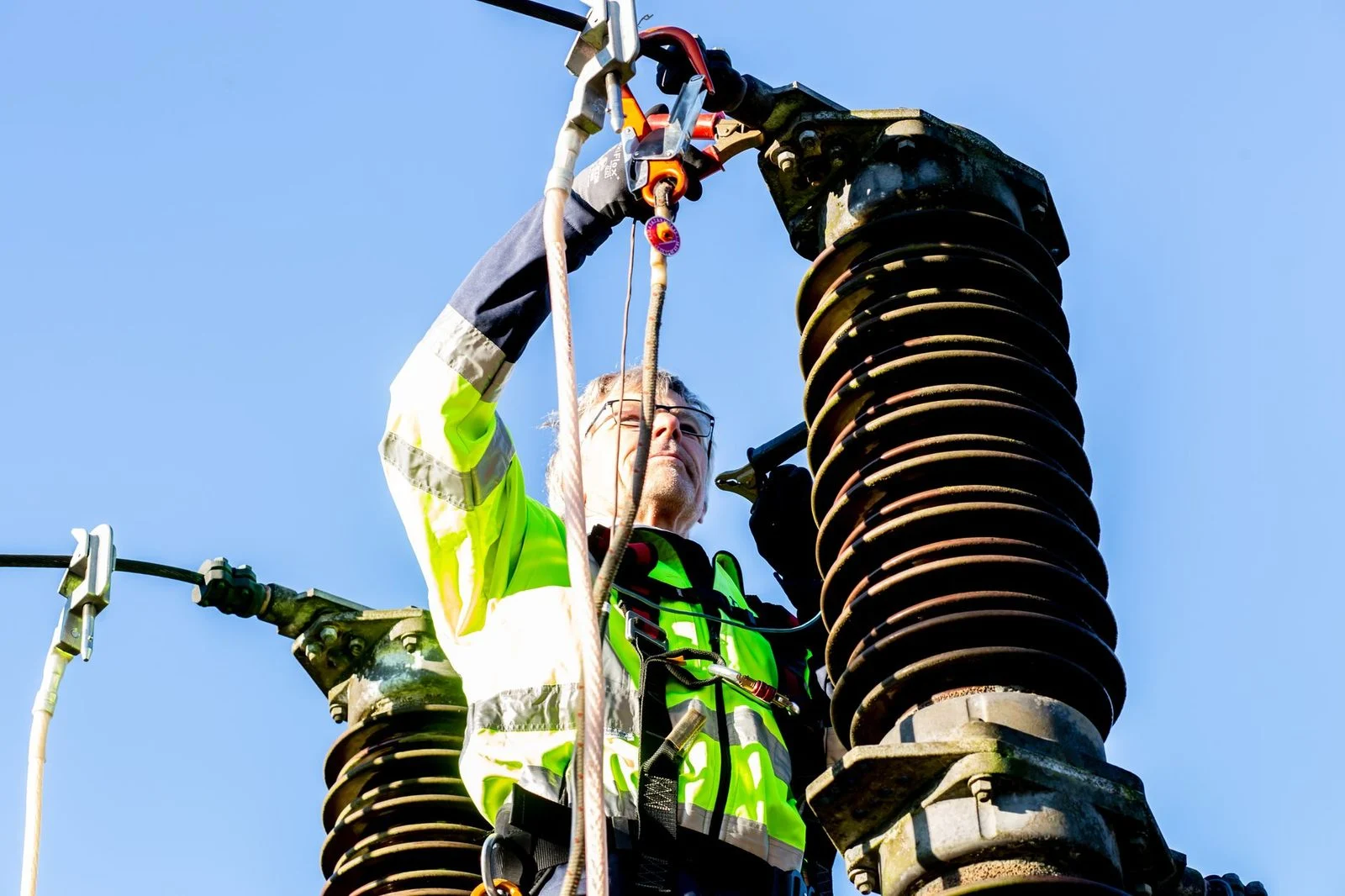
Construction and delivery work. Cranes, ladders, scaffolding, trucks, and long metal tools can touch overhead lines. This risk can show up on construction and delivery jobs.
Old or faulty wiring. Exposed outlets, damaged cords, and unsafe repairs can turn an everyday task into a shock. This happens in rental units, shops, and older buildings.
Pools, spas, and outdoor lights. Electrical problems near water can create serious risks. So can faulty outdoor lighting at homes, hotels, and rental properties.
Some hazards may be known to the owner or employer before anyone gets hurt. That is why the question of who knew about a hazard matters so much.
Who May Be Responsible After an Electrical Injury
Electrical injuries can involve more than one party. Responsibility can rest with whoever had the duty to prevent the hazard.
Property owners and landlords may be responsible.
Contractors, electricians, and employers may be responsible. They may answer for the work site, the equipment, and safety procedures.
In some situations, a utility company or equipment maker may also be involved.
Responsibility depends on the facts. Who was negligent? And how did that negligence cause the harm?
Florida also uses a fault-sharing rule. Florida’s fault-sharing rule generally means each party pays based on its own percentage of fault, and the court generally does not hold each party responsible for the full amount (Fla. Stat. § 768.81). In a negligence action, a party found more than 50 percent at fault for his or her own harm may not recover any damages. This rule does not apply to an action for personal injury or wrongful death arising out of medical negligence under chapter 766 (Fla. Stat. § 768.81).
If you were hurt at work, Florida’s workers’ compensation system may apply. Workers’ compensation is the state system that covers job injuries. Florida law generally makes it the only remedy against an employer, in place of all other liability, with some listed exceptions (Fla. Stat. § 440.11).
Florida Deadlines and Evidence to Protect Now
Florida sets filing deadlines for injury lawsuits. Time matters. These deadlines are set by statute, including Fla. Stat. § 95.11. Waiting can limit your options. Act early.
Start gathering evidence while it is still fresh. If it is safe, photograph the following:
- The scene
- The equipment
- Any damaged wiring
Keep the clothing or tools involved. Save texts, emails, repair requests, and lease records. These records can show who knew about a hazard and when.
Get medical care. Keep discharge papers, bills, and follow-up notes in one folder. Follow your doctors’ care closely.
Pause before giving a recorded statement to an insurance adjuster. An adjuster is the insurance company’s claims representative. Adjusters work for insurance companies, not for you. Facing an insurer alone can feel like swimming against a rip current.
Many people also throw away damaged equipment. Others post about the accident online. Both choices can complicate a claim.
Not sure what your next step is?
Talk it through with our team — the first consultation is free, confidential, and carries no obligation.
When an Electrocution Causes a Death: Support for the Family
Florida law allows a wrongful death claim. This applies when another person’s negligence causes a death. Losing someone to electricity is a devastating loss. The law focuses on the family left behind.
The claim is brought by the decedent’s personal representative. A decedent is the person who died. The personal representative acts for that person’s estate. The claim benefits the survivors and the estate (Fla. Stat. § 768.20).
Here is how the law applies to family members:
- A surviving spouse may recover for lost companionship and for mental pain and suffering.
- Parents of a deceased minor child may recover for mental pain and suffering (Fla. Stat. § 768.21).
A survivor who has paid medical or funeral expenses may also recover them.
Keep your loved one’s medical records, funeral bills, incident reports, and any photos from the scene. Pause before accepting any insurance offer, even a quick one.
Take care of yourselves, too. You do not have to carry this alone.
Talk With CHG Personal Injury Lawyers About Your Miramar Electrocution Case
CHG Personal Injury Lawyers is a Florida-based personal injury firm. We handle electrocution cases for people across Florida, including Miramar. Igor Hernandez is the responsible lawyer for this page. Our team includes licensed attorneys admitted to The Florida Bar. We also serve people in nearby cities such as Pembroke Pines, Davie, Pompano Beach, and Plantation.
Our electrocution injuries overview explains more about the injuries and claims we handle.
Remember that the firm charges no attorney’s fees and no case costs unless there is a recovery. Your first consultation is free, confidential, and without obligation.
If a shock or burn still affects your work or your health, reach out to our team. If you are grieving a loved one lost to electricity, we are here to listen. Contact our team to talk through what comes next.

Frequently Asked Questions
What should I do after an electrical shock or electrocution injury in Miramar?
Get medical care right away, even if you feel fine. Some electrical injuries, including heart and nerve damage, can appear hours or days later. Follow your doctors’ care and keep records of every visit. Then contact CHG Personal Injury Lawyers promptly to learn about your options.
Can I make a claim if I was shocked by faulty wiring or equipment at a property in Miramar?
You may have a claim if someone’s negligence caused your injury. Examples include a property owner’s failure to repair dangerous wiring or a contractor’s unsafe work. Florida law sets deadlines for filing these claims. Contact CHG Personal Injury Lawyers as soon as possible to have your situation reviewed.
Who can be held responsible for an electrocution injury?
Depending on the facts, responsibility may fall on a property owner, a landlord, a contractor, an employer, or an equipment manufacturer. Each case turns on how and where the shock happened. That is why a lawyer reviews the details of each incident individually.
How do I find out whether CHG Personal Injury Lawyers can help with my electrocution injury case?
You can request a free first consultation. It is confidential and carries no obligation to continue. CHG charges no attorney’s fees and no case costs unless there is a recovery.
Have questions about what happened?
Ask our team directly. The first conversation is free, confidential, and there is no obligation to continue.
How We Can Help
Serving Miramar and Florida
CHG Personal Injury Lawyers is a Florida-based firm. We represent people hurt in electrical accidents throughout Miramar and communities across the state.
Licensed Attorneys
Our attorneys are licensed and admitted to practice law in Florida.
Free, Confidential Consultation
Your first consultation is free, confidential, and carries no obligation to continue. Talking with us is a simple first step.
No Fees Unless There Is a Recovery
Under our fee terms, CHG charges no attorney’s fees and no case costs unless there is a recovery. Our team will explain how this works before you decide anything.
Important: Get Medical Care Right Away
Seek medical attention after any electrical shock, even if you feel fine. Some electrical injuries, including heart and nerve damage, can appear hours or days later. Follow your doctors' care and keep records of every visit.
Steps to Take After an Electrical Injury
1. Get Medical Care
Go to a doctor or emergency room as soon as you can. Describe the shock, the voltage or equipment involved if you know it, and every symptom, however small.
2. Document the Scene
If it is safe, take photos of the wiring, outlet, equipment, or property where the shock happened. Write down the date, time, and who was present.
3. Keep Your Records
Save medical bills, prescriptions, work notes, and any letters from insurers or property owners. Organized records help your claim.
4. Contact a Lawyer Promptly
Legal deadlines apply to injury claims. Contact CHG Personal Injury Lawyers early so we can review what happened and explain your options.