
Electrocution Injuries | North Miami, Florida
Hurt by Electricity in North Miami? You Don't Have to Face the Aftermath Alone
Electrical injuries can change a family's life in an instant.
Why Families Contact Our Firm
Florida
Florida-based firm serving clients throughout the state
Licensed
Attorneys admitted to The Florida Bar
Free
Confidential first consultation with no obligation to continue
No Fees
No attorney's fees or case costs unless there is a recovery
By CHG Lawyers · Published October 23, 2026
Electrocution Injuries in North Miami: What to Know After an Electrical Accident
Electrocution injuries can happen to North Miami families in a second. A cord fails. A wire is exposed. A pool light goes wrong. In that moment, a life can change.
Electrical current can burn the skin. It can also affect the heart, nerves, and muscles.
This page explains how these injuries happen in North Miami and across Miami-Dade County. It covers why they can be more serious than they look. It also covers who may be responsible, based on the facts. And it explains what Florida deadlines mean for families.
This is general information. It does not replace care from a doctor. Please follow your doctors’ care and treatment plans.
CHG Personal Injury Lawyers is a Florida personal injury firm. We represent people across Florida, including people in North Miami. Our lawyers are admitted to The Florida Bar. Igor Hernandez is the responsible lawyer for this page.
Going up against an insurance company alone can feel like a Miami Dolphins drive with no timeouts left. You do not have to sort out the next steps by yourself.
Not sure what your next step is?
Talk it through with our team — the first consultation is free, confidential, and carries no obligation.
How Electrocution Injuries Happen in North Miami Homes, Yards, and Job Sites
Most electrocution injuries start with water, damaged wiring, or a power source a person did not expect. Here are the common ways these injuries happen in our area.
Wet conditions. Florida’s rain and humidity are hard on electrical parts. Sprinkler spray can reach outlets, extension cords, and outdoor fixtures. Miami-Dade County’s electrical safety tips describe shock risks from water and wiring.
Old wiring and overloaded outlets. Older homes and apartment buildings may not handle today’s appliances well. Cords that run under rugs or through doorways wear out faster. Overloaded power strips can overheat.
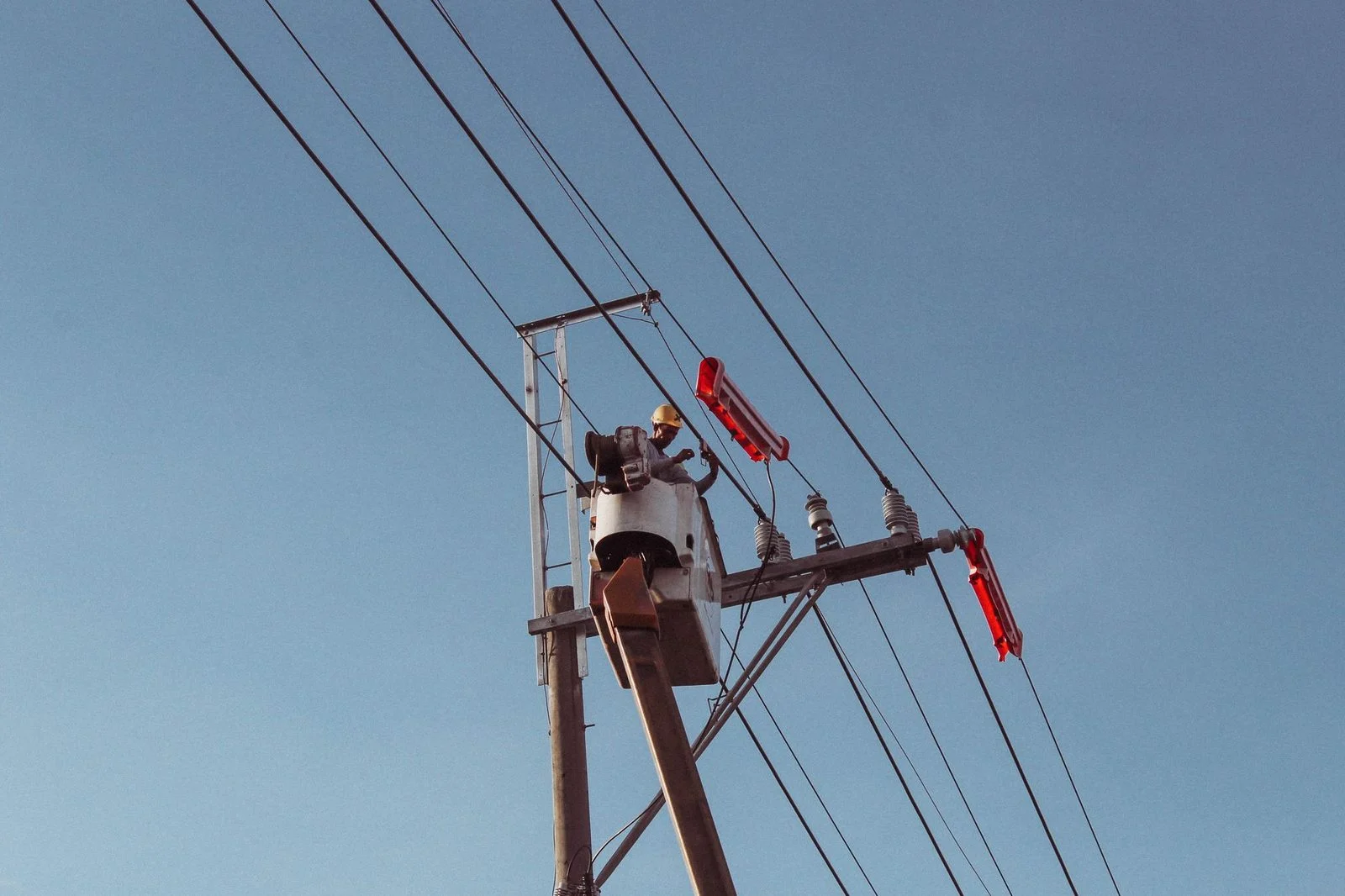
Overhead and downed power lines. Trimming trees, roofing, painting, pressure washing, and moving ladders or tall poles can bring a person close to an overhead line. A line that comes down during a storm is just as dangerous.
Lightning and storm damage. Florida’s storm season brings lightning. A tree or pole struck by lightning can fall onto a line, a car, or a person nearby.
Pools and pool equipment. Pumps, lights, and nearby wiring must stay in safe condition. Water and electricity leave little room for error.
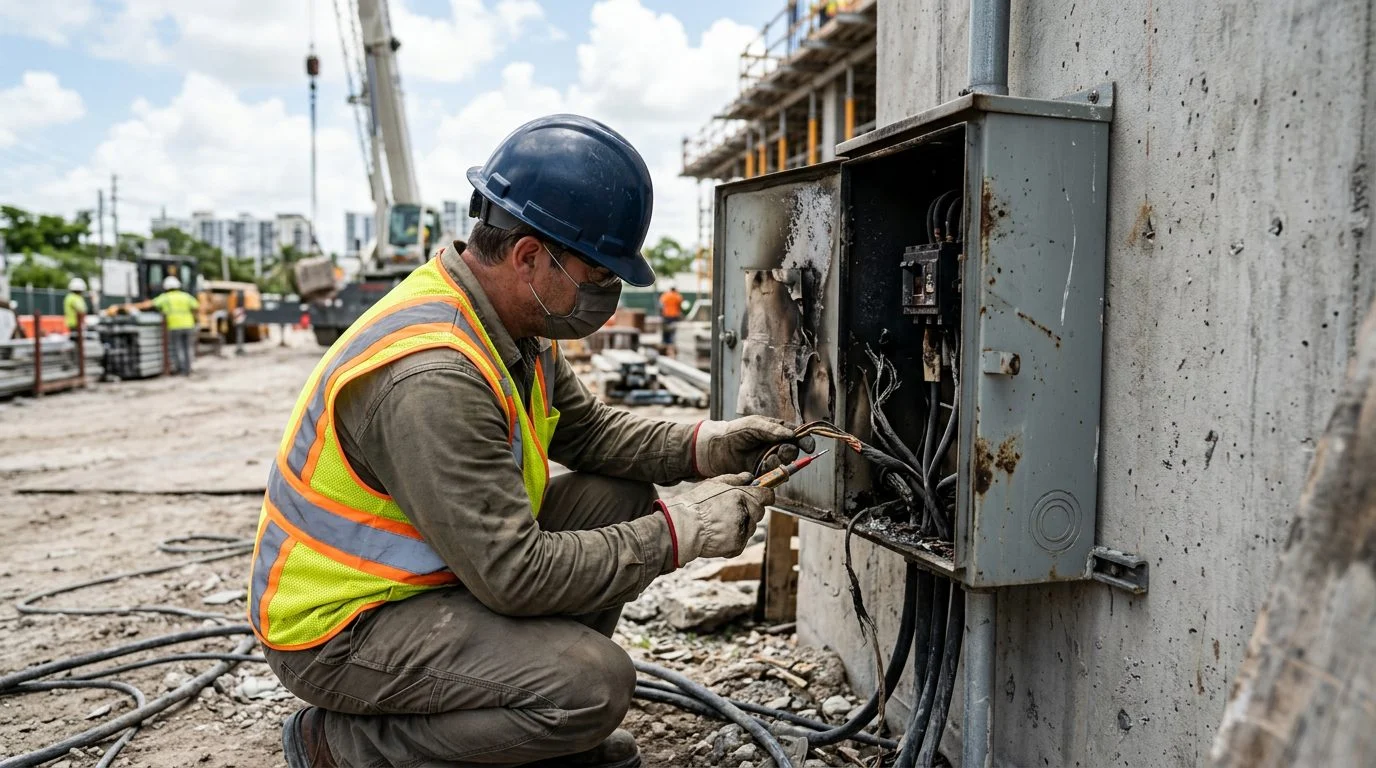
Construction zones. Temporary power, unlabeled wires, and missing grounding (a path that sends stray electricity safely into the ground) can expose workers and people walking past. OSHA’s electrical hazards guidance explains how electric shock and electrocution happen on the job.
Many people assume a serious shock needs a dramatic cause. Often it comes from something ordinary. A cord with a cracked outer covering may look fine, but it can still be dangerous.
Why an Electrical Injury Can Be More Serious Than It Looks
An electrical injury can cause harm inside the body. This can happen even when the skin looks only lightly marked.
Electricity can enter the body at one point and leave at another. That leaves burns at both places. FloridaHealthFinder’s electrical injury entry describes how electric current can damage the body in several ways.
Electric current can affect the heart’s rhythm, the nerves, the muscles, and breathing. That is why any serious shock needs emergency evaluation. This is true even if the person seems to be doing fine. Call 911 right away for a serious shock.
Some effects do not show up right away. Symptoms can appear hours or days later. Follow-up care matters, even when a person feels better at first.
If you were hurt by an electrical burn, our page on severe burn injuries explains the medical and legal picture in more detail. This page is general information, not medical advice. Please follow your doctors’ care and treatment plans.
Who May Be Responsible for an Electrocution Injury in Florida
Responsibility depends on who controlled the property, equipment, or work when the injury happened. The facts of each accident decide who may be responsible.
Property owners and landlords. Under premises liability (the duty property owners owe to people on their land), an owner may be responsible. This can include wiring, outlets, pool equipment, or shared areas that were not kept in reasonable condition.
Contractors and electricians. A contractor’s work, shortcuts, or missing safety steps may have contributed to an injury. These are questions to evaluate based on the facts.
Utilities and other third parties. A downed or damaged line may involve a utility company or another party. These are allegations to examine, not conclusions.
Equipment and product makers. When a product is alleged to have caused a shock, the maker may be part of the claim. That is an allegation until the facts are reviewed.
Florida also uses comparative fault (shared fault). Under Florida’s comparative fault statute, in a negligence action, a party found more than 50 percent at fault for his or her own harm may not recover any damages. This rule does not apply to an action for personal injury or wrongful death arising out of medical negligence. Shared fault can change the result. So the details matter.
Workers face a separate path. Florida’s workers’ compensation law generally makes an employer’s liability exclusive. That means it takes the place of other liability to the employee. A hurt worker may still have a claim against someone else, depending on the facts.
Have questions about what happened?
Ask our team directly. The first conversation is free, confidential, and there is no obligation to continue.
Florida Deadlines and Why Timing Matters After an Electrical Injury
Florida sets time limits for filing lawsuits. These are called statutes of limitations (laws that set filing deadlines). Legal deadlines can affect electrical injury claims, so it is important to contact a lawyer promptly. The rules are set out in Florida’s limitations statute.
Florida’s computation of time rules say the time generally runs from when the cause of action accrues. In plain terms, the clock generally starts when the last element of the claim occurs. An element is one required part of a claim.
Other rules can apply. Product claims have their own time rules, including outer limits. Claims against a government agency follow separate rules under Florida’s government claims statute.
Deadlines apply even when a family is still dealing with medical care. Evidence can also disappear. Damaged cords, appliances, clothing, photos, and witness names can change or be lost. Keeping these items safe helps. Acting promptly helps too. A consultation can review what evidence matters in your case.
Electrical Safety Steps That Lower Risk at Home and at Work
The safest steps are keeping electricity away from water, fixing damaged parts, and keeping tools and ladders away from lines. Small habits make a real difference.
- Keep water away from electricity. Move appliances, cords, and outlets away from standing water and sprinkler spray.
- Do not use damaged equipment. Do not use cords or fixtures that are cracked, warm to the touch, sparking, or flickering. Have them checked first.
- Get wiring checked. Have aging or faulty wiring inspected and repaired by a licensed electrician.
- Match bulbs and loads. Use the right bulb wattage for each fixture. Do not overload outlets or power strips.
- Respect downed lines. Keep well back from any downed line. Call 911 and the utility company. Do not touch a person who is still in contact with a power source.
- Keep equipment clear of lines. Keep ladders, poles, and tall tools away from overhead lines during yard, roof, and tree work.
Workplace guidance is available from OSHA’s arc flash hazards page. It explains how electrical arcs (bursts of electricity that jump through the air) can cause burns. Follow your employer’s safety rules and any instructions from your doctor.
Talk With CHG Personal Injury Lawyers About Your North Miami Electrical Injury
If someone you love was shocked, burned, or electrocuted in North Miami, you do not have to figure out what happened alone. Our team can review the facts. That includes where the accident happened and who controlled the property, equipment, or work.
Igor Hernandez is the responsible lawyer for this page. The initial consultation is free, confidential, and comes with no obligation to continue. CHG charges no attorney’s fees and no case costs unless there is a recovery.
The firm also serves nearby communities. These include North Miami Beach, Cutler Bay, and The Hammocks.
If a shock at your North Miami home, a burn on a job site, or an injury from a downed line has changed your family’s life, reach out to CHG Personal Injury Lawyers. Talk through what comes next.

Want to know where you stand?
Tell us what happened and our team will walk you through the options available to you, at no cost.
Frequently Asked Questions
What causes electrocution injuries in North Miami?
Electrocution injuries often happen after contact with downed or overhead power lines, faulty wiring, damaged outlets, or unsafe work sites near energized equipment. Electrical products that may be defective, and poorly maintained property, can also cause them.
Can I make a claim if I was electrocuted on someone else’s property?
You may have a claim if the property owner or another party failed to keep wiring, fixtures, or equipment safe. You may also have a claim if they failed to warn people about a known hazard. Every case depends on its facts. A lawyer can review what happened and explain your options.
How long do I have to file an electrocution injury claim in Florida?
Florida law generally sets a two-year deadline for most negligence claims. Some situations, including wrongful death claims, have different deadlines. Because deadlines can be strict, contact CHG Personal Injury Lawyers promptly after an injury.
What should I do after an electrical injury?
Get medical care right away, even if you feel fine. Some effects of electrical shock can appear later. Follow your doctors’ care. Keep records of your treatment and expenses. Then contact CHG Personal Injury Lawyers for a free, confidential first consultation with no obligation to continue.
Common Situations Behind Electrical Injuries
Downed or Overhead Power Lines
Contact with a fallen or energized line, including during storms, construction, or tree work, can cause severe burns, cardiac injury, and falls.
Faulty Wiring and Damaged Outlets
Exposed wires, overloaded circuits, and damaged outlets in apartments, rental homes, and commercial buildings can cause serious shocks.
Unsafe Work Sites
Workers and bystanders near energized equipment, ladders, or cranes can be injured when safety barriers, lockout steps, or warnings are missing.
Defective Electrical Products
Appliances, tools, and cords that fail during normal use may lead to electrical injuries. Claims involving these products are often reviewed alongside the injured person's account and records.
Safety First
If you see a downed power line, stay at least 30 feet away, keep others back, and call 911 and your utility company right away. Do not touch a person who is still in contact with a live source. Seek medical care right away, even if the injuries seem minor, and follow your doctors' care.
How We Can Help
Free First Consultation
Call or reach out to discuss what happened in a confidential, no-obligation conversation.
Review of the Facts
We help gather the records, reports, and photos that describe how the injury occurred and who may be responsible.
Focus on Your Family
We understand that medical treatment, lost income, and daily life all matter. We keep you informed at every step.
Clear Terms on Fees
No attorney's fees or case costs unless there is a recovery. We explain how the process works before you decide.
Florida Experience
Our attorneys represent people throughout Florida, including North Miami and Miami-Dade County.