
Electrocution Injuries | Orlando, Florida
An Electrical Injury Can Change Your Life in an Instant. You Do Not Have to Face the Aftermath Alone.
CHG Personal Injury Lawyers helps Orlando and Florida families understand what happened, who may be responsible, and what they can do next after an electrocution injury.
Why Families Contact CHG
Florida
Florida-based personal injury firm serving Orlando and communities statewide
Licensed
Attorneys admitted to the Florida Bar
Free
Confidential first consultation with no obligation to continue
By CHG Lawyers · Published October 23, 2026
Electrocution Injuries Orlando: What to Do After a Shock
An electrical injury happens when electric current passes through a person’s body. The shock can be brief and mild. It can also be life-threatening.
Electrocution injuries happen to Orlando residents in rental homes, on job sites, in hotels and parking garages, and around the city’s lakes and outdoor spaces. This guide explains what happens in the body. It also explains what to do next. It covers which Florida rules may affect your options.
Not sure what your next step is?
Talk it through with our team — the first consultation is free, confidential, and carries no obligation.
Electrical Injuries in Everyday Orlando Settings
Most electrical injuries do not happen in a laboratory or a power plant. They happen in ordinary places. Here are some common examples.
A rental home. A tenant plugs a space heater into a cracked bathroom outlet. The current throws the tenant backward. The landlord had been told about the outlet weeks earlier.
- Get a medical check.
- Take photos of the outlet and cord before anyone repairs or removes them.
- Send a written report to the landlord. Keep a copy.
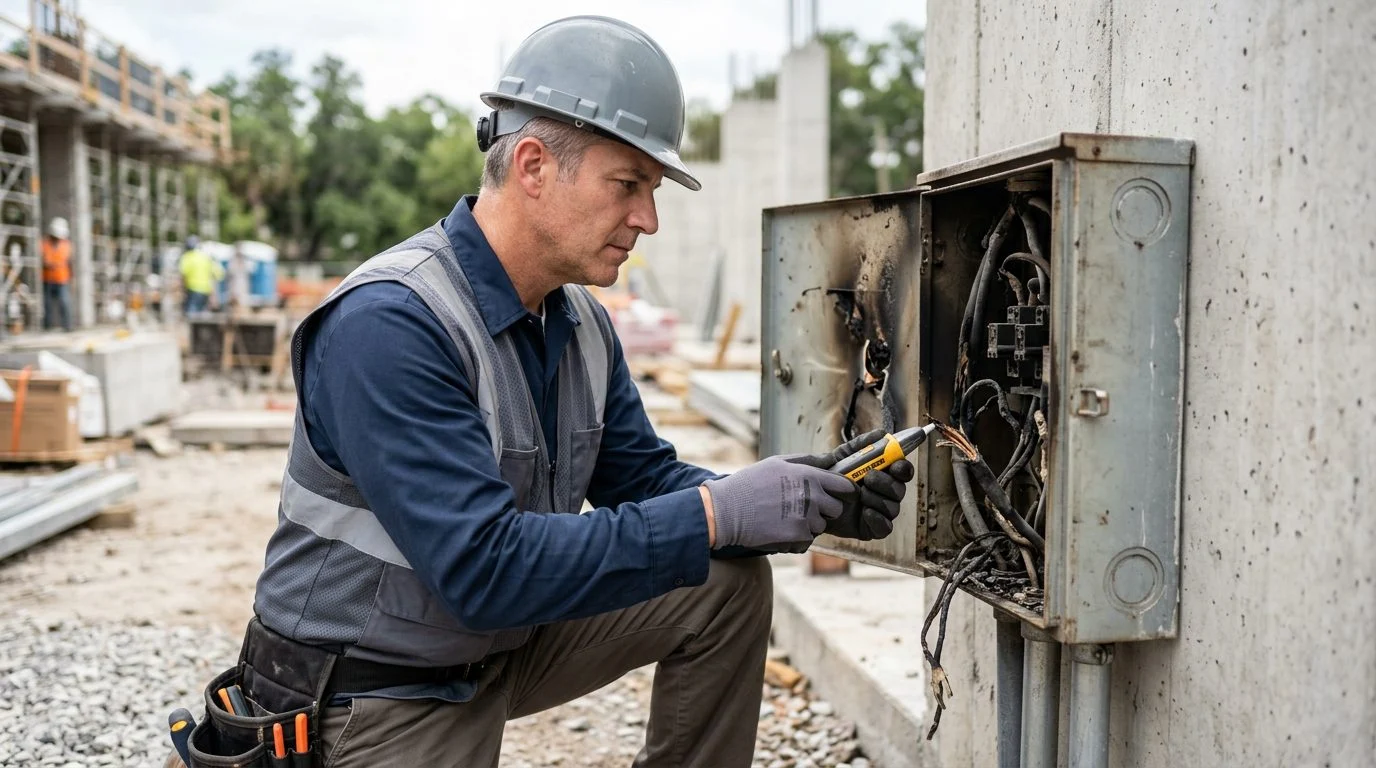
A job site. A worker’s metal ladder or pole touches an overhead line near a building project.
- Get emergency care.
- Write down the names of crew members who saw what happened.
- Keep a copy of any incident report your employer gives you.
Workplace claims follow a different path. Ask about your options early.
A hotel or parking structure. A guest touches a metal light fixture or a wet outlet in a garage. Property owners and managers control those systems. The steps are the same. Get checked by a doctor. Photograph the location and note the time. Write down the names of anyone nearby.
Outdoor work and waterside spaces. A landscaper uses a metal tool near a power line. Or a guest is shocked at a pool, spa, or dock. A storm may have damaged the outdoor outlet. Treat any fallen line as live. Stay back and call 911.
In each case, two steps protect your health and your claim:
- Get medical care.
- Document and preserve what you can.
What Is an Electrocution Incident?
An electrocution incident happens when electrical current enters the body and causes harm. The current can come from an outlet, a cord, a tool, a wire, or a power line.
Severity depends on three things:
- The path the current takes through the body
- How much current flows
- How long contact lasts
A small jolt may leave little mark on the skin. A stronger current can cause deep burns and heart problems. A PMC medical review of electrical injuries describes these effects. It also stresses prompt emergency evaluation.
Visible damage often understates what is happening inside the body. Current can travel along paths that are hard to see. A person may look fine and still need a medical check.
What to Do After a Mild Electric Shock
After a mild shock, get a medical evaluation, even if you feel fine. Some effects do not appear right away.
Call 911 right away if the person:
- Does not respond
- Has trouble breathing or chest pain
- Seems confused
- Was shocked by a high-voltage line
Stay away from downed wires. Do not touch anyone still in contact with the power source. The FloridaHealthFinder electrical injury entry covers symptoms and first aid for electric shock.
Follow the care your doctors recommend. Keep every follow-up appointment. Your medical records become important proof later.
Document the scene while you can:
- Photograph the outlet, cord, wire, or equipment, and the area around it.
- Note the location, the time, and what you were doing.
- Write down the names and phone numbers of witnesses.
- Report the incident in writing to the property owner, employer, or utility. Keep a copy.
What Injuries Can Electrical Shock Cause?
Electrical shock can cause burns, heart rhythm problems, nerve and muscle injuries, and injuries from falls. The heart and nervous system are the systems most often affected. The heart is usually the most urgent concern.
Burns are common. Current enters the body at one point and exits at another. Each burn can be deeper than the surface suggests.
Heart rhythm problems are the most immediate danger. This is the main reason medical monitoring matters after a shock. It matters even when the person seems calm.
Nerve and muscle injuries can cause numbness, weakness, or pain. These symptoms can develop or change over time. The PMC review also lists breathing (respiratory), kidney, and eye effects among the possible outcomes.
Falls are another risk. A person thrown or startled by a shock may hit the head, back, or neck. Head injuries, spinal injuries, and broken bones can follow.
Electrocution Injuries Orlando: Risks in Central Florida
Storms, construction, water features, and older buildings all raise electrical risk in the Orlando area.
- Storms. Florida’s storm season can bring downed power lines, flooded areas, and damaged outdoor wiring. Treat any fallen line as live.
- Construction. Construction is active across the Orlando area. Cranes, scaffolding, and tools that touch overhead lines are a known hazard on job sites.
- Recreation. Tourist and recreation settings often combine water, lighting, and outdoor equipment. Pools, spas, screened lanais (porches), marinas, and lakeside docks may have outdoor outlets and fixtures near water.
- Older buildings. Older rental housing and commercial buildings may have wiring, panels, or fixtures that were never maintained. Tenants and visitors usually have no control over those systems.
Have questions about what happened?
Ask our team directly. The first conversation is free, confidential, and there is no obligation to continue.
Who May Be Responsible for an Electrical Injury
Responsibility depends on who controlled the wiring, the lines, the work, or the equipment. More than one party can share responsibility.
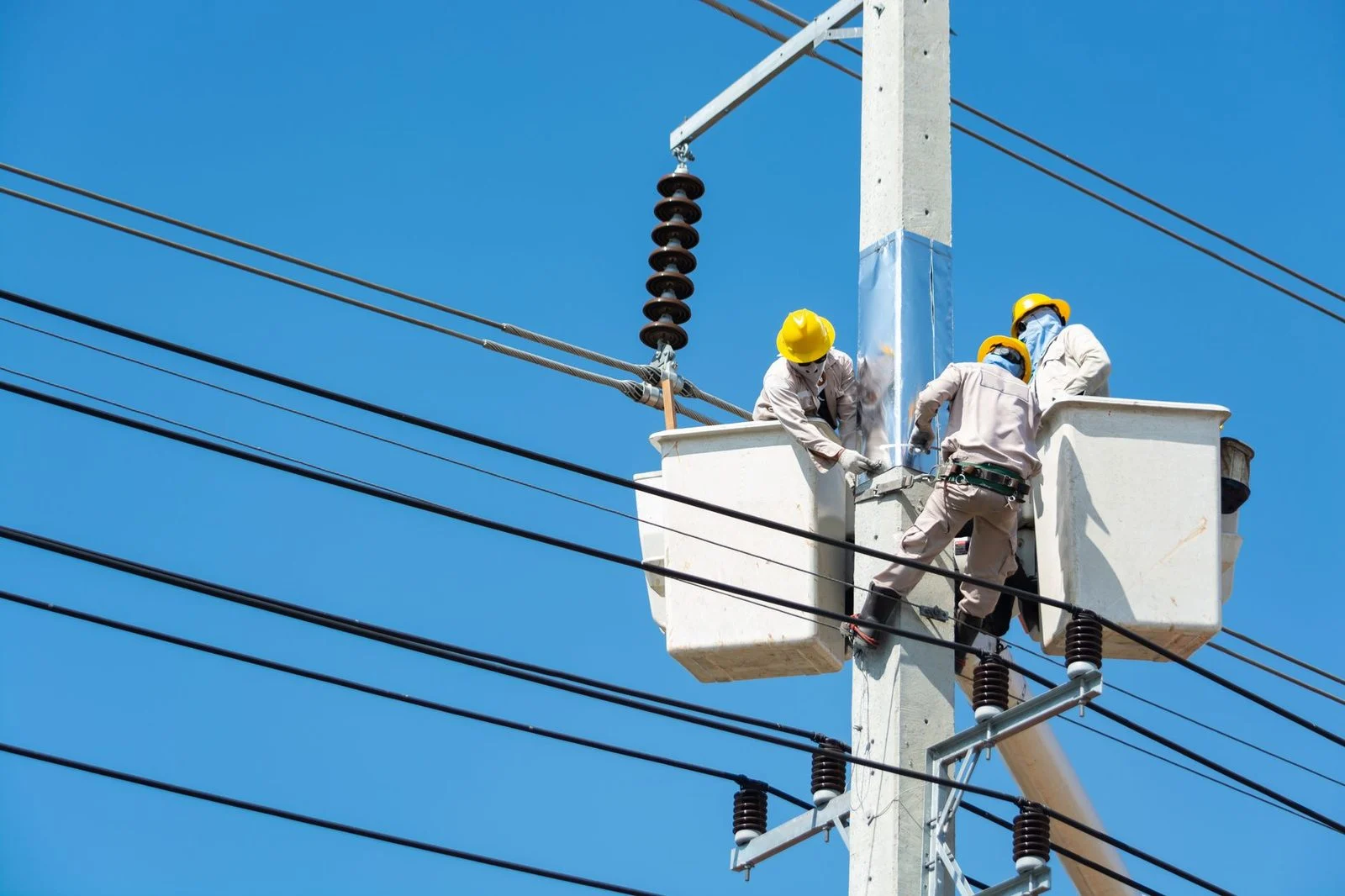
Utility companies may be responsible for downed lines or maintenance failures. Which utility is involved depends on the address and the location of the line.
Contractors and subcontractors may be responsible when their work near energized lines or wiring caused the shock. Florida law sets extra damages in some contractor cases.
Compensatory damages are payments for real losses, such as medical bills and lost pay.
Property owners and landlords may be responsible for wiring, outlets, and maintenance in rentals, businesses, hotels, and common areas.
Equipment makers may be responsible when a product is alleged to have caused the shock.
Workplace electrocutions follow a different path. Workers’ compensation is the state system that pays for work injuries. It is generally the first route against an employer. An employer’s liability is generally limited. A claim against an outside party, such as an equipment maker, may still be possible.
If You Were Partly at Fault
Many people worry that any share of blame will end their claim. Florida law does not work that way in every case.
Under Fla. Stat. § 768.81, in a negligence action, fault that the injured person shares proportionately reduces the amount awarded as economic and noneconomic damages. It does not bar recovery, subject to subsection (6).
Subsection (6) is the exception. It says a party found more than 50 percent at fault for his or her own harm may not recover any damages. This exception does not apply to a personal injury or wrongful death action arising out of medical negligence under chapter 766.
In simple terms:
- A smaller share of fault lowers an award.
- It does not automatically bar one.
The section also says that when a defective product is alleged to have made injuries worse, the trier of fact (the judge or jury) considers the fault of all persons who contributed to the accident. How fault is divided depends on the facts of your case. No result can be promised. This is one reason early evidence matters.
Florida Deadlines and the Proof That Matters
Florida sets time limits for filing lawsuits. Timing matters. Under Fla. Stat. § 95.11, the time limits for civil actions are set out in the statute. Deadlines apply. Do not assume you have time to wait.
Evidence matters most early. Useful proof includes:
- Photos and video of the scene and equipment
- Medical records and treatment notes
- Outage or incident reports
- Maintenance and inspection records
- Witness contact information
When a shock is fatal, Florida law allows a claim for the family under its Wrongful Death Act. This law lets surviving family members seek recovery after a death caused by another’s wrongful act. The type of claim and what it may recover depend on each family’s circumstances. The surviving family members are the ones who can take the next step.

Talk With CHG About Your Electrical Injury in Orlando
If you were shocked, burned, or electrocuted, and you are weighing your next step, CHG Personal Injury Lawyers can help. The firm offers a free, confidential initial consultation with no obligation to continue.
CHG is a Florida-based personal injury firm serving Orlando and Central Florida. Igor Hernandez is the responsible lawyer for this page. CHG charges no attorney’s fees and no case costs unless there is a recovery.
Can an electric shock hurt me if I feel fine?
Yes. Some effects, including heart rhythm problems and internal injury, may not appear right away. Follow your doctors’ care.
Can electrocution injuries in Orlando lead to a legal claim?
They can, depending on who controlled the wiring, the lines, or the work. Deadlines apply, so act promptly.
Can I file a claim if I was electrocuted at work?
Workers’ compensation is generally the first route against an employer. Claims against outside parties may still be possible.
If electrocution injuries have left you or someone you love facing hard decisions, reach out to CHG Personal Injury Lawyers through our contact page. Schedule your free initial consultation.
Want to know where you stand?
Tell us what happened and our team will walk you through the options available to you, at no cost.
How Our Team Supports You
We Start With You
Our team takes time to understand your injuries, your daily life, and the concerns of your family before anything else.
We Look at Who Controlled the Electricity
Electrical injuries can involve property owners, contractors, utility-related equipment, or product issues. Our lawyers review the facts to understand what happened.
We Keep Families Informed
We explain the process in plain language, so you always know where your case stands and what the next step is.
No Fees Unless There Is a Recovery
CHG charges no attorney's fees and no case costs unless there is a recovery.
Important: Do Not Wait
Some effects of an electric shock, including heart rhythm problems and internal injuries, may not appear right away. Follow your doctors' care, keep every medical record, and contact a lawyer promptly. Legal deadlines apply.
Steps to Take After an Electrical Injury
Get Medical Care
Follow your doctors' care and keep copies of all records, test results, and bills, even for symptoms that seem minor.
Document the Scene
If you can do so safely, take photos or notes of the location, equipment, wiring, warning signs, and anything that may have contributed to the shock.
Keep Evidence
Save damaged tools, clothing, or devices, and avoid repairing or discarding them until you have spoken with a lawyer.
Contact CHG
Reach out for a free, confidential consultation with no obligation. Our team can explain your options under Florida law.