
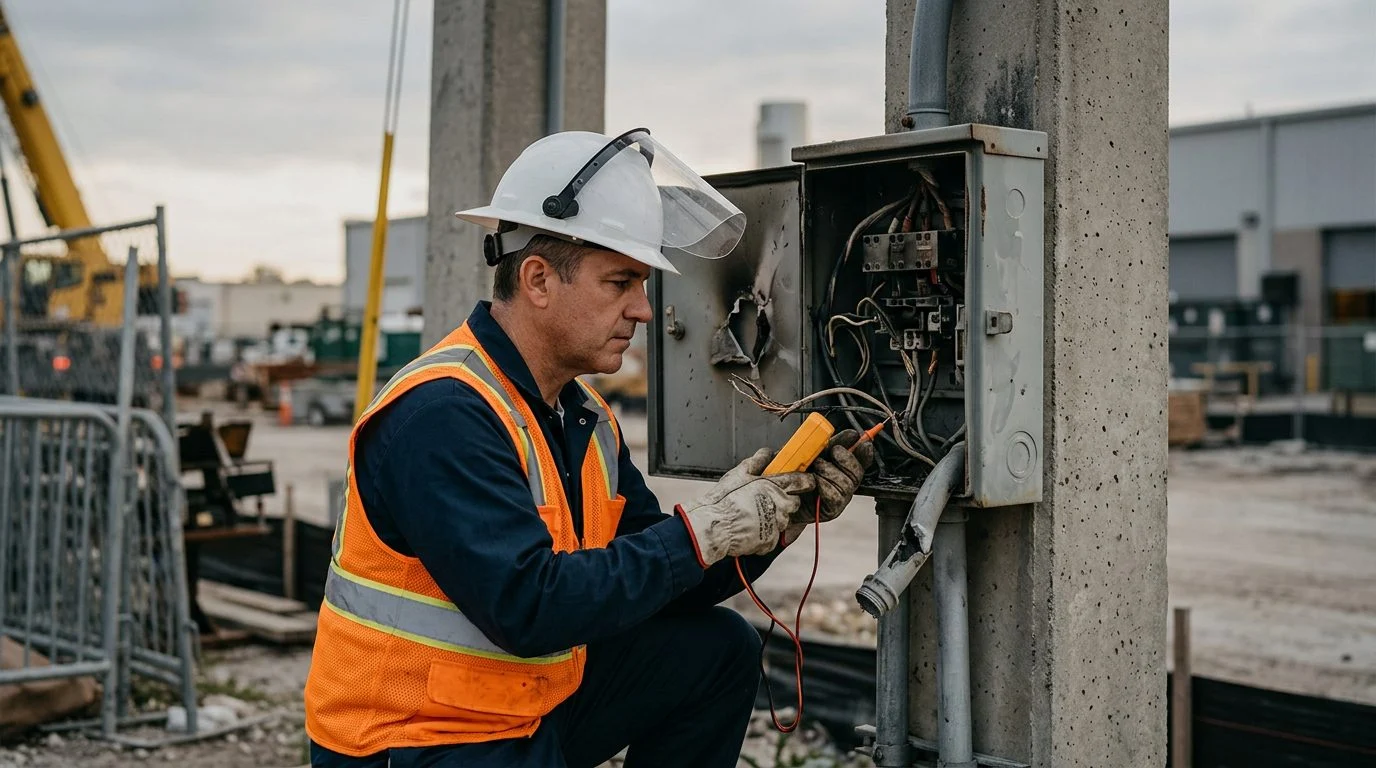
Sweetwater, Florida | Electrical Injury Claims
Hurt by Electricity in Sweetwater? You Don't Have to Face the Claim Alone
Electrical injuries can change a life in an instant. CHG Personal Injury Lawyers helps Sweetwater families and injured people understand their options, from a power line accident to faulty wiring on someone else's property.
Working With CHG Personal Injury Lawyers
Free
First consultation, confidential and with no obligation to continue
No Fee
No attorney's fees or case costs unless there is a recovery
Florida
Florida-based firm serving Sweetwater and communities throughout Florida
Licensed
Attorneys admitted to The Florida Bar
By CHG Lawyers · Published October 24, 2026
Electrocution injuries can be serious. Medical care comes first.
If someone else’s negligence, unsafe property, or faulty equipment caused your shock or burn, you may have a claim. Negligence means failing to use reasonable care.
Many injury claims ask one question. Did a person or property owner act with reasonable care? The party who failed to do so may be liable. Liable means legally responsible for your harm.
This guide covers electrocution injuries that Sweetwater residents and visitors can suffer. It explains who may be responsible. It also explains the Florida timing rules that matter.
Dealing with an insurance company alone can feel like Miami Dolphins game-day traffic on the Palmetto Expressway. It is slow and crowded. No one is giving directions.
Electrocution Injuries Sweetwater: When Electricity Causes a Serious Injury
An electrical shock can cause serious harm. This is true even when contact seems brief.
Picture a renter who touches a wall outlet that sparks. Or picture a roofer whose metal ladder touches an overhead line.
Electricity travels through the body. The damage is not always visible at first. Shocks can cause:
- Burns
- Nerve damage
- Muscle injury
- Heart rhythm problems
Some effects show up days, weeks, or months later.
That is why medical care comes first. Follow your doctors’ advice. This includes symptoms that appear after you leave the emergency room. Keep every appointment. Tell your doctor about every symptom you notice.
Electrical injuries can also become a legal matter. When someone else’s negligence, unsafe property, or faulty equipment played a role, the injured person may have a claim.
Not sure what your next step is?
Talk it through with our team — the first consultation is free, confidential, and carries no obligation.
Common Ways Electrocution Happens in Sweetwater and Miami-Dade
Electrocution often happens in ordinary places. These include older rentals, pool areas, commercial plazas, and job sites.
Older apartment buildings and rental units can have worn wiring. They may have aging panels. They may have outlets that were never updated.
Outdoor outlets near pools and patios are another common setting. This is especially true when water is nearby.
Commercial plazas with aging electrical panels can pose the same risk. Shoppers, tenants, and maintenance workers can all be at risk.
Construction zone accidents are a major concern. Crane booms, ladders, scaffolding, and metal tools can touch overhead power lines. Temporary wiring on job sites can also fail.
Wiring can also be improperly grounded. That means it is not safely connected to the earth.
Damaged appliances, worn extension cords, and wiring repaired by unlicensed workers can cause shocks, too. Families often find that the damaged item becomes the most important evidence. Each situation depends on its own facts.
Who May Be Responsible for an Electrical Injury
Responsibility can fall on a property owner, a contractor, or a product maker. It depends on what went wrong.
Property owners and landlords. A property owner or landlord may be responsible. This can happen when known wiring or electrical hazards were not repaired or warned about. Tenants and guests may have claims when a basic hazard went unaddressed.
Electricians and contractors. Electricians and contractors may be responsible for unsafe installations. They may also be responsible for work that skipped required safety steps.
In an action for injuries caused by the contractor’s negligence, malfeasance (a wrongful act), or misfeasance (doing a lawful act improperly), the consumer may recover three times the actual compensatory damages. Costs and attorney’s fees may also be recovered.
Manufacturers and sellers. Manufacturers and sellers may be involved. This can happen when a product’s design or manufacture is alleged to be faulty. This is a claim to be examined. It is not a settled fact.
Shared fault. Florida divides fault among everyone involved. Under Fla. Stat. § 768.81, in a negligence action fault charged to the injured person lowers the damages in proportion, but a person found more than 50 percent at fault for their own harm may not recover any damages, except in an action for personal injury or wrongful death arising out of medical negligence under chapter 766. If you are 50 percent or less at fault, your share of fault lowers your damages but does not block recovery.
Workplace electrocutions. These often involve workers’ compensation. This is insurance for job injuries. In general terms, workers’ compensation limits what a worker can recover from the employer.
A separate claim against a third party may still be possible. A third party could be an equipment maker or a property owner.
Florida Deadlines and Evidence to Preserve After a Shock
Florida sets time limits for filing these claims. Timing matters from the first day.
Under Fla. Stat. § 95.11, an action founded on negligence must be started within two years, and other types of actions have their own periods. For example, a medical malpractice action must generally be started within 2 years from when the incident occurred or was discovered, or should have been discovered with due diligence. It generally must not be started later than 4 years from the incident, except that this 4-year period does not bar an action brought on behalf of a minor on or before the child’s eighth birthday, and where fraud, concealment, or intentional misrepresentation of fact prevented discovery of the injury, the period is extended 2 years from discovery but in no event to exceed 7 years from the incident.
Deadlines can be missed. Early review helps protect your options.
Start preserving evidence now. Evidence is anything that shows what happened.
- Take photos of the scene. Photograph the outlet, panel, cord, or equipment, and the area around it.
- Keep the damaged item unaltered.
- Do not repair, clean, or throw away damaged equipment or wiring until it has been documented.
- Save leases, repair records, work orders, permits, and incident reports.
- Write down the names and phone numbers of witnesses while memories are fresh.
Keep your medical records and bills. These are key evidence too. Keep every bill, statement, and provider record in one place.
Florida law limits proof of medical bills already paid to the amount actually paid. This applies regardless of the source of payment.
Have questions about what happened?
Ask our team directly. The first conversation is free, confidential, and there is no obligation to continue.
Serious and Long-Term Electrical Injuries, and What Families Can Do
Severe electrical injuries can change work, mobility, and daily life for years. A claim may address those losses.
Some electrical accidents cause severe burns, deep nerve or muscle damage, or amputation. These injuries can change how a person walks, works, or cares for their family. Many people need long-term rehabilitation, follow-up surgery, and changes at home.
Florida law counts economic losses. These include past and future lost income and medical expenses. Future income is reduced to present value. In everyday terms, this means money paid in the future is discussed in terms of what it is worth today.
Fla. Stat. § 768.81 defines economic damages this way.
Under the same statute, in a negligence action to which this section applies, a party found more than 50 percent at fault for his or her own harm may not recover any damages. That rule does not apply to medical negligence actions under chapter 766.
When an electrical accident is fatal, Florida law gives the family a path forward.
Fla. Stat. § 768.19 provides that when a death is caused by a wrongful act, negligence, default, or breach of contract or warranty, and the injured person could have sued if they had lived, the responsible party can be liable for damages. Those damages are set out in the wrongful death act.
- Survivors may recover the value of lost support and services.
- Under Florida’s wrongful death statute, a liable person owes damages as specified in that act; § 768.19 itself does not list what a surviving spouse may recover.
- Minor children, and all children if there is no surviving spouse, may recover for lost parental companionship, instruction, and guidance.
CHG Personal Injury Lawyers focuses on personal injury cases of every severity. This includes catastrophic injuries and wrongful death.

Talk With CHG Personal Injury Lawyers About Your Sweetwater Case
If you were shocked, burned, or hurt near a power line in Sweetwater, you can contact CHG Personal Injury Lawyers. We offer a free, confidential first consultation.
Maybe you are deciding whether to act now. Perhaps you were shocked at a rental unit. Perhaps you were burned on a job site. Perhaps a family member was hurt near power lines.
Our team can listen. We can explain the Florida rules that may apply. We can also tell you which evidence to keep.
The first consultation carries no obligation to continue.
CHG charges no attorney’s fees and no case costs unless there is a recovery.
Igor Hernandez is the responsible lawyer for this page. CHG is a Florida-based firm serving Florida communities, including Sweetwater. Our lawyers are licensed in Florida.
Para lectores en español: consulta inicial gratuita, confidencial y sin compromiso. Este contenido también está disponible en español.
You can read more on our electrocution injuries resource page. You can also reach our team through the contact page. Residents of Palmetto Bay, Pinecrest, and Aventura face similar situations.
Frequently Asked Questions
How long do I have to file an electrocution injury claim in Florida?
Florida Statutes § 95.11 sets time limits. These limits depend on the type of action. Deadlines apply, so timing matters early.
Can I still have a claim if I receive workers’ compensation?
It may be possible. Workers’ compensation generally limits what a worker can recover from the employer. A claim against a third party may still be possible.
What is a letter of protection?
It is an arrangement where a provider treats you in exchange for a promise of payment from any settlement or judgment. Florida law makes disclosure of a copy of the letter of protection a condition precedent to claiming medical expenses for treatment rendered under that letter.
Situations That Can Lead to Electrical Injuries
Contact With Power Lines
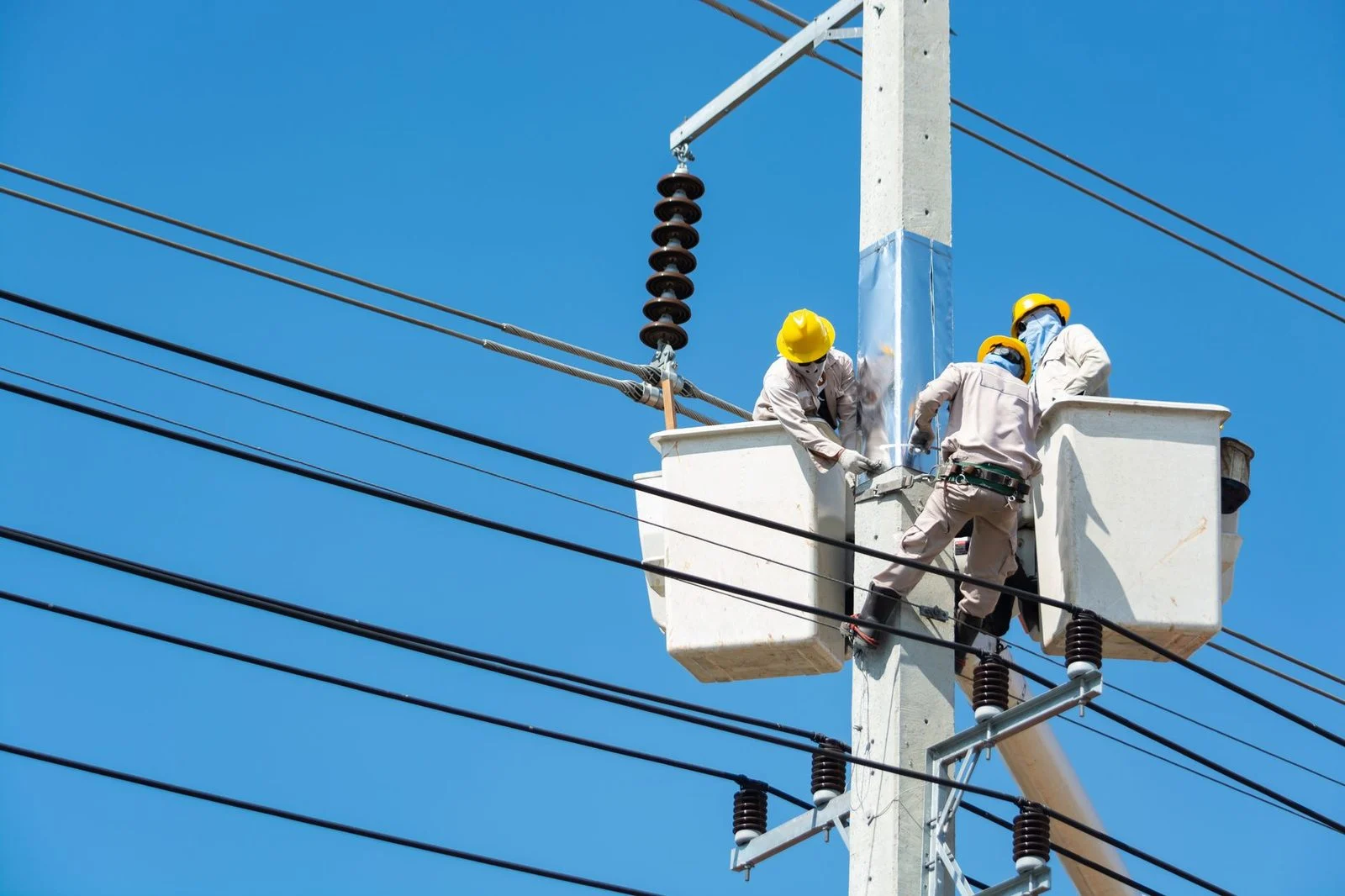
Injuries can happen when a person or equipment touches an overhead or downed power line, including during construction work, tree trimming, or moving ladders and poles near utility lines.
Faulty Wiring and Equipment
Shocks may occur from exposed wiring, broken outlets, or electrical products that fail. Injured people and families often ask who maintained the property or made the equipment.
Workplace and Construction Sites
Electrocution is a serious risk on job sites. When safety measures are missing or ignored, the injured worker and the family may have questions about who is responsible.
If a Power Line Is Down, Stay Back
Treat every downed or sagging power line as live. Keep yourself and others at a safe distance, and call 911 right away. Seek medical care for any shock, even if the person seems fine, and follow your doctors' instructions.
How We Can Help
A Free, Confidential Consultation
Tell us what happened in your own words. The first consultation is free, confidential, and comes with no obligation to continue.
No Fees Unless There Is a Recovery
CHG Personal Injury Lawyers charges no attorney's fees and no case costs unless there is a recovery.
Attention for Families
We understand that electrical injuries affect work, home life, and loved ones. Our team keeps you informed at every step.
Responsible Lawyer: Igor Hernandez
Igor Hernandez, a licensed attorney at CHG Personal Injury Lawyers, is responsible for this page. Our attorneys are admitted to The Florida Bar and handle cases throughout Florida.
Talk With Our Team About Your Electrical Injury
Want to know where you stand?
Tell us what happened and our team will walk you through the options available to you, at no cost.