

Tamarac, Florida | Electrocution Injuries
Hurt by an Electrical Shock? You Do Not Have to Face the Aftermath Alone
Electrical injuries can cause serious, lasting harm, and they are not always visible at first. CHG Personal Injury Lawyers helps Tamarac residents and families across Florida understand their options after a shock, burn, or electrocution.
Why Clients Reach Out to CHG
Florida
Florida-based firm serving Tamarac and communities across the state
Licensed
Attorneys admitted to The Florida Bar
Free
Confidential first consultation with no obligation to continue
By CHG Lawyers · Published October 24, 2026
Electrocution Injuries Tamarac: What to Know After an Electric Shock
Electrocution injuries Tamarac residents face often start with something ordinary: a damaged outlet, a loose wire near a pool, or a fountain with faulty wiring. If you were shocked or burned, get medical care first. A free, confidential consultation with our team can help you talk through your situation. This guide explains the basics in plain language.
Not sure what your next step is?
Talk it through with our team — the first consultation is free, confidential, and carries no obligation.
When an Electric Shock in Tamarac Becomes a Serious Injury
A shock becomes a serious injury when electrical current passes through the body and causes harm. Some shocks feel like a jolt and then fade. Others cause burns, nerve damage, or heart rhythm trouble that shows up later.
Like a Florida Panthers power play that comes out of nowhere, electricity gives very little warning. Many people feel fine right after a shock and wait to see what happens. That wait can be risky. A shock that seems minor still deserves a medical check.
This page explains the facts and how Florida law works. It does not replace the advice of your doctors. Please follow your doctors’ care at every step.
Electric Shock vs. Electrocution: What the Words Mean
Electric shock is the general term for electrical current passing through the body. It can range from a mild tingle to a severe injury. Electrocution is the word people usually use when a shock causes death.
The difference matters for families. An electrical injury can be serious even when the person survives. That is why any shock, even a small one, is worth a medical evaluation. Don’t let the word “shock” make an injury sound smaller than it is.
Can a Person Survive 400 Volts?
Voltage alone does not decide the outcome of an electrical contact. The amount of current, the path it takes through the body, how long contact lasts, and the person’s overall health all matter. These factors work together, so no single number tells the whole story.
Families often ask this question after hearing a voltage figure in the news. A high number is frightening, but it is only one piece of the picture. The answer for one person belongs to the treating medical team, who can examine that person and explain what they found.
Why Muscle Pain and Other Symptoms Can Appear After a Shock
Muscle pain and other symptoms can appear hours or days after a shock. Electrical current can make muscles contract hard and leave them sore. Some effects are not visible right away, so a clear medical evaluation matters even if you feel okay at first.
Get emergency care right away if you notice any of these signs:
- Burns or wounds where the current entered or left the body
- Chest pain, or a racing, skipping, or irregular heartbeat
- New weakness or numbness in an arm, leg, or other part of the body
- Severe headache, confusion, or trouble breathing
Follow your doctor’s instructions for treatment and follow-up visits. Keep every appointment, even if your symptoms seem to be fading.
Have questions about what happened?
Ask our team directly. The first conversation is free, confidential, and there is no obligation to continue.
Common Electrocution Hazards Affecting Tamarac and Broward County Residents
The most common hazards involve wiring, outlets, and equipment that are damaged, poorly installed, or poorly maintained. In homes and rental units, look for exposed wires, cracked outlet covers, and outdoor outlets that get wet. Pools, fountains, and other water features add risk when wiring sits close to the water.
Shared properties carry their own risks. Owners and managers control common areas, electrical panels, lighting, and pump equipment. When they fail to inspect or repair those systems, people who are lawfully using the property can be hurt.
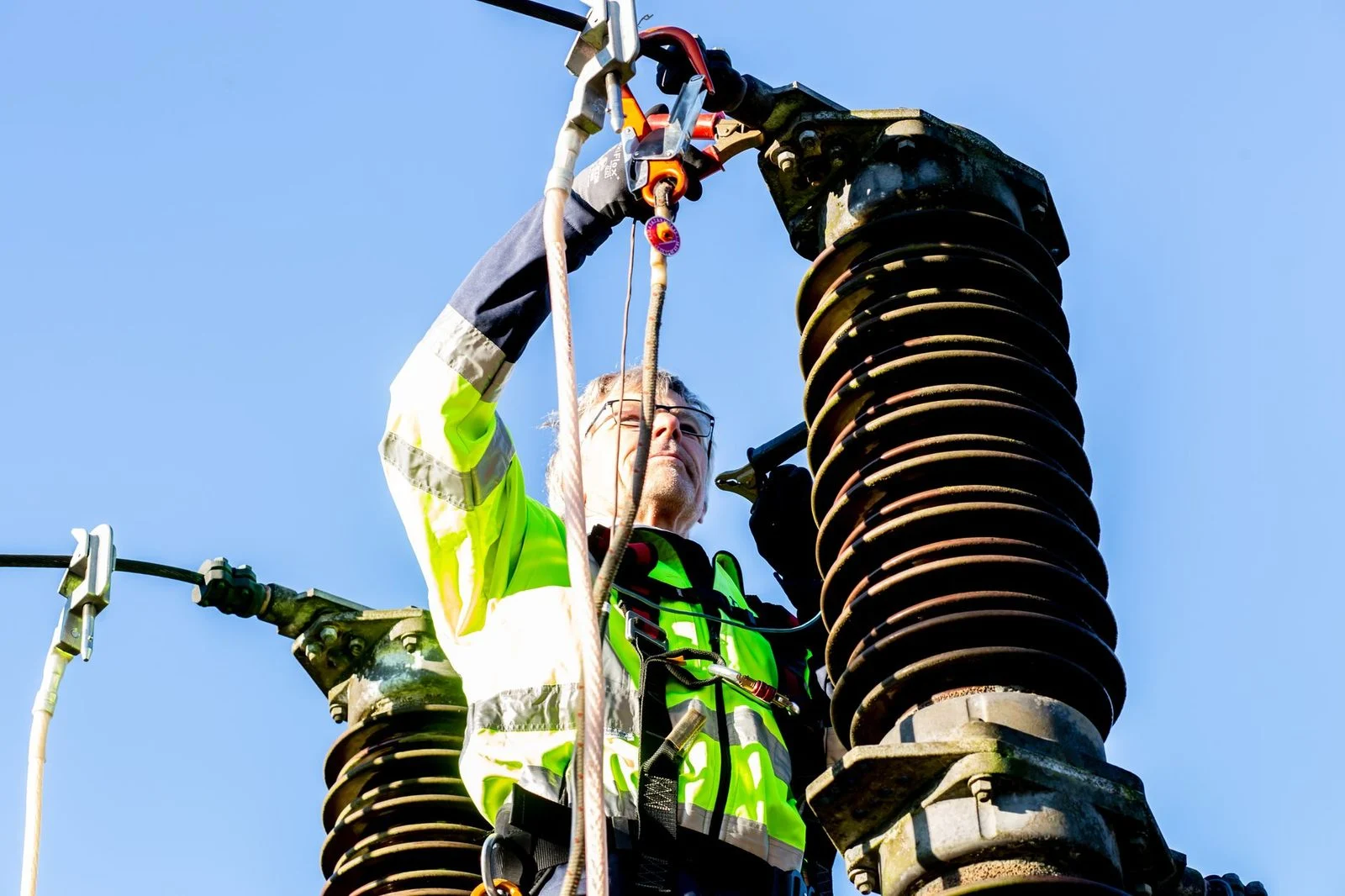
Workplaces carry risks too. Construction and maintenance crews may work near overhead lines, buried lines, and electrical equipment. The U.S. Occupational Safety and Health Administration (OSHA) publishes employer responsibilities guidance on workplace safety.
What to Do After a Mild Electric Shock
Get a medical evaluation, even if the shock seemed minor. Symptoms can develop later, and a doctor can check for injuries you cannot see.
Do not touch a person who is still in contact with a live source. If it is safe, turn off the power at the source. If it is not safe, call 911 and stay clear of the area.
Keep records as soon as you can. Take photos of the scene and the equipment. Write down the names of witnesses and the owner or manager’s contact details. Save every bill, prescription receipt, and visit note.
Report the incident to the property owner or manager in writing. A written report creates a dated record. Keep a copy for yourself, and note the date and time you sent it.
Who May Be Responsible and How Florida Law Applies
Responsibility may rest with a property owner, contractor, landlord, or equipment maker. The right answer depends on what caused the contact and who controlled the equipment.
Florida sets filing deadlines by type of claim, so timing matters. For example, Florida law gives two years for a medical malpractice action, counted from when the incident occurred or should have been discovered, with a 4-year outer limit under Fla. Stat. § 95.11.
Florida also compares fault among the people involved.
Claims against state or government entities follow separate rules. Under Fla. Stat. § 768.28, an action may not be instituted on a claim against the state or one of its agencies or subdivisions unless the claimant presents the claim in writing to the appropriate agency, and also, except as to any claim against a municipality, county, or the Florida Space Authority, presents it in writing to the Department of Financial Services, within 3 years after the claim accrues and the Department of Financial Services or the appropriate agency denies the claim in writing; for a wrongful death action, the claimant must present the claim in writing to the Department of Financial Services within 2 years after the claim accrues. Under Fla. Stat. § 768.28(1), the state, for itself and its agencies or subdivisions, waives sovereign immunity for tort liability only to the extent specified in the act, and actions for damages for personal injury, wrongful death, or property loss caused by the negligent or wrongful act or omission of an employee acting within the scope of employment may be prosecuted subject to the act’s limitations, under circumstances in which the state or agency, if a private person, would be liable to the claimant under Florida’s general laws.

Electrocution Injuries Tamarac: Talk With CHG Personal Injury Lawyers
If a shock or burn on a Tamarac property has left you or a family member facing hard questions, a lawyer can help you understand your options. CHG Personal Injury Lawyers is a Florida-based personal injury firm. It handles car accidents, slip and fall cases, and electrocution injuries for people throughout Florida.
Igor Hernandez is the responsible lawyer for this page. The firm’s lawyers are admitted to practice in Florida. Our team can review what happened, the records you have, and the deadlines that may apply to your situation.
The first consultation is free, confidential, and without obligation. CHG charges no attorney’s fees and no case costs unless there is a recovery.
Can a family file a wrongful death claim?
Yes. Under Fla. Stat. § 768.19, when a death is caused by the wrongful act, negligence, default, or breach of contract or warranty of any person, that person can be liable for damages, even though the injured person has died, if the injured person could have recovered damages had death not occurred.
Does Florida’s comparative fault rule matter?
It can.
How long do I have to file?
Deadlines depend on the type of claim. For example, Florida law gives two years for a medical malpractice action, counted from when the incident occurred or was discovered or should have been discovered, with a 4-year outer limit, under Fla. Stat. § 95.11. The 4-year limit does not bar an action brought on behalf of a minor on or before the child’s eighth birthday. Other rules can apply, so contact us for a free case evaluation at chglawyers.com/contact-us as soon as you can.
Want to know where you stand?
Tell us what happened and our team will walk you through the options available to you, at no cost.
How Our Team Helps Electrical Injury Clients
We Listen First
Our team takes time to understand how the injury happened, what care you have needed, and how it has changed your daily life and work.
We Look at the Cause
Shock and electrocution injuries can stem from faulty wiring, exposed equipment, unsafe construction sites, or property that was not maintained. We review the circumstances to identify who may be responsible.
We Keep Your Recovery in View
Your health comes first. We work alongside your doctors, who guide your medical care, while we handle the legal details so you can focus on healing.
No Fees Unless There Is a Recovery
CHG charges no attorney's fees and no case costs unless there is a recovery. Your first consultation is free, confidential, and comes with no obligation.
Seek Medical Care Right Away
Electrical injuries can affect the heart, nerves, and internal organs even when the skin looks minor. If you have been shocked or burned by electricity, get checked by a doctor promptly, even if you feel fine, and follow your doctors' care.
If You Have Been Hurt by an Electrical Shock
1. Get Medical Care
See a doctor as soon as possible. Some electrical injuries develop over time, and a medical record helps document what happened.
2. Document the Scene
If you are able, take photos of the equipment, wiring, outlet, or area where the shock occurred, and write down the date, time, and who was present.
3. Keep Your Records
Save hospital bills, prescriptions, receipts for medical equipment, and notes about missed work or daily tasks you can no longer do.
4. Contact CHG
Reach out to CHG Personal Injury Lawyers for a free, confidential consultation. We will explain your options and answer your questions with no obligation.