
Coconut Creek, Florida | Personal Injury
Hurt by Electrical Current in Coconut Creek? Here Is What to Do Next
Electrocution can cause burns, nerve damage, and lasting harm. Our team at CHG Personal Injury Lawyers helps injured people and their families understand their options across Florida.
Why People Contact CHG Personal Injury Lawyers
Florida
Florida-based firm serving clients throughout the state
Licensed
Attorneys admitted to The Florida Bar
Free
Confidential first consultation with no obligation to continue
$0
No fees unless there is a recovery
By CHG Lawyers · Published October 23, 2026
If electricity shocked or burned you in Coconut Creek, you may have a claim. An electric shock can seem minor at first. But it can still cause serious, lasting harm.
This page explains what happens in an electrical injury. It also explains why the harm can be hidden. Finally, it explains how Florida law generally handles these cases.
Coconut Creek is known for Butterfly World, a place built for slow, gentle wandering. An electrical injury is neither slow nor gentle. Dealing with an insurance company on your own can feel overwhelming.
When an Electric Shock Happens in Coconut Creek
An electric shock often happens in seconds. The injured person may not understand how serious the harm is right away.
Think about where these injuries happen:
- A crew member touches a live wire on a job site.
- A homeowner gets shocked by a pool pump or an outdoor outlet after a storm.
- A tenant is hurt by damaged wiring that should have been repaired long before.
A shock can also leave a person unable to move away from the source. This is one reason these injuries are so frightening. The person may need help from others just to break contact safely.
If someone else controlled the wiring, equipment, or property, that person or company may be responsible for the harm. The rest of this page explains how that works in Florida.
Not sure what your next step is?
Talk it through with our team — the first consultation is free, confidential, and carries no obligation.
Electric Shock vs. Electrocution: Are They the Same?
Not quite. An electric shock is electrical current passing through the body. Electrocution is a shock that results in death.
Medical teams and safety agencies use both terms. The difference matters for how the injury is described and recorded. OSHA’s electrical hazards guidance covers electric shock and electrocution as workplace hazards.
A shock that does not cause death can still cause serious, lasting injury. Many people live with the effects for months or longer. Families who lose a loved one to electrocution face a different path. That path is covered below.
Why a Shock Can Cause More Harm Than It First Appears
A shock can injure tissue deep under the skin. This can happen even when the marks on the skin look small. Tissue means the soft inside parts of the body, such as muscle and nerves.
Electrical current can enter at one point and exit at another. Burns can appear at both points. OSHA’s arc flash hazards page describes how electrical arcs can cause burn injuries. An arc is a sudden burst of electrical energy.
What does muscle pain after a shock mean?
Many people describe muscle pain, weakness, or numbness after a shock. These symptoms need a medical evaluation. Your doctors decide which tests and care you need.
Some shocks can also affect heart rhythm. This is one reason to get checked, even if you feel better quickly. Follow your doctors’ care. Keep every follow-up appointment.
OSHA treats electrical hazards as a serious workplace concern. That is why the same risks show up in construction, landscaping, and maintenance work.
How Electric Shock Burns Are Treated
Call 911 right away. Get medical care even if the burn looks minor.
Do not touch a person who is still in contact with a power source. Wait for trained responders to shut off the power. The treating medical team decides burn treatment, wound care, and follow-up.
How do you treat an electric shock burn?
At the scene, the first steps are:
- Call 911.
- Keep the person away from the source.
- Get medical care quickly.
After that, the medical team decides treatment. Follow the plan your doctors give you.
Keep records from the start. Save hospital paperwork, bills, and notes about missed work. Take photos of the injuries and the scene if it is safe to do so. Write down the names of anyone who saw what happened.
Medical records are important evidence if a claim is pursued. They document the shock, the burns, and the symptoms.
Have questions about what happened?
Ask our team directly. The first conversation is free, confidential, and there is no obligation to continue.
Can a Person Survive High Voltage?
Voltage is only one part of an electrical injury. Three other things also affect the harm:
- The amount of current
- The path the current takes through the body
- How long contact lasts
Two people hit by the same voltage can have very different injuries. That is why a medical evaluation, not a single number, shapes the picture of an injury.
Can a human survive 400 volts?
Survival depends on many factors, not one number. Doctors judge the injury by examining the person. They also track how the body responds over time. The full picture can take time to become clear.
Where Electrocution Injuries Happen in Coconut Creek and Broward County
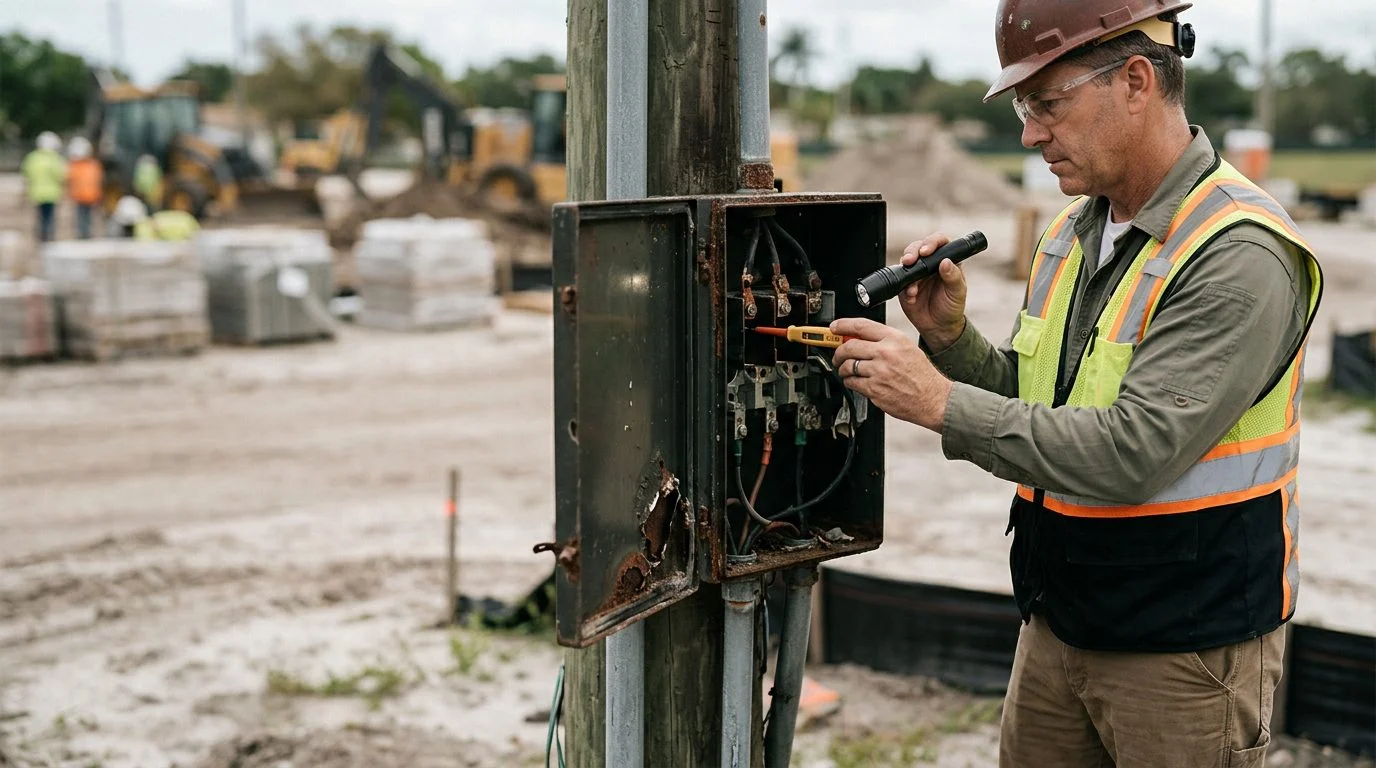
Electrocution injuries often happen where people work near energized equipment, wiring, or overhead lines. Energized means connected to a power source. Common settings include:
- Construction and renovation sites
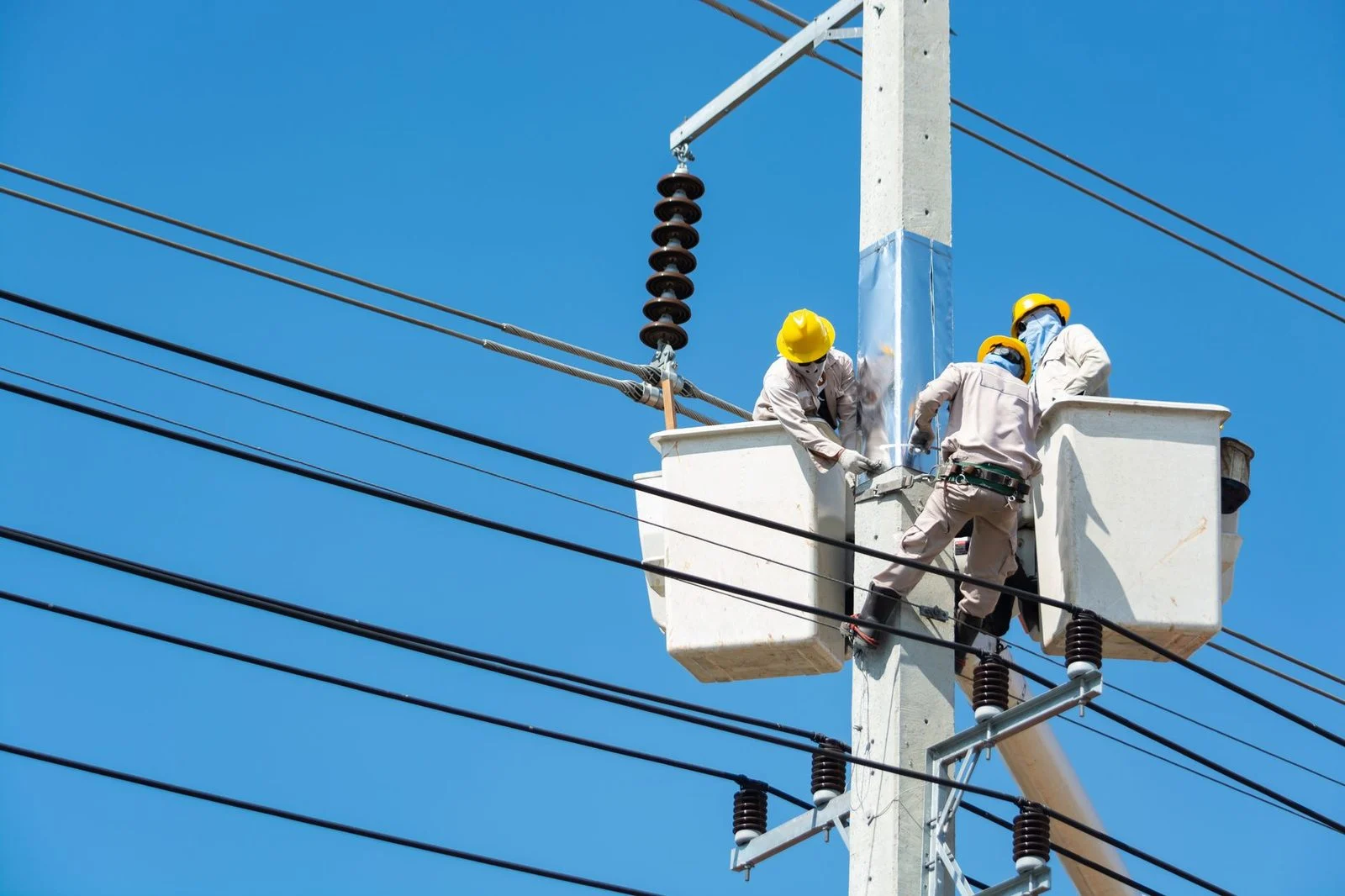
- Landscaping work near overhead power lines
- Pool equipment and outdoor outlets at homes
- Damaged or unprotected wiring in rental and apartment units
- Equipment that was not properly maintained
Electrical injuries also happen in nearby South Florida communities. Families in Dania Beach, Hallandale Beach, and Oakland Park ask the same questions. They want to know what happened and who is responsible.
For a full overview of electrical injury topics, visit the electrocution injuries hub.
Who May Be Responsible and What Florida Law Generally Requires
Responsibility may rest with a property owner, general contractor, subcontractor, or equipment maker. It may also rest with anyone else who controlled the hazard. The facts decide who controlled what.
The deadline to file. Florida generally sets a two-year deadline for negligence-based injury claims. Negligence means failing to act with reasonable care. You can read the rule in Fla. Stat. § 95.11. Other deadlines can apply. Contact us promptly rather than waiting.
Shared fault. Florida also uses comparative fault. This means blame is split by percentage. Under Fla. Stat. § 768.81, in a negligence action a person found more than 50 percent at fault for their own harm may not recover any damages; this does not apply to an action for personal injury or wrongful death arising out of medical negligence under chapter 766.
In a negligence case, the court also enters judgment against each liable party. A judgment is a court’s final decision. It is based on that party’s percentage of fault.
Work injuries. Workers’ compensation can apply to on-the-job injuries. Workers’ compensation is a system that pays benefits for work injuries. Under Fla. Stat. § 440.11, an employer’s workers’ compensation liability is generally exclusive. This means it generally replaces a lawsuit against the employer. Listed exceptions apply.
A worker may still have a claim against another party who was not the employer. The rules for each claim should be reviewed separately.
Families who lose a loved one in an accident often have many urgent questions, and they do not have to face them alone. Losing someone suddenly is devastating, and families often need clear answers about what can happen next. Under Fla. Stat. § 768.19, a party that would have been liable had the person lived can be liable for damages. This applies when the death is caused by that party’s wrongful act, negligence, default, or breach of contract or warranty. Families facing this loss can talk with us about what comes next.
Talk With Our Team About Your Coconut Creek Electrical Injury
If an electric shock hurt you or someone you love, you can talk with our team. A direct conversation helps you understand what happened. It also helps you see what options may be available.
Igor Hernandez is the Florida-licensed attorney responsible for this page. Igor is admitted to The Florida Bar. The firm focuses on personal injury cases for people throughout Florida. These include electrical injuries, car and truck accidents, and slip-and-fall claims.
CHG charges no attorney’s fees and no case costs unless there is a recovery. The first consultation is free, confidential, and comes with no obligation to continue.
If you are deciding whether to pursue a claim after a shock from live wiring, equipment, or a power line, request a free case evaluation. Let us review the facts with you.

Want to know where you stand?
Tell us what happened and our team will walk you through the options available to you, at no cost.
Frequently Asked Questions
What are electrocution injuries?
Electrocution injuries happen when electrical current passes through the body. They can cause burns, nerve damage, and heart problems. In serious cases, they can cause lasting paralysis, limb loss, or death.
What causes electrocution injuries in Coconut Creek?
Common causes include:
- Contact with downed or uninsulated power lines
- Faulty wiring
- Defective appliances or tools
- Work near energized equipment
Accidents also happen at construction sites, around pools, and at rental properties.
Can I have a claim if I was electrocuted on someone else’s property?
You may have a claim if a property owner, contractor, or other party failed to fix a known electrical hazard. You may also have a claim if they failed to warn people about it.
Our team at CHG Personal Injury Lawyers offers a free, confidential first consultation. It comes with no obligation to continue. We charge no attorney’s fees or case costs unless there is a recovery.
How long do I have to file an electrocution injury claim in Florida?
Florida generally sets a two-year deadline for most personal injury negligence claims (Fla. Stat. § 95.11(5)(a)). Deadlines apply to these claims, so it is important to contact a lawyer promptly. Other claims can have different deadlines.
Because these deadlines apply, contact CHG Personal Injury Lawyers as soon as possible after an electrical injury.
Immediate Steps After an Electrical Injury
Call 911 and stay clear
Do not touch a person who is still in contact with a power source, and do not touch downed or damaged wires. Call 911 and keep others away from the area until emergency crews make it safe.
Get medical care right away
Electrical injuries can cause harm that is not visible at first, including heart problems and nerve damage. Go to an emergency room or see a doctor even if you feel fine, and follow your doctors' care plan.
Document what happened
Write down the date, time, and place, and what you remember about the equipment, wiring, or property involved. Photograph the scene, any damage, and your injuries if it is safe to do so.
Keep records and evidence
Save medical bills, work records, and letters from insurers. Keep damaged items and clothing if you can, and do not sign statements or accept payments without first talking to a lawyer.
How Our Team Can Help
Focused on injured people and families
We help people hurt by electrical accidents and their loved ones understand what happened and what steps may come next.
Investigation of how the injury happened
We look into the property, equipment, maintenance, and other circumstances surrounding the incident.
Plain-language guidance
We explain each step in clear terms, in English or Spanish, so you can make informed decisions during a difficult time.
Free, confidential first consultation
Contact us to talk through your situation with no obligation to continue. Responsible lawyer: Igor Hernandez.
Important Safety Warning
Never try to rescue someone by touching them while they are still in contact with electricity, and never approach downed power lines. Electrical injuries can look minor on the surface but still require urgent medical evaluation.