
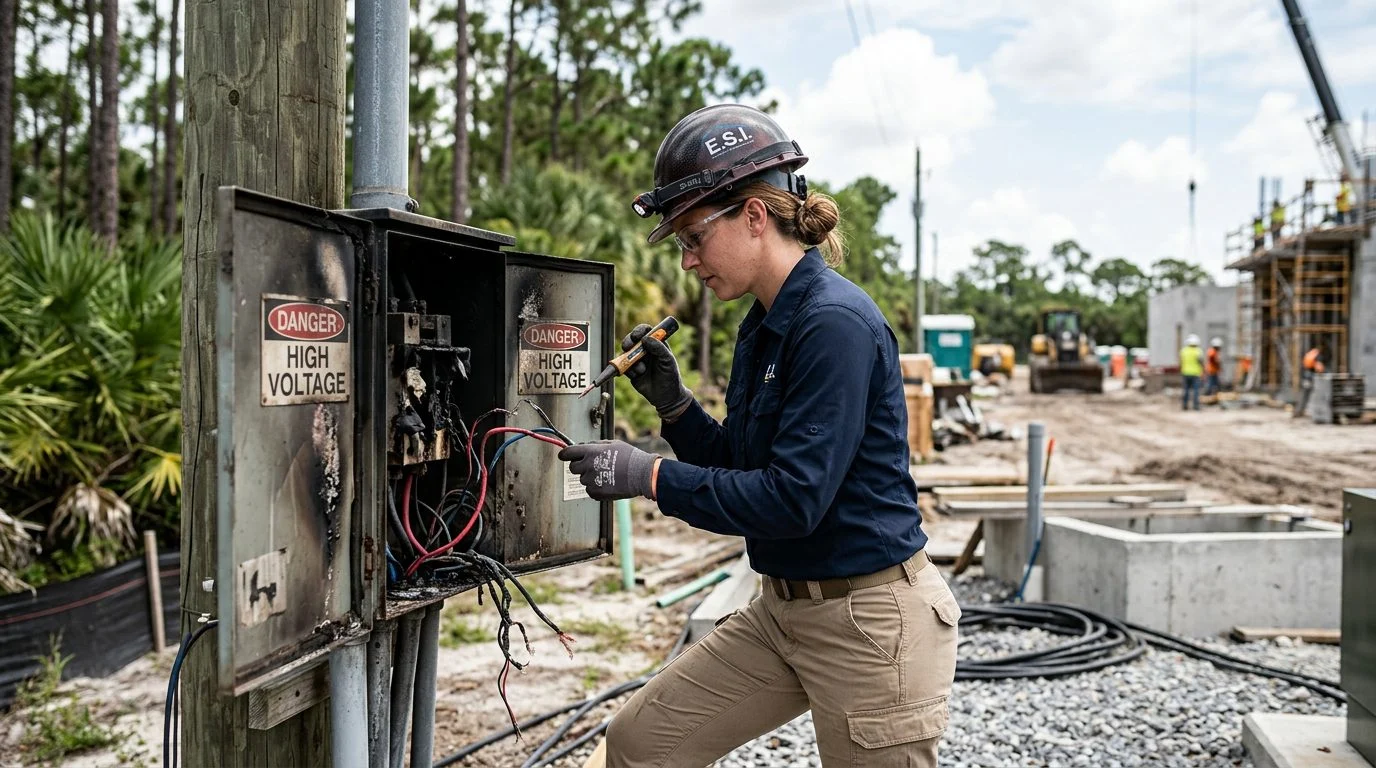
Electrocution Injuries | The Hammocks, Miami-Dade County
Hurt by Electricity in The Hammocks? You May Have a Claim
Electrical shocks and electrocution can cause lasting injuries and change a family's life in an instant. CHG Personal Injury Lawyers helps Florida residents in The Hammocks understand what happened and what they can do next.
Why Families Contact Our Firm
Florida
Florida-based personal injury firm
Free
Confidential first consultation with no obligation
No Fee
No fees unless there is a recovery
Bilingual
English and Spanish educational resources
By CHG Lawyers · Published October 24, 2026
Electrocution Injuries The Hammocks: What Residents Should Know
Electrocution injuries The Hammocks residents face can be serious, even when an electrical shock looks minor at first. A shock can still harm the heart, nerves and muscles. If electricity hurt you or someone you love in The Hammocks or elsewhere in Southwest Miami-Dade, you can contact our firm for a free, confidential first consultation with no obligation to continue.
The shock may have come from a loose outlet, a pool pump, or a screen enclosure that drifted near a power line. It may have come from a lawn tool that touched a wire. Maybe a family member was hurt, or did not survive. Either way, the questions pile up fast.
This page explains electrocution injuries. It also explains what they can mean for people in The Hammocks. CHG Personal Injury Lawyers is a Florida-based firm. It represents people throughout Florida. Igor Hernandez is the responsible lawyer for this page.
Facing an insurance company alone can feel like playing the Miami Heat at Kaseya Center with no one on the bench. Having someone in your corner matters.
Not sure what your next step is?
Talk it through with our team — the first consultation is free, confidential, and carries no obligation.
What Happens to the Body During an Electrical Shock
Electricity harms the body by passing through it. How serious the injury is depends on three things. The first is the path the current takes. The second is how long contact lasts. The third is how high the voltage is.
FloridaHealthFinder’s electrical injury entry covers the causes, effects and first-aid steps for electrical shock.
Which organ is hit first by electric shock? The heart is the first major concern. Current can disrupt its normal rhythm. That is why doctors watch heart function closely after a shock. Nerves and muscles are affected too.
Current can also make muscles contract hard. A person may be held to the source. Or they may be thrown away from it. A fall off a ladder or a hit against a hard surface can cause injuries. Those injuries have nothing to do with the electricity itself.
Even a shock that seems small needs a medical check. Anyone who has been shocked should see a doctor promptly, even when they feel fine. Please follow your doctors’ care and instructions.
The Four Main Types of Electrical Injuries
Electrical injuries fall into four main types:
- Electrocution
- Electrical burns
- Arc-flash or arc-blast injuries
- Secondary injuries from falls or being thrown
A single event can involve more than one of these.
Electrocution is the shock itself. This is when current passes through the body. Picture a hand that touches a faulty appliance while standing on wet grass.
Electrical burns happen where current enters and leaves the body. They also come from heat at the point of contact. A cord that fails while plugged in is one everyday example.
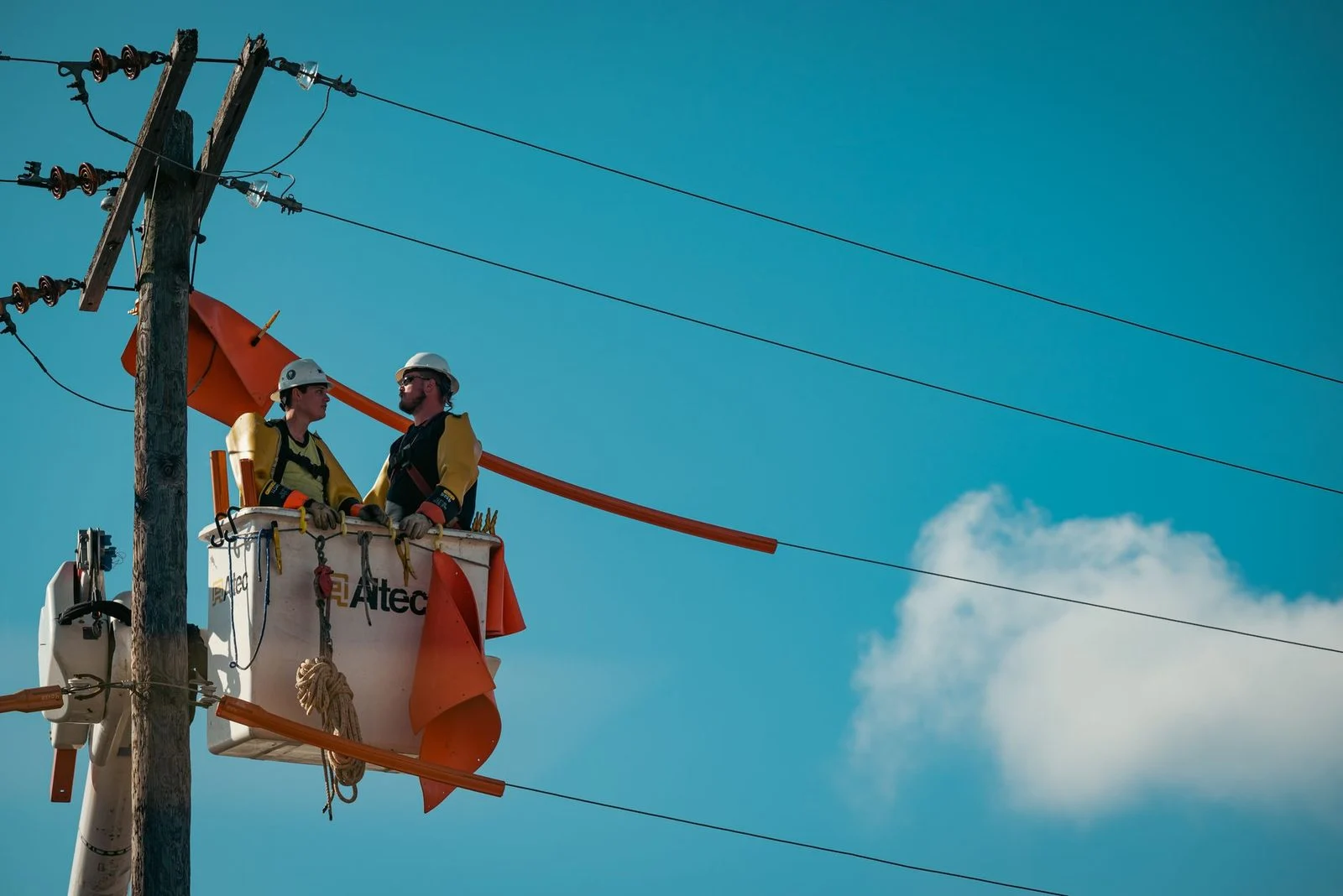
Arc-flash and arc-blast injuries come from a sudden release of energy near electrical equipment. An arc flash is a sudden burst of electrical energy. These events can happen around high-voltage equipment, such as utility or commercial electrical work.
Secondary injuries happen when a shock causes a fall or throws a person. A homeowner who gets a jolt while on a ladder near a service line is one example.
Common Injuries and the Most Serious Outcomes
The most common injury from an electric shock is a burn. It often appears where current entered and exited the body. Internal injury is harder to see than skin injury. It can matter more.
Heart rhythm problems are among the most serious medical risks after a shock. Some people develop symptoms hours or days later. These can include headaches, muscle pain, memory problems, mood changes or emotional distress. Anyone with new symptoms should tell their doctor about the shock.
Shocks can also cause nerve and muscle damage. Some survivors live with lasting effects. These effects can touch work, family life and daily tasks.
When electrocution causes a death, the loss is the most serious outcome a family can face. Florida’s Wrongful Death Act allows a family to pursue a claim when a death is caused by someone’s wrongful act or negligence (carelessness). Against the state or its agencies or subdivisions under Fla. Stat. § 768.28, the death must be caused by the negligent or wrongful act or omission of an employee acting within the scope of the employee’s office or employment, under circumstances in which the state or agency, if a private person, would be liable to the claimant under Florida’s general laws. The claim must be presented in writing to the appropriate agency and, except for claims against a municipality, county, or the Florida Space Authority, to the Department of Financial Services within 2 years after the claim accrues. Under Fla. Stat. § 768.28, claims against the state or one of its agencies or subdivisions for damages for a negligent or wrongful act or omission are limited to the state-liability rules in that section. Fla. Stat. § 768.28 reads: “(14) Every claim against the state or one of its agencies or subdivisions for damages for a negligent or wrongful act or omission pursuant to this section shall be forever barred unless the civil action is commenced by filing a complaint in the court of appropriate jurisdiction within 4 years after such claim accrues; except that an action for contribution must be commenced within the limitations provided in s. 768.31(4), and an action for damages arising from medical malpractice or wrongful death must be commenced within the limitations for such actions in s. 95.11(5).” A Florida lawyer can explain who may bring that claim and what it can cover.
Have questions about what happened?
Ask our team directly. The first conversation is free, confidential, and there is no obligation to continue.
Electrical Hazards Around Homes, Pools and Yards in The Hammocks
Many electrical hazards sit in plain sight around Southwest Miami-Dade homes. Common places to look include:
- Pool pumps and equipment
- Outdoor outlets
- Irrigation controllers
Screen enclosures can sit close to overhead lines. Ladders, pressure washers and lawn tools can also touch a wire. Older wiring and worn appliance cords add more risk.
Miami-Dade County’s electrical hazards safety page covers electrical-shock risks and general precautions for homes. Storm-related power problems add to the risk in South Florida. Be careful around downed or sagging lines.
Pools carry their own risk. Electrocution in swimming pools and spas is a recognized hazard, so pool equipment should be checked regularly.
Residents can check a few things and ask some simple questions:
- Who installed the outdoor outlets?
- Has the pool equipment been checked since the last storm or repair?
Any sparks, buzzing or tingling is a reason to stop using the equipment. Get it looked at.
When Someone Else May Be Responsible in a Florida Electrical Injury
Another party may share responsibility when their carelessness contributed to a shock. Possible examples include:
- A property owner or landlord who failed to maintain wiring or enclosures
- A contractor who did unsafe work
- A utility
- A product maker whose equipment allegedly failed
A lawsuit may claim that a party failed to inspect, warn or repair. These are allegations to be examined. They are not proven facts. Whether any of them apply depends on the facts of each case.
Evidence matters. Photos, the damaged equipment, repair and maintenance records, and medical records help show what happened. An electrical engineer or other qualified reviewer may examine the wiring, equipment or scene.
Florida’s fault rules also matter. Under Fla. Stat. § 768.81, in a negligence action to which the section applies, any party found more than 50 percent at fault for their own harm may not recover any damages. That rule does not apply to personal injury or wrongful death actions arising out of medical negligence under chapter 766. Under the same section, a claimant’s contributory fault diminishes proportionately the amount awarded as economic and noneconomic damages for an injury attributable to that fault, but does not bar recovery, subject to subsection (6) (Fla. Stat. § 768.81).
Claims against government agencies follow special rules under Fla. Stat. § 768.28.
Florida Deadlines, Next Steps and Speaking With CHG Personal Injury Lawyers
Florida sets time limits for filing claims, and they vary by type of action. Fla. Stat. § 95.11 lists the limitation periods for different kinds of actions. Deadlines apply, so contact a lawyer promptly.
Practical steps can help protect a claim:
- Keep the damaged equipment. Do not repair it or throw it away.
- Take photos of the scene, the outlet or wiring, and any burns.
- Save medical and billing records.
- Write down what happened while you still remember it.
- Think twice before giving a recorded statement to an insurer. Talk with a lawyer first.
CHG charges no attorney’s fees and no case costs unless there is a recovery.
If a shock or burn at home, at a pool, or at work has left you or a family member hurt, reach out to CHG Personal Injury Lawyers. Ask for a free, confidential first consultation. There is no obligation to continue after it.
Related reading: electrocution injuries overview, plus local pages for Doral, Miami Lakes and Coral Springs.
Responsible lawyer: Igor Hernandez, a Florida-licensed attorney with CHG Personal Injury Lawyers, a Florida-based firm serving people throughout Florida. Attorney advertising.

Frequently Asked Questions
What can cause an electrocution injury in The Hammocks?
Electrocution injuries often happen from contact with downed or exposed power lines. They can also come from faulty wiring, damaged extension cords, or broken outdoor equipment. When a property owner, landlord, contractor, or utility fails to keep wiring and equipment safe, the people hurt may have a legal claim.
Can I file a claim if I was shocked on someone else’s property?
You may be able to. Every case depends on its own facts, so a free, confidential consultation is the way to review yours. Florida generally gives injured people a limited time to file. Contact CHG Personal Injury Lawyers promptly to learn how the deadlines apply to your situation.
What should I do after an electrical shock?
Get medical care right away, even if you feel fine. Some electrical injuries cause heart rhythm problems or internal damage that appear later. Follow your doctors’ care and keep records of your visits. Call 911 if someone is unresponsive or if power lines are involved.
Does it cost anything to talk with CHG Personal Injury Lawyers about my electrocution injury?
Your first consultation is free and confidential. It comes with no obligation to continue. CHG charges no attorney’s fees and no case costs unless there is a recovery.
Want to know where you stand?
Tell us what happened and our team will walk you through the options available to you, at no cost.
How We Can Help Your Family
Listening First
We take time to hear what happened, who was involved, and how the injury has affected your daily life and your family.
Preserving the Evidence
We help you think about photos, incident reports, repair records, and other details that may matter later in a claim.
Explaining Your Options
We explain in plain language how Florida personal injury claims work, so you can make decisions with clear information.
Standing Up for Injured People
We advocate for the people and families who were hurt, whether the responsible party is a property owner, landlord, contractor, or utility.
Safety First: Stay Away From Downed Power Lines
Treat every downed or sagging power line as if it is live. Stay well back, keep others away, and call 911 and the utility company right away. If you have been shocked, get medical care promptly and follow your doctors' care.
Common Causes of Electrocution Injuries
Downed or Exposed Power Lines
Contact with downed lines, or with lines that were not properly maintained, can cause serious electrical injuries.
Faulty or Damaged Wiring
Old, improperly installed, or poorly maintained wiring in homes, apartments, and commercial buildings can create dangerous conditions.
Defective Cords and Outdoor Equipment
Damaged extension cords, broken power tools, and malfunctioning outdoor equipment can lead to shocks, burns, and falls.
Work Sites and Construction Zones
Electrocution can happen near overhead lines or in construction areas where safety measures were not followed.