
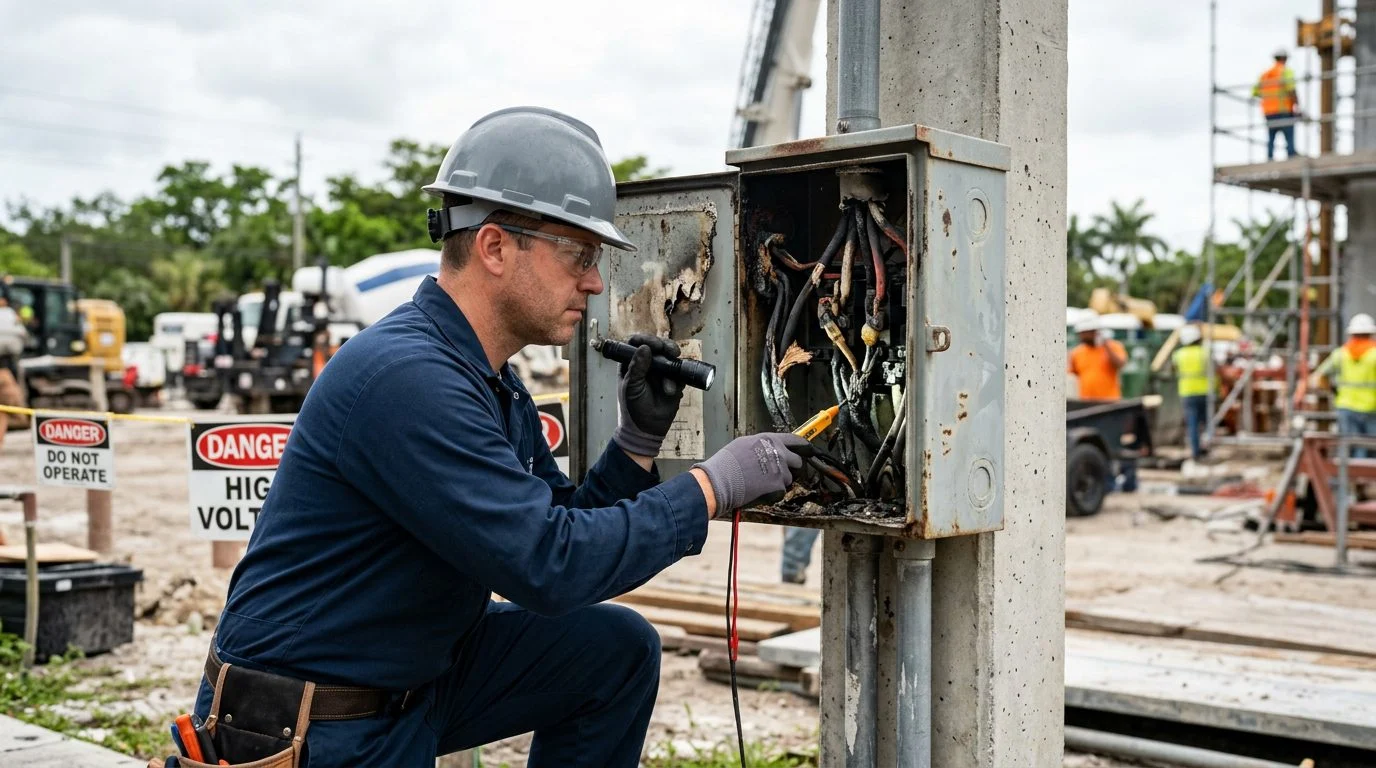
Electrocution Injuries in Pinecrest, Florida
Hurt by Electricity on Someone Else's Property? You Do Not Have to Figure Out the Next Step Alone.
CHG Personal Injury Lawyers helps Pinecrest families and Florida residents understand what happened after an electrical shock, burn, or electrocution, and what options may be available.
By CHG Lawyers · Published October 23, 2026
Electrocution Injuries Pinecrest: Causes, Care, and Florida Deadlines
Electrocution injuries in Pinecrest can change a family’s life. The scene may have looked minor. If electricity hurt you or someone you love, the person or company that controlled the wiring, equipment, or work may be responsible.
This guide explains common causes in Pinecrest and Miami-Dade. It also explains how electricity harms the body. Then it explains how Florida law may apply.
Not sure what your next step is?
Talk it through with our team — the first consultation is free, confidential, and carries no obligation.
When an Electrical Shock Changes a Pinecrest Family’s Life
A homeowner grabs a metal gate near the pool. Electrical current runs through the frame.
Or a worker’s ladder touches an overhead line during a palm trim. In seconds, an ordinary day becomes an emergency.
People hurt this way may have a claim. The claim can be against the party whose property, equipment, or work caused the shock.
Lawyers often call this a negligence claim. Negligence means failing to use reasonable care. In other words, someone did not act carefully enough.
Personal injury claims often ask two questions:
- Did a person or business act with reasonable care under the circumstances?
- Did that failure lead to harm?
Electrical injuries can look minor at the scene. A person may stand up, brush off the shock, and feel fine for a few hours. But serious harm can still build inside the body. That is why a medical checkup after any shock matters.
- Follow your treating doctors’ care.
- Keep every appointment.
- Ask for copies of your medical records.
The early days matter, too. Photos, witness names, and repair records can disappear quickly. Write down what you remember while it is still fresh.
Common Ways Electrocution Injuries Happen in Pinecrest and Miami-Dade
Electrocution injuries in Pinecrest often come from a short list of situations. Many involve property owners, contractors, or tree crews.
- Storms and downed lines. High winds and heavy rain can bring lines down. A line on the ground can stay energized. “Energized” means it still carries electricity. Mature trees across Pinecrest can drop limbs onto wires during storms. This happens on quiet residential streets and on the grounds of Pinecrest Gardens.
- Ladders and tools near lines. Ladders, pole saws, and tree trimmers can touch overhead lines. Roofing and construction equipment can, too.
- Pools, spas, and screen enclosures. Metal framing near wiring can carry current. So can pool equipment that is not properly grounded or bonded. “Bonded” means connected to a safe electrical path. Current can travel where people do not expect it.
- Faulty wiring in homes and rentals. Damaged outlets, exposed wires, and unsafe electrical work can cause shocks. The risk grows when unlicensed or unpermitted contractors do the work. “Unpermitted” means the work was done without the required government approval.
- Worn or defective appliances and cords. Lawsuits may allege that an appliance, tool, or cord was defective. These are allegations until the evidence or a court shows otherwise.
How Electrical Injuries Affect the Body
Electricity can harm the body in ways the skin does not show. Current can burn where it enters and where it exits. It can also damage muscles and nerves. It can disrupt the heart’s rhythm, which is how steadily the heart beats. It can injure the brain.
Some injuries appear days or weeks later. Numbness, weakness, pain, memory trouble, or heartbeat changes can start after the first shock. Get a medical checkup after any shock. Get one even if you feel fine that day.
Severe electrical injuries can lead to:
- Amputation
- Long-term nerve or mobility problems
- Permanent disability
Every person’s medical picture is different. Your treating doctors’ records are the foundation for understanding your injuries. Follow their care. Tell them about every symptom, even small ones. A simple daily log of symptoms can help you bring clear details to each visit.
Who May Be Responsible After an Electrocution Injury
Responsibility depends on who controlled the property, equipment, or work that caused the shock. Dealing with an insurance company alone can be very hard. That is why it helps to know early who may be involved.
- Property owners and landlords who fail to maintain wiring, pool equipment, enclosures, or fixtures. They may also fail to warn people about a known hazard.
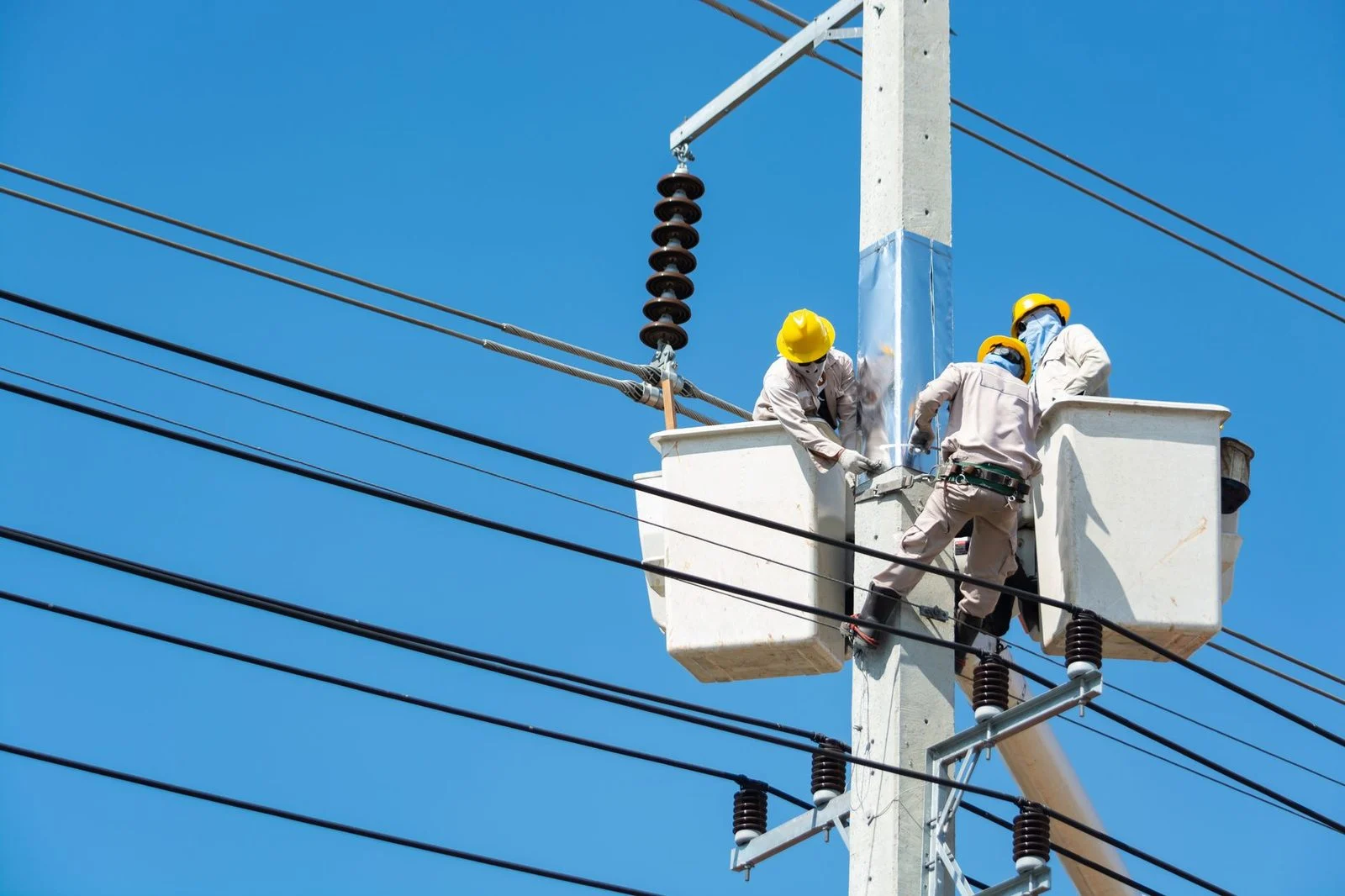
- Contractors and tree-service companies whose workers or equipment touched energized lines or wiring. See OSHA’s employer responsibilities guidance.
- Utilities and equipment makers, where the facts support a claim. Lawsuits may allege problems here. Those are allegations, not proven facts.
Investigators often focus on physical evidence. Keep the damaged appliance, tool, or cord if you can. Photograph the outlet, fixture, or line. Save repair receipts, permits, contractor names, and witness contact information.
An independent electrical engineer may be consulted to look into the cause.
Have questions about what happened?
Ask our team directly. The first conversation is free, confidential, and there is no obligation to continue.
Florida Deadlines and Rules That Can Affect Your Claim
Florida sets firm deadlines for filing injury lawsuits. The main rule is in Fla. Stat. § 95.11. Deadlines apply. They can be shorter than many families expect.
Waiting can cost you the right to sue. Contact a lawyer promptly.
Florida also uses comparative fault, or shared fault. This means each person’s share of blame is weighed. Under Fla. Stat. § 768.81, a person found more than 50 percent at fault for their own harm may not recover any damages in a negligence case. This rule does not apply to an action for personal injury or wrongful death arising out of medical negligence under chapter 766.
Defendants are the parties being sued. They may argue that the injured person caused part of the harm. The facts matter.
Under Fla. Stat. § 768.81(2), if the injured person is partly at fault, the damages awarded are reduced. The reduction matches the share of fault. This applies to both kinds of damages:
- Economic damages cover bills and lost pay.
- Noneconomic damages cover pain and suffering.
This does not bar recovery, unless subsection (6) applies. A subsection is a smaller numbered part of a statute.
To restate the rule: Florida’s comparative fault statute, Fla. Stat. § 768.81, says that in a negligence case to which the section applies, a party found more than 50 percent at fault for their own harm may not recover any damages. That rule does not apply to an action for personal injury or wrongful death arising out of medical negligence under chapter 766.
For bills already paid, under Fla. Stat. § 768.0427(2)(a), the evidence is limited to the amount actually paid, no matter who paid it. See Fla. Stat. § 768.0427.
Many people worry about paying bills after a shock. This rule explains how those costs are shown.
When an electrocution takes a life, Florida allows the family to bring a wrongful death claim. This is a claim the family brings after a death. Families grieving a loss may have questions about the damages that can be recovered.
- Florida law limits the damages a claimant may recover for the reasonable and necessary cost or value of medical care. Recoverable damages for medical care may not include any amount above the medical treatment and services expenses admitted under subsection (2). They also may not exceed the sum of the listed items.
- Those listed items include amounts actually paid by or on behalf of the claimant to a health care provider who gave medical treatment or services.
Families grieving a loss can still protect records and the equipment involved.
How CHG Personal Injury Lawyers Handles Electrocution Cases
CHG Personal Injury Lawyers is a Florida-based personal injury firm. It handles electrocution injuries, car accidents, slip-and-fall cases, catastrophic injuries, and other accidents. The firm serves clients throughout Florida, including Pinecrest and Miami-Dade County.
Igor Hernandez is the responsible lawyer for this page. The firm’s lawyers are admitted to The Florida Bar.
Our team helps families gather records, photos, and documents. We work through each step with them.
CHG charges no attorney’s fees and no case costs unless there is a recovery.
Some matters may be handled together with, or referred to, another law firm. If that happens in your case, we will explain it to you.
Every case turns on its own facts. No outcome can be promised.
Talk With Our Team About Electrocution Injuries Pinecrest
If a shock, burn, or loss tied to a wire, pool enclosure, appliance, or work site has changed your life in Pinecrest, it may be time to talk about your options. Contact CHG Personal Injury Lawyers for a free, confidential first consultation, with no obligation to continue.
Bring photos, medical records, and any repair or contractor paperwork you have. The sooner we review the facts, the sooner we can address evidence and deadlines.

Frequently Asked Questions
What causes electrocution injuries in Pinecrest?
Electrocution injuries can happen from contact with downed or damaged power lines, faulty wiring, broken outlets, defective appliances, and work near energized equipment. Many incidents involve a property owner, contractor, or utility that failed to maintain equipment or warn people about the danger.
Can I file a claim if I was shocked on someone else’s property?
You may have a claim if an electrical hazard hurt you on someone else’s property. Examples include a faulty fixture, unsafe pool or dock wiring, or a neglected electrical system. A free, confidential first consultation with CHG Personal Injury Lawyers, with no obligation to continue, can help you understand your options.
What should I do after an electrical shock?
Get medical care right away, even if you feel fine. Some electrical injuries cause internal damage that appears later. Keep photos of the hazard, write down witnesses’ names, save your medical records, and follow your doctors’ care.
How long do I have to file an electrical injury claim in Florida?
Florida sets strict deadlines for personal injury claims, and they vary by type of claim. Under Fla. Stat. § 95.11, for example, a medical malpractice action must generally be started within 2 years, with exceptions. Contact a lawyer promptly so that important deadlines are not missed.
Want to know where you stand?
Tell us what happened and our team will walk you through the options available to you, at no cost.
How We Can Help After an Electrical Injury
Plain-language answers
We explain what happened, what the injury may mean for your health and daily life, and what questions to ask, without legal jargon.
A careful review of the facts
Our team looks at the location, the equipment, maintenance records, and any warnings or reports connected to the incident.
Support for families
When an electrical accident causes serious injury or death, we work with the people left behind to understand their options.
Florida-based representation
CHG Personal Injury Lawyers is a Florida personal injury firm serving clients throughout the state, including Pinecrest and nearby communities.
Safety First
If you see a downed or sparking power line, stay well away from it and from anything touching it, including water and vehicles. Call 911 and your utility company right away. If you or someone else has been shocked, seek medical care even if the injury seems minor, and follow your doctor's care plan.
Common Situations Behind Electrocution Injuries
Downed or damaged power lines
Contact with lines that are down, sagging, or damaged can cause severe shocks and burns, sometimes from a distance.
Faulty wiring and outlets
Old, damaged, or improperly installed wiring at homes, rentals, and commercial buildings can create hidden electrical hazards.
Defective or recalled appliances
Electrical products that fail or lack proper safety protections can lead to serious shocks and fires.
Work near energized equipment
Construction, maintenance, and repair work near live wires or equipment carries serious risks, especially when safety measures are missing.