
Electrocution Injuries in Davie, Florida
Electrocution Injuries in Davie: What to Know and How Florida Claims Work
An electrical shock can cause serious, lasting harm. CHG Personal Injury Lawyers helps Davie families and injured people in Florida understand their options after an electrocution.
By CHG Lawyers · Published October 24, 2026
Electrocution Injuries Davie: Hazards, Claims, and Next Steps
Electrocution injuries can change your life. If you or someone you love was hurt in Davie, you may have options under Florida law.
Electrocution injuries often happen in everyday places. Examples include a backyard pool, a canal-side dock, or a job site.
Davie is known for the Bergeron Rodeo and many homes near water. That mix of power and water raises the risk.
This guide explains the hazards, Florida’s key rules, and what to do next.
Not sure what your next step is?
Talk it through with our team — the first consultation is free, confidential, and carries no obligation.
Why an Electrical Shock Can Cause Serious, Lasting Harm
An electrical shock can damage the heart, nerves, muscles, and skin. The harm can last long after the moment of contact.
Electricity moves through the body along the easiest path. Burns can form where the current enters and leaves the body.
Electricity can also:
- Disrupt the heart’s rhythm
- Injure nerves
- Cause muscles to contract hard enough to damage tissue
Many people get hurt again in the fall that follows a shock. For example, a fall from a ladder or roof can cause broken bones or head and spine injuries.
Some harm does not show up right away. Symptoms can appear hours or days later. See a doctor even if the shock seemed minor. Follow your doctors’ care. This page is general information, not medical advice.
Severe electrocution injuries can change your work, your daily routine, and your family roles. A parent may need months of rehabilitation (therapy to rebuild strength and skills). A worker may not return to the same job. A spouse may take on new caregiving duties.
These long-term losses matter. They are part of any claim.
Electrical Hazards That Affect Davie Homes and Yards
Water, wet ground, and equipment not built for those conditions make home electrical hazards more dangerous. Knowing where these risks sit can help families prevent the next injury.
Pools and spas are a common setting. Pumps, underwater lights, timers, and outdoor outlets often sit close to the water. A cracked cord or poorly grounded outlet near a pool deck can be deadly.
Waterfront properties add another layer. Canal-side homes may have docks, boat lifts, and dock lighting. Wet wood, metal, and humidity can turn an ordinary fixture into a hazard.
Yard work creates risks, too. Power tools, hedge trimmers, pressure washers, and extension cords can carry current to the person holding them. This is especially true when cords sit on wet grass.
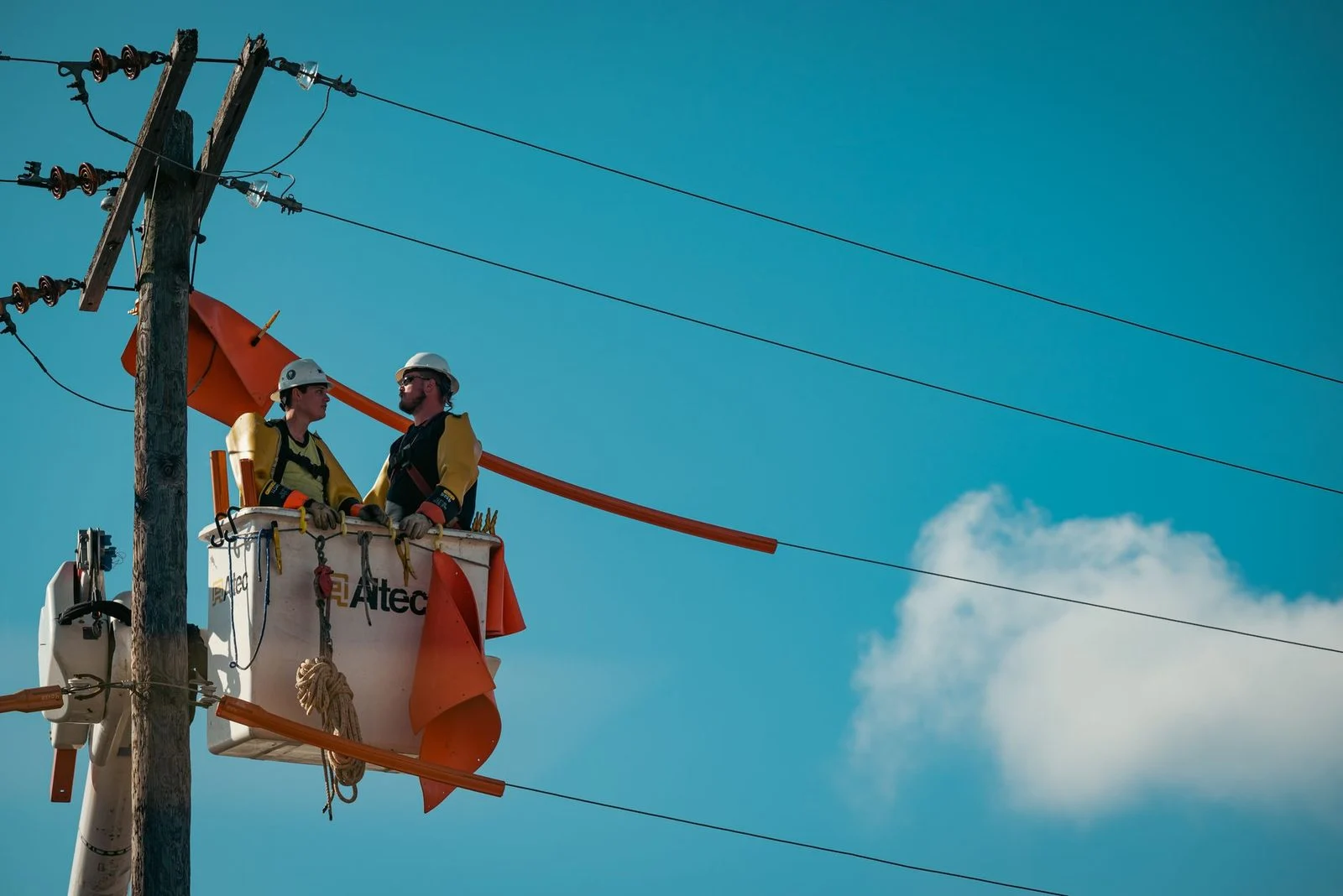
Overhead lines are another danger. They sit near trees, fences, screen enclosures, and tall structures. Ladders, poles, and long tools can touch a line without warning.
- Keep equipment well away from power lines.
- Treat any downed line as live.
Older wiring, improper repairs, and unpermitted work can create hidden hazards. These problems can exist in a home or a rental unit.
A landlord or owner who knows about a problem and does nothing may face questions about fault.
Readers in neighboring Plantation, Sunrise, and Deerfield Beach often face these same hazards at home.
Electrocution on Job Sites and Construction Zones
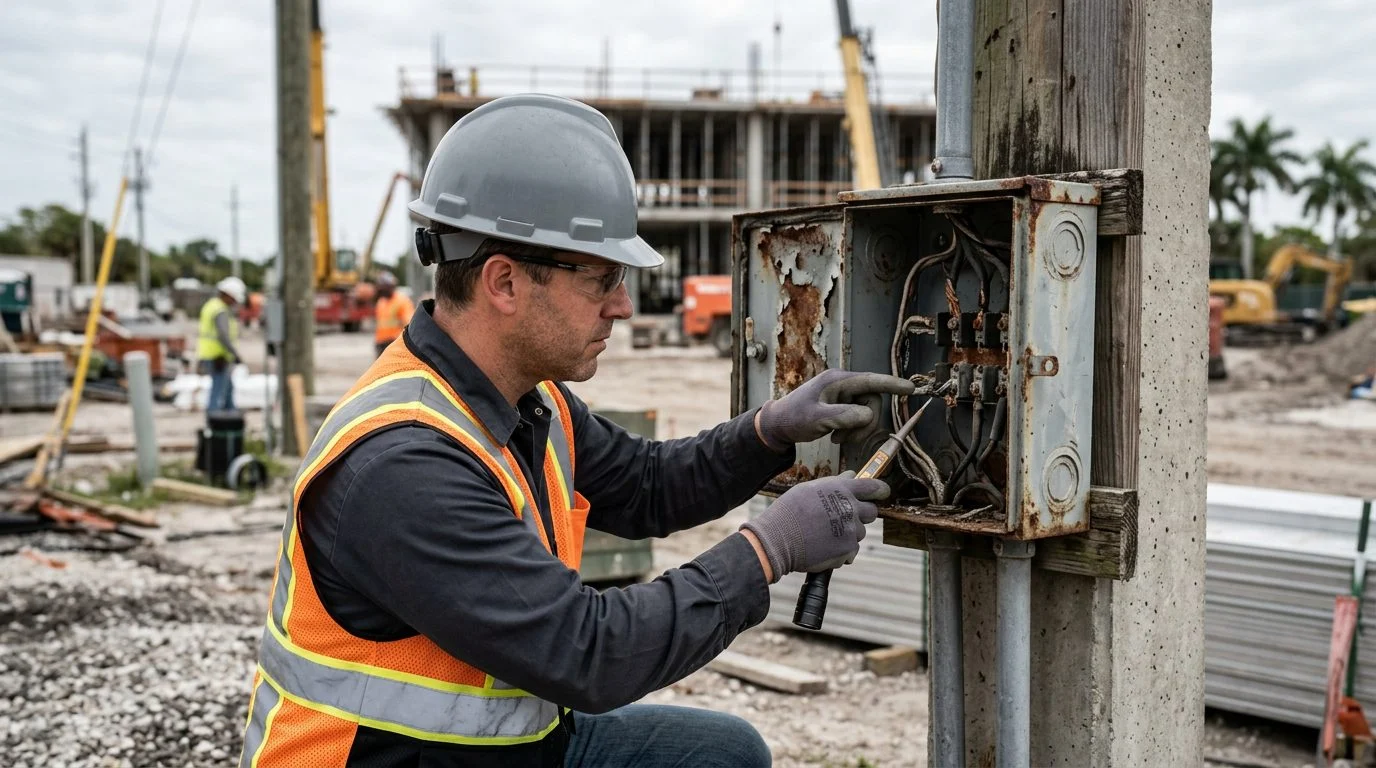
On a job site, electrocution often happens when a worker, tool, or ladder touches an overhead line or damaged temporary power.
Construction sites use temporary power cords, generators, and portable panels. These wear out fast. A cord with a cut jacket (the outer covering) or a missing ground can injure anyone who touches it. Cranes, scaffolding, metal ladders, and metal tools can reach overhead lines.
Workers are not the only people hurt. Passersby, delivery drivers, and visitors can also be shocked near a site.
Whether a claim exists depends on several facts:
- Who was working?
- Who was present?
- Who controlled the site and the equipment?
Several parties may be connected to a hazard. The facts decide who is involved:
- A general contractor may run the site.
- A subcontractor may handle the electrical work.
- A property owner may control access.
- An equipment maker may have played a role.
Each may carry its own responsibility.
For on-the-job injuries, workers’ compensation is often the first route. Under Fla. Stat. § 440.11, an employer’s liability to an injured worker is generally exclusive. That means it is usually the only route, with listed exceptions.
In plain terms, an employer is generally protected from lawsuits by its own workers. The exceptions are the cases the statute lists. A claim against a different company may still be possible.
Have questions about what happened?
Ask our team directly. The first conversation is free, confidential, and there is no obligation to continue.
Who May Be Responsible and Florida’s Key Rules
A property owner, contractor, or other party may be responsible. Electrical injuries can happen in many different settings, and the circumstances of each one matter.
This is called negligence. Negligence means a careless act, or a failure to act, that causes harm. When negligence causes harm, the injured person may have a claim. For a work injury, though, an employer’s liability is generally exclusive and in place of all other liability, with limited exceptions such as an intentional tort under Fla. Stat. § 440.11.
Whether someone else may be responsible for an injury on their property depends on the facts of each situation. This is called premises liability. A landlord, pool company, or homeowner who ignores a shock risk may share responsibility.
Contractors can be responsible for unsafe work. If a product’s design or manufacture played a role, an equipment maker may also be part of a claim.
Florida sets firm deadlines for filing these claims in Fla. Stat. § 95.11. Deadlines apply to most claims. This section covers actions other than for recovery of real property. Each type of action has its own filing period. Act early.
Florida also uses a fault rule. It does not use joint and several liability. In a Florida negligence action, the court enters judgment against each party based on that party’s percentage of fault, not under the doctrine of joint and several liability.
It means the injured person’s own share of blame matters.
In a negligence action to which the section applies, a person found more than 50 percent at fault for their own harm may not recover any damages, but this bar does not apply to personal injury or wrongful death actions arising out of medical negligence under chapter 766 (§ 768.81(6)).
Evidence matters early. Key evidence can disappear over time. It may include:
- Photos of the outlet, cord, or line
- Repair records and permits
- Incident reports
- Medical records
Contact a lawyer promptly so that evidence can be preserved.
When an Electrocution Causes a Death in the Family
We are sorry for your loss. Florida’s Wrongful Death Act gives certain family members a way to seek damages. Take the time you need before you make any decisions.
Florida law allows certain family members to seek damages when a wrongful act or negligence causes a death. The details can vary with who survived.
The claim is brought by the decedent’s personal representative. This is the person legally appointed to handle the estate of the person who died. The claim is for the benefit of the survivors and the estate.
Who may recover depends on the family:
- The decedent’s personal representative may bring the claim for the benefit of the decedent’s survivors and estate.
- Economic losses can include lost support and services, as defined in Fla. Stat. § 768.81.
Medical and funeral expenses are also listed as economic damages in the same statute.
The filing deadlines described above still apply. Ask questions early. Learn the timeline before you decide anything.
Talk With a Davie Electrocution Injury Lawyer Today
Contact CHG Personal Injury Lawyers to talk about your situation. The first consultation is free, confidential, and without obligation.
Igor Hernandez is the responsible lawyer on this page. He is admitted to The Florida Bar.
CHG Personal Injury Lawyers is a Florida-based firm. It serves Davie and communities across Florida.
The firm offers a free, confidential initial consultation with no obligation to continue. CHG Personal Injury Lawyers charges no attorney’s fees and no case costs unless there is a recovery.
If a shock or burn in your Davie home, pool, or job site has left you with medical bills and lost work, you may have a claim. You do not have to face it alone.
Contact CHG Personal Injury Lawyers for your free consultation.

Frequently Asked Questions
What should I do right after an electrical shock injury in Davie?
Get medical care right away, even if you feel fine. Some electrical injuries cause problems that do not show up until later. Keep your medical records, photos of the scene, and the names of any witnesses. Contact a lawyer as soon as you can.
Can I make a claim if I was electrocuted on someone else’s property?
You may be able to make a claim. This is possible if a property owner, contractor, or other party failed to keep the area safe. If that failure caused your injury, you may have a claim. Each case depends on its facts. A free, confidential consultation with CHG Personal Injury Lawyers can help you understand your options.
How long do I have to file an electrical injury claim in Florida?
Florida law sets deadlines for filing personal injury claims. They are set out in Fla. Stat. § 95.11. Deadlines apply, and exceptions can change the timing. Contact the firm promptly.
Who can be held responsible for an electrocution injury?
Responsibility may rest with a property owner, employer, contractor, equipment maker, or another party. It depends on how the injury happened. CHG Personal Injury Lawyers, a Florida firm, charges no attorney’s fees or case costs unless there is a recovery.
Want to know where you stand?
Tell us what happened and our team will walk you through the options available to you, at no cost.
How CHG Personal Injury Lawyers Can Help
Licensed Florida attorneys
Our attorneys are licensed to practice law and admitted to The Florida Bar, and we represent people hurt in Florida.
Free, confidential consultation
Your first consultation is free, confidential, and comes with no obligation to continue.
No fees unless there is a recovery
CHG charges no attorney's fees and no case costs unless there is a recovery.
Plain-language guidance
We explain each step in clear terms, for the injured person and for the family supporting them.
Do not wait to get checked
Some electrical injuries cause problems that do not show up right away, including heart rhythm changes and internal damage. Get medical care promptly, even if you feel fine, and follow your doctors' care.
Where Electrocution Injuries Happen
Rental properties and common areas
Exposed wiring, faulty outlets, and broken fixtures in apartments, condos, and shared spaces can cause serious shocks.
Construction and job sites
Work near power lines, improper grounding, and unsafe equipment can put workers and passersby at risk.
Outdoor and waterfront areas
Pools, docks, marinas, and outdoor lighting can create electrical hazards when they are not properly maintained.
Homes and businesses
Damaged cords, unsafe repairs, and malfunctioning appliances can cause shocks, burns, and falls.