
Electrocution Injuries in Greenacres, Florida
Hurt by Electric Shock in Greenacres? You Don't Have to Face It Alone.
Electrical injuries can be serious, and some harm is not visible at first. CHG Personal Injury Lawyers serves Greenacres and communities across Florida, and we can talk through what happened and what your family can do next.
By CHG Lawyers · Published October 25, 2026
Electrocution injuries Greenacres: Symptoms, Causes, and Florida Claims
Electrocution injuries Greenacres residents may face can damage the heart, nerves, and deep tissue. This can happen even when the skin looks mild. An electrocution injury happens when electric current passes through the body and causes harm. Some of these injuries are fatal. Many leave lasting damage that is easy to miss at first.
This guide explains what shock does to the body. It covers how symptoms can show up later and what usually causes these accidents. It also explains what Florida law may mean for your family.
Facing an insurance company alone can feel like playing the Florida Panthers without a bench. You don’t have to face it that way.
Not sure what your next step is?
Talk it through with our team — the first consultation is free, confidential, and carries no obligation.
What Happens to the Body After an Electrical Shock
Electric current follows the path of least resistance through the body. The damage often goes much deeper than the skin. FloridaHealthFinder notes that direct contact with electrical current can be deadly. Some electrical burns look minor. Serious internal damage can still be present.
The most visible injury is usually a burn. One burn appears where the current entered the body. Another appears where it left. These entry and exit burns can look small. The harm underneath can be much larger.
Current can also throw off the heart’s normal rhythm. The heart and the nervous system are the organs most at risk. Muscle damage can happen too. In severe cases, the kidneys can be affected.
A person can look fine and still have internal injury. That’s why a doctor should check every shock, even a brief one. Follow your doctors’ care closely. Tell them about any symptom that worries you.
How Long After an Electric Shock Can Symptoms Appear?
Some effects show up right away. Others can appear hours or days later. A person may feel fine at the scene and still develop problems afterward.
Get emergency care right away if you notice any of these signs:
- Chest pain, or a racing, pounding, or irregular heartbeat
- Trouble breathing
- Confusion, memory loss, or changes in speech
- Numbness, tingling, or weakness in an arm or leg
- Severe headache, or loss of feeling or movement
These symptoms don’t always point back to the shock. Only a doctor can sort out what’s going on. That’s why delayed symptoms are a good reason to get checked after any shock.
A medical record made soon after the incident can document the injury. It can also link the injury to the accident. Keep copies of every visit summary, test result, and discharge paper.
Electrocution vs. Electrical Shock: What’s the Difference?
An electrical shock is any contact with electric current that passes through the body. Electrocution is a shock that causes death. OSHA’s electrical safety pages address shock and electrocution hazards. They also cover the federal standards that apply to them.
The broader term “electrical injury” covers both. It includes burns, nerve damage, and muscle damage. Some of these injuries are permanent. A survivor may face lasting pain, weakness, or big changes in daily life. The injury can be life-altering even though it isn’t fatal.
When a shock is fatal, the family may have a wrongful death claim. A lawyer can explain who may bring that claim under Florida law and what it may cover.
Common Causes of Electrocution Injuries in Greenacres
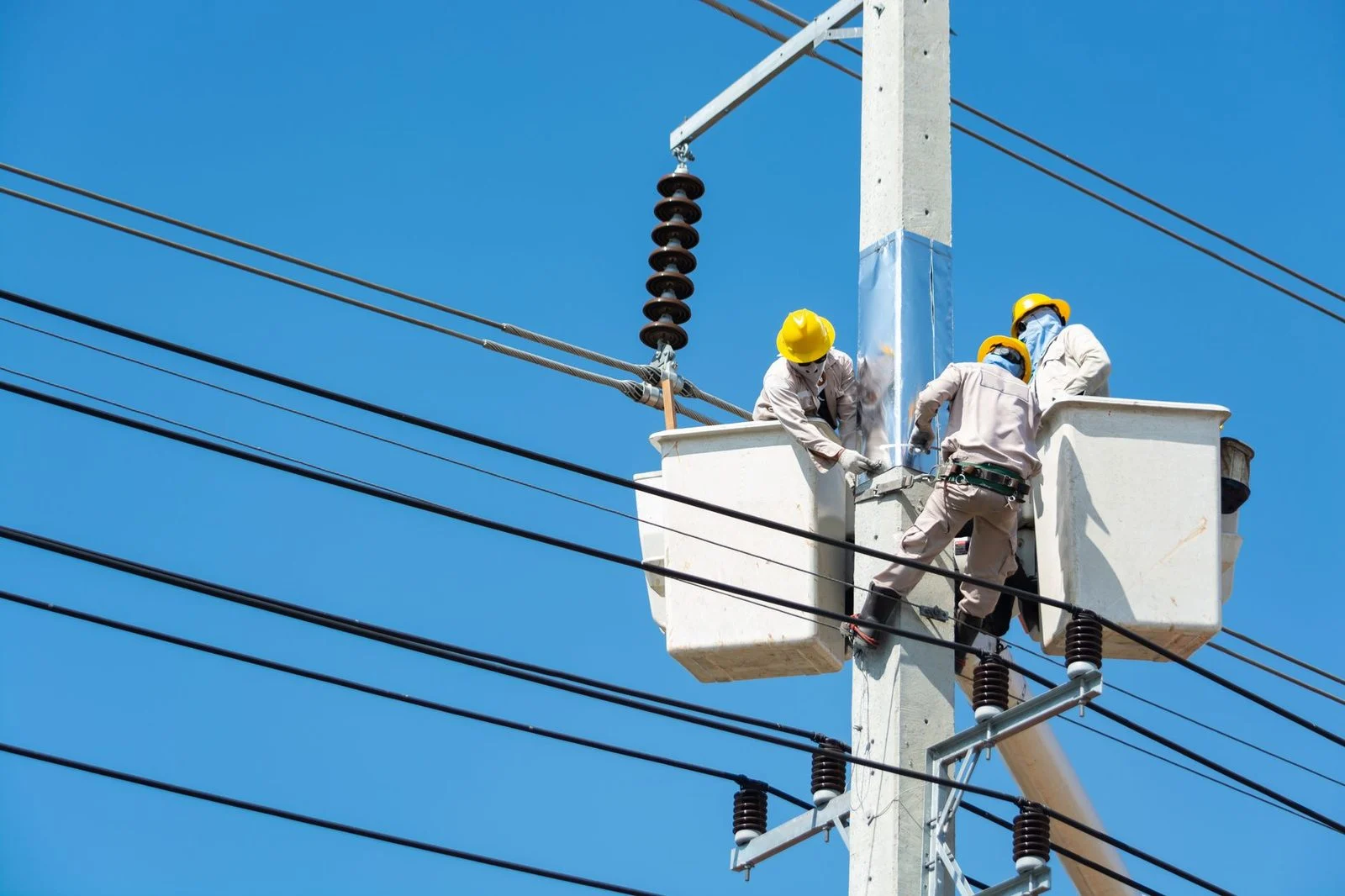
Most electrical injuries come from a few everyday settings. One is overhead service lines near homes and yards. Another is pool screen enclosures, metal ladders, and pressure washers used near power lines. A ladder or hose that touches a line can carry current straight to the person holding it.
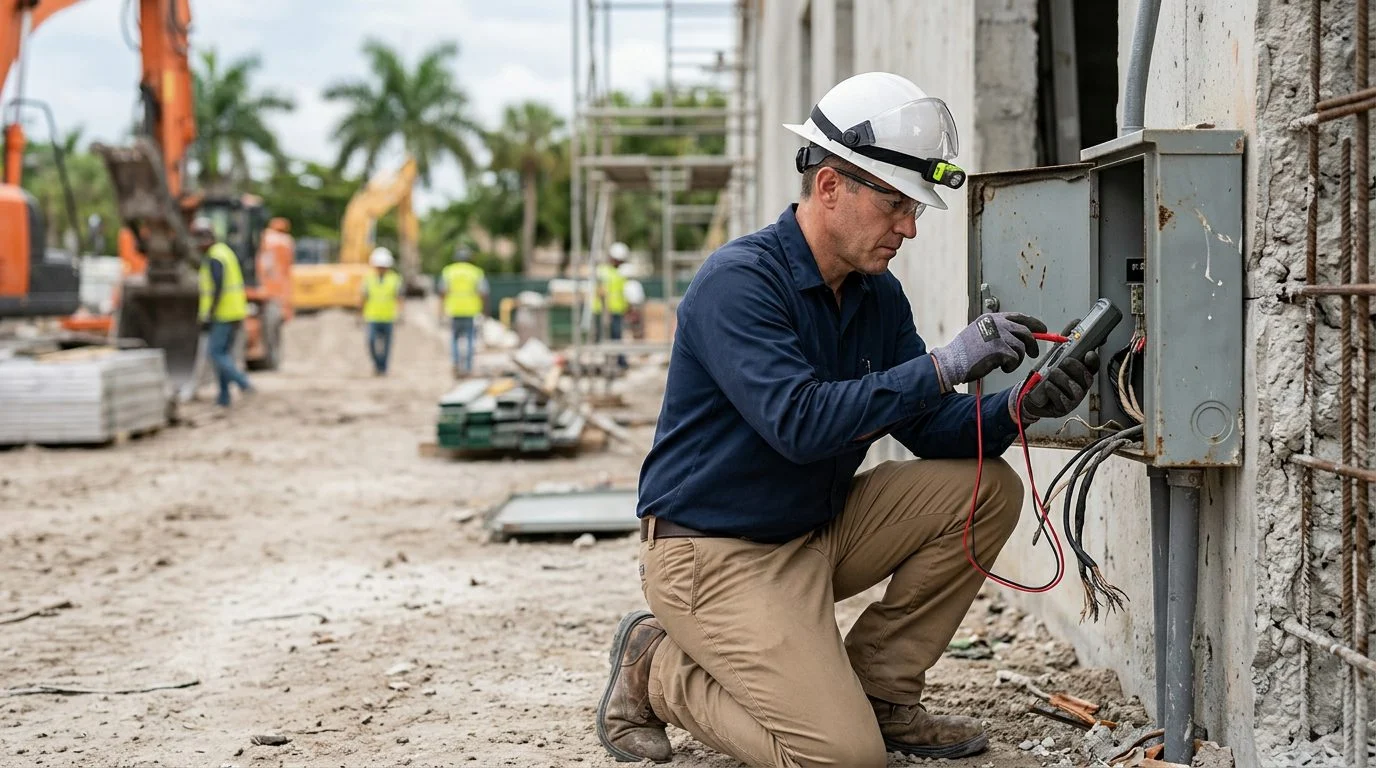
Construction and renovation work brings temporary power, generators, and exposed wiring. These setups can expose workers and passersby to live current. Commercial corridors with active job sites deserve extra caution.
Older rental housing can have outdated wiring and damaged outlets. Fixtures in wet areas, like bathrooms and kitchens, can also be a risk. Storm damage can leave lines down or sagging. Florida’s rainy season and lightning storms add wet conditions. Water and electricity don’t mix near pools, docks, boats, or canal-side property.
Fire safety agencies in South Florida describe these same risks. Miami-Dade Fire Rescue’s electrical safety page covers common wiring hazards and general electrical safety steps. You may recognize these causes from your daily routine or your workplace.
Have questions about what happened?
Ask our team directly. The first conversation is free, confidential, and there is no obligation to continue.
Who May Be Responsible for an Electrical Injury?
More than one party can share responsibility for an electrical injury. The answer depends on who controlled the property, the wiring, the equipment, or the work.
A contractor or subcontractor may be responsible if its work or equipment caused the shock. A product maker may be involved if a defective tool or appliance played a role. In some power-line cases, a utility company may be involved.
Florida uses comparative fault. This means each party’s share of fault matters. Under Fla. Stat. § 768.81, a claimant’s own fault reduces the award. A claimant found more than 50 percent at fault for his or her own harm may not recover any damages in a negligence action, except for an action for personal injury or wrongful death arising out of medical negligence under chapter 766.
Workers hurt on the job follow a different path. A worker may have a workers’ compensation claim. A lawyer can review whether another party may also be liable.
Government property adds limits. Fla. Stat. § 768.28 governs claims against the state and its agencies or subdivisions. Fla. Stat. § 768.28 reads: “(6)(a) An action may not be instituted on a claim against the state or one of its agencies or subdivisions unless the claimant presents the claim in writing to the appropriate agency, and also, except as to any claim against a municipality, county, or the Florida Space Authority, presents such claim in writing to the Department of Financial Services, within 3 years after such claim accrues and the Department of Financial Services or the appropriate agency denies the claim in writing; except that, if: 1.” Those claims cover injury caused by the negligent or wrongful act or omission of an employee acting within the scope of employment, under circumstances in which the state or such agency or subdivision, if a private person, would be liable to the claimant, and only to the extent the act specifies.
Florida Deadlines and Why Timing Matters
Florida sets filing deadlines by type of claim. Fla. Stat. § 95.11 lists the time limits for different actions. Deadlines apply to actions other than for recovery of real property, as listed in the statute. Don’t wait to act.
Claims against government entities follow their own rules and limits under Florida law. Don’t assume the usual timeline applies to them.
Evidence can fade. Photos, repair records, incident reports, and witness names can be lost or changed over time. Acting early helps preserve what matters.
If a deadline is approaching, contact our team promptly. Don’t wait for the injury to settle.
Getting Help After an Electrocution Injury
Start with medical care. Follow the treating doctors’ instructions. Keep every bill, prescription receipt, and appointment note. Early records matter for both your health and any claim.
Document the scene only if it is safe to do so. Take photos of the location, the damaged equipment or wiring, and any work orders or warning signs. Do not touch or try to repair hazardous equipment. Leave that to qualified people.
Write down what you remember while it’s fresh. Include the date, the time, and what you were doing. Also list the names of coworkers, neighbors, or property managers who saw what happened. When you can, ask for incident reports and repair records in writing.
A lawyer can review the medical records, the property or job-site facts, and the insurance picture. The first step is a conversation about what happened.

Why Families Contact Our Firm
CHG Personal Injury Lawyers is a Florida personal injury firm. It serves people throughout Florida, including Greenacres and Palm Beach County. The firm handles electrocution injuries, catastrophic injuries, and wrongful death claims.
Igor Hernandez is the responsible lawyer for this page. The firm’s lawyers are licensed in Florida and admitted to The Florida Bar.
The first consultation is free, confidential, and carries no obligation to continue. The firm charges no attorney’s fees and no case costs unless there is a recovery.
If a shock has left someone you love hurt, or a fatal accident has left your family grieving, reach out to our team. Visit our contact page. We’ll listen to what happened and answer your questions in plain terms.
What is the most common injury from electric shock?
Burns where the current entered and left the body are the most visible injury. Heart and nerve damage can be more serious and harder to see.
How long do I have to file an electrocution lawsuit in Florida?
Florida sets filing deadlines by type of claim under Fla. Stat. § 95.11. Claims against government entities follow their own rules, so contact the firm promptly to learn which rules may apply. Deadlines apply, so contact our team promptly.
Can a family file a wrongful death claim after a fatal electrical accident?
Wrongful death claims are handled under Florida law. A lawyer can explain who may bring the claim and what it may cover.
Can I file a claim if I was electrocuted at work?
You may have a workers’ compensation claim. Another party may also be responsible. A lawyer can review how the two may fit together.
Want to know where you stand?
Tell us what happened and our team will walk you through the options available to you, at no cost.
How CHG Personal Injury Lawyers Can Help
Free, Confidential First Consultation
Call or reach out to us to discuss what happened. Your first consultation is free, confidential, and comes with no obligation to continue.
No Fees Unless There Is a Recovery
CHG charges no attorney's fees and no case costs unless there is a recovery.
Attention for Your Whole Family
Electrocution can change daily life for the injured person and for the people who care for them. We take time to hear each family's concerns.
Clear Answers in Plain Language
We explain the process step by step, so you know what to expect and can make informed decisions.
Get Medical Care Right Away
Electrical injuries can cause damage inside the body that is not obvious at first, including heart and nerve problems. Seek medical evaluation promptly, even if you feel fine, and follow your doctors' care.
Situations That Can Lead to Electrocution
Faulty or Unsafe Wiring
Damaged wiring, exposed outlets, or electrical systems that were not properly maintained can cause serious shocks inside homes, rental units, and businesses.
Construction and Work Sites
Contact with overhead power lines, energized equipment, or improperly grounded tools can cause severe electrical injuries on job sites.
Pools, Outdoor Areas, and Common Spaces
Electrical hazards near water, outdoor lighting, or shared areas of a property can injure visitors and residents who had no warning.
Injuries That Need Long-Term Care
Electrical injuries can lead to burns, nerve damage, heart complications, and lasting limitations that affect work, family life, and daily routines.