
Electrocution Injuries in Homestead, Florida
Hurt by Electricity in Homestead? You Do Not Have to Face the Aftermath Alone
Shocks and electrocution can come from a fallen line, a faulty outlet, or a hazard on someone else's property. Here is how to protect your health and your options.
Why Homestead Families Contact Our Firm
Florida
Florida-based personal injury firm
Free
Confidential first consultation with no obligation
No Fee
No attorney's fees unless there is a recovery
By CHG Lawyers · Published November 10, 2026
Electrocution Injuries in Homestead: What to Know
Not sure what your next step is?
Talk it through with our team — the first consultation is free, confidential, and carries no obligation.
When Electricity Hurts Someone in Homestead
Electrocution injuries in Homestead can happen in a single moment. A downed power line after a storm, a breaker panel, or a frayed extension cord can change a day in seconds. If an electrical shock hurt you or someone you love, the harm may be more serious than it first looks.
The shock may have happened at a job site near the Homestead-Miami Speedway. It may have happened in a rental with old wiring. It may have happened in a yard after a storm.
Fear and confusion are normal. You may wonder whether you were hurt “that badly.” You may also wonder what comes next.
Follow your doctors’ care, even if you feel fine. Some effects of electrical contact take hours or days to appear. Tell every doctor about the shock, even if it seemed minor.
This page gives general information only. It is not medical advice. It does not replace care from your doctor.
How Electrocution Injuries Happen Around Homestead
Electrical injuries in this area often trace back to a few familiar settings.
- Older homes and rentals. Wiring may have aged, been patched, or been changed over time.
- Farms, nurseries, and yards. Areas near overhead lines carry their own risks.
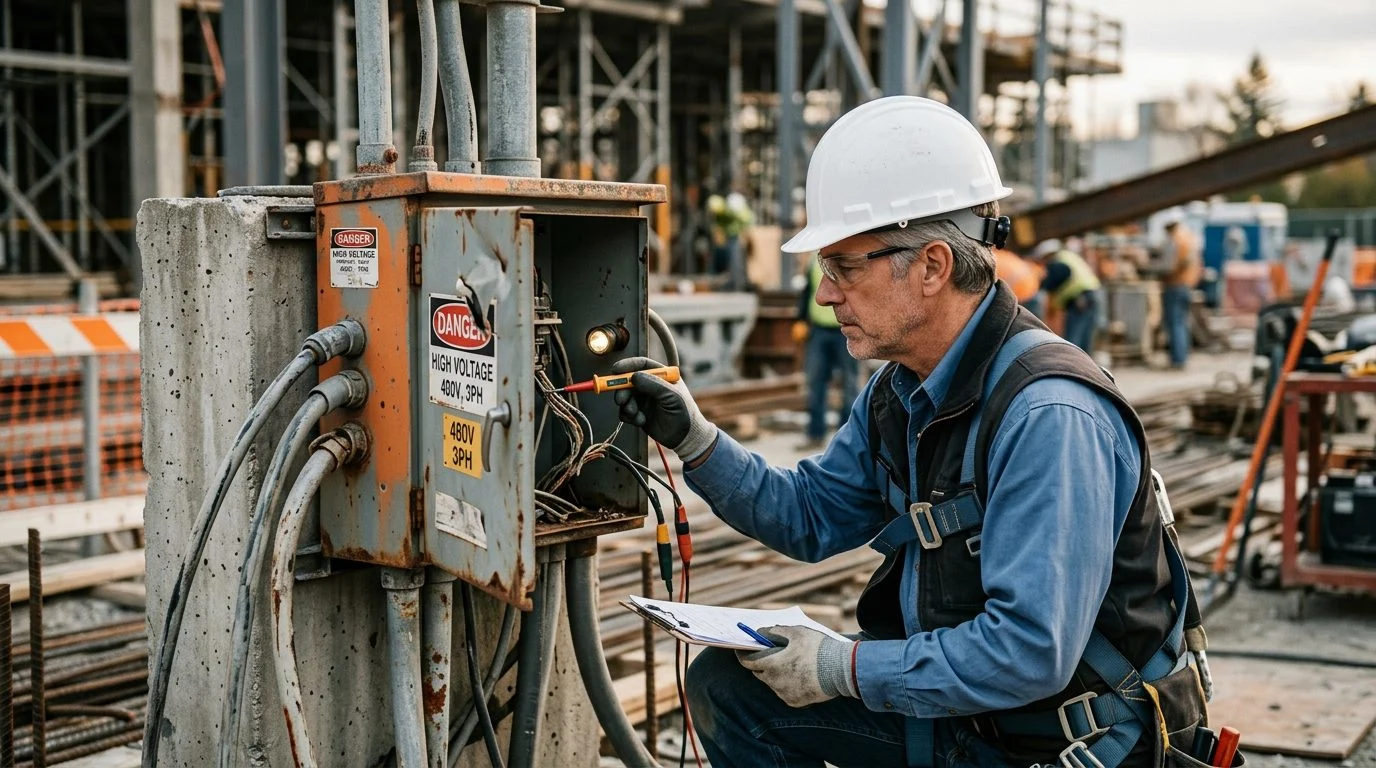
- Construction sites. Ladders, tools, and equipment can come close to live wires without anyone noticing.
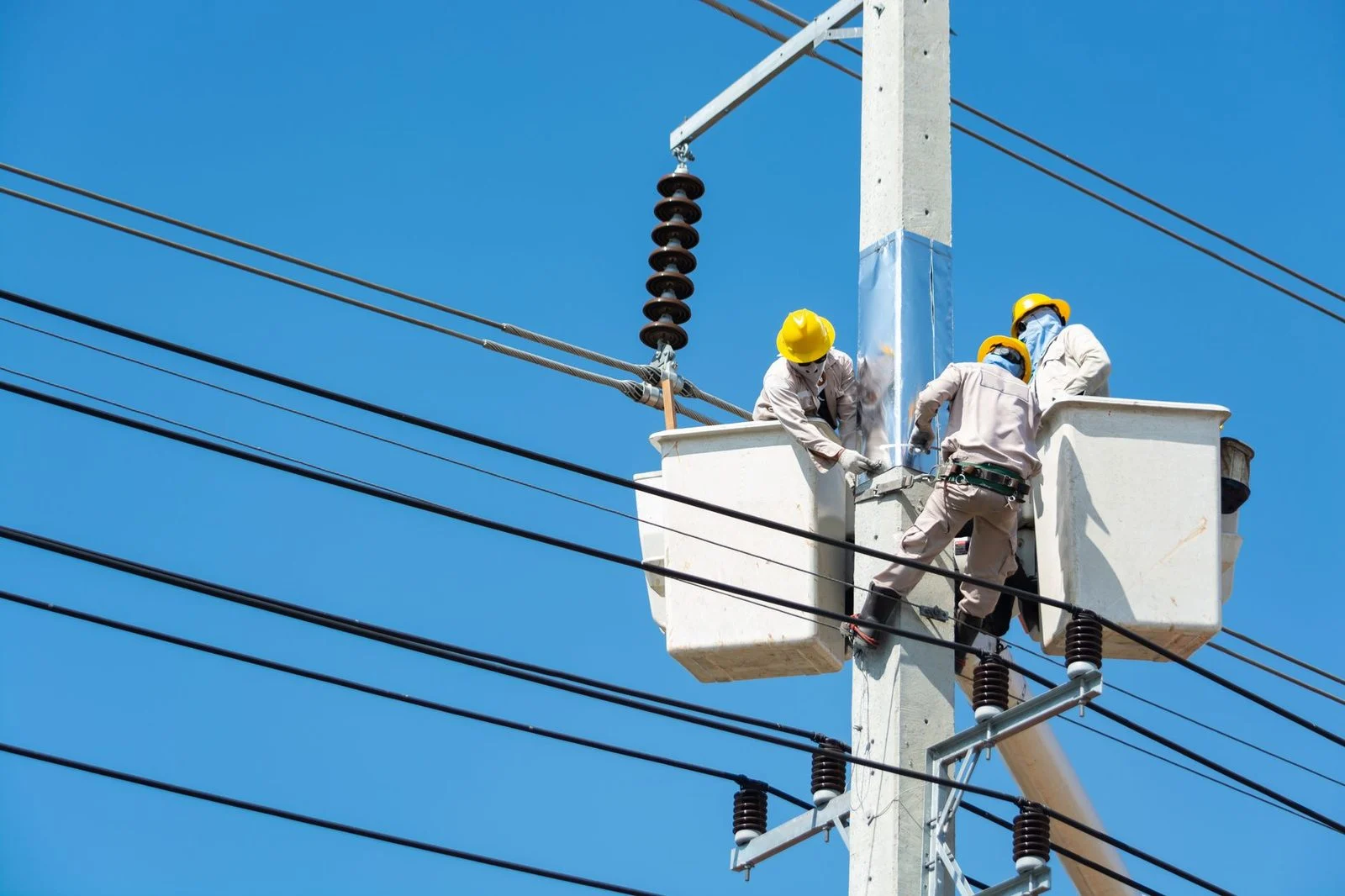
Storm season adds danger. A line can fall in high wind. Water can reach outlets, pool equipment, or a flooded garage. These risks are easy to overlook while you focus on cleanup.
Shocks also happen to workers, delivery drivers, and people doing their own repairs. A person may touch a metal ladder near a line. Another may open a panel without shutting off the power. In both cases, the danger may not be clear until contact happens.
How the shock happened often shapes who may be responsible. After a shock, try to:
- Take photos of the scene, the equipment, and any wiring or cords.
- Write down the date, the time, and the exact location.
- Save the names and phone numbers of anyone who saw what happened.
Electric Shock and Arc Flash: Two Different Injuries
Many families hear the word “electrocution.” They may not know that electrical injuries can happen in more than one way. The Occupational Safety and Health Administration (OSHA) describes two situations that matter here.
Electric shock. OSHA describes an electric shock as electrical current passing through the body. The injury depends on the path the current takes, how long contact lasts, and what tissue it crosses. Internal damage can occur even when the skin shows only small marks.
Arc flash. OSHA describes an arc flash differently. An arc flash is a sudden release of electrical energy through the air, often between conductors. It can produce intense heat and a blast of pressure. A person can suffer serious burns from an arc flash without touching the live wire. These burns can be severe. Injuries from the force of the blast or a fall can also occur.
Both situations call for prompt medical evaluation. Knowing which one happened helps your doctors. It can also help explain your injuries to others later. Write down what you remember about the sound, the light, and where you were standing.
Why Electrical Injuries Can Be Serious Long After the Shock
Electrical injuries can be serious long after the shock itself. The marks on the skin often understate the harm underneath. Electricity can damage tissue deep below the surface, even when the entry and exit points look small.
Other effects can appear later. Some people develop heart rhythm problems. Others have muscle or nerve injuries, numbness, or changes in memory or mood. A shock can also make a person fall. A fall can cause a head injury or a spinal injury.
Severe cases may need skin grafts, surgery, amputation, or long rehabilitation. Rehabilitation is therapy that helps the body regain strength and movement. These costs can affect a family for years. They include medical bills, time away from work, and the help a loved one once gave at home.
Keep every medical record, bill, and receipt. Tell each doctor about the electrical contact. Doctors need the full history to treat you well. Keep your follow-up visits, even if you feel better.
Who May Be Responsible in Florida
Who is responsible depends on two things. One is how the shock happened. The other is who controlled the place or equipment involved. Consider a few common cases:
- A property owner leaves damaged wiring in place.
- A contractor skips safety steps near a live line.
- An equipment part fails because of how it was made or put together.
Lawyers use certain legal terms for these situations.
- Premises liability means a property owner can be responsible for hazards it controls.
- Products liability is a claim against the maker or seller of a product. It may apply when a faulty product causes a shock.
Florida’s comparative fault statute covers claims based on negligence. Negligence means carelessness that causes harm. The statute also covers similar claims for harm caused by how a product was made, designed, or installed.
Fault can be shared. Under the same statute, the money you can recover in a negligence case can be reduced by your own share of fault. In a negligence action, a party found more than 50 percent at fault for their own harm may not recover any damages, but this bar does not apply to a personal injury or wrongful death action arising out of medical negligence under chapter 766. Damages are money awarded for harm.
An injury claim is an allegation that must be proven. Every case depends on its own facts.
Not sure what your next step is?
Talk it through with our team — the first consultation is free, confidential, and carries no obligation.
Florida Deadlines and Evidence to Protect
For most negligence claims, Florida’s general time limit to file a lawsuit is two years (Fla. Stat. § 95.11(5)(a)). Deadlines apply to every reader. Some claims follow different timelines. Acting early helps. Evidence can disappear while deadlines keep running.
Protect your evidence now:
- Photograph the scene, the wires, the outlet or panel, and the equipment.
- Keep the clothing, shoes, and damaged items. Do not throw them away.
- Save incident reports, repair invoices, and any inspection or maintenance records.
- Write down witness names and phone numbers.
- Keep a simple log of symptoms, appointments, and days missed from work.
When an Electrocution Is Fatal: Support for the Family
If an electrical shock has taken a loved one’s life, we are sorry for your loss. Florida’s Wrongful Death Act allows a claim to be brought after a death. The personal representative is the person appointed to handle the deceased person’s affairs. The personal representative brings the claim for the survivors and the estate.
A surviving spouse’s losses, such as loss of companionship and mental pain and suffering, are recovered within the wrongful death action. They are not handled as a separate claim (Ripple v. CBS Corp.). In the same case, the Florida Supreme Court addressed a “marriage before injury” rule. Some courts had applied this rule to loss of consortium claims. Loss of consortium means the loss of a spouse’s companionship and marital relationship. The court held that this rule does not bar a surviving spouse’s wrongful-death damages under § 768.21(2). In Ripple v. CBS Corp., the court stated: “we further hold that the ‘marriage before injury’ rule does not bar Ripple’s recovery of damages under section 768.21(2)” (Ripple v. CBS Corp.).
Families often gather the death certificate, the medical examiner or police report, funeral receipts, and household records. You do not have to sort every record in one week. Give yourself time to grieve. An early conversation with a lawyer can help you understand which questions to ask. It can also help you see what options you may have.

Talk With CHG Personal Injury Lawyers About Your Electrocution Injury in Homestead
If an electrical shock burned, injured, or took someone you love in Homestead, you may have a claim worth reviewing. If you are deciding what to do next, contact CHG Personal Injury Lawyers. We offer a free, confidential first consultation with no obligation to continue.
CHG Personal Injury Lawyers is a Florida personal injury firm. Our attorneys are licensed to practice law in Florida and admitted to The Florida Bar. Igor Hernandez is the responsible lawyer for this page. CHG charges no attorney’s fees and no case costs unless there is a recovery. No one can promise a specific result in any case.
Our firm represents clients throughout Florida. That includes readers in nearby South Miami-Dade communities such as Westchester, Fontainebleau, and Tamiami. For more background, read our electrocution injury overview.
How long do I have to file an electrical injury claim in Florida?
For most negligence claims, Florida’s general time limit is two years. Other timelines can apply to other claims. Contact a lawyer promptly rather than waiting.
Can I sue a property owner after a shock from faulty wiring?
It may be possible. The outcome depends on the facts of each case.
Can my family bring a claim if someone died from electrocution?
Certain survivors may be able to. The claim is brought through the personal representative, under Florida’s Wrongful Death Act.
How We Help Electrical Injury Clients
We Look at What Caused the Shock
Electrical injuries have many sources, including downed power lines, damaged wiring, faulty appliances, and unsafe conditions at rental properties, job sites, and commercial buildings. We review the facts to understand how the injury happened.
We Keep Your Family Informed
Our team explains each step in plain language, so you and your loved ones know what to expect while you focus on recovery.
We Understand Long-Term Impact
Electrical injuries can cause burns, nerve damage, and lasting physical or emotional effects. We consider the full picture of your injuries and your daily life.
Bilingual Support
Our firm publishes educational content in English and Spanish, and we welcome questions in the language that is most comfortable for you.
Stay Away From Downed Power Lines
Treat every fallen or sagging power line as live. Keep yourself and others back at least 35 feet, and call 911 and your utility company right away. Do not try to move a person who is still touching a power source.
Steps to Take After an Electrical Injury
Get Medical Care Right Away
Even if you feel fine, electrical injuries can cause internal damage. Follow your doctors' care and keep every record, test result, and bill.
Document the Scene
If it is safe, take photos of the location, equipment, wiring, or warning signs. Write down names of witnesses and the date, time, and place.
Keep Your Records Together
Save repair notices, maintenance reports, landlord communications, and utility correspondence. These papers can help explain how the injury happened.
Contact Our Firm Promptly
Deadlines apply to injury claims in Florida. Reaching out early gives us more time to review your situation and protect your rights.