
Electrocution Injuries | Miami Springs, Florida
Hurt by Electricity? You Don't Have to Sort Out the Aftermath Alone
Electrical shock can cause burns, nerve damage, heart problems, and injuries that are not obvious at first. CHG Personal Injury Lawyers helps Miami Springs families and other Floridians understand their options after an electrocution injury.
By CHG Lawyers · Published October 25, 2026
Electrocution Injuries in Miami Springs: Causes, Florida Claims, and Next Steps
Electrocution injuries in Miami Springs can happen in ordinary places: a rental unit, a backyard pool, a job site, or a street after a storm. If you or someone you love was shocked, you may have a claim against the people or businesses that failed to keep that space safe.
Many residents live in older homes, apartment buildings, and commercial properties. Older wiring, aging outlets, and pool equipment near water need regular attention. That is why the questions below matter.
This page explains how these injuries happen, who may be responsible, and the deadlines that apply in Florida.
If you or someone you love was shocked, you may have a claim against the people or businesses that failed to keep that space safe. Talk it through with our team — the first consultation is free, confidential, and carries no obligation.
Three Common Ways an Electrocution Claim Arises
Most electrical injury cases fall into one of three pathways. Reading them can help you tell which one may describe your situation.
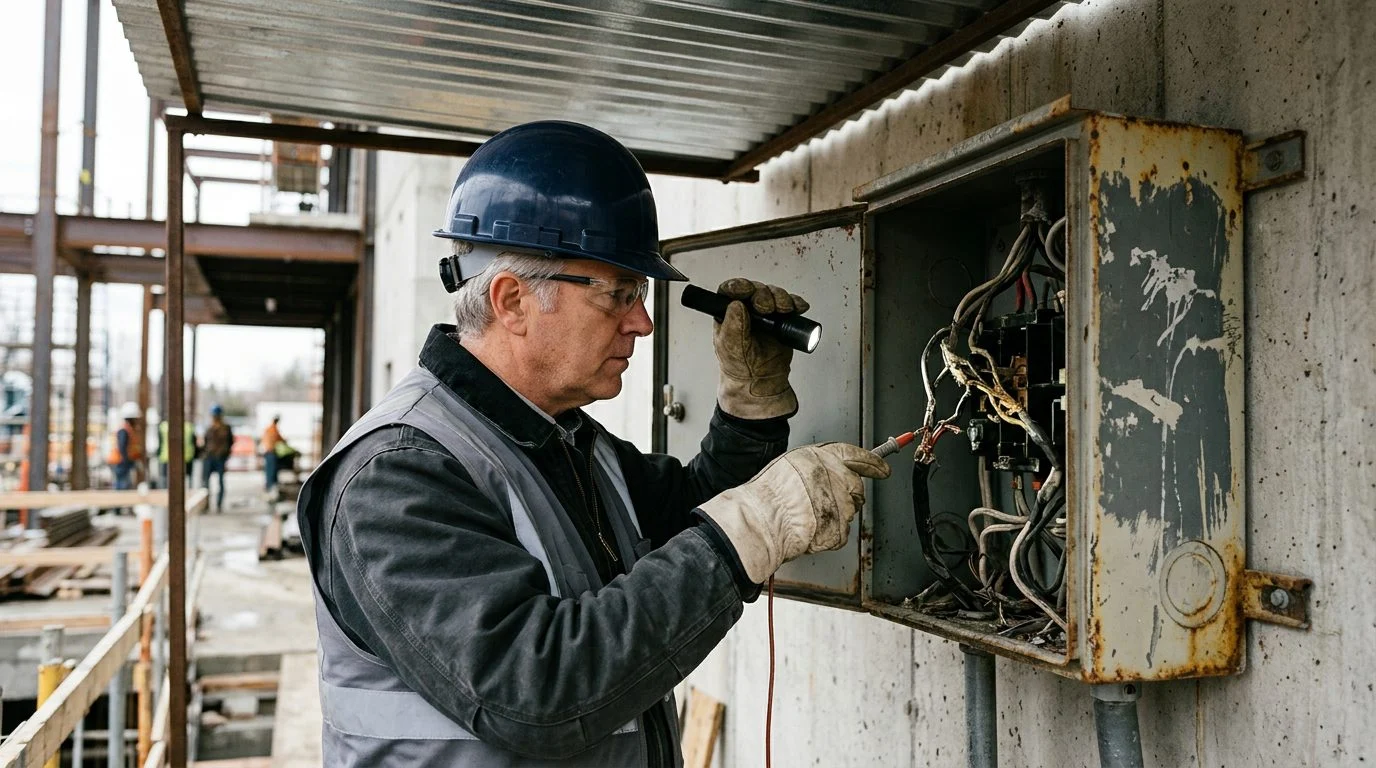
1. Workplace. You were hurt while working. You touched a live wire or energized equipment, and no one shut it off, locked it out, or moved it out of reach. Workers have added protections. OSHA employer responsibilities explains those duties.
2. Premises and property. You were hurt in a space someone controls, such as a rental unit, a pool area, a common hallway, or a parking lot light pole. The shock came from wiring, fixtures, or equipment the owner or manager was responsible for keeping safe. Repair requests and inspection records often show what was known and when.
3. Defective equipment or products. The shock came from a tool, appliance, or cord that may have had a design, manufacturing, or warranty problem. Florida defines a products liability action as a civil action “based upon a theory of strict liability, negligence, breach of warranty, nuisance, or similar theories for damages caused by the manufacture, construction, design, formulation, installation, preparation, or assembly of a product.” Products cases can involve more parties, including the seller, so the item itself must be preserved.
Some cases involve more than one pathway. A worn cord on a rented tool, for example, can raise questions about both the owner’s duty and the product.
How Shocks Happen in Miami Springs Homes, Rentals, and Job Sites
An electrical injury usually happens when electricity takes a path through your body. That path should never be open.
You flip a light switch in a rental unit and feel a jolt. Worn wiring or an outlet without proper grounding can send current where it does not belong.
You step onto a pool deck and grab a metal railing. Pool equipment and nearby fixtures can carry current when wiring is damaged or poorly connected.
You work on a renovation. You touch a live wire or energized equipment, and no one has shut the circuit off.
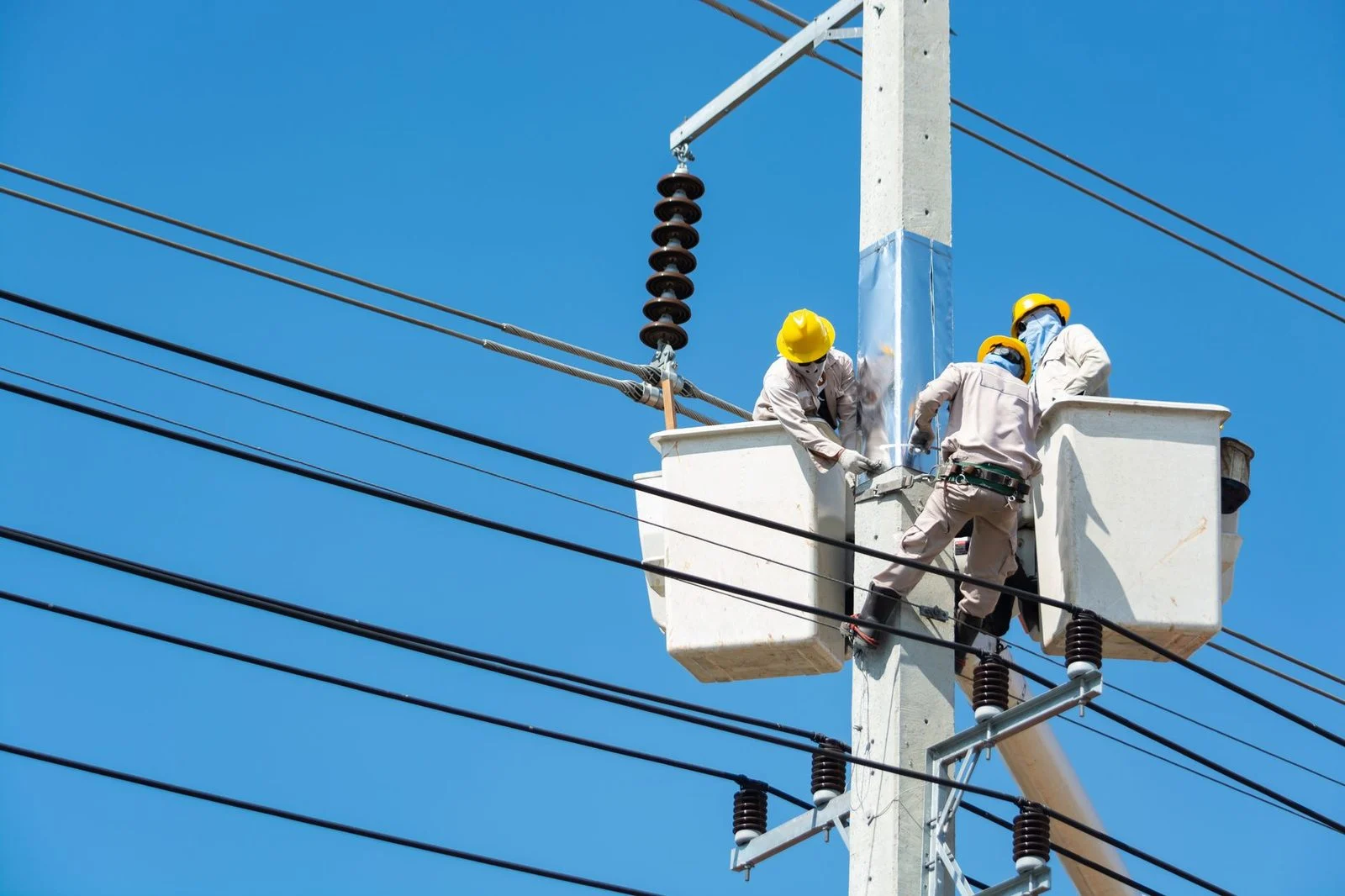
A storm brings down a power line. You walk near a sagging line or standing water. The line may still be live. Heavy rain and storms can cause downed lines and water hazards across Miami-Dade County.
You plug in an old appliance or an ungrounded tool. The shock throws you off your feet and leaves you hurt.
Preventing Electrical Injuries: Safety Steps Families Can Take
Prevention starts with a few habits:
- Have a qualified electrician inspect older wiring, especially in rentals and older apartment buildings.
- Keep electrical equipment away from water, and do not use damaged cords or outlets.
- Report flickering lights, warm outlets, or buzzing fixtures to the property manager in writing.
- On a job site, confirm that circuits are off before work begins, and follow OSHA’s employer guidance linked above.
- Treat any downed power line as live. Keep well back and call 911 so emergency crews, including Miami-Dade Fire Rescue, can respond.
These steps reduce risk, but they do not replace a qualified professional’s inspection.
Why an Electrical Injury Can Be More Serious Than It Looks
An electrical injury can affect the body far beyond the spot where you felt the shock. Current moves through the body and can injure tissue and organs under the skin, even when the entry point looks only lightly marked.
People describe a range of concerns after a shock, including:
- Burns at the entry and exit points
- Heart rhythm changes
- Muscle and nerve pain
- Headaches or memory trouble
Some symptoms can appear hours or days later. A person who feels fine at the scene may still need a doctor’s evaluation.
This page is not medical advice. If you or someone you love was shocked, get medical care right away, and follow your doctors’ care.
Keep records from those first days: emergency room notes, test results, prescriptions, and bills. These records help show what happened and what it cost.
Who May Be Responsible for an Electrical Injury
A property owner, landlord, property manager, contractor, or employer may be responsible if they failed to protect people from electrical hazards. A utility company or an equipment maker may also be involved in some cases. Who is responsible depends on the facts.
Not sure what your next step is?
Talk it through with our team — the first consultation is free, confidential, and carries no obligation.
Florida Filing Deadlines and Shared Fault
Deadlines. Florida sets filing deadlines by law, and they depend on the type of claim and when the injury happened. The limitations rules apply to your case. Because deadlines vary, contact a lawyer promptly.
Shared fault. Florida uses comparative fault. Under Florida’s comparative fault statute, contributory fault chargeable to the claimant “diminishes proportionately the amount awarded,” but “does not bar recovery.” A separate rule applies: in a negligence action, a party found “greater than 50 percent at fault for his or her own harm may not recover any damages.” That 50 percent rule does not apply to medical negligence actions under chapter 766.
Can I still have a claim if I was partly at fault?
Possibly. Your own fault lowers the amount you can recover, but it does not automatically bar recovery. The 50 percent rule above is the point at which recovery is barred in a negligence action, but it does not apply to an action for personal injury or wrongful death arising out of medical negligence under chapter 766.
Evidence to Preserve
Evidence that often matters includes:
- Photos of the scene, outlet, fixture, or equipment, taken only when it is safe
- Names and phone numbers of witnesses
- Incident reports, repair requests, and work orders
- The property’s maintenance and inspection history, when available
- Medical records and bills
Do not repair, discard, or alter the equipment or the scene. Keep the appliance or tool in a safe place until a lawyer has had a chance to review it.
Families and Wrongful Death
When an electrical injury is fatal, Florida law may allow the family to pursue a claim. Florida’s comparative fault statute, § 768.81, provides in subsection (6) that in a negligence action to which the section applies, any party found to be greater than 50 percent at fault for his or her own harm may not recover any damages, and that this subsection does not apply to an action for damages for personal injury or wrongful death arising out of medical negligence pursuant to chapter 766. Under § 768.81(6), in a negligence action to which the section applies, any party found to be more than 50 percent at fault for his or her own harm may not recover any damages. This bar does not apply to an action for damages for personal injury or wrongful death arising out of medical negligence pursuant to chapter 766. Strict filing deadlines apply, so families should reach out as soon as they can.
How CHG Personal Injury Lawyers Handles Electrocution Claims
CHG Personal Injury Lawyers is a Florida-based personal injury firm. We handle car and truck accidents, slip-and-falls, negligent security, and catastrophic injuries, and electrocution injuries are part of that work. Igor Hernandez is the responsible lawyer for this page. Our attorneys are admitted to practice law in Florida, and our team serves clients throughout Florida.
In a consultation, we review what happened, look at your injuries and treatment, and talk through your options with you. Your first consultation is free, confidential, and comes with no obligation to continue. CHG charges no attorney’s fees and no case costs unless there is a recovery.
Some matters may be referred to, or handled together with, another law firm. If that applies to your case, we will explain it to you clearly.
Our full guide to electrocution injury claims in Florida covers the wider picture. Similar shock risks can arise in nearby communities such as Hialeah Gardens, Opa-locka, and Key Biscayne, which follow the same Florida rules.
If a shock left you or a loved one with burns, nerve pain, or heart symptoms, you may want to talk with a lawyer. You can request a case evaluation with CHG Personal Injury Lawyers.
Resumen en español
Las lesiones por electrocución en Miami Springs pueden ocurrir en una vivienda de alquiler, junto a una piscina, en un lugar de trabajo o en la calle después de una tormenta. Si usted o un ser querido recibió una descarga, podría tener una reclamación contra las personas o empresas que no mantuvieron el lugar seguro.
Un reclamo suele surgir por tres vías: en el trabajo, en una propiedad que alguien controla, o por un equipo o producto defectuoso que se alega causó la descarga. Busque atención médica de inmediato y siga las indicaciones de sus médicos. Guarde los expedientes médicos, las facturas y las fotos del lugar.
Los plazos para presentar una demanda los fija la ley de Florida y varían según el tipo de reclamo, así que comuníquese con nosotros pronto. CHG Personal Injury Lawyers ofrece una consulta inicial gratuita, confidencial y sin compromiso. CHG no cobra honorarios de abogado ni costos del caso a menos que haya una recuperación.

Have questions about what happened?
Ask our team directly. The first conversation is free, confidential, and there is no obligation to continue.
Frequently Asked Questions
What are electrocution injuries, and how do they happen?
Electrocution injuries happen when electrical current passes through the body. This often comes from live wiring, faulty outlets, damaged equipment, or contact with downed power lines. They can cause burns, nerve damage, heart rhythm problems, and other harm that may not be obvious right away.
Can I file a claim if I was shocked on someone else’s property in Miami Springs?
You may have a claim if a failure to keep the property safe caused your injury. Florida sets deadlines for these claims, so contact CHG Personal Injury Lawyers promptly. The firm offers a free, confidential first consultation with no obligation to continue.
What should I do after an electrical injury?
Get medical care right away, even if you feel fine. Some electrical injuries show up hours or days later. Follow your doctors’ care, keep records of your treatment, and save photos and the names of any witnesses.
Can a family file a claim if a loved one dies from electrocution?
Florida law may allow a family to pursue a wrongful death claim after a fatal injury. Strict filing deadlines apply, so families should reach out to CHG Personal Injury Lawyers as soon as they can.
How We Can Help
Licensed Florida Attorneys
Our attorneys are admitted to The Florida Bar. Igor Hernandez is the responsible attorney for this page.
Free First Consultation
Your first consultation is free, confidential, and comes with no obligation to continue.
No Fees Unless There Is a Recovery
We charge no attorney's fees and no case costs unless there is a recovery.
Serving Miami Springs and Florida
We represent people hurt in Miami Springs and communities across Florida, from Miami to Orlando, Tampa, and Jacksonville.
Important: Seek Medical Care Right Away
Electrical injuries can cause harm that does not show up for hours or days, including heart rhythm changes and internal damage. Please follow your doctor's care, even if you feel well enough to go home.
Common Sources of Electrical Injury
Faulty Wiring and Outlets
Old, damaged, or improperly installed wiring can cause shocks inside homes, apartments, and businesses.
Defective or Damaged Equipment
Appliances, tools, and machines that are worn or poorly maintained can deliver a shock during ordinary use.
Downed or Exposed Power Lines
Contact with fallen lines or unprotected electrical equipment can cause severe injuries, including after storms.
Work and Construction Sites
Contact with overhead lines or live circuits on job sites can lead to serious harm for workers and visitors alike.