
Electrocution Injuries | Serving Florida
Hurt on a Boat Dock by Electrical Current? You Do Not Have to Figure Out the Cause Alone.
Stray current in Florida’s waterways can create dangerous conditions at a dock. Here is how these injuries happen, who may be involved, and how a claim can be looked into.
By CHG Lawyers · Published November 13, 2026
Electrical current can leak into the water near a dock or boat. When that happens, someone can get hurt. The people who controlled the equipment may be responsible. Families often have many questions after a loss, and CHG Personal Injury Lawyers can talk with them about their options.
This page explains how these injuries happen. It also explains who may be responsible and what to do next.
What Electrocution at a Marina, Dock, or Boat Looks Like
Electrocution at a dock or boat usually means electrical current reached the water. It may also have reached a metal part that a person touched. The result can be a shock, burns, heart problems, or loss of the ability to swim.
Electric shock drowning is the name often used for this. Current in the water keeps a swimmer from moving toward safety. The shock stops the swimmer from moving. The person may not be able to reach a ladder or the edge of a dock. Drowning can follow.
This page is written for:
- Boaters and swimmers near docked boats
- Dock users and marina guests
- Families of someone who was hurt or died
FloridaHealthFinder describes the causes, effects, and first-aid steps for electrical injury. Injuries can range from burns to heart effects. In serious cases, they can cause lasting disability or death.
CHG Personal Injury Lawyers handles personal injury cases of every severity.
If a family member was shocked at a dock or on a boat in Florida, CHG Personal Injury Lawyers can review what happened and who may be responsible. Talk it through with our team — the first consultation is free, confidential, and carries no obligation.
How Electricity Gets Into the Water
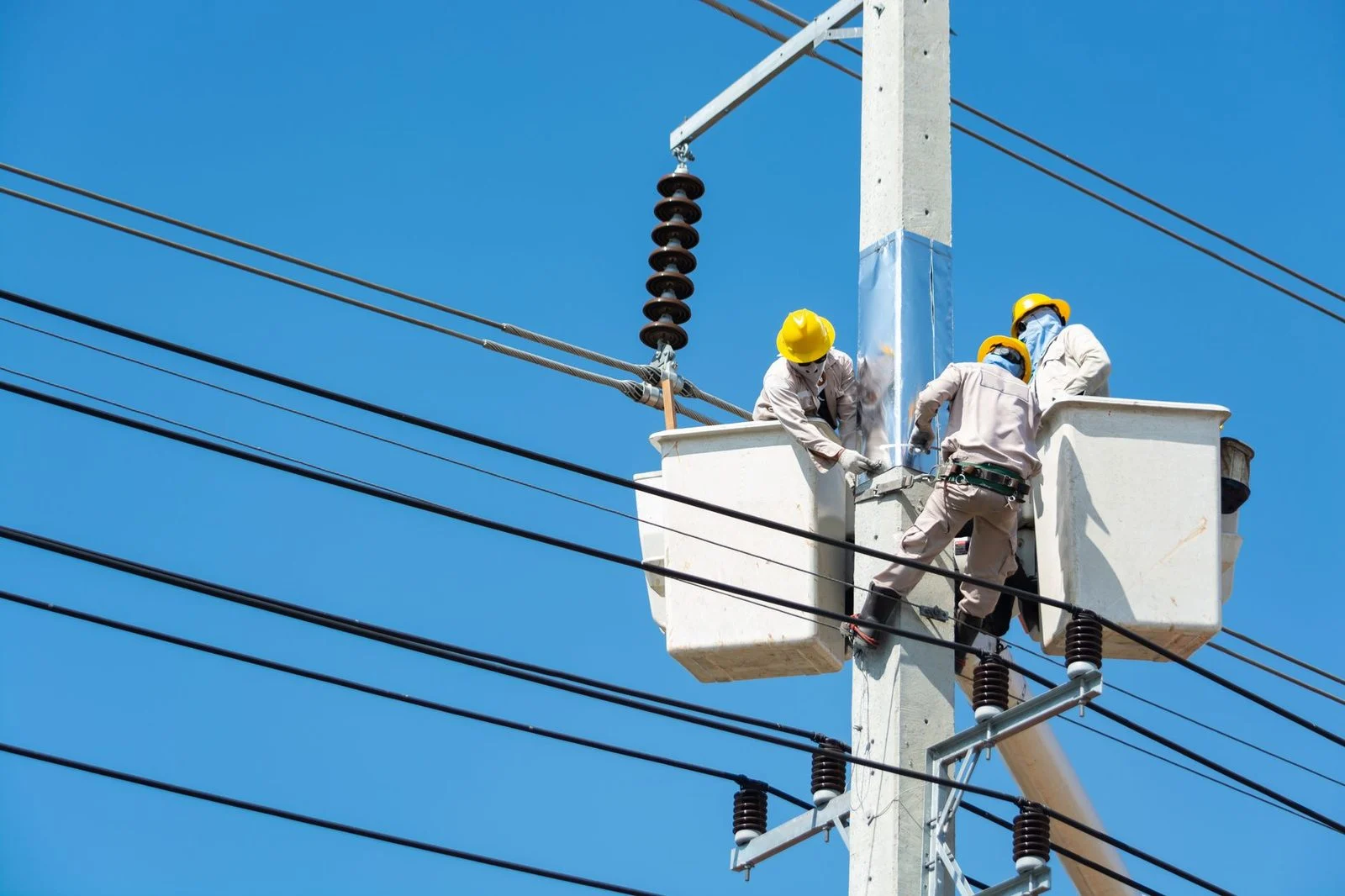
Electricity usually reaches the water when a wiring fault lets current escape. The current leaves a system that is meant to contain it.
Common paths include:
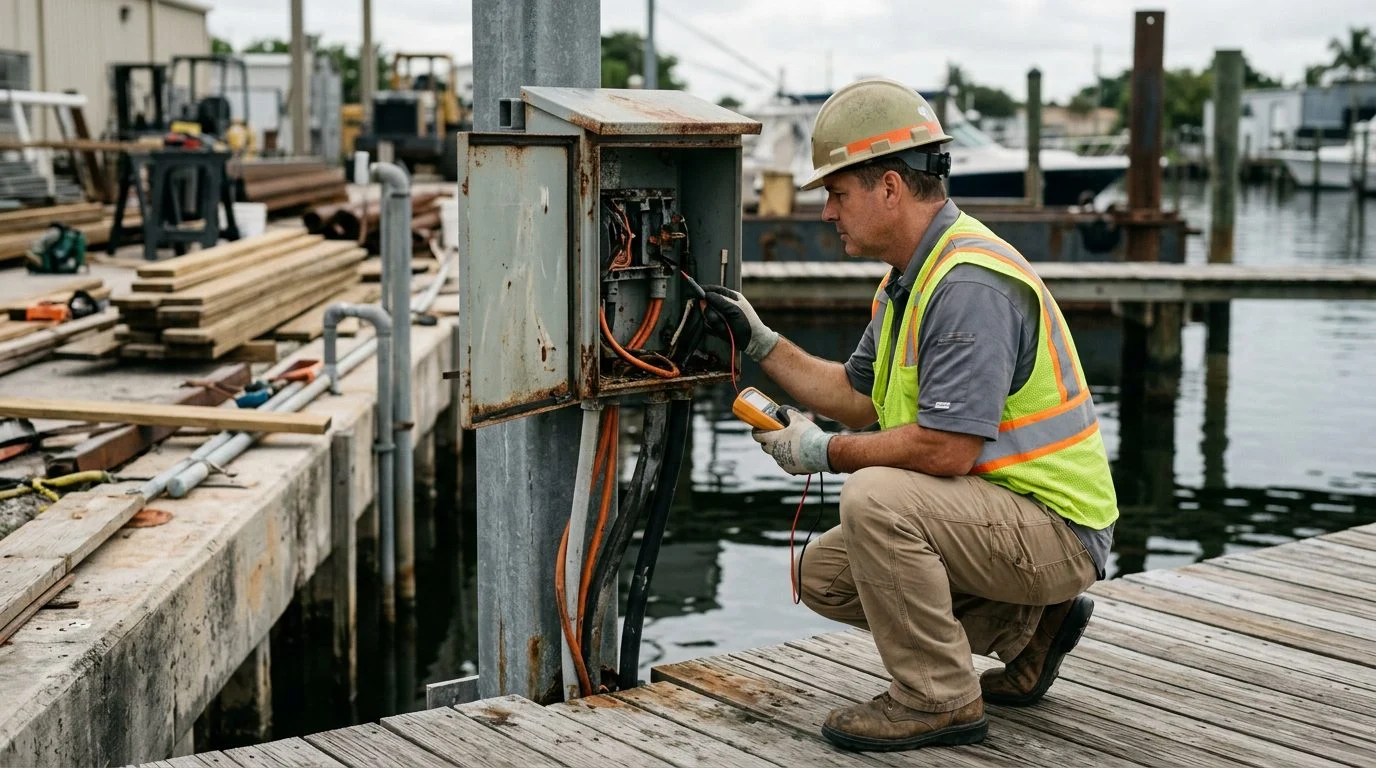
- Shore power. This is the heavy cord and plug that bring dock power to a boat. A cracked cord, corroded plug, or damaged pedestal can leak current.
- Dock wiring and lighting. Old or poorly kept wiring, lights, and outlets along a dock.
- Boat lifts. Lifts on private canal-side docks often combine electric motors, water, and metal.
- Onboard systems. Faulty wiring or pumps on the boat can energize (put electrical current into) the hull or the water around it.
This is often called stray current. It spreads through the water. A swimmer or a metal ladder can carry it. The water can look calm and clear while it carries a dangerous current.
OSHA’s electrical safety pages describe the electrical hazards that cause shock and electrocution. Miami-Dade County’s electrical safety tips list common wiring-related hazards and precautions.
Who May Be Responsible for the Injury
The people who controlled the dock, boat, or wiring may be responsible. This is true if they failed to keep it safe.
Possible parties include:
- Marina operators and dock owners who maintain the wiring, pedestals, lights, and lifts
- Boat owners who control the vessel and its shore-power connection
- Repair companies and electricians whose work on wiring, lifts, or boat systems was done incorrectly
Under Florida law, a business owes a duty to its invitees. A duty is a legal obligation. Invitees are people invited onto the property, such as paying marina guests. The business must keep the property reasonably safe. It must also warn of hidden dangers it knew or should have known about.
The Florida Supreme Court in Valladares v. Bank of America explains this rule. The Fifth District’s ruling in Ruiz v. Wendy’s Trucking notes that invitees are owed reasonable care.
A claim also needs legal cause. Legal cause means the negligence (a failure to use reasonable care) must directly and in natural and continuous sequence produce, or contribute substantially to producing, the harm. In plain terms, the negligence must be a cause of the injury, and it does not have to be the only cause. Florida’s standard jury instruction on legal cause sets out that test.
Florida’s vessel statute treats vessels as dangerous instrumentalities. This is a legal label for items that carry a high risk of harm.
When a shock causes a death through a wrongful act, negligence, default, or breach of contract or warranty, the Florida Wrongful Death Act allows a claim. The claim is against the party who would have been liable had the person lived. The personal representative brings the action. This is the person who manages the deceased person’s estate. The action is for the survivors and the estate.
The personal representative brings the action and recovers, for the benefit of the survivors and the estate, all damages specified in the Florida Wrongful Death Act.
When Maritime Law and Florida Law May Apply
Injuries on navigable waters (waterways open to boat traffic) or aboard boats can fall under federal maritime law, while injuries on a dock are usually handled under Florida law. So some cases involve both sets of rules.
Maritime rules can differ from ordinary Florida rules for property. Except as otherwise provided by law, under federal maritime law, a civil action (a lawsuit) for personal injury or death from a maritime tort must be brought within 3 years after the cause of action arose. A maritime tort is a civil wrong, such as negligence, committed on navigable waters.
Florida’s limitations statute sets a two-year period for actions based on negligence. A limitations statute is a law that sets the deadline for filing a case.
Florida also sets fault rules. Under the comparative fault statute, a party found more than 50 percent at fault for its own harm may not recover damages in a negligence action under Florida law, and a maritime claim may be subject to different fault rules. Fla. Stat. § 768.81 sets out these comparative fault rules. A judgment is a court’s final decision. In a Florida negligence action, the court generally enters judgment against each liable party based on its percentage of fault, rather than on joint and several liability, and federal maritime law may apply a different rule. This matters when a marina, a dock owner, and a repair company all share blame.
A matter may be referred to, or handled together with, another law firm. The firm will explain that before any work begins.
Deadlines apply. Contact the firm promptly rather than waiting.
What to Do After a Shock and What to Keep
If someone may have been shocked near water, call 911 right away. Stay out of the water where a shock is suspected. Do not enter it to help.
Warning signs include:
- Tingling in the water
- A metal rail or hull that feels live
- Flickering dock lights
- A swimmer who suddenly struggles near a boat
Evidence that helps a claim includes:
- Photos and video of the dock, boat, cords, pedestals, and lifts
- The date, time, and exact location
- A description of the condition of cords, plugs, and lights as you saw them
- Maintenance and repair records
- Names and contact details for witnesses
- All medical records and bills
Follow your doctors’ care plan. Medical records also help show what happened.
Frequently Asked Questions
What is electric shock drowning?
It is drowning that can happen when electrical current in the water stops a swimmer from moving or reaching safety.
Who can be responsible for a dock or boat shock?
Depending on the facts, a marina operator, dock owner, boat owner, or repair company may be responsible. A consultation can review who controlled the equipment.
Can a family bring a claim after a fatal shock?
Florida’s Wrongful Death Act lets the personal representative bring the claim. The claim is for the survivors and the estate. Deadlines apply. Families should contact the firm promptly.
How long do I have to file?
Florida’s general limit for negligence claims is two years, but some claims follow different rules. Maritime claims carry a federal three-year limit. Deadlines apply, and the right one depends on the facts.
Do I have to pay to talk with the firm?
You do not. The first consultation is free, confidential, and carries no obligation to continue. CHG charges no attorney’s fees and no case costs unless there is a recovery.
Not sure what your next step is?
Talk it through with our team — the first consultation is free, confidential, and carries no obligation.
What Happens After You Contact CHG Personal Injury Lawyers
Your first step is a free, confidential consultation. There is no obligation to continue.
- Review the facts. We listen to what happened, where it happened, and who controlled the dock or boat.
- Gather evidence. The firm looks at maintenance records, wiring and repair documents, and incident reports. It identifies the parties who may be responsible.
- Explain the rules. The firm explains the Florida and maritime rules that may apply, and the deadlines. It also explains whether a referral or joint handling with another firm makes sense.
- Keep you informed. The firm keeps you updated as the case moves. No outcome or settlement amount can be promised.
Igor Hernandez is the responsible lawyer for this page. He is admitted to The Florida Bar. The firm is Florida-based and serves clients throughout Florida.
Talk With a Florida Personal Injury Firm About Your Dock or Boat Shock
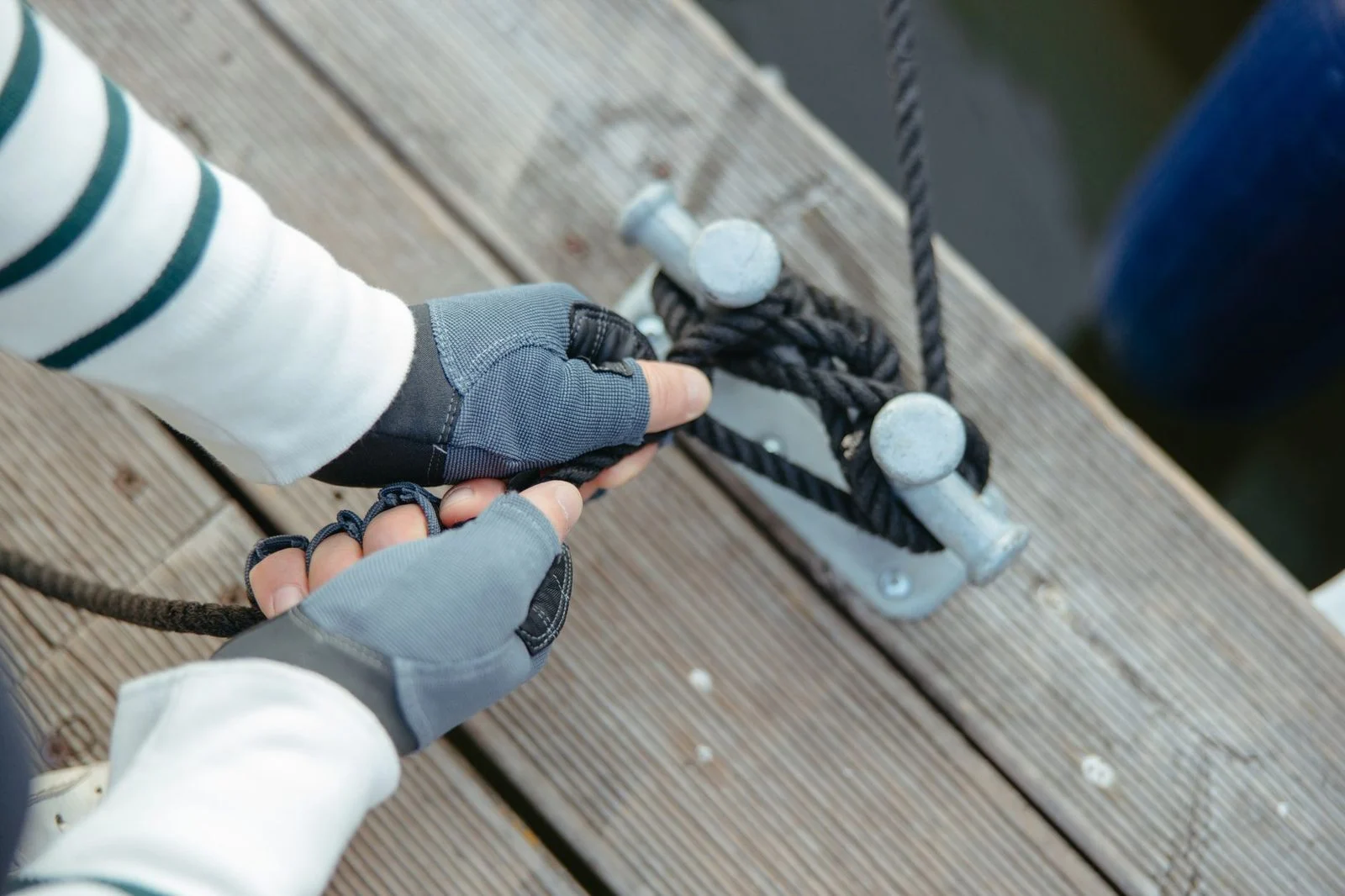
If a family member was shocked at a dock or on a boat, you do not have to sort out the legal questions alone. The same is true if a loved one did not come back up from the water.
Contact CHG Personal Injury Lawyers for a free, confidential case evaluation. We will review the facts and the deadlines that may apply.
If You See Someone in Trouble in the Water
Do not enter the water to reach a person if you suspect electrical current is present. Call 911 right away, keep others away from the dock and any boat or metal railing, and tell first responders that electrical shock is possible.
How CHG Personal Injury Lawyers Can Help
Free First Consultation
Call to talk through what happened. The first consultation is confidential and comes with no obligation to continue.
Evidence Review
Our team can help identify and preserve photos, repair records, dock and marina information, and other details that may matter to a claim.
Support for Families
When an electrical injury or drowning leads to a death, our lawyers work with the family to explain their options with care and clarity.
No Fees Unless There Is a Recovery
The firm charges no attorney's fees and no case costs unless there is a recovery.
Steps to Take After a Dock Electrical Injury
Get Medical Care
Seek medical evaluation right away, even if symptoms seem mild. Follow your doctors' care and keep every record.
Document the Scene
If it is safe, photograph the dock, wiring, outlets, boat, and surrounding water, and note the date, time, and who was present.
Keep Records
Save receipts, repair invoices, marina agreements, and any messages with the dock owner, marina, or boat operator.
Contact Our Team Promptly
Legal deadlines can apply to injury claims in Florida. Reach out early so the facts can be reviewed while they are fresh.