

Electrocution Injuries | Serving Florida
Hurt by an Electric Shock? Here Is What to Do Next
Electrical injuries can look minor at first and still need prompt medical attention. Here is how to protect your health and your options.
By CHG Lawyers · Published November 11, 2026
A shock at home, in a rental unit, at work, or near a pool can leave someone hurt, even when they seem fine right away. Knowing what to do after electric shock can protect the person and help the family later.
The first steps are simple. Cut the power if you can do it safely, call 911, and get a medical check the same day. Electrical injuries can affect the heart, breathing, nerves, and muscles, and those effects don’t always show on the skin. This page covers those first steps, what to keep, and Florida’s filing deadlines. For the bigger picture, read our guide to electrocution injuries in Florida. This is general information, not medical advice.
Start With Safety: Cut the Power Before You Touch Anyone
Do not touch a person who is still in contact with the electrical source. Your own contact with the current can hurt you too.
Picture a common scene. A tenant plugs a space heater into a damaged outlet and is thrown back. A worker touches a live tool. A child grabs a cord near water. In each case, the first job is to stop the current, not to grab the person.
If you can reach the breaker or main switch safely, turn off the power. If you can’t, move the source away with a dry, non-conductive object, such as a wooden broom handle or a dry plastic item. Never use metal.
Then call 911 right away. Don’t wait to see whether symptoms appear. At a job site, tell a supervisor who can shut down the equipment. OSHA’s arc flash guidance also says electrical arcs can cause burn injuries.
If an electrical shock hurt you or someone you love, our team can talk with you about who may be responsible and what your options may be. Talk it through with our team — the first consultation is free, confidential, and carries no obligation.
Call 911 and Get Medical Care Even If the Person Seems Fine
Yes, every person who has been shocked needs a prompt medical evaluation, even if they feel fine. A medical review of electrical injuries in adults states that these injuries call for prompt emergency evaluation and management.
The same review explains that electrical injuries can affect the heart, breathing, nerves, muscles, kidneys, and eyes. They can also cause burn-related injury. Some of these effects aren’t visible on the skin.
If the person isn’t breathing or has no pulse, follow the instructions of the 911 dispatcher. Keep the 911 caller on the line, since the operator can guide you. Tell responders about any loss of consciousness, fall, or possible head or spine injury. Let trained responders handle moving the person.
A shock from a household outlet can still need emergency evaluation. Follow the instructions of the treating doctors, and ask them about anything you don’t understand.
Is a 120-Volt Shock Dangerous?
Yes. A 120-volt household shock can cause serious injury, and it should never be brushed off.
Voltage is only one part of the picture. The path the current takes through the body, and how long contact lasts, also matter. The FloridaHealthFinder electrical injury entry covers the causes, effects, symptoms, hazards, and first-aid steps for electric shock.
A shock that seems minor can still cause burn-related injury, heart irregularities, or a fall. The person may feel shaken or unlike themselves afterward. That is a reason to get checked, not a reason to wait.
No voltage level makes a shock safe to ignore. If you’re unsure, treat it as a medical event and get evaluated.
What Electrical Injuries Can Look Like in the Hours and Days After
Some problems appear hours or days after a shock. That’s why a same-day check and a follow-up visit both matter.
Problems after an electrical shock can include burns where the current entered and left the body, muscle pain or spasms, headaches, numbness or tingling, trouble with memory or focus, and a racing or irregular heartbeat. A fall caused by the shock can bring its own injuries, such as fractures. Any seizure or fracture needs prompt medical attention.
Keep a written list of new symptoms, with the date each one began. Bring that list to every appointment. It gives the doctor accurate information, and it gives you a record if symptoms continue.
Document the Scene Before Anything Is Repaired or Thrown Away
Keep the outlet, cord, appliance, or tool involved. Don’t repair or discard it until you have photographed it and stored it safely.
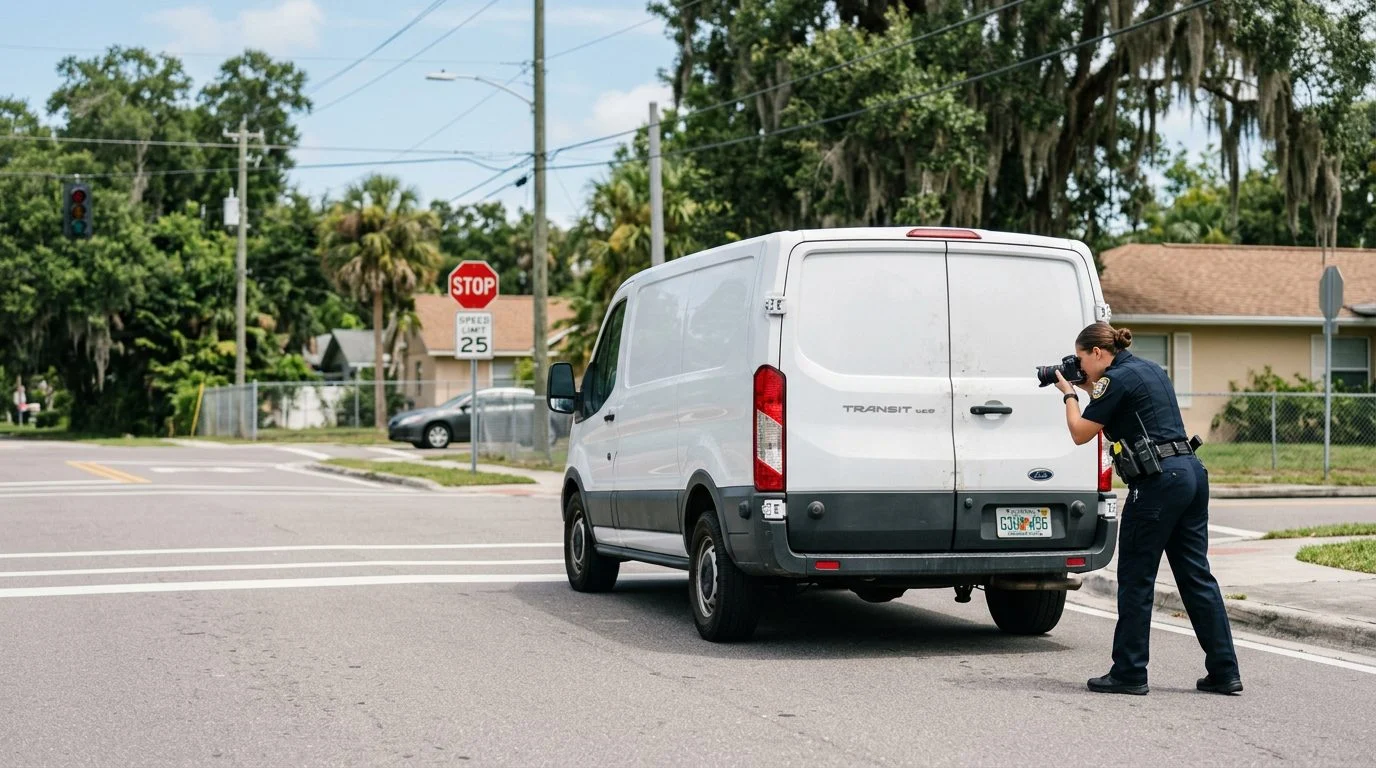
Photograph the item, the outlet or breaker box, any visible wiring or junction, and the area around it. On a job site, include the equipment and the work area. Near a pool, include the pump, light, or other nearby equipment.
Write down the date, the time, and the weather or site conditions. List the names and phone numbers of witnesses and anyone else who was present. Write these notes the same day, while details are fresh.
Save every text, email, and repair request about the electrical problem. This includes messages to a landlord, property manager, or employer. Keep all medical bills, discharge papers, and visit records, and ask for copies.
Report the Incident to the Right People
Report a rental-unit shock to the landlord or property manager in writing. Keep a copy of your report.
Report a workplace shock to your employer as soon as possible. Under Fla. Stat. § 440.11, an employer’s workers’ compensation liability is generally exclusive of other liability to the employee. The statute lists exceptions, including a failure to secure compensation and certain intentional torts. Because this area is technical, ask about your options early.
If the shock involved the building’s wiring or meter, the local fire department or utility company may inspect the system. Ask for a copy of any report.
Be careful with recorded statements. Don’t give a recorded statement about the injury to an insurer or property owner before you talk with a lawyer.
Not sure what your next step is?
Talk it through with our team — the first consultation is free, confidential, and carries no obligation.
Who May Be Responsible and Florida’s Deadlines
More than one party can share responsibility after an electrical shock. Florida also sets deadlines for bringing a claim.
A property owner who failed to maintain wiring, a contractor who did faulty work, a manufacturer whose product failed, or an employer who failed to protect workers may each play a role. Under Fla. Stat. § 768.81, in a negligence action a court enters judgment against each liable party based on that party’s percentage of fault, not joint and several liability.
Florida’s comparative fault rule also matters. Under Fla. Stat. § 768.81(6), a party found more than 50 percent at fault for his or her own harm may not recover any damages in a negligence action. You can read the statute itself at Fla. Stat. § 768.81.
For negligence claims, Fla. Stat. § 95.11(5)(a) sets a two-year period. Under ch. 2023-15, that two-year period applies to causes of action that accrued after March 24, 2023. The amendments made by this act to s. 95.11, Florida Statutes, apply to causes of action accruing after the effective date of this act (Ch. 2023-15, § 28, Laws of Fla.).
Shocks in rental units can raise specific questions. Deadlines depend on the facts of each case, so don’t wait to ask.
Take the Next Step: Talk With a Florida Injury Lawyer
If an electrical shock hurt you or someone you love, a talk with a lawyer can help you understand your options.
Frequently asked questions
What should you do first after an electric shock?
Cut the power if you can do it safely, and don’t touch the person until you have. Then call 911.
Is a 120-volt shock dangerous?
It can cause serious injury, so it deserves a medical check. No voltage level makes a shock safe to ignore.
Can symptoms show up days later?
Yes, some symptoms appear hours or days later. Keep a written list and share it with the treating doctors.
How long do you have to file a claim in Florida?
For most negligence claims that accrued after March 24, 2023, the period is two years. Deadlines for these claims are set in s. 95.11, Florida Statutes.
You may be juggling doctor visits, bills, and time off work while trying to figure out who should have prevented this. You don’t have to sort it out alone. CHG Personal Injury Lawyers offers a free, confidential first consultation with no obligation to continue. Igor Hernandez, a lawyer with the firm, is the responsible attorney for this page. The firm’s lawyers are licensed in Florida, and the firm serves people throughout Florida. CHG charges no attorney’s fees and no case costs unless there is a recovery. If your matter is referred to or handled with another firm, the firm will tell you. Contact CHG Personal Injury Lawyers to ask about your situation.
Immediate Steps After an Electric Shock
1. Cut the Power First
If you can do it safely, switch off the power at the breaker or fuse box, or unplug the source. Do not touch the person until the power is off.
2. Call 911
Call 911 right away, even if the person seems fine. Electrical injuries can affect the heart and nervous system in ways that are not visible.
3. Get Medical Care
Every shock deserves a medical check. Follow your doctor's care plan and attend all follow-up appointments.
4. Document the Scene
If it is safe, photograph the outlet, wiring, appliance, or equipment involved, and write down where and when the shock happened and who was present.
Safety Warning
Never touch someone who is still in contact with an electrical source. Turn off the power first, or move the source away with a non-conductive object such as dry wood or rubber, and then call 911.
How CHG Personal Injury Lawyers Can Help
Free First Consultation
Your first consultation is free, confidential, and comes with no obligation to continue.
No Fees Unless There Is a Recovery
CHG charges no attorney's fees and no case costs unless there is a recovery.
Florida-Based Attorneys
Our licensed attorneys, admitted to practice in Florida, represent people injured across Florida, including electrocution and other serious injury cases.
Care for Your Family
Our team can explain your options in plain language.