
Rental Property Injuries | Serving Florida
Hurt by Electricity at a Florida Rental? You Do Not Have to Figure It Out Alone
CHG Personal Injury Lawyers helps Florida tenants, guests and their families understand who may be responsible when faulty wiring or electrical hazards cause injury.
Why Start With a Consultation
Free
First consultation, confidential and with no obligation to continue
Florida
Representing people hurt across the state
Licensed
Attorneys admitted to The Florida Bar
By CHG Lawyers · Published November 13, 2026
An electrical shock at a rental property in Florida can cause serious harm. This can happen even when the danger is hidden inside the walls. Someone hurt this way can talk with our team to learn about their options.
The key question is simple. Did the owner know about the danger? Or should the owner have known? And did the owner fail to fix it?
This page explains what counts. It describes the injuries that can follow. It also covers which Florida deadlines may apply.
Who This Page Is For and What a Rental Electrical Claim Involves
This page is for tenants, guests, and families hurt by an electrical shock in a Florida rental. A claim like this asks one main question. Did the owner keep the property reasonably safe?
Maybe you felt a jolt from a light switch in your apartment. Maybe you were burned at an outlet during a visit to a friend’s home. Maybe you are a parent whose child was shocked near a shared pool. Each case asks the same basic question.
Lawyers often call this premises liability. This means a claim that an owner’s unsafe property caused harm. The claim focuses on wiring, outlets, breakers, and appliances that the owner controls.
Florida’s standard jury instructions explain legal cause. Negligence (carelessness that falls short of reasonable care) is a legal cause of injury. It is a legal cause if it directly produces the injury, or substantially contributes to it, in a natural and continuous sequence. The injury would not have happened without the negligence (Florida standard jury instruction).
Not sure what your next step is?
Talk it through with our team — the first consultation is free, confidential, and carries no obligation.
How Electrical Shock Injuries Happen in Florida Rental Properties
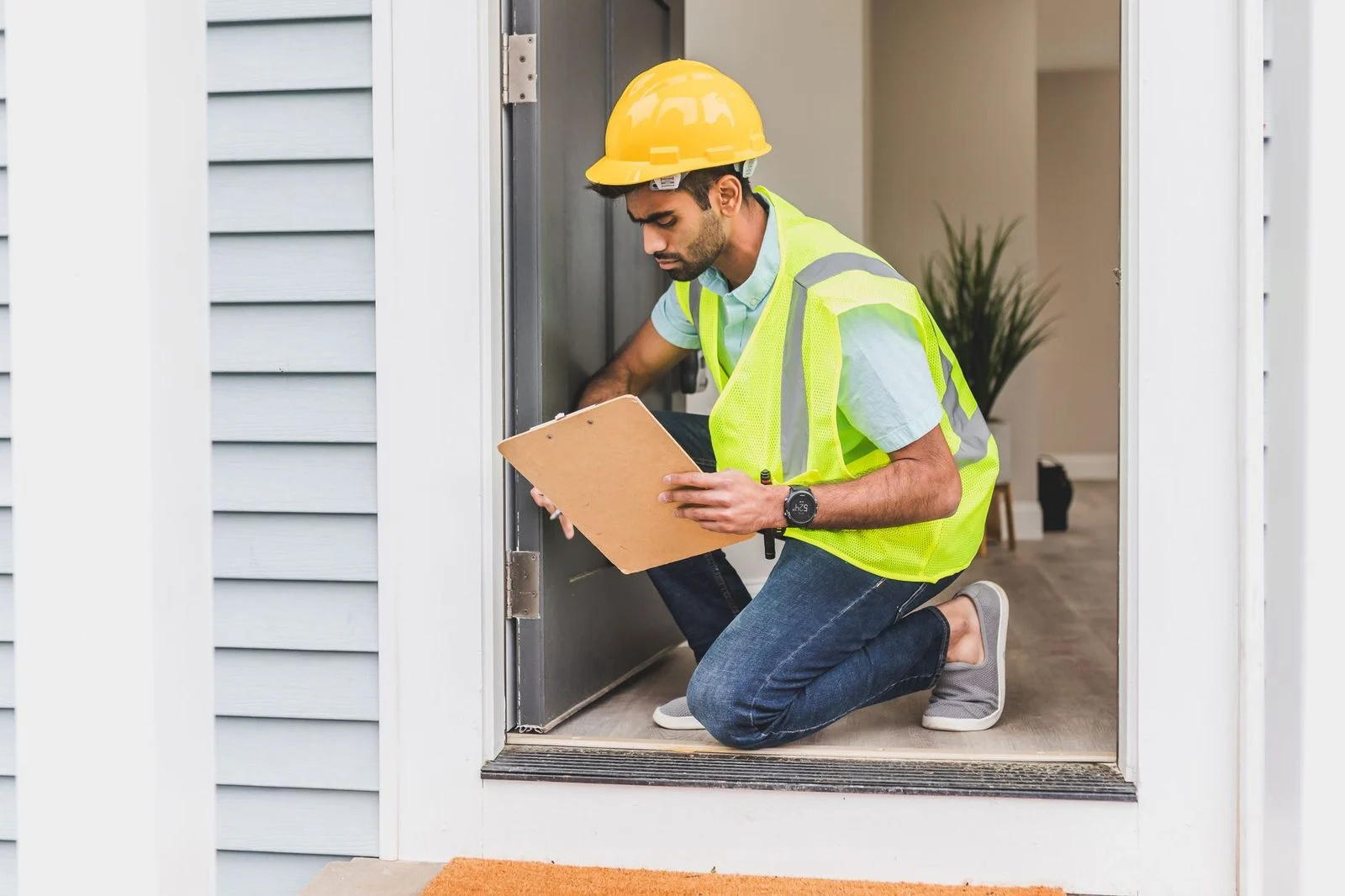
Many rental electrical shocks start with a problem that was never fixed. The problem might involve wiring, an outlet, a breaker, or an appliance. Often, the problem was known before anyone got hurt.
Common causes include:
- Damaged, loose, or ungrounded outlets
- Exposed, worn, or brittle wiring
- Overloaded circuits and faulty breakers
- Cracked housings or frayed cords on appliances
- Outlets near sinks, pools, balconies, and garages
- Water in electrical boxes after a storm or plumbing leak
Water raises the risk. Water and electricity are a dangerous mix. Wet locations need extra attention.
Not every shock is the owner’s fault. For example, a tenant who runs a damaged extension cord or opens a panel may change who is responsible. The cause matters most. Who controlled the equipment matters too.
A shock can also come from an appliance the owner supplied. It can come from building wiring that the owner was responsible for keeping in repair. Federal workplace guidance describes common electrical hazards and how they injure people (OSHA electrical hazards).
What Florida Law Expects From Property Owners
Did the owner keep the property reasonably safe? Did the owner warn people about dangers the owner knew about? The relationship between the owner and the person affects the duty owed.
A Florida appeals court opinion describes the limited duty owed to uninvited licensees and trespassers. The owner must avoid willful injury. Once the owner knows someone is present, the owner must warn of known dangers. These are dangers that are not open to ordinary observation (Ruiz v. Wendy’s Trucking).
Faulty wiring can be a hidden danger of that kind.
Courts look closely at what the owner knew or should have known. Written repair requests, texts, and the owner’s replies often become key evidence. A repair that was requested and never done can change how a case looks. Whether the owner broke the duty depends on the facts of each unit.
Injuries That Can Follow an Electrical Shock
An electrical shock can cause burns, heart and breathing problems, nerve and muscle injury, and falls. The effects depend on the path of the current. They also depend on how long the contact lasts.
The FloridaHealthFinder health encyclopedia covers the causes, effects, and first-aid steps for electric shock (FloridaHealthFinder electrical injury guide). Electrical arcs can also cause severe burns. OSHA explains how these burns happen (OSHA flash hazards).
Some shocks cause catastrophic harm. These include:
- Spinal cord injury
- Traumatic brain injury after a fall
- Amputation
- Severe burns
Some of these injuries are permanent. They can change daily life for years.
Some injuries are not obvious at first. Get emergency care after any shock. Follow your doctors’ care plan.
A shock can also be fatal. When a family loses someone this way, Florida law says the decedent’s personal representative brings the claim. The decedent is the person who died. The personal representative is the person legally appointed to act for that person’s estate. The claim is for the survivors and the estate (§ 768.20).
A surviving spouse may recover for lost companionship and mental pain and suffering in the wrongful death action (§ 768.21). The Supreme Court of Florida explained this in Ripple v. CBS Corp..
How a Rental Electrical Claim Is Built, Step by Step
A rental electrical claim usually moves through five steps. The steps run from medical care to settlement talks or a lawsuit. Each step builds on the one before it. Missing records early can make later steps harder.
- Get medical care. Keep every record and bill. Florida limits proof of satisfied past medical bills to the amount actually paid (§ 768.0427).
- Photograph the scene. Capture the outlet, wiring, panel, or appliance as it is. Keep any damaged item unaltered.
- Gather the written record. This includes the lease, repair requests, and texts and emails with the owner. It also includes inspection reports and any code violation notices.
- Investigate the equipment. The firm may request maintenance and inspection records. It may also work with electrical engineers or fire investigators to examine the equipment.
- Negotiate or file suit. Many claims move through insurance talks first. If needed, a lawsuit can be filed in a Florida court. Timing varies with each case.
Florida Deadlines, Fault Rules, and Evidence to Preserve
Florida generally requires a negligence lawsuit within two years (§ 95.11). The date the claim started matters. The rules depend on timing.
- Accrual: A cause of action accrues when its last element occurs. “Accrues” means the legal clock starts (§ 95.031).
Deadlines apply to these claims. Do not assume you have time.
Florida also uses a shared-fault rule, called comparative fault. This means each person’s share of blame is weighed. In a negligence action to which this section applies, a party found more than 50 percent at fault for his or her own harm may not recover any damages, though this does not apply to personal injury or wrongful death actions arising out of medical negligence under chapter 766 (§ 768.81). Fault below that line reduces the award. It does not bar recovery.
Preserve these items if you can:
- Outlet and wiring locations, and any photos showing them
- The breaker panel and the appliance involved
- Dated messages, repair tickets, and lease papers
- Names of anyone who saw the event
Speak with the firm before you repair, replace, or throw away a damaged outlet, wire, or appliance. Doing so can remove key evidence.
Not sure what your next step is?
Talk it through with our team — the first consultation is free, confidential, and carries no obligation.
Why Choose CHG Personal Injury Lawyers
CHG Personal Injury Lawyers is a Florida-based personal injury firm. It handles cases of every severity. These range from everyday accidents to catastrophic injuries, including electrocution injuries. You can read more in our electrocution injuries guide.
Igor Hernandez is the responsible lawyer for this page. Our attorneys are licensed in Florida and admitted to The Florida Bar. Our team serves clients throughout Florida, including people in Miami, Orlando, Tampa, and Jacksonville.
The firm also handles car and truck crashes, slip-and-fall cases, negligent security claims, and wrongful death claims.
The firm publishes bilingual English and Spanish educational content. The first consultation is free, confidential, and carries no obligation to continue. In Spanish, the phrase is “consulta inicial gratuita, confidencial y sin compromiso.” CHG charges no attorney’s fees and no case costs unless there is a recovery.
Frequently Asked Questions
Here are short answers to the questions tenants and families ask most often.
Can a tenant sue a landlord for an electrical shock in Florida?
Whether a claim exists depends on the facts of the case.
Is the owner responsible if a tenant’s own appliance caused the shock?
Responsibility can be shared. Under Florida’s comparative fault rule, in a negligence action to which this section applies, a party found more than 50 percent at fault for his or her own harm may not recover any damages, though this does not apply to personal injury or wrongful death actions arising out of medical negligence under chapter 766 (§ 768.81).
What if a shock in a rental caused a death?
Florida law says the decedent’s personal representative brings the claim for the survivors and estate (§ 768.20).
What should I do first after a shock in a rental?
Get medical care right away. Follow your doctors’ instructions. Then photograph the equipment. Keep every message and repair record.
If a faulty outlet, wire, or appliance in a rental hurt you or someone you love, the owner may be responsible. Our team can review the repair history, the lease, and the deadlines that may apply. Contact CHG Personal Injury Lawyers to start that conversation.
After an Electrical Injury, Consider These Steps
Get medical care
Seek a medical evaluation promptly, even if you feel fine, and follow your doctors' care.
Document the scene
If you can do so safely, photograph the outlet, wiring, fixture or appliance involved.
Keep your records
Save lease papers, repair requests, texts, emails and any messages about the problem.
Talk with our team
Our attorneys can review what happened and explain your options under Florida law.
How We Approach Your Case
Compassion first
We understand that an electrical injury can affect your health, your home and your sense of safety.
Clear answers
We explain Florida personal injury matters in plain language so you can make informed decisions.
Possible responsibility
Electrical injuries at rental properties can involve owners, property managers or others. Each case turns on its own facts.
No fees unless there is a recovery
CHG charges no attorney's fees and no case costs unless there is a recovery.
Safety Comes First
If you were shocked, get medical attention promptly and follow your doctors' care. Do not attempt repairs on wiring yourself. Report the hazard to the property owner or manager in writing when it is safe to do so.