
Electrocution Injuries | Serving Florida
Hurt by an Electric Shock in Florida? Find Out Who May Be Responsible
A shock can cause burns, nerve damage, and lasting pain, and the person who was hurt is often left with questions about what happened next. Here is how to think through the options.
What to Expect When You Contact Us
Free
First consultation, confidential and without obligation
No fees
Unless there is a recovery
Florida
Serving clients throughout the state
By CHG Lawyers · Published November 11, 2026
A sudden shock can hurt you. It can come from a broken outlet, a worn cord, or a live wire. It can also frighten you and leave you with bills you did not expect. If this happened to you or someone you love, you may wonder whether anyone must answer for the harm. An electric shock injury claim is how the injured person asks for compensation. Whether a claim exists depends on the facts of each case.
What Is an Electric Shock Injury Claim, and Who Is It For?
An electric shock injury claim asks the person or business whose carelessness caused the shock to pay for the harm. Lawyers call that carelessness negligence. Questions about fault are often central to an injury claim, and a lawyer can explain how they apply to your situation.
This kind of claim may fit injured adults, workers, tenants, and visitors. It may also fit families who lost a loved one to electricity. The harm can range from a painful shock that heals over time to severe burns, heart injuries, and wrongful death.
Our lawyers handle personal injury cases of every severity. That includes everyday accidents and catastrophic injuries. Electrocution injuries are one of the case types the firm handles. We help people understand their options before they decide what to do next.
If a shock from faulty wiring or a power line left you or someone you love hurt, you may have a claim, and our team can review it with you in a free, confidential consultation. Talk it through with our team — the first consultation is free, confidential, and carries no obligation.

How Do Electrical Injuries Happen in Florida?
Most electrical injuries happen when a person touches damaged wiring, faulty equipment, or an energized power line. An energized line is one that carries electricity. Florida homes, rentals, and job sites all carry these risks.
At home, the usual dangers are damaged wiring, worn cords, and loose or scorched outlets. Wet conditions near pools and yard equipment add risk. Storm damage can also expose wires that were safe before. The Miami-Dade Fire Rescue electrical hazards guide explains many of these wiring-related risks.
On job sites, the dangers are often larger. Workers can be hurt by contact with energized lines. They can also be hurt by cranes or ladders that reach near overhead power lines. Unsafe temporary power is another risk. OSHA’s electrical hazards pages describe federal safety standards and common causes.
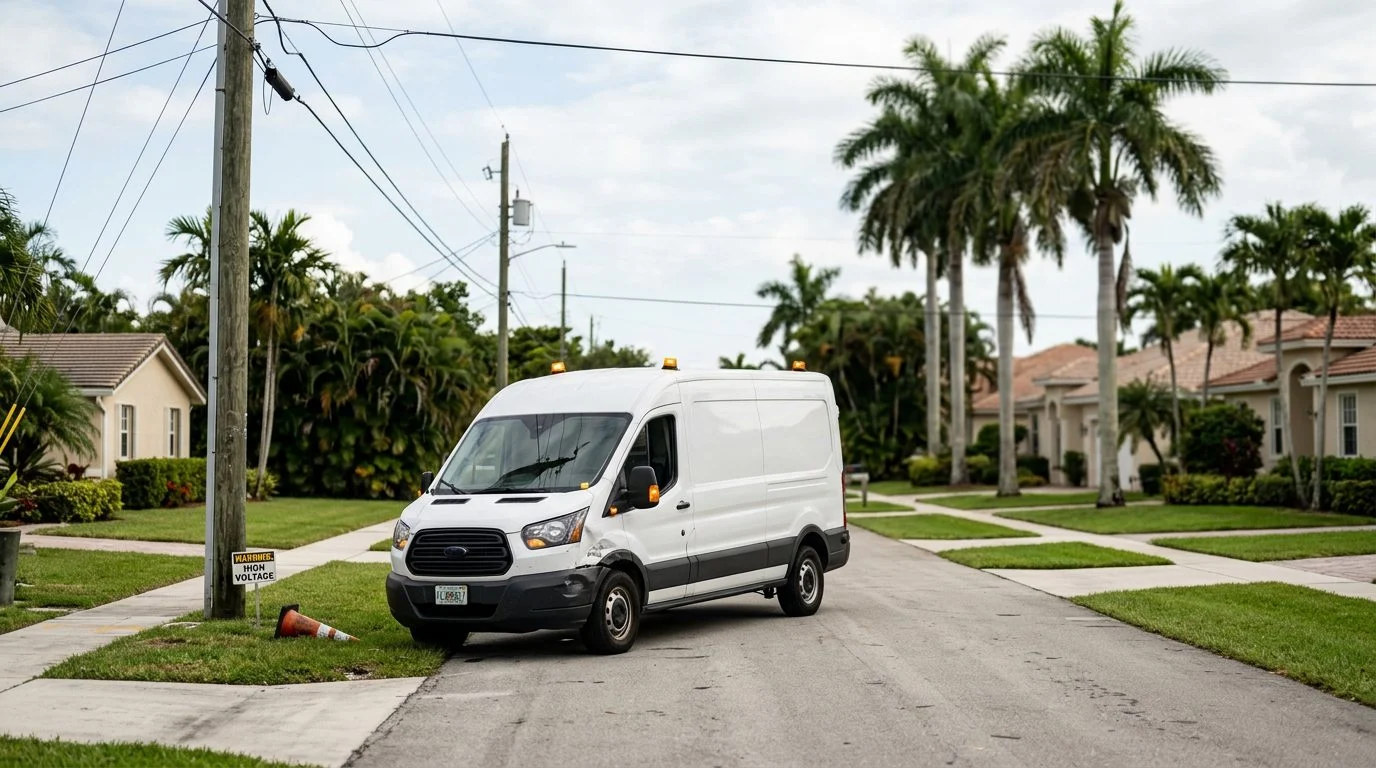
Trucks, cranes, and other equipment can electrocute people nearby when they touch a power line. Readers in North Miami, Sunny Isles Beach, Jacksonville, and Westchester can read our local guides for more detail.
Who May Be Responsible When Electricity Causes Harm?
Responsibility may fall on whoever controlled the danger and failed to fix it. This could be a property owner, a contractor, a product maker, or a driver. The answer depends on who knew, or should have known, about the hazard.
- Property owners and landlords. Florida’s highest court states that businesses owe their invitees a duty to keep premises reasonably safe. Businesses must also warn of hidden dangers they knew or should have known about. This is set out in Valladares v. Bank of America.
- Electrical contractors and repair companies. Wiring or repairs done improperly can create a shock hazard.
- Equipment and product makers. A defect in a cord, device, or appliance may have contributed to the shock.
- Drivers and crane operators. Equipment that touches a power line can cause serious harm.
Workplace injuries often involve workers’ compensation. This is the state insurance system for work injuries. Under Fla. Stat. § 440.11, the employer’s liability in that system is exclusive of its other liability to the employee. In plain terms, this generally replaces other claims against the employer. The statute’s listed exceptions still apply. Other parties may still be liable, depending on the facts.
Florida also applies comparative fault. This means fault is split by percentage, and in most negligence cases a person found more than 50 percent at fault for their own harm cannot recover any damages, but this bar does not apply to personal injury or wrongful death claims arising out of medical negligence under chapter 766. See Fla. Stat. § 768.81. For negligence actions filed after March 24, 2023, ch. 2023-15, Laws of Florida applies this rule.
What Can an Electrical Injury Do to the Body?
An electrical injury can cause burns, nerve and muscle damage, heart rhythm problems, and injuries from falls. Some effects are not obvious at first. FloridaHealthFinder’s electrical injury guide covers the causes, effects, and symptoms.
Electrical burns can go deeper than they look on the skin. OSHA’s flash hazards page describes burn injuries from electrical arc flashes. An arc flash is a sudden burst of electrical energy that travels through the air.
Symptoms can appear days or weeks later. For that reason, many people seek medical care promptly. Follow your doctors’ care, and keep every record they give you.
Serious electrical injuries can lead to amputation, limb loss, scarring, chronic pain, and changes in memory or thinking. These effects can change work, family life, and daily routines for years.
When an electrical injury causes death, Florida’s Wrongful Death Act lets the family seek justice. The action is brought by the decedent’s personal representative. That is the person who manages the deceased person’s estate. The claim is brought for the survivors and the estate, under Fla. Stat. § 768.20. Survivors can include a spouse, children, and parents. In some cases, certain blood relatives may also qualify, under Fla. Stat. § 768.18.
What Are Florida’s Deadlines, and What Evidence Should You Keep?
Florida generally gives two years to file a lawsuit for a negligence claim. See Fla. Stat. § 95.11. Deadlines apply to most claims, other than actions for recovery of real property. Contact a lawyer promptly.
Evidence that often matters includes:
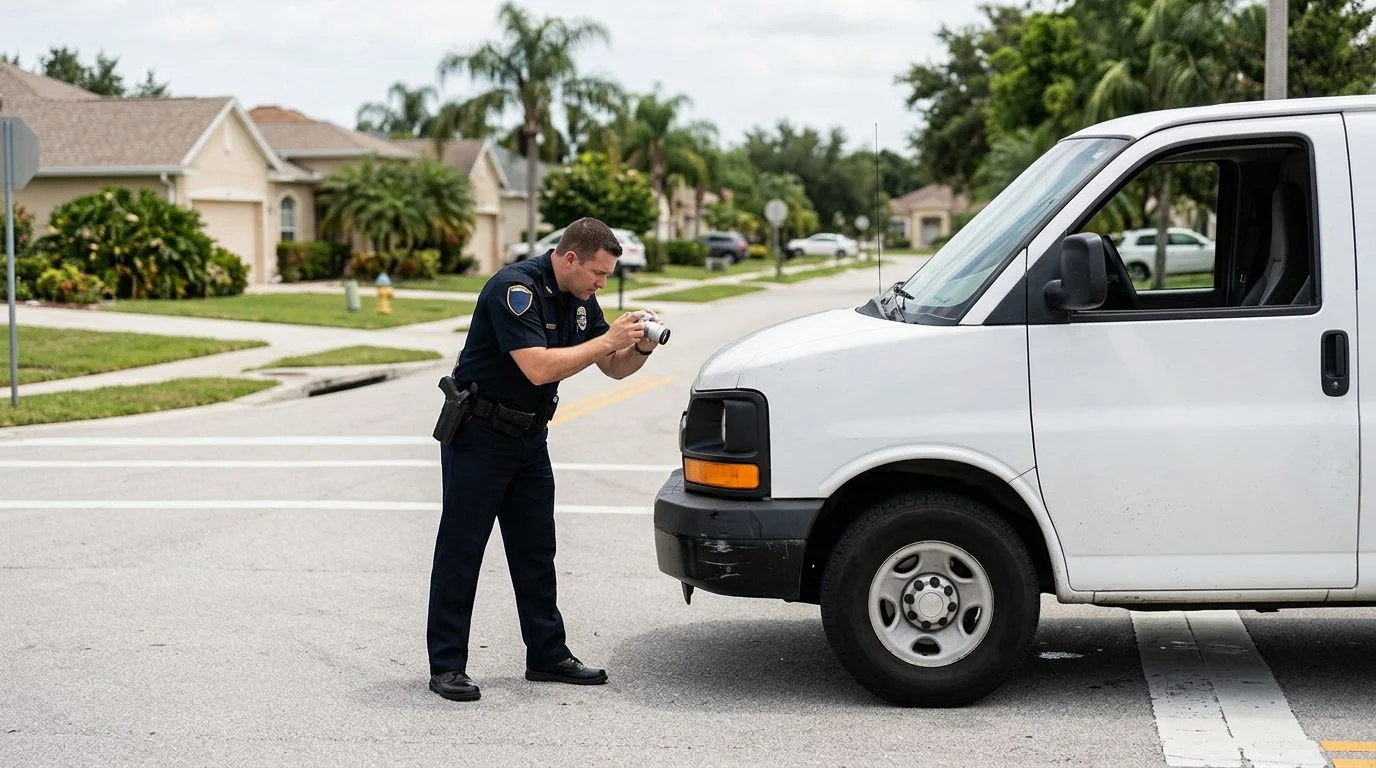
- Photos of the scene and of the damaged wiring, outlet, cord, or device. Take them before anything is repaired or thrown away.
- Medical records, bills, and a written timeline of symptoms and missed work.
- Names of witnesses, incident reports, and any permits, inspection records, or maintenance logs.
Do not discard or repair the damaged item before speaking with a lawyer. The firm can advise you on how to preserve it. Preserving it means keeping it in its current condition.
How Does the Claim Process Work, Step by Step?
The process begins with a free, confidential consultation. Then the firm reviews your facts. Each step builds on the one before it.
- Initial consultation. The firm reviews the facts with you at no cost. You have no obligation to continue.
- Investigation. Records, scene evidence, and witness statements are gathered. Engineers may be consulted about how the shock happened.
- Identifying responsible parties. The firm looks at who owned, maintained, installed, or controlled the hazard. It also looks at what insurance may apply.
- Demand and negotiation. The claim is presented to insurers. They may respond with offers.
- Lawsuit if needed. If a fair resolution cannot be reached, a lawsuit may be filed. Timing varies from case to case.
CHG Personal Injury Lawyers charges no attorney’s fees and no case costs unless there is a recovery.
Not sure what your next step is?
Talk it through with our team — the first consultation is free, confidential, and carries no obligation.
Why Families Contact Our Firm
Families contact CHG Personal Injury Lawyers because the firm is Florida-based. It handles personal injury cases of every severity. Our lawyers serve people throughout Florida.
- Igor Hernandez is the responsible lawyer for this page.
- Our lawyers are licensed in Florida and admitted to The Florida Bar.
- The firm handles everything from everyday accidents to catastrophic injuries and wrongful death.
- We communicate in English and Spanish, and we publish educational content in both languages.
- Our approach is plain-language guidance. You understand your options before you decide.
Frequently Asked Questions
Can I file a claim if I was shocked in a rental home?
It may be possible if the owner knew, or should have known, about the wiring problem.
How does fault come into an injury claim?
You need to show that a failure to use reasonable care was a legal cause of your harm. In plain terms, you must show that the lack of reasonable care helped cause your harm.
How long do I have to file?
Florida generally gives two years for negligence claims. Wrongful death claims follow their own rules. Contact a lawyer promptly.
Can a family file after a fatal electrocution?
Yes. Florida law allows the decedent’s personal representative, the person who manages the deceased person’s estate, to bring a wrongful death action for the survivors.
If a shock from wiring, an appliance, or a power line has hurt you or someone in your family, you do not have to work out who is responsible alone. Contact CHG Personal Injury Lawyers for a free, confidential consultation with no obligation to continue.
Parties an Electric Shock Claim May Involve
Property owners and landlords
When faulty wiring or a known electrical hazard in a home, rental, or business caused the shock, the property owner may be a possible party to a claim.
Contractors and electrical workers
Repairs, installations, or other electrical work done by a contractor or worker may be part of what happened.
Equipment makers and sellers
A device that failed, was poorly built, or came without adequate warnings may point to a manufacturer or seller.
Whoever controlled the site
The person or company that maintained, managed, or controlled the area where the injury happened may be part of the picture.
How CHG Personal Injury Lawyers Can Help
Focused on Florida injury cases
CHG Personal Injury Lawyers handles personal injury matters for people throughout Florida, including electrocution injuries.
Practical help gathering facts
We help you organize medical records, photos, repair records, and witness information so your story is clear from the start.
Compassion for you and your family
Electrical injuries can change daily life. Our team listens first and explains your options in plain language.
Confidential, no-obligation review
Our attorneys offer a free first consultation with no obligation to continue, and no fees unless there is a recovery.
Get Medical Care First
Electrical injuries can cause harm that is not always visible right away. Follow your doctors' care, keep copies of your medical visits and bills, and write down where and when the shock happened.