
Electrocution Injuries | Serving Florida
Hurt by Electricity? Protect Your Claim Before the Clock Runs Out
A shock or electrocution can change a family's life in an instant. Here is how to think about timing, evidence, and your next step.
By CHG Lawyers · Published November 13, 2026
If an electrical shock hurt you or someone you love, you likely want to know two things. How long do you have to act? And how much time is left?
For most negligence claims in Florida, the general deadline is two years. That rule applies to claims that accrued after March 24, 2023. “Accrued” means the date the claim legally begins.
This page explains how Florida’s timing rules work. It also explains what can change the picture and what to do now.
Where Electrical Shock Injuries Happen
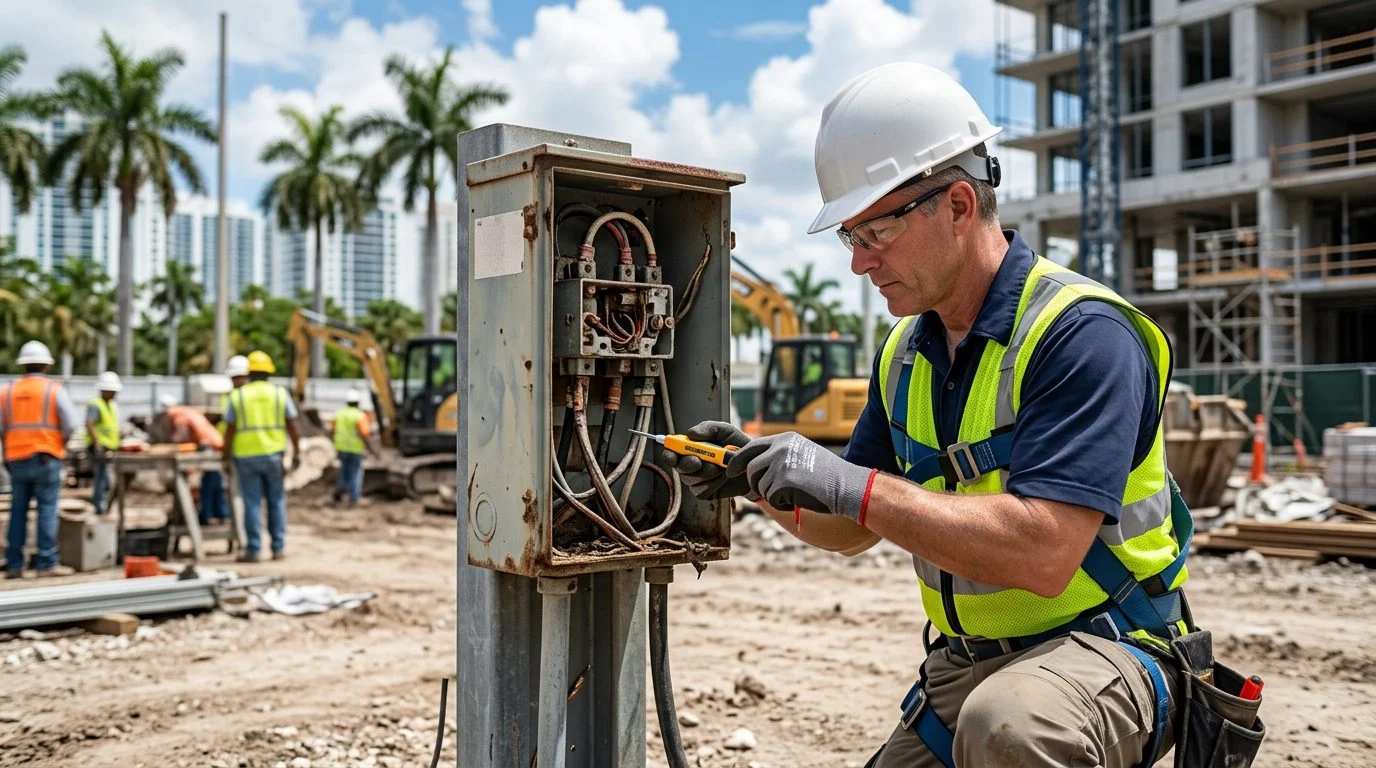
Electrical shock injuries often happen in ordinary places. Many people never expect them to become a legal matter.
For example:
- A worker touches a live wire.
- A tenant is shocked by a faulty outlet.
- A boater is hurt near a power line at a dock.
Common settings include:
- Energized tools or equipment on a job site
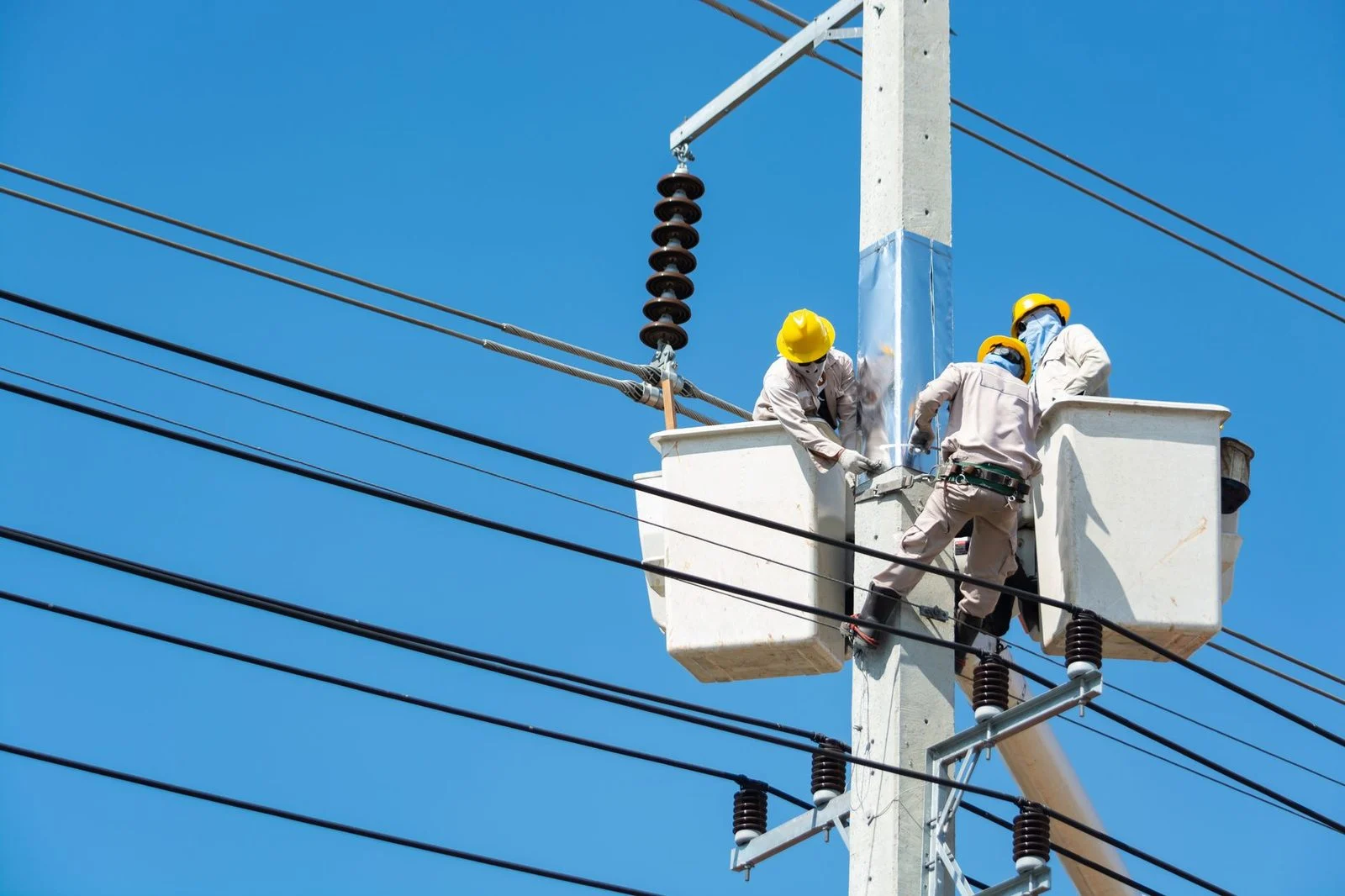
- Ladders or equipment that touch overhead or underground power lines
- Faulty wiring, outlets, or damaged cords in apartments, rentals, and short-term rentals
- Broken appliances or cords in stores and other businesses
- Boats, jet skis, and ATVs used near power lines or docks
When someone else’s carelessness or a faulty product plays a role, the injured person may have a claim.
Electrical injuries can be serious. The FloridaHealthFinder electrical injury entry describes the effects and symptoms of electric shock. OSHA’s arc flash guidance explains that arc flashes, which are sudden bursts of electrical energy, can cause burns.
For a full overview, read our electrocution injuries guide.
Not sure what your next step is?
Talk it through with our team — the first consultation is free, confidential, and carries no obligation.

Florida’s Two-Year Deadline and How Far Back It Reaches
For most negligence-based injury claims in Florida, the deadline is two years under Fla. Stat. § 95.11.
The amendments made by this act to s. 95.11, Florida Statutes, apply to causes of action accruing after the effective date of this act (Ch. 2023-15, Laws of Fla.).
People often ask how far back a claim can reach. Under Fla. Stat. § 95.031, a cause of action accrues when its last element occurs. In plain terms, the real question is how much time has passed since then.
Write down the exact date of the shock. Keep hospital, clinic, and repair records together. This keeps the timeline clear.
Wrongful Death Deadlines After a Fatal Electrocution
When an electrocution causes a death, Florida’s Wrongful Death Act lets the family seek damages for their loss. The claim is brought by the personal representative. This is the person legally authorized to handle the deceased person’s estate. The claim is made for the benefit of the survivors and the estate.
Families often face funeral bills, lost income, and painful decisions at the same time. The law gives the family a way to act.
Under § 768.19, a death caused by someone’s wrongful act, negligence, default, or breach of contract or warranty can lead to liability. This applies when the injured person could have sued and recovered damages had the person lived. It applies even if the death happened under circumstances that were also a felony.
The Act also sets out who may recover as a survivor. The family’s relationship to the person who died matters.
Timing for these claims can differ from an injury claim. Families should confirm the dates early.
Claims Against Government Utilities and Agencies
If a government body may be responsible, you generally must present a written claim before you can sue. Florida’s § 768.28 controls these claims.
Florida waives sovereign immunity for liability for torts, but only to the extent specified in the statute. This is the government’s general protection from lawsuits. The waiver applies only to the extent that statute specifies.
Claims against a government entity in Florida can have specific notice and filing deadlines. If you are affected, contact the firm promptly. Before a lawsuit can start against a government agency, the claim must first be presented in writing to that agency within 3 years after it accrues and, except for claims against a municipality, county, or the Florida Space Authority, also to the Department of Financial Services. The agency must deny it in writing or fail to resolve it within the statutory period. That period is generally six months, or 90 days for medical malpractice and wrongful death claims. If the agency does not act in time, the claim is treated as denied.
Government claims run on their own track.
Workers’ Compensation Deadlines After Electrocution at Work
If you were shocked on the job, Florida’s workers’ compensation system is usually the first route. In general, that system is the main remedy against your employer for a workplace injury.
Workers’ compensation has its own notice and filing rules. Those rules run on their own schedule. Do not assume one covers the other.
- Report the injury to your employer promptly.
- Follow your doctors’ care.
- Keep every bill, letter, and work restriction.
A claim against someone other than your employer, such as an equipment maker or contractor, is a different question. It follows the timing rules for that type of claim.
Florida’s 51% Rule and Comparative Fault
Under Fla. Stat. § 768.81(6), in a negligence action, a party found more than 50 percent at fault for their own harm may not recover any damages. There are exceptions set out in the section. Fla. Stat. § 768.81 states: “This subsection does not apply to an action for damages for personal injury or wrongful death arising out of medical negligence pursuant to chapter 766.” The rule appears in § 768.81(6).
Comparative fault means fault is split among the people involved. If your share of fault is greater than 50 percent, you may not recover any damages in a negligence action, except personal injury or wrongful death actions arising out of medical negligence under chapter 766. Under § 768.81(2), fault chargeable to the injured person reduces the award in proportion to that fault. It does not bar recovery, subject to subsection (6).
This rule limits what you can recover. Contributory fault chargeable to the claimant diminishes proportionately the amount awarded as economic and noneconomic damages, but does not bar recovery. For the act’s application to causes of action, see Chapter 2023-15. Fla. Stat. § 768.81 reads: “(4) APPLICABILITY.—This section does not apply to any action brought by any person to recover actual economic damages resulting from pollution, to any action based upon an intentional tort, or to any cause of action as to which application of the doctrine of joint and several liability is specifically provided by chapter 403, chapter 498, chapter 517, chapter 542, or chapter 895.”
How fault is divided depends on the facts of each case. Photos, records, and witness statements often help show what happened.
Not sure what your next step is?
Talk it through with our team — the first consultation is free, confidential, and carries no obligation.
Other Claims, Minors, and Time Pauses
Some claims run on different clocks.
- A minor has no parent or guardian.
- A minor has a guardian whose interests conflict with the child’s.
- A court has found the minor’s guardian unable to act.
In any event, the action must begin within 7 years after the event that caused the injury.
Under § 95.051(2), other disabilities or reasons generally do not toll the running of any statute of limitations, except those specified in this section, s. 95.091, the Florida Probate Code, or the Florida Guardianship Law. The exceptions are the ones the statute provides.
A person who hired a contractor for electrical work may have more protection. Under § 768.0425, a consumer may recover three times actual compensatory damages, plus costs and attorney’s fees. This applies in an action against a contractor for injuries resulting from the contractor’s negligence, malfeasance, or misfeasance. It applies if the contractor is neither certified by the state nor licensed where it works.
For the types of damages involved, see our electrocution injury compensation guide.
What to Do Now to Protect Your Deadline and Your Claim
The most useful steps are medical care, written records, and protecting evidence. Start now, while the dates are still open.
- Get checked by a doctor, even if the shock seemed minor. Follow your doctors’ care.
- Write down the date, time, place, and what happened. Do this while details are fresh.
- Photograph the scene, cords, outlets, and equipment before anything is moved or repaired.
- Keep witness names, incident reports, pay stubs, and every medical bill and letter.
- Be careful with recorded statements to insurers or property owners until you understand your rights.
Damaged wiring and equipment can be repaired or thrown away. Ask that it be kept, and note who has it.
For statewide background, see our Florida electrocution injury guide.
Talk With Our Team About Your Electrical Injury Deadline
Our team can review the date of your injury and which deadlines may apply. Start with a free first consultation. The consultation is confidential and carries no obligation to continue.
For local context, see our Miami electrocution injury guide.
How long do I have to file an electrical shock injury claim in Florida?
For most negligence claims that accrued after March 24, 2023, the general deadline is two years.
Does the 51% rule change my filing deadline?
Under § 768.81(6), a party found more than 50 percent at fault for their own harm in a negligence action may not recover any damages. There are exceptions set out in the section.
Can the clock pause if the injured person is a minor?
Only in the situations listed in Florida’s tolling statute. One example is when no parent or guardian can act for the child.
CHG charges no attorney’s fees and no case costs unless there is a recovery. Igor Hernandez is the responsible lawyer for this page. Our lawyers are admitted to The Florida Bar, and the firm serves clients throughout Florida. No result can be promised in advance, because every case turns on its own facts. This page is general information, not legal advice.
If a shock has left you hurt, or a death has left your family facing a deadline, contact our team to talk through your dates.
Why Families Contact CHG Personal Injury Lawyers
Florida-Based Practice
Our firm focuses on personal injury cases for people hurt across Florida, including electrical shock and electrocution injuries.
Licensed Attorneys
Our attorneys are admitted to The Florida Bar and handle each case with care for the injured person and their family.
Free First Consultation
Your initial consultation is free, confidential, and carries no obligation to continue.
No Fees Unless There Is a Recovery
The firm charges no attorney's fees and no case costs unless there is a recovery.
Don't Wait to Ask About Your Case
Deadlines apply to injury claims in Florida, and evidence such as damaged equipment, wiring, and incident reports can be lost over time. Contact us promptly so we can review what happened while it is still fresh.
Steps That Help Protect Your Claim
Get Medical Care
Seek evaluation for any shock or burn, even if you feel fine at first. Follow your doctors' care and keep every record.
Preserve the Evidence
Keep damaged clothing, tools, or devices. Photograph the scene, the outlet, cord, or equipment involved whenever it is safe to do so.
Write Down What Happened
Record the date, location, who was present, and who controlled the property or equipment, while memories are clear.
Talk to a Florida Injury Lawyer
Reach out early so our team can explain your options and help protect important evidence and deadlines.