
Electrocution Injuries | Serving Florida
What Shapes the Value of an Electrocution Injury Claim?
An electric shock can change a family's life in a moment. Learn what goes into a claim, what to do first, and how a free, confidential consultation with CHG Personal Injury Lawyers can help you plan your next step.
Why Families Contact CHG
Free
Confidential first consultation, with no obligation to continue
Florida
Florida-based firm serving clients throughout the state
Florida Bar
Licensed attorneys admitted to The Florida Bar
By CHG Lawyers · Published November 14, 2026
If someone you love was shocked at home, at work, or on a dock or boat, you may be asking how much an electrocution injury claim is worth. No reliable dollar amount can be given until someone reviews the injuries, the medical records, and how the shock happened.
This page explains what affects the value of an electrocution injury claim in Florida. It also covers the rules and deadlines that matter. Finally, it describes what the process looks like from start to finish.
How Much Is an Electrocution Injury Claim Worth? It Depends on the Person and the Facts
A claim’s value comes from the losses the injured person has suffered. It also depends on who was at fault. It is not set by a formula.
Electrocution cases vary widely. One person may fully recover after a short hospital stay. Another may need surgery and long rehabilitation, or may live with permanent limits.
Two people hurt by the same kind of wiring can have very different losses.
Shocks on docks, boats, and marinas raise their own questions. Who controlled the equipment, the wiring, and the space often matters as much as the injury itself.
Be careful with any dollar figure you find online without the facts. A figure from another case, or from another state, says little about your family’s situation.
Not sure what your next step is?
Talk it through with our team — the first consultation is free, confidential, and carries no obligation.
What Electrocution Injuries Can Involve
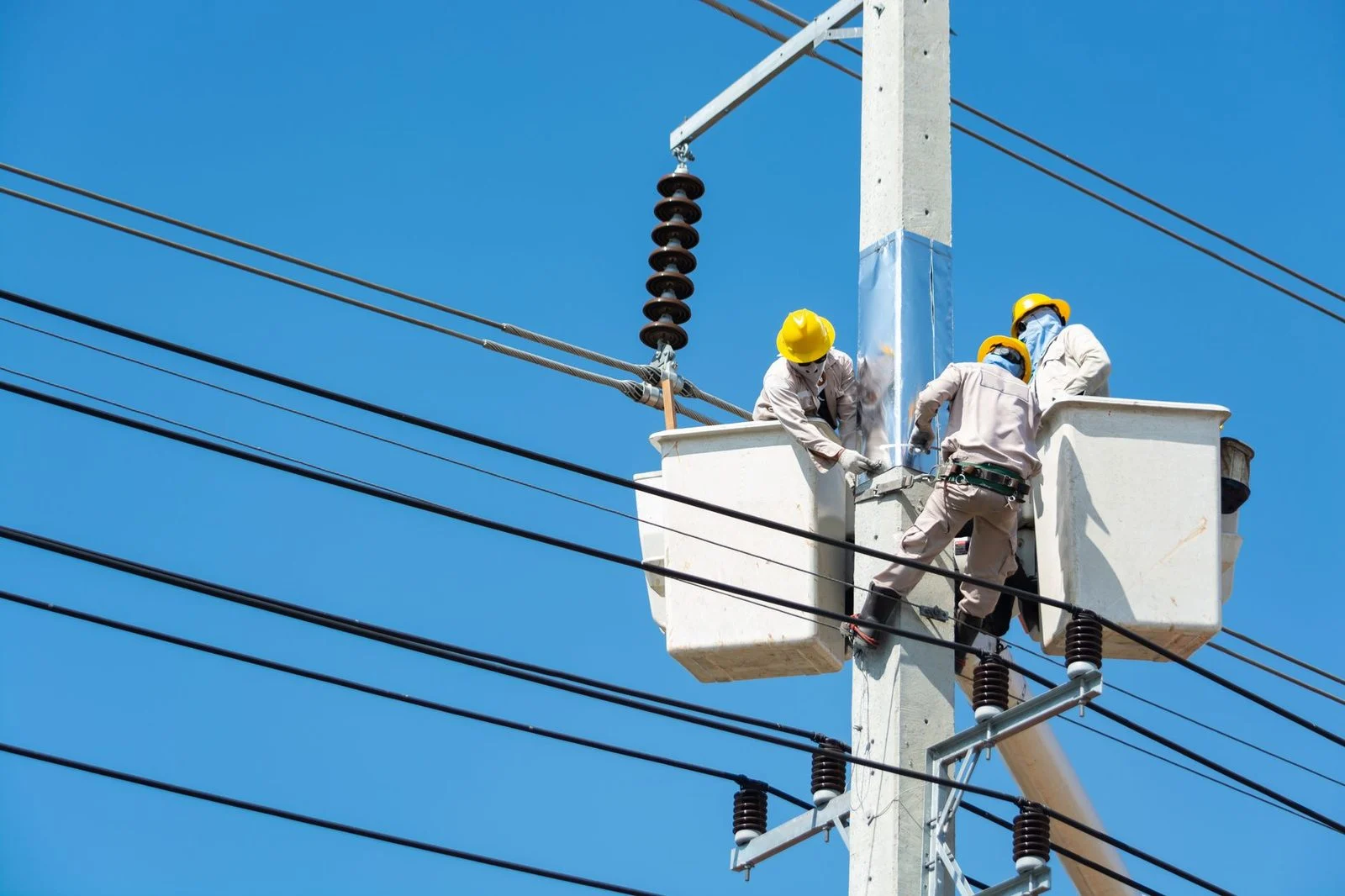
An electrocution injury can cause burns, heart and nerve problems, muscle damage, and injuries from a fall. The FloridaHealthFinder health encyclopedia entry on electrical injury describes the causes, effects, and symptoms of these injuries.
- Electrical burns. These can go deeper than the skin. Some need surgery, skin grafts, or long-term wound care.
- Heart and nerve effects. Some effects may not show up right away. Follow your doctor’s care, even when you feel better.
- Falls. A shock can make a person fall. The fall can cause a spinal cord injury, a brain injury, a fracture, or an amputation.
- Lasting effects. Some survivors live with pain, numbness, memory or focus problems, and emotional strain.
- Records. Keep every bill, test result, and discharge paper. Medical records are central to any claim.
When an electrocution causes a death, Florida law provides a wrongful death claim. The family left behind is at the center of that claim. A later section explains how it works.
Factors That Shape the Value of an Electrocution Claim
The main drivers are medical costs, lost income, lasting effects, and who was at fault.
Florida law separates two kinds of losses:
- Economic losses are losses with a dollar value you can count, such as bills and lost pay.
- Noneconomic losses are harms that are real but harder to count, such as pain and reduced enjoyment of life.
- Medical costs, past and future. Florida defines economic damages to include medical and funeral expenses and past and future lost income. See Fla. Stat. § 768.81.
- Lost income and earning ability. Time away from work counts. So does a reduced ability to do the same job.
- Noneconomic losses. These include pain, disability, disfigurement, and loss of enjoyment of life.
- Permanence. A doctor’s findings about whether an injury is lasting can change a claim’s value.
- Fault. A property owner, a contractor, an employer, or an equipment maker may be responsible. It depends on how the shock happened.
Florida also reduces an award by the injured person’s own share of fault. Under the same law, a person found more than 50 percent at fault for their own harm may not recover any damages. This rule does not apply to a personal injury or wrongful death action arising out of medical negligence under chapter 766.
When more than one party is liable, the court enters judgment against each one. Each party’s share is based on its percentage of fault.
Available insurance and the number of responsible parties can also affect how a claim is resolved.
Florida Deadlines and Rules That Affect Your Claim
Florida sets firm time limits for filing these claims. The general negligence period changed in 2023. Under Fla. Stat. § 95.11, actions other than for recovery of real property must be commenced within the time periods the statute sets for each kind of action. For an action founded on negligence, that period is two years.
- Under Fla. Stat. § 95.11, actions other than for recovery of real property must be commenced within the periods the statute sets for each kind of action; the section does not state a March 24, 2023 date for when a change applies.
- Wrongful death. Florida law provides a wrongful death claim for the family of a person who died. Time limits also apply to these cases.
- Workplace shocks. If the shock happened on the job, Florida’s workers’ compensation system may apply. Under Fla. Stat. § 440.11, an employer’s liability under the workers’ compensation chapter is exclusive and in place of all other liability. The statute lists exceptions, such as when an employer fails to secure payment of compensation. That path has its own benefits and deadlines.
- Evidence. Photos, damaged equipment, maintenance logs, and witness names are easier to gather early. Waiting can make them harder to find.
The sooner the facts are reviewed, the more time there is to act.
What to Expect: Steps in an Electrocution Injury Claim
A claim usually moves through five steps. It goes from first review to negotiation or a lawsuit. Timelines vary.
- Free first consultation. This conversation is confidential. It carries no obligation to continue.
- Gathering records. This includes medical files, bills, incident reports, photos, and proof of lost income.
- Investigating the shock. Outside electrical engineers or medical reviewers may look at the equipment and the injuries.
- Calculating losses and making a demand. The losses are presented to the responsible parties or their insurers.
- Negotiation or a lawsuit. If needed, a lawsuit is filed in the proper Florida court. The case then moves toward trial.
Timelines depend on how severe the injuries are. They also depend on how many parties are involved and whether treatment is still ongoing.
CHG charges no attorney’s fees and no case costs unless there is a recovery.
Frequently Asked Questions About Electrocution Claim Value
How much can I claim for electric shock?
The value depends on the injuries, the losses, and who was at fault. No amount can be promised.
Does hiring a lawyer increase a settlement?
No outcome can be promised. A lawyer can organize records, deal with insurers, and explain your options.
What is a personal injury claim worth?
Its value reflects economic losses, noneconomic losses, and each party’s share of fault.
Do I have to pay anything upfront?
CHG charges no attorney’s fees and no case costs unless there is a recovery. The first consultation is free.
Can a family pursue a claim if a loved one died from electrocution?
Florida law provides a wrongful death claim for survivors. Deadlines apply.
Not sure what your next step is?
Talk it through with our team — the first consultation is free, confidential, and carries no obligation.

Talk With CHG Personal Injury Lawyers About Your Electrocution Injury
If you are caring for someone hurt by electricity, you may be juggling medical bills, time off work, and questions you never expected to ask. That is a hard place to be. You did not choose it.
CHG Personal Injury Lawyers is a Florida-based personal injury firm. It handles cases for people across Florida, including electrocution cases at marinas and docks. The firm’s lawyers are admitted to The Florida Bar. Igor Hernandez is the responsible lawyer for this page.
If someone you love was hurt by electricity, our team can talk it through with you. Start with a free, confidential first consultation, with no obligation to continue.
How Our Team Helps Electrocution Injury Clients
Organizing the Records
Medical reports, bills, photos, and details about the property or equipment involved can be gathered and kept in order from the start.
Handling the Insurance Companies
Our team communicates with insurers and other parties so you can focus on your recovery and your family.
Explaining Your Options
We explain, in plain language, the steps available to you so you can make informed decisions at each stage.
Caring for the Whole Family
We understand that an electrical injury affects work, home life, and daily routines, and we take that impact seriously.
Protect Your Health and Your Claim
Get medical care right away and follow your doctors' instructions, even if the injury does not seem severe at first. Keep copies of every bill and note any missed work. Contact us before giving a recorded statement to an insurance company.
Steps to Take After an Electrical Injury
1. Seek Medical Attention
Some electrical injuries are not obvious right away. A prompt medical evaluation protects your health and creates an important record.
2. Document the Scene
If you can do so safely, take photos of the location, equipment, warning signs, and any damage. Write down what you remember while it is fresh.
3. Keep Your Records
Save medical bills, pay stubs, and correspondence, and track how the injury affects your daily life and ability to work.
4. Contact CHG
Reach out for a free, confidential consultation. We will review your situation and explain the options available to you under Florida law.