
Florida Personal Injury | Rental Property Electrocution
Hurt by Electricity at a Rental? Find Out Who May Be Responsible
A shock in an apartment, condo, or vacation home can change a family's life in an instant. Igor Hernandez and the attorneys at CHG Personal Injury Lawyers help Floridians sort out what happened and who may share responsibility.
By CHG Lawyers · Published November 28, 2026
A shock from a fixture, outlet, or pool light can happen in a place you trusted to be safe. Many people think the shock was their own fault. But in many cases, the party in control of the property may be responsible. This is true if it did not keep the electrical system safe. Whether you have a claim depends on the facts. Florida also sets deadlines.
When an Electric Shock Happens Where You Were Staying
An electric shock happens when electric current passes through the body. Electrocution is a shock that causes death. Injuries can be serious and life-changing. This is true for everything from a mild jolt to a fatal shock.
Many people blame themselves first. They wonder if they plugged in the wrong thing. They wonder if they touched the wrong switch. But the property may have failed to keep its wiring and fixtures safe. That failure may belong to someone else.
If a shock at a rental, hotel or apartment left you or someone you love hurt, our team can talk through who may be responsible with you. Talk it through with our team — the first consultation is free, confidential, and carries no obligation.
What Causes Electrical Hazards in Rentals and Hotels
Common hazards include:
- Damaged wiring.
- Faulty breakers, or wiring damaged during earlier repairs.
- Unprotected outlets near water.
- Loose, cracked, or exposed fixtures.
- Pool, balcony, and parking-area lights with worn or unsealed connections.
- Old or poorly maintained appliances.
- Water reaching outlets, fixtures, or wiring.
- Live or exposed wires left behind by maintenance or renovation contractors.
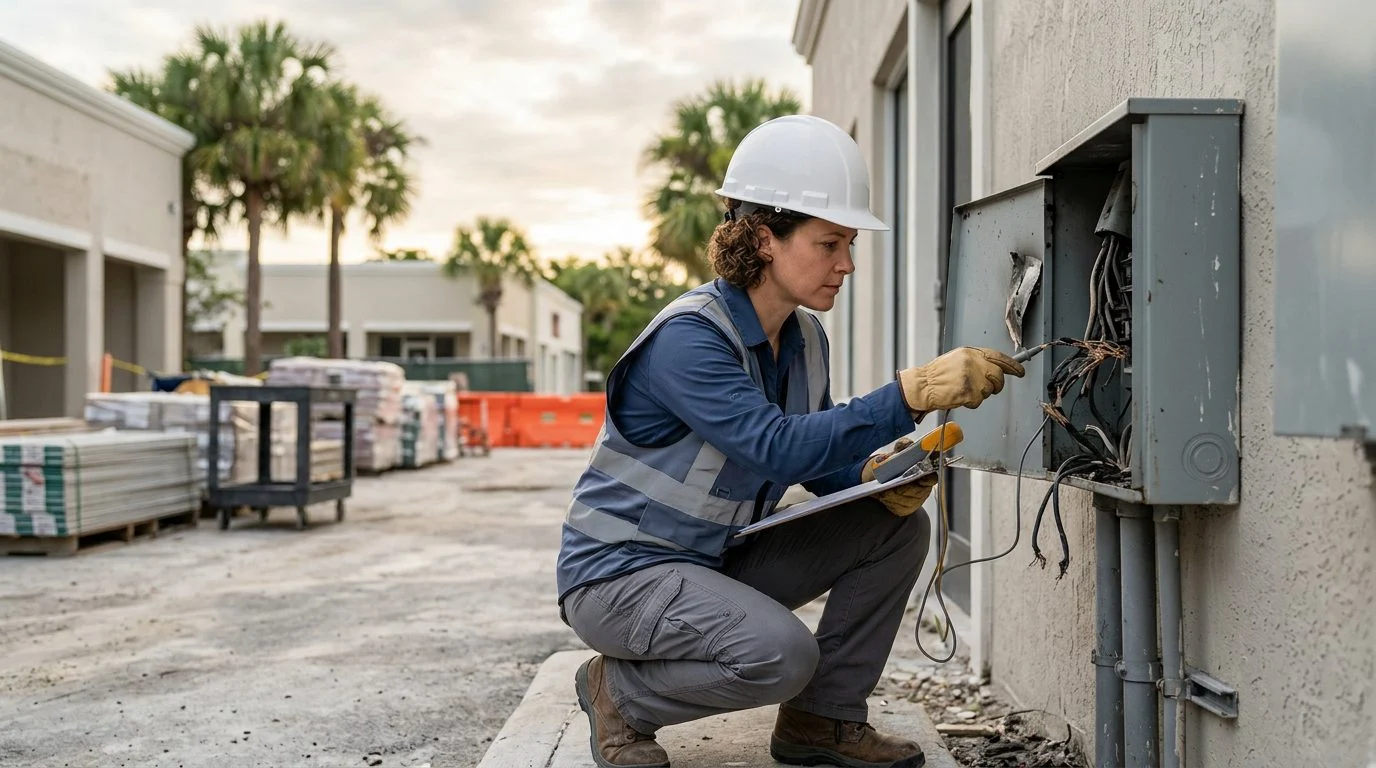
OSHA’s electrical safety guidance describes the electric shock and electrocution hazards that workers and the public can face.
A hazard can exist for a long time before anyone is hurt. An arc flash is a sudden electrical blast. It can also cause severe burns. OSHA’s arc flash guidance explains this.
Before an incident, take note of warning signs. These include flickering lights, buzzing outlets, or a tingle from a fixture. Write them down while you still remember them.
You can learn more in our electrocution injuries guide.
How Electrical Injuries Happen in Homes, Yards, and Job Sites
Electrical hazards are not limited to hotels and rentals. Families in Plantation and throughout Florida also face them at home. Workers face them on job sites. The sources are often similar.
- Homes: Extension cords run under rugs or through wet areas. Outlets near sinks or pools lack protection. Older wiring has been altered without a permit.
- Yards and pools: Pool equipment, pumps, and outdoor lights have damaged housings. Metal fences or equipment can become energized (carry electrical current).
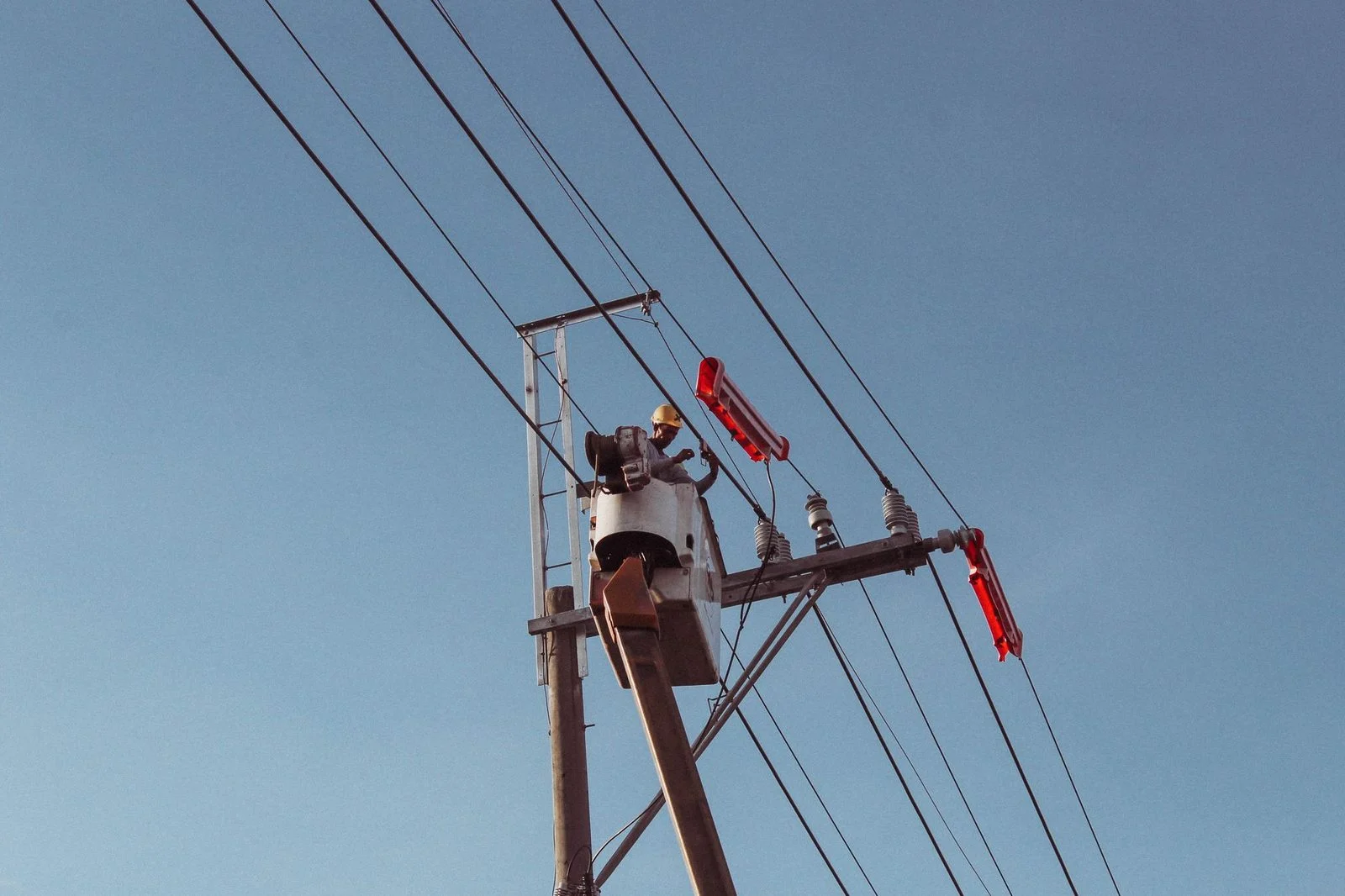
- Job sites: Workers may touch overhead or buried lines. Temporary wiring may not be properly grounded. Equipment may be used near energized conductors. OSHA’s electrical safety guidance describes these hazards for workers.
When a shock happens at a home or job site, the questions stay the same:
- Who controlled the wiring or equipment?
- What did they know, or what should they have known?
- Was reasonable care taken?
Each situation is different. The answers depend on the facts.
Who May Be Responsible Under Florida Premises Liability Law
The party that controlled the property and its electrical system may be responsible. This can include an owner, landlord, property manager, host, hotel operator, or contractor.
Lawyers call this kind of claim premises liability. It covers injuries caused by unsafe conditions on someone’s property. Florida’s Supreme Court has said that businesses owe their guests a duty of care. This means they must keep their property reasonably safe. They must also warn guests of hidden dangers the owner knew or should have known about (Valladares v. Bank of America).
Who may be responsible depends on the type of property:
- Hotels and motels: The operator or owner. A contractor whose work created the hazard may also be responsible.
- Short-term rentals: The owner, host, or management company that controlled the unit.
- Apartments and long-term rentals: The owner, landlord, or property manager.
Florida also divides fault. Fault means each person’s share of the blame. In a negligence action, a court enters judgment against each liable party based on its percentage of fault. The court does not hold them jointly and severally liable, meaning each one pays only its own share (§ 768.81).
Under Fla. Stat. § 768.81(6), in a negligence action to which that section applies, any party found to be greater than 50 percent at fault for his or her own harm may not recover any damages. That subsection does not apply to an action for damages for personal injury or wrongful death arising out of medical negligence under chapter 766, and the section does not apply to the other actions listed in its applicability subsection, such as actions based upon an intentional tort (§ 768.81).
What an Injured Person Generally Needs to Show
- A duty.
- A failure to meet that duty.
Florida’s Supreme Court describes negligence as starting with a duty recognized by law. The question is whether the person failed to meet that duty. This failure is called a breach (Clay Electric Cooperative v. Johnson).
- Breach: The property failed to repair, maintain, or warn about the hazard.
- Notice: The owner knew or should have known about the danger. Prior complaints, repair requests, inspection records, and how long a hazard existed can help show this.
- Harm: The hazard caused the shock and injuries. Losses can include medical bills, lost income, and pain.
Photos, repair requests, texts with the landlord or host, booking records, and inspection reports can all be useful. Each of these points depends on the specific facts of your situation.
Why Electrical Injuries Can Show Up Later
Some electrical injuries are not obvious right away. This is true even when the shock seemed minor. Electric current can affect the body in ways you cannot see from the outside. FloridaHealthFinder’s electrical injury guide describes the effects, symptoms, and first-aid steps for these injuries.
Some symptoms may take time to appear. Follow your doctors’ care. For serious symptoms, get emergency help right away.
Keep every medical record, bill, and prescription receipt. Records also show when care began. That timing can matter to a claim.
Not sure what your next step is?
Talk it through with our team — the first consultation is free, confidential, and carries no obligation.
When a Shock Is Fatal: Wrongful Death and the Family
When an electrical shock causes a death, the claim is handled differently. Florida’s Wrongful Death Act generally requires the decedent’s personal representative to bring the action. A personal representative is the person legally in charge of the deceased person’s estate. The action is brought for the benefit of the survivors and the estate (§ 768.20).
Florida law also says the injury claim the person would have had does not continue after death. The family’s claim proceeds under the wrongful death statute instead.
The damages the statute allows depend on who survived. They can include:
- The value of lost support and services.
- For a surviving spouse, the loss of companionship and protection, and mental pain and suffering.
- For minor children, the loss of parental companionship, instruction, and guidance.
- For parents of a deceased minor child, mental pain and suffering.
- Medical and funeral expenses paid by a survivor.
(§ 768.21)
Florida lets the spouse of an injured person recover for loss of consortium, which covers companionship, society, comfort, and services. This claim is derivative: it exists only if the injured spouse has a claim against the same defendant (Gates v. Foley, 1971). Loss of consortium means the loss of a spouse’s companionship and support. Under Florida law, the spouse of an injured person may recover for loss of consortium, and that claim is derivative: it exists only if the injured spouse has a claim against the same defendant (Ripple v. CBS Corp.).
Families often need time before they can think about legal questions. If you are the family of someone who died, you do not have to sort everything out alone. Keep the records you have. Let a lawyer explain how the wrongful death process applies to your loved one’s case.
What to Expect After an Electrocution Injury in Florida
The first steps are medical care, written reporting, and preserving evidence. Then a prompt legal review can help you understand your options.
- Get medical care and follow it. Even a shock that seems minor can need a medical evaluation.
- Report the hazard in writing. Send a dated note to the property. Keep a copy.
- Preserve evidence. Photograph the wiring, fixture, outlet, or light. Save texts, emails, booking records, and receipts.
- Act on Florida’s deadlines. Florida generally gives two years to file a negligence lawsuit. The same two-year period covers wrongful death claims (§ 95.11). Deadlines apply, so contact a lawyer promptly.
Timelines vary. Some claims resolve through negotiation. Others require a lawsuit. CHG charges no attorney’s fees and no case costs unless there is a recovery.
Common Questions About Electrocution Claims in Florida
Here are short answers to common questions.
Is electric shock the same as electrocution?
No. An electric shock is current passing through the body. Electrocution is a shock that causes death.
What if I was partly at fault?
Florida applies comparative fault. In a negligence action, a party found more than 50 percent at fault for their own harm may not recover any damages, except in medical negligence actions under chapter 766 (§ 768.81).
Can a family bring a claim after a fatal electrocution?
Yes. Florida’s Wrongful Death Act generally has the decedent’s personal representative bring the action for the survivors and the estate (§ 768.20). Survivors may recover certain damages (§ 768.21).
Does the owner have to have known about the wiring?
Florida law asks whether the owner knew or should have known about a hidden danger (Valladares).
Talk With Igor Hernandez About Your Situation
If a shock left you hurt, or a loved one died, a free, confidential consultation can help. It can help you understand who may be responsible. You may be facing pain, medical visits, and hard questions all at once.
Igor Hernandez is a lawyer with CHG Personal Injury Lawyers. CHG is a Florida-based firm. It represents people throughout Florida, including Plantation and surrounding communities. Igor Hernandez is admitted to The Florida Bar.
A matter may be handled with, or referred to, another law firm. We will explain that to you.
The first consultation is free, confidential, and carries no obligation to continue. Contact CHG to share your situation at your own pace.
How We Can Help
Looking Into the Property
We review wiring, outlets, appliances, and repair history to understand how the hazard developed and who controlled it.
Preserving the Evidence
Maintenance requests, inspection reports, texts, and photographs can be important, and we work to keep them from being lost.
Keeping Families Informed
We explain each step in plain language so injured people and their loved ones know what to expect.
A Confidential Conversation
The first consultation is free, confidential, and carries no obligation to continue. CHG charges no attorney's fees and no case costs unless there is a recovery.
Do Not Wait to Get Help
Electrical hazards are often hidden inside walls, panels, and appliances. If you can do so safely, take photos of the area and keep the device or part involved. Get medical care right away and follow your doctor's guidance. Deadlines apply to these claims, so contact our firm promptly.
Who May Be Responsible
The Property Owner or Landlord
An owner who knew of a hazard, or should have found and fixed it, may be part of the claim, depending on the facts.
The Property Manager
A management company that handled repairs, inspections, or tenant complaints may have its own responsibilities.
Repair and Maintenance Contractors
A contractor whose electrical work was improper or incomplete may share responsibility for an injury that followed.
Appliance or Equipment Makers
When a product's design or parts played a role, the manufacturer or seller may be part of the picture.