
Electrocution Injuries | Serving Florida
Electrocuted or Shocked in Florida? Your Next Steps Matter
A shock can leave lasting injuries and questions about what happened. Here is how to protect your health, preserve what matters, and decide what to do next.
Why Families Contact CHG Personal Injury Lawyers
Florida
Florida-based firm serving clients throughout the state
Free
Confidential first consultation with no obligation to continue
No fees
No attorney's fees or case costs unless there is a recovery
By CHG Lawyers · Published November 10, 2026
Electrocution Injuries in Florida: What Electric Shock Does and Your Next Steps
If you or a family member was hurt by an electrical shock, the injury starts when electric current passes through the body. If you or someone you love was shocked, the injury may reach well beyond what you can see. Electricity can affect the heart, the nervous system, and the skin, and that full picture matters as you consider your next steps. If you or a loved one was shocked, you may have legal options under Florida law.
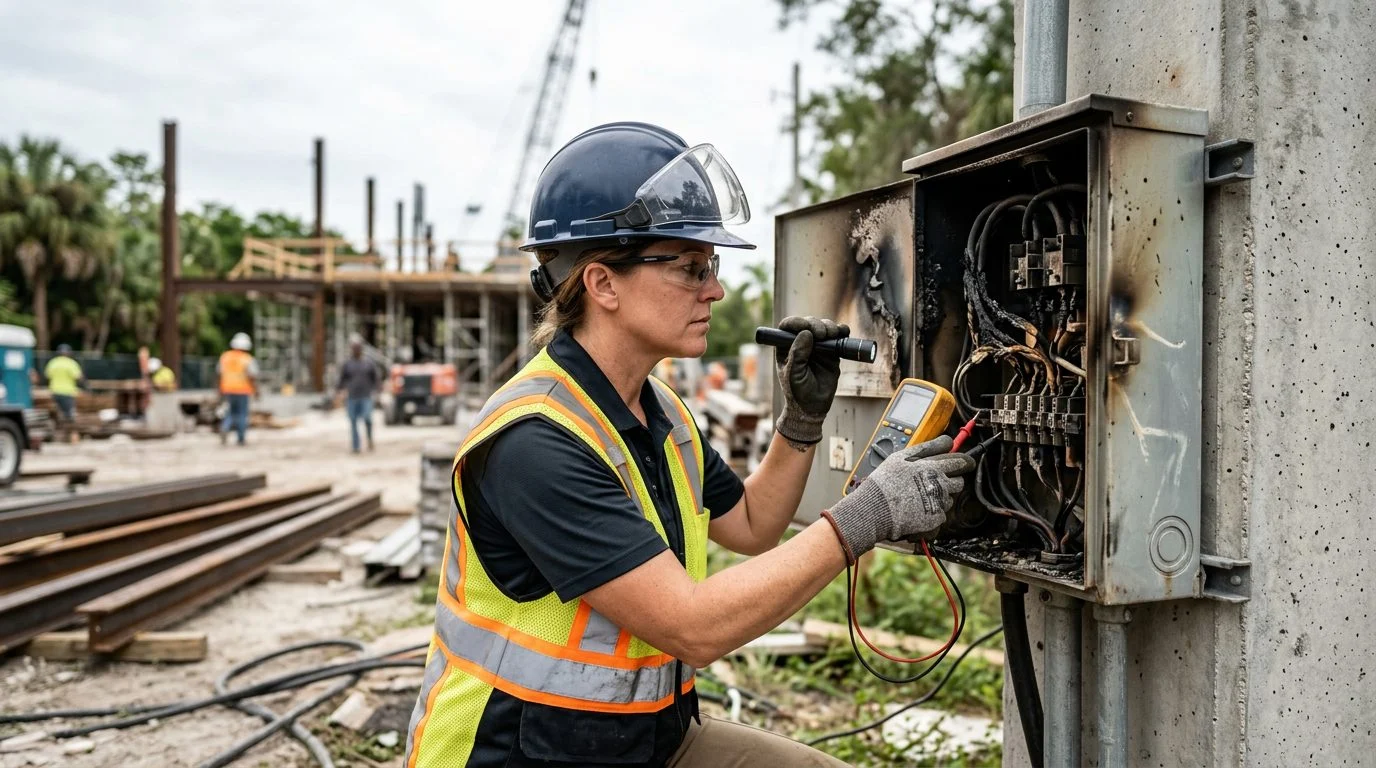
From the marinas along Biscayne Bay to job sites in Tampa, Orlando, and Jacksonville, wet weather and busy construction keep electrical hazards in view.
This guide explains:
- What electric current does to the body
- How these injuries happen
- Below is general information about how fault and filing deadlines can affect an injury claim.
If a shock left you or someone you love facing hard choices, you may have options, and our team will talk them through with you in a free, confidential consultation. Talk it through with our team — the first consultation is free, confidential, and carries no obligation.
What Electric Current Does to the Body
Electric current can disrupt the heart’s rhythm. It can also affect the nervous system. A adult electrical injury review says these injuries can affect the heart, lungs, nerves, muscles, kidneys, eyes, and skin.
Which Body System Is Affected First?
The heart and the nervous system are two of the main systems the medical review names. Effects vary from person to person.
FloridaHealthFinder’s electrical injury guide covers the causes, effects, and symptoms of electric shock.
In serious cases, current can cause cardiac arrest. Cardiac arrest means the heart stops pumping blood well. It is an emergency. Get emergency medical care right away. Tell responders exactly what happened.
Some effects do not show up right away. Follow your doctors’ care after any shock, even if you feel fine at first. Your treating physicians make the medical decisions.
Electrocution vs. Electrical Shock: What the Terms Mean
An electrical shock is contact with electric current. Electrocution is a shock that results in death. Both words describe the same kind of event. They just appear in different records.
That difference matters. Medical charts, police reports, and workers’ compensation forms may use different terms for the same event. The wording in those records can shape how the event is described later.
If a form uses a word you don’t understand, ask the author to explain it in writing. Keep a copy of every record you receive.
A shock that is not fatal still falls under the broader term electrical injury. These injuries can change a life. This can happen even when the person survives and goes home.
The FloridaHealthFinder guide covers the hazards of electric shock in detail.
Arc Flash, High-Voltage Contact, and Electrical Burns
Arc flash is a sudden, intense release of electrical energy through the air. It usually happens near energized equipment.
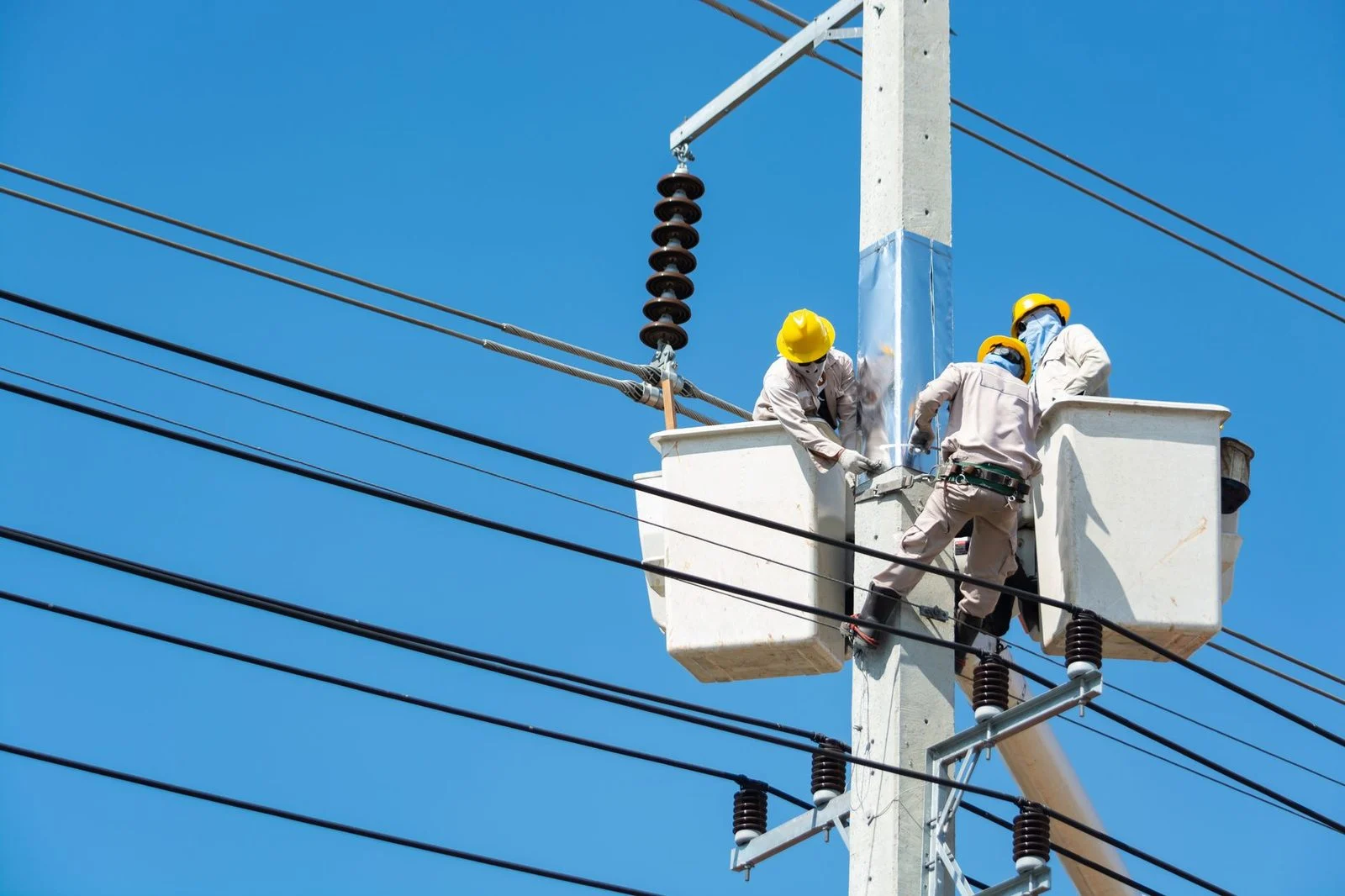
High-voltage contact happens when a person touches a live power line or energized part. It also happens when a person gets too close to one.
Both are common in construction, utility work, and industrial settings.
Electrical burns can be deeper than they look. They can damage tissue beneath the skin, not just the surface. Tissue is the body’s soft inner material. Some burns need further treatment. Your doctors will decide what that treatment is.
Burns and nerve problems may need follow-up care over time. Keep every appointment. Keep records of your visits and symptoms.
For the full overview of these injuries, read our electrocution injuries guide.
How Electrocution Injuries Happen in Florida
Most Florida electrocution injuries follow a few familiar patterns.
- Workers can touch overhead power lines during roofing, tree trimming, crane work, or ladder work.
- Homeowners and tenants can be shocked by faulty wiring or outlets in older houses and rental units.
Wet places add risk. Pool equipment, boat docks, and marina electrical systems can carry current. People often stand on wet surfaces nearby. Tools and appliances used near water are another common setting.
Florida’s humidity, heavy rain, and flooding can increase electrical hazards around homes and job sites. Water that reaches an outlet or panel can turn a routine task into a serious danger.
Each Florida city has its own mix of construction, marina, and rental housing. For city-specific detail, read our Miami electrocution injury page, Orlando electrocution injury page, and Tampa electrocution injury page.
Who May Be Responsible for an Electrocution Injury
A claim may involve more than one party. Possible parties include:
- A property owner
- A contractor or employer
- A maintenance company
- An equipment maker
Any of them may have contributed to the shock through their actions or failures.
Many of these claims turn on negligence. In everyday terms, a personal injury claim often asks whether someone failed to act with reasonable care. That might look like:
- Power was not shut off
- Safety rules were skipped
- Faulty wiring was not repaired
- A known hazard was not warned about
Florida law treats a civil claim for damages based on negligence, strict liability, or product liability as a “negligence action” (Fla. Stat. § 768.81).
Evidence matters. Incident reports, maintenance records, photos, witness statements, and medical records are usually needed to judge fault.
Claims against a government body, such as a city or state agency, follow special rules. Florida law generally limits what the state and its agencies and subdivisions, such as cities and counties, must pay on a claim to $200,000 per person and $300,000 per incident (Fla. Stat. § 768.28).
Not sure what your next step is?
Talk it through with our team — the first consultation is free, confidential, and carries no obligation.
Florida’s 51% Rule and How Fault Is Shared
Florida uses a comparative fault law. Fla. Stat. § 768.81 sets this rule for negligence actions to which it applies, and it does not apply to actions based upon an intentional tort or to actions to recover actual economic damages resulting from pollution; its bar on recovery for a party found more than 50 percent at fault for their own harm does not reach claims arising out of medical negligence under chapter 766.
The same statute says courts enter judgment against each liable party. The judgment is based on that party’s percentage of fault. Florida does not hold each party responsible for the whole amount.
In plain terms, each party pays its own share. That is why identifying every party whose negligence contributed can matter.
Shared fault is often disputed in electrocution cases. Each side may point to others. Photos, incident reports, and written records made soon after the event can help keep the facts clear.
How these rules apply to you depends on the facts. A lawyer can review them with you.
Workplace Electrocution and Florida Workers’ Compensation
Florida’s workers’ compensation law governs most workplace injuries.
Under Fla. Stat. § 440.11, an employer’s liability to its injured worker is exclusive. This means it replaces other liability the employer would otherwise face. The law lists some exceptions. One exception applies when an employer fails to secure workers’ compensation payment.
This means a worker often cannot sue their own employer in the usual way. That does not end every option. In some workplace electrocutions, a claim against a third party may be possible. Examples include an equipment maker or a property owner who is not the employer.
Whether that applies depends on the details. A lawyer can review it.
Report the injury to your employer promptly. Keep a copy of every form you sign. Early reports create a clearer record.
When an Electrocution Is Fatal: Wrongful Death Claims in Florida
An electrocution death is a devastating loss for a family. Florida law lets certain family members seek damages after a death caused by someone’s wrongful act or negligence. The Florida Wrongful Death Act is cited as §§ 768.16 through 768.26.
The decedent is the person who died. The personal representative is the person who handles the estate. That representative recovers for the survivors and the estate (Fla. Stat. § 768.20).
Damages vary by family member:
- Each parent of a deceased minor child may recover for mental pain and suffering (Fla. Stat. § 768.21).
Investigator reports, medical examiner findings, and employer or property records can matter in these cases. Families can ask a lawyer how the process works, even while grieving. You do not need every answer before you ask.
Florida Time Limits: Why Acting Promptly Matters
For most Florida negligence claims, the deadline to file a lawsuit is generally two years (Fla. Stat. § 95.11(5)(a)). Section 768.20 provides that the action shall be brought by the decedent’s personal representative.
A claim “accrues” when its last element occurs. “Accrues” is a legal term for when the clock starts. The clock generally runs from that point (Fla. Stat. § 95.031).
Other deadlines may apply to wrongful death claims and claims against government bodies. Evidence can also fade over time. This includes video, equipment, and witness memories.
Deadlines apply, so reach out promptly. Only a timely review can show which deadlines fit your case.
Talk With Our Attorneys About Your Electrocution Injury in Florida
If a shock hurt you or someone you love, you may be weighing your next move. That includes whether someone else may be responsible for what happened.
Igor Hernandez is the responsible lawyer on this page. Our lawyers and staff are available to speak with you.
CHG Personal Injury Lawyers is a Florida firm serving people throughout Florida. Our first consultation is free, confidential, and comes with no obligation to continue. CHG charges no attorney’s fees and no case costs unless there is a recovery.
This page is general information. It does not create an attorney-client relationship. Every case turns on its own facts. No outcome can be promised. Follow your doctors’ care.
If an electrical shock has changed your life or a loved one’s, contact CHG for a free consultation. Talk through what happened and who may be responsible.
If a shock left you or someone you love facing hard choices, you may have options, and our team will talk them through with you in a free, confidential consultation. Talk it through with our team — the first consultation is free, confidential, and carries no obligation.

Frequently Asked Questions
What causes electrocution injuries in Florida?
Electrocution injuries can happen when someone touches a downed or exposed power line. They can also happen from faulty wiring, a faulty appliance, or contact with energized equipment on a job site. Storms, aging infrastructure, and unsafe construction work can all raise the risk.
Can I bring a claim if I was electrocuted on someone else’s property?
You may have a claim if a property owner, contractor, or other party did not take reasonable care. Examples include leaving wiring unrepaired or not warning people about a hazard. Every case depends on its facts. Contact CHG Personal Injury Lawyers for a free, confidential consultation with no obligation to continue.
How long do I have to file an electrocution injury lawsuit in Florida?
Most negligence lawsuits in Florida must be filed within two years. Some claims have different deadlines under Florida law (Fla. Stat. § 95.11). Deadlines can end a claim. Contact CHG Personal Injury Lawyers promptly after an injury.
Do I have to pay upfront to pursue an electrocution injury claim?
No. CHG Personal Injury Lawyers charges no attorney’s fees and no case costs unless there is a recovery. The first consultation is free, confidential, and without obligation.
What Sets Our Approach Apart
Plain-Language Guidance
We explain the legal process in clear terms so you always know where your case stands and what comes next.
Attention to Families
Electrocution injuries can change work, daily life, and relationships. We keep the people affected at the center of every decision.
Bilingual Resources
We publish educational materials in English and Spanish so that more Floridians can understand their rights and options.
Experience Handling Injury Claims
The firm focuses on personal injury cases of every severity, from everyday accidents to catastrophic, life-altering harm.
Safety Comes First
If you see a downed or sparking power line, stay well away from it and everything touching it, including vehicles and fences. Call 911 and your local utility right away. Do not try to move the line or help a person who is still in contact with it.
Your Next Steps After an Electrical Injury
1. Get Medical Care Right Away
Some electrical injuries are not visible at first, including heart rhythm changes and internal damage. Seek emergency care and follow your doctors' treatment plan.
2. Preserve the Evidence
Photos of the scene, equipment, wiring, signage, and any damaged property can be valuable. Keep receipts, work orders, and incident reports.
3. Write Down What You Remember
Record the date, time, location, who was present, and what happened while the details are still fresh.
4. Speak With a Lawyer Early
Insurers and property owners may contact you quickly. Talking with a Florida personal injury lawyer before you give statements can help you protect your position.
Talk With Igor Hernandez and Our Team About Your Electrical Injury
Related practice areas
- Homestead Electrocution Injury Lawyer