

Short-Term Rental Liability
Catastrophic Injuries at Airbnb, VRBO, and Vacation Rentals: Your Right to Recover
When a short-term rental property fails to maintain safe conditions or adequate security, guests can suffer life-altering injuries. If you or a loved one was catastrophically injured at a vacation rental, the property owner may be liable.
By CHG Lawyers · Published August 22, 2026
Short-Term Rental Liability: Your Rights After Catastrophic Injury
When you rent a vacation home on Airbnb, VRBO, or through a private owner, you expect safety. If you suffered a catastrophic injury—spinal cord damage, paralysis, traumatic brain injury, severe burns, amputation, or death—because the owner failed to maintain safe conditions or provide reasonable security, you may have a legal claim. Short-term rental liability is the owner’s legal responsibility when negligence causes a guest’s serious, permanent injury. This guide explains your rights, the owner’s duties, and the steps to take immediately.
If you or a loved one was catastrophically injured at a vacation rental, the property owner may be liable. Talk it through with our team — the first consultation is free, confidential, and carries no obligation.
You Were Injured at a Vacation Rental—What Comes Next
A serious injury at a short-term rental is not a guest dispute. When it causes catastrophic, life-altering harm—permanent paralysis, brain damage, loss of limb, or death—it is a legal matter.
Vacation rental owners have a legal duty to:
- Maintain safe premises
- Warn guests of known hazards
- Provide reasonable security
When the owner breaks this duty and you suffer permanent injury, you may recover damages. These include medical expenses, lost income, pain and suffering, and permanent disability.
This guide is written for injured guests and bereaved families. It explains the law in plain language so you can understand your rights.
What Is Short-Term Rental Liability?
Short-term rental liability is the legal responsibility an owner bears when a guest is injured due to unsafe conditions, negligent maintenance, or failure to provide reasonable security.
Unlike traditional hotels regulated by state hospitality codes, short-term rentals (Airbnb, VRBO, Booking.com, and private homes) often operate with minimal oversight. Yet owners remain legally accountable for injuries caused by their negligence—regardless of disclaimers or platform immunity claims.
Liability can arise from:
- Structural hazards: faulty railings, unsafe stairs, weak decks, poor construction that fails to meet building codes
- Maintenance failures: electrical problems, gas leaks, broken appliances, faulty plumbing, malfunctioning HVAC systems
- Security failures: broken locks, missing deadbolts, inadequate lighting, non-functional cameras, lack of secure entry systems
- Failure to disclose: known dangers, prior incidents, hazardous conditions, or crime patterns in the neighborhood
The owner’s legal duty exists from the moment you arrive.
Types of Catastrophic Injuries at Short-Term Rentals
Short-term rental negligence can cause life-altering injuries.
Balcony and Railing Falls
Defective or substandard railings cause falls from height. These often result in spinal cord injuries causing paraplegia or quadriplegia, traumatic brain injury, or death.
Pool and Water-Related Drowning
Lack of supervision, missing safety equipment, inadequate fencing, or non-functioning drain systems result in drowning—a fatal outcome or permanent brain damage from oxygen deprivation.
Fire and Severe Burn Injuries
Faulty electrical systems, gas leaks, missing smoke detectors, or unsafe heating equipment cause fires. These result in severe burns requiring lifelong medical care, skin grafts, and amputation.
Carbon Monoxide Poisoning
Malfunctioning appliances, improper ventilation, or failure to install or maintain detectors cause a silent, often fatal hazard. Carbon monoxide poisoning can cause permanent neurological damage or death.
Assault, Robbery, or Violent Crime
Broken locks, missing cameras, inadequate lighting, or failure to provide reasonable security measures result in serious injury or death. Property owners have a duty to know about crime patterns in their neighborhood and take reasonable precautions.
Structural Collapse or Entrapment
Unsafe stairs, decks, or flooring give way. Doors or windows trap occupants during emergencies.
Electrocution or Electrical Hazards
Faulty wiring, exposed systems, or unsafe appliances cause electrocution or severe electrical burns.
Each injury can result in permanent disability, lifelong medical care, lost income, and profound changes to quality of life. Wrongful death—the most catastrophic outcome—leaves families without financial support and emotional companionship.
The Owner’s Legal Duty: What “Reasonable Care” Means
Vacation rental owners are not insurers against all accidents. They are required to exercise reasonable care to keep guests safe. This is a legal standard, not a suggestion.
Reasonable care includes:
- Inspecting the property regularly for hazards and defects
- Maintaining structural elements (railings, stairs, decks) in safe, code-compliant condition
- Ensuring locks, doors, and windows function properly
- Providing adequate lighting in parking areas, hallways, and common spaces
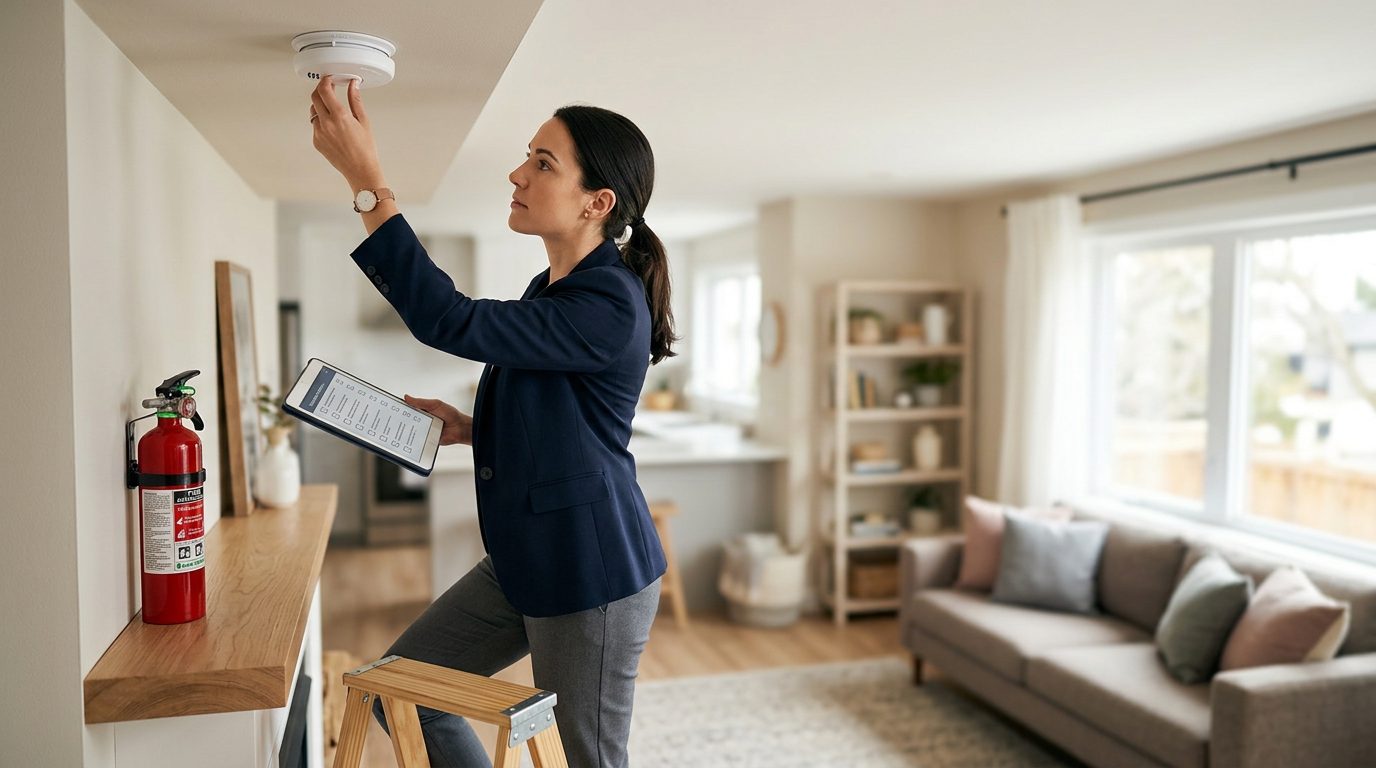
- Installing and maintaining safety equipment (smoke detectors, carbon monoxide detectors, fire extinguishers)
- Warning guests of known hazards that are not obvious
- Taking reasonable security precautions in high-crime neighborhoods
- Maintaining pools, hot tubs, and water features according to safety standards
The standard is not perfection—it is what a reasonable property owner would do. Failure to meet this standard, when it results in injury, establishes negligence.
Negligent Security at Vacation Rentals: When You Are Attacked
If you were assaulted, shot, robbed, or sexually assaulted at a short-term rental because the owner failed to provide reasonable security, you may have a claim. This is called negligent security, and it is a recognized basis for premises liability in Florida and nationwide.
Common security failures include:
- Broken or missing locks on doors and gates
- No deadbolts or functioning locks on sliding doors
- Inadequate or non-functional lighting in parking lots, hallways, or common areas
- No security cameras or non-functional cameras
- No security guard presence in high-crime areas
- Failure to warn of known crime in the area or neighborhood
- Broken intercoms or call systems
- Lack of secure entry gates or access control
Property owners have a duty to know about crime patterns in their neighborhood. They must take reasonable steps to prevent foreseeable criminal acts.
How Insurance Fits In—And Why It Does Not Limit Your Rights
Vacation rental owners often carry liability insurance. Some platforms like Airbnb offer limited host protection programs (typically $1 million in liability coverage).
However, insurance coverage is separate from liability. The owner’s legal duty to keep you safe exists regardless of insurance.
Insurance disputes, policy limits, and coverage exclusions are issues your attorney will handle. Your focus should be on establishing that the owner’s negligence caused your injury. The insurance question follows.
Statute of Limitations: How Long Do You Have to File a Claim?
In Florida, the statute of limitations for personal injury claims is generally two years from the date of injury (Fla. Stat. § 95.11(5)(a)). For wrongful death claims from a fatal rental injury, the period is also two years from the date of death.
However, time limits can be shorter in some circumstances. Certain conditions (such as a minor’s injury) may extend the deadline.
Do not wait. Evidence degrades, witnesses’ memories fade, property conditions may be altered or repaired, and surveillance footage is often deleted after 30–90 days. Acting promptly preserves your claim and protects your rights.
Not sure what your next step is?
Talk it through with our team — the first consultation is free, confidential, and carries no obligation.
Proving Negligence: What You Will Need
To establish short-term rental liability, you must show four elements:
- Duty: The owner owed you a duty of care (established by law; all owners have it).
- Breach: The owner broke that duty by failing to maintain safe conditions or provide reasonable security.
- Causation: The breach caused your injury.
- Damages: You suffered quantifiable harm (medical expenses, lost income, pain and suffering, permanent disability).
Evidence includes:
- Photographs and video of the hazardous condition taken immediately after injury
- Maintenance records (or evidence of the lack of maintenance)
- Prior complaints or incident reports filed with the owner or platform
- Expert testimony from engineers, safety specialists, or medical professionals about industry standards
- Medical records documenting your injury, surgeries, hospitalization, and ongoing treatment
- Witness statements from other guests, staff, or people present
- Property inspection reports by structural engineers or safety experts
- Communications with the owner about the hazard before or after injury
- Surveillance footage or security camera records
- Rental platform records showing prior complaints or incidents at the property
Your attorney will work with investigators and experts to build this evidence and establish liability.
Damages: What Compensation Covers
If you prevail, damages may include:
- Past and future medical expenses (surgery, rehabilitation, ongoing care, assistive devices, home modifications)
- Lost wages and lost earning capacity (what you would have earned if not injured)
- Pain and suffering (physical and emotional distress)
- Permanent disability or disfigurement
- Loss of enjoyment of life (inability to pursue hobbies, activities, relationships)
- In wrongful death cases: funeral and burial expenses, the family’s loss of financial support, and loss of companionship and emotional suffering
Catastrophic injuries—spinal cord injury causing paraplegia or quadriplegia, traumatic brain injury, amputation, severe burns—often result in substantial damages because harm is permanent and lifelong care is required.
A person with quadriplegia may require 24-hour attendant care, specialized medical equipment, and home modifications costing hundreds of thousands of dollars over a lifetime. Damages are calculated based on injury severity, your age and life expectancy, and the impact on your quality of life.
Comparative Fault: Does Your Own Conduct Matter?
Florida follows a comparative fault rule: if you are found partially at fault for your injury, your damages are reduced by your percentage of fault (Fla. Stat. § 768.81(6)).
However, the owner’s negligence in maintaining safe conditions or providing security is often the dominant cause of injury.
For example, if you were assaulted because the owner failed to provide adequate locks and lighting, your presence at the property does not excuse the owner’s security failure. Similarly, if you fell from a defective railing, the railing’s failure—not your balance or attention—is the cause.
Your attorney will address comparative fault arguments and ensure the owner’s responsibility is properly established (Fla. Stat. § 768.81(6)).
Wrongful Death: When a Rental Property Injury Is Fatal
If a loved one was killed at a short-term rental due to the owner’s negligence, the family may bring a wrongful death claim. Wrongful death claims are brought by the deceased’s spouse, children, or parents and seek damages for the family’s loss of financial support, companionship, and emotional suffering.
Catastrophic rental injuries that result in death—fatal falls from defective balconies, drowning in an unsupervised pool, fire caused by faulty electrical systems, carbon monoxide poisoning from malfunctioning appliances, or violent crime enabled by security failures—are among the most serious cases. The loss is permanent and irreplaceable.
The family’s recovery depends on establishing the owner’s negligence and quantifying the economic and non-economic impact of the death. Damages in wrongful death cases include the deceased’s lost wages over their remaining life expectancy, the family’s loss of support and services, and compensation for grief and loss of companionship.
Steps to Take Immediately After a Serious Injury at a Rental Property
Seek medical attention. Your health and safety come first. Medical records will document your injury and are critical evidence.
Report the incident. Notify the property owner, the rental platform (Airbnb, VRBO, etc.), and local authorities (police, fire department) as appropriate. Get a copy of any incident report.
Document the scene. Take photographs and video of the hazardous condition, property layout, lighting, security features (or lack thereof), and visible defects. Do this as soon as safely possible. Photograph from multiple angles.
Preserve evidence. Do not allow the owner to repair or alter the condition that caused your injury. Request in writing that the property be preserved for inspection.
Gather witness information. Collect names and contact information from anyone who witnessed the incident or the hazardous condition.
Keep records. Save all medical bills, receipts, communications with the owner or platform, and notes about your symptoms and recovery.
Do not sign waivers or settlement offers. Do not agree to any settlement or release without consulting an attorney.
Why You Need an Attorney
Short-term rental liability cases are complex. Owners and platforms often dispute responsibility, and insurance companies work to minimize payouts.
An experienced attorney will:
- Investigate the property and the owner’s maintenance and security practices
- Retain experts (engineers, medical specialists) to establish the cause of your injury
- Obtain surveillance footage, maintenance records, and prior incident reports
- Negotiate with insurance companies
- File a lawsuit and litigate your case if necessary
You should not handle this alone. The owner has incentives to shift blame to you, and the platform may claim immunity.
Common Defenses Owners Raise—And Why They Often Fail
Assumption of risk. Owners may argue you “assumed the risk” by staying at the property. This defense fails when the hazard is hidden or the owner failed to warn of a known danger. You do not assume the risk of the owner’s negligence.
Rental agreement disclaimers. Liability waivers in rental agreements are often unenforceable, especially for injuries caused by the owner’s gross negligence or failure to maintain safe conditions.
Platform immunity. Airbnb and VRBO claim they are not liable for owner negligence. However, this does not shield the owner from liability.
Act of God. Owners may claim an injury was caused by an unforeseeable natural event. This defense is narrow and does not apply to foreseeable hazards or security failures.
Your attorney will counter these defenses with evidence of the owner’s duty, breach, and causation.

Have questions about what happened?
Ask our team directly. The first conversation is free, confidential, and there is no obligation to continue.
Frequently Asked Questions
What is the difference between short-term rental liability and homeowners insurance?
Liability is the owner’s legal responsibility; insurance is a financial mechanism to cover damages if liability is established. The owner can be liable even if they carry no insurance.
Can I sue Airbnb or VRBO directly, or only the owner?
You sue the owner for negligence. The platforms often claim immunity, but your attorney will evaluate whether the platform bears any responsibility based on the facts.
How long does a short-term rental injury case take?
Timeline varies. Simple cases may settle in months; complex catastrophic cases may take 1–3 years or longer if litigation is necessary.
What if the owner is out of state or the property is in another state?
Your attorney can pursue the claim under the law of the state where the injury occurred. The firm handles catastrophic injury claims nationwide.
How much does it cost to hire an attorney?
Most personal injury attorneys, including this firm, work on contingency: you pay nothing upfront, and the attorney is paid from your recovery. If you do not recover, you do not pay attorney fees.
What if I was partially at fault for my injury?
Under Florida’s comparative fault rule, your damages are reduced by your percentage of fault, but you may still recover if you are less than 100% at fault.
If you suffered a catastrophic injury at a short-term rental—a fall, drowning, fire, carbon monoxide poisoning, assault, or any life-altering harm—because the owner failed to maintain safe conditions or provide reasonable security, you have legal rights. Families who have lost a loved one to a fatal rental property injury also have remedies.
The path forward begins with understanding what happened and whether the owner’s negligence is responsible. Contact CHG Personal Injury Lawyers for a free case evaluation to learn what your claim may be worth and what comes next.
Property Owners Have a Duty to Keep Guests Safe
Short-term rental owners are legally responsible for maintaining their properties in a safe condition and protecting guests from foreseeable harm. This includes working locks, adequate lighting, functioning safety equipment, and reasonable security measures. A catastrophic injury caused by negligence—a broken staircase, a malfunctioning lock that enabled an assault, poor lighting in a parking area, or a pool without proper barriers—can form the basis of a liability claim against the owner.
Common Causes of Catastrophic Injuries at Short-Term Rentals
Inadequate Security & Violent Crime
Broken locks, missing gates, poor lighting, or no security cameras enable assaults, robberies, or sexual attacks. Guests injured by criminals may have claims against the property owner for negligent security.
Unsafe Structural Conditions
Collapsing balconies, unstable stairs, defective railings, or unsafe flooring cause falls that result in spinal cord injuries, traumatic brain injuries, amputations, or death.
Hazardous Pools & Water Features
Missing drain covers, inadequate supervision, lack of lifeguards, or poor maintenance lead to drowning, near-drowning with brain injury, or other water-related catastrophic harm.
Fire & Burn Hazards
Faulty wiring, missing smoke detectors, blocked exits, or inadequate fire suppression systems cause severe burns, smoke inhalation injuries, or death.
Why Property Owners Are Held Accountable
Legal Duty of Care
Short-term rental owners must inspect their properties regularly, repair hazards, maintain security, and warn guests of known dangers. Failure to do so is negligence.
Foreseeability
If an injury was foreseeable—such as an assault in a high-crime area with no security, or a fall on a known defect—the owner's failure to prevent it strengthens your claim.
Insurance & Liability
Short-term rental owners typically carry liability insurance. Your claim is often resolved through their policy, not out of pocket.
Nationwide Accountability
Whether the property is in Florida or anywhere else in the country, owners remain responsible for guest safety. We handle short-term rental liability claims nationwide.
What You Need to Know About Short-Term Rental Liability Claims
You Sue the Property Owner, Not the Platform
Airbnb, VRBO, Booking.com, and similar platforms are typically not liable for injuries on individual properties. Your claim is against the owner of the rental property where you were injured. The platform may have records and insurance information that help your case.
Liability vs. Insurance
Liability is the owner's legal responsibility for your injury. Insurance is a financial tool to cover damages if liability is proven. An owner can be liable even if they claim to carry no insurance—your attorney will pursue all available sources of recovery.
Catastrophic Injuries Deserve Substantial Compensation
If your injury is permanent and life-altering—spinal cord injury, paralysis, traumatic brain injury, amputation, severe burns, or death—your claim may include damages for medical care, lost income, pain and suffering, and long-term care needs.
Time Matters
Evidence degrades, witnesses' memories fade, and legal deadlines apply. The sooner you contact an attorney, the sooner we can investigate, preserve evidence, and protect your rights.
How We Approach Your Short-Term Rental Injury Claim
Thorough Investigation
We obtain booking records, maintenance logs, prior incident reports, security footage, and property inspection reports. We identify what the owner knew or should have known about the hazard.
Expert Analysis
We work with medical professionals, engineers, and other specialists to establish the severity of your injury and the owner's negligence.
Insurance & Settlement Negotiation
We identify all liable parties and their insurance policies, then negotiate aggressively for fair compensation on your behalf.
Plain-Language Guidance
We explain your options, timeline, and likely outcomes in clear terms so you can make informed decisions about your case.
No Attorney’s Fees Unless There Is a Recovery
We handle short-term rental liability claims on a contingency basis. You pay no attorney fees or costs upfront. We are only paid if we recover compensation for you.