

Short-Term Rental Injuries | Florida
Injured at an Airbnb, VRBO, or Vacation Rental? You May Have a Claim
When a property owner fails to maintain safe conditions or disclose hazards, guests can suffer serious, life-altering injuries. CHG Personal Injury Lawyers focuses exclusively on catastrophic injury claims and holds property owners accountable.
By CHG Lawyers · Published September 02, 2026
Short-Term Rental Injury Claims in Florida: When Hosts Are Liable for Catastrophic Harm
You booked what looked like a safe vacation rental. Then an accident happened—a fall from a balcony, a drowning, an assault because the locks didn’t work, a fire from faulty wiring. Now you’re facing spinal cord injury, paralysis, traumatic brain injury, amputation, severe burns, or the loss of a loved one. The property owner may be legally responsible for your catastrophic injury, and you may have the right to pursue compensation.
This guide explains when short-term rental hosts are liable under Florida law, what damages you can recover, and how the claims process works—so you understand your options and what comes next.
If your injury occurred in Florida, we know the state's premises-liability law intimately. Talk it through with our team — the first consultation is free, confidential, and carries no obligation.
What Makes a Short-Term Rental Host Legally Responsible?
Under Florida premises-liability law, property owners—including short-term rental hosts—owe guests a legal duty to maintain reasonably safe conditions and to warn of known hazards. This duty applies even when the owner doesn’t live on-site and the rental is temporary.
A host is liable when:
Unsafe Conditions Cause Injury
The owner fails to repair or maintain the property, and that failure causes your catastrophic injury. Examples: broken stairs, missing railings, faulty electrical wiring, inadequate drainage leading to flooding, or structural defects like a collapsing balcony.
Negligent Security Allows Criminal Attack
The owner fails to provide reasonable security—working locks, adequate lighting, security cameras, or security personnel—and that failure allows someone to assault, rob, or shoot you on the property. This applies to apartment complexes, parking lots, garages, hotels, vacation rentals, and other commercial properties. Owners have a duty to prevent foreseeable criminal activity; if they don’t, they are liable for your injuries.
Known Hazards Are Not Disclosed
The owner knows of a dangerous condition—unstable balconies, unsafe water, a history of criminal activity in the area—and fails to warn guests.
Negligent Hiring or Supervision
The owner hires unqualified staff or fails to supervise contractors, and that negligence results in your injury.
Florida’s Comparative-Negligence Rule
Florida Statute § 768.81 allows you to recover damages even if you are partially at fault—as long as the property owner is more than 50% responsible. If you were 25% at fault and the owner 75% at fault, you recover 75% of your damages. Your recovery is reduced by your percentage of fault, but the claim remains viable.
Common Causes of Catastrophic Short-Term Rental Injuries
Pool and Hot-Tub Accidents
Drowning, spinal cord injuries from diving into shallow water marked with no warning, chemical burns from improperly maintained water, or infections from inadequate sanitation. Owners must maintain equipment, post warnings, and ensure compliance with Florida pool-safety codes.
Negligent Security and Violent Crime
Assaults, robberies, sexual assaults, or shootings at properties with broken locks, inadequate lighting, or no security measures. Owners who fail to provide reasonable security for foreseeable criminal activity are liable for your injuries.
Falls from Height
Balcony collapses, stair failures, or railing failures cause spinal cord injury, traumatic brain injury, or death. Florida Building Code § 1607 sets minimum railing height and strength standards; owners who ignore these standards are liable.
Slip, Trip, and Fall Accidents
Falls on wet, unmaintained, or hazardous surfaces cause serious injury. Owners must inspect regularly and correct hazards.
Fire and Burn Injuries
Fires caused by faulty wiring, unattended appliances, or non-functional smoke detectors result in severe burns and wrongful death. Florida Fire Safety Code requires working detectors and safe electrical systems.
Drowning in Natural Water Features
Inadequate barriers, missing warning signs, or failure to disclose water hazards near pools, hot tubs, or natural water on the property lead to drowning, especially for children.
Elevator and Stairwell Failures
Malfunctioning elevators or poorly maintained stairs cause serious falls and spinal injuries.
How Short-Term Rental Liability Differs from Traditional Hotels
Many short-term rental owners claim they are not subject to the same liability standards as hotels. This is often incorrect. While hotels are classified as innkeepers under Florida law and face strict liability, short-term rental owners increasingly face the same premises-liability duties.
The key difference is practical, not legal: short-term rentals typically have no on-site staff to monitor conditions. But this does not eliminate the owner’s duty to maintain safe premises. In fact, the absence of on-site management often makes the owner’s duty to inspect and maintain more critical, not less.
Insurance and platform responsibility also differ significantly. Airbnb, VRBO, Booking.com, and other platforms provide limited liability coverage (typically capped at $1 million or less). The property owner carries primary liability insurance and is the main defendant in injury claims. Understanding who is insured and how much coverage exists is essential to your case.
Not sure what your next step is?
Talk it through with our team — the first consultation is free, confidential, and carries no obligation.
Types of Damages You May Recover
If the property owner is found liable, you may recover damages for:
- Medical expenses: past and future treatment, surgery, rehabilitation, therapy, assistive devices, home modifications, and ongoing care
- Lost wages and lost earning capacity: income lost due to the injury and reduced ability to work in the future
- Pain and suffering: compensation for physical pain, emotional distress, and loss of enjoyment of life
- Permanent disability and disfigurement: damages for permanent impairment, scarring, or loss of limb
- Wrongful death damages: if the injury was fatal, the family may recover funeral expenses, lost financial support, and loss of companionship
- Punitive damages: in cases of gross negligence or intentional misconduct, you may recover additional damages to punish the owner and deter similar conduct
The amount of damages depends on the severity of the injury, the strength of the evidence, and the specific facts of your case. Catastrophic injuries—spinal cord injury, paralysis, traumatic brain injury, amputation, severe burns, and wrongful death—typically result in substantial awards because of the permanent, life-altering nature of the harm.
Step-by-Step: How the Short-Term Rental Claims Process Works
Step 1 – Initial Consultation
You meet with an attorney to discuss the injury, the property, the circumstances of the accident, and your medical condition. The attorney asks detailed questions about what happened, who witnessed it, and what evidence exists. This is your chance to tell your story and ask questions.
Step 2 – Investigation
The attorney’s team gathers evidence: photos and videos of the property and the hazard, maintenance records, security footage, witness statements, police reports, building permits, code-violation records, and the owner’s insurance information. For negligent-security cases, we investigate the property’s crime history and whether the owner knew of prior criminal activity. For structural failures, we may retain engineers to inspect the property and identify code violations.
Step 3 – Demand Letter
The attorney sends a formal demand to the property owner’s insurance company, outlining the injury, the owner’s liability, the damages you’ve suffered, and the amount of compensation you’re seeking. This letter includes evidence gathered during investigation and establishes the legal basis for the claim.
Step 4 – Negotiation
The insurance company reviews the demand and may offer a settlement. Your attorney negotiates on your behalf to maximize recovery. Most cases settle at this stage; the insurance company prefers to avoid the cost and uncertainty of trial.
Step 5 – Litigation (if necessary)
If a settlement cannot be reached, the case proceeds to court. Discovery occurs—both sides exchange documents and take depositions. The case may be tried before a judge or jury, who decides liability and damages.
Step 6 – Resolution and Payment
Once a settlement or judgment is reached, you receive compensation. If you’ve already incurred medical expenses or other costs, those are paid first; you receive the remainder.
Timeline: Most cases settle within 6–18 months. Complex cases, those requiring expert testimony, or cases that go to trial may take 2–3 years or longer. We keep you informed at every stage.
Contingency Fees: How We’re Paid
We work on a contingency-fee basis. You pay nothing upfront—no attorney fees, no investigation costs, no filing fees. We recover our fees only if we recover compensation for you. If we don’t win, you owe us nothing.
This model removes a major financial barrier for injured guests who are already facing catastrophic medical bills, lost income, and the costs of recovery. You can pursue your claim without worrying about how to pay for legal representation.
Why Our Nationwide Experience Matters
We are based in Florida and licensed by the Florida Bar, but we handle short-term rental injury cases nationwide.
For example, some states impose stricter liability standards on property owners; others allow broader defenses. Some states recognize negligent-security claims more readily; others require proof of prior similar criminal activity. We understand these differences and apply the law that favors your claim.
If your injury occurred in Florida, we know the state’s premises-liability law intimately. If it occurred elsewhere, we have the resources and experience to pursue your claim effectively.
Have questions about what happened?
Ask our team directly. The first conversation is free, confidential, and there is no obligation to continue.
Frequently Asked Questions
Q: Can I sue the short-term rental platform (Airbnb, VRBO) directly?
In most cases, the property owner is the primary defendant. Platforms have limited liability under federal law (Section 230 of the Communications Decency Act), but we evaluate each case individually to determine if the platform can be held responsible.
Q: What if the property owner claims they didn’t know about the hazard?
Owners have a duty to inspect their properties regularly and maintain safe conditions. Lack of knowledge is not a defense if a reasonable owner would have discovered the hazard through ordinary inspection.
Q: How long do I have to file a claim?
In Florida, the statute of limitations for personal-injury claims is two years from the date of injury (Florida Statute § 95.11). For wrongful-death claims, it is two years from the date of death. Contact us immediately to protect your rights.
Q: What if I signed a waiver before booking the rental?
Waivers may not protect an owner from liability for gross negligence, criminal activity, or violations of building code. We review waivers carefully to determine if they are enforceable in your case.
Q: Do I need travel insurance to recover?
No. Your claim is against the property owner’s liability insurance or assets, not your travel insurance. Travel insurance may provide additional coverage, but it is not required to pursue a claim against the owner.
Q: What if the injury happened in another state?
We handle short-term rental injury cases nationwide. The applicable law depends on where the property is located and where the injury occurred. We have the resources to pursue your claim effectively, regardless of location.
What to Do Now
If you or a family member suffered a catastrophic injury at a short-term rental:
- Seek medical attention immediately if you have not already done so
- Document the scene: take photos and videos of the hazard, the property, and any visible injuries
- Gather witness information: collect names and contact information from anyone who saw the accident
- Report the incident: notify the property owner and the rental platform in writing
- Preserve evidence: keep all medical records, receipts, communications, and documentation related to the injury
- Do not sign settlement offers or speak with insurance adjusters without legal counsel
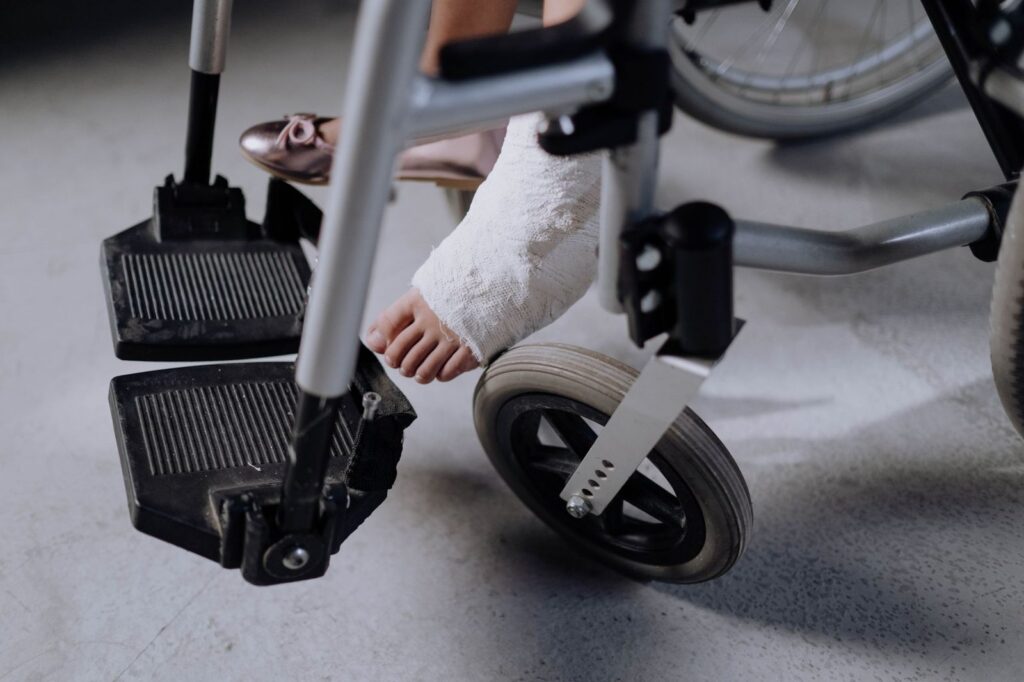
Catastrophic injuries change lives. The path forward is complex, but you don’t have to navigate it alone. If you suffered a catastrophic injury at a short-term rental property and believe the owner’s negligence or failure to provide reasonable security played a role, contact us today for a free case evaluation. We focus exclusively on catastrophic injuries—spinal cord injury, paralysis, traumatic brain injury, amputation, severe burns, drowning, and wrongful death. We understand the life-altering impact of your injury and are committed to helping you and your family pursue the compensation you deserve.
Know Your Rights
Short-term rental platforms like Airbnb and VRBO have limited legal responsibility for injuries on listed properties. The property owner—not the platform—is typically liable for unsafe conditions, missing safety equipment, inadequate security, or failure to disclose known hazards. We evaluate each case to identify all responsible parties.
Common Injury Claims from Short-Term Rentals
Unsafe Conditions & Structural Hazards
Broken stairs, faulty railings, unsecured balconies, defective locks, or poorly maintained pools can cause spinal cord injuries, traumatic brain injuries, severe fractures, and drowning. Property owners must maintain their rentals to a safe standard.
Inadequate Security & Violent Crime
Broken doors, missing locks, poor lighting, no cameras, or lack of security measures can enable assaults, robberies, or sexual attacks. If a property owner knew—or should have known—about security risks and failed to address them, they may be liable for injuries from preventable crimes.
Failure to Disclose Hazards
Owners must disclose known dangers: unstable furniture, faulty appliances, pest infestations, mold, or other conditions that pose serious injury risk. Hiding or omitting critical safety information can make the owner liable for resulting harm.
Inadequate Safety Equipment
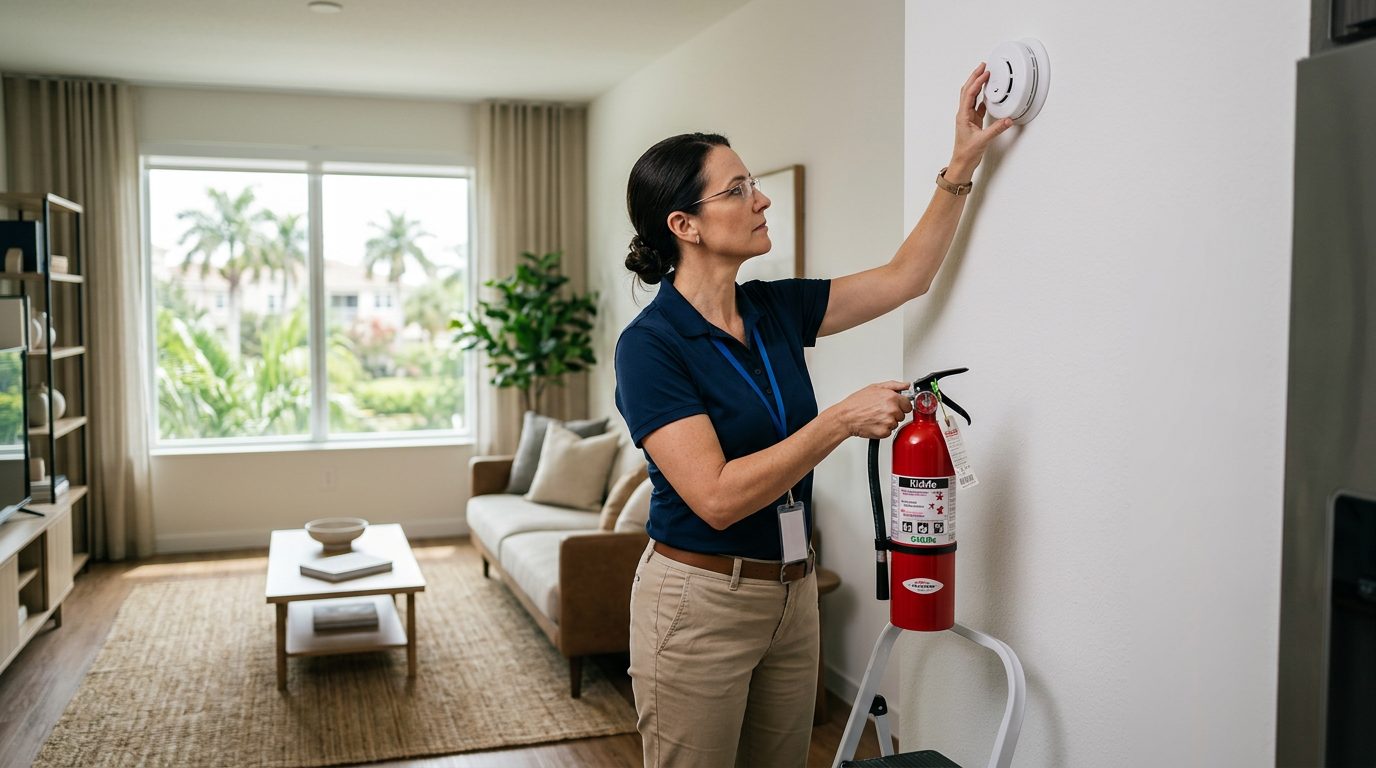
Missing fire extinguishers, non-functional smoke detectors, lack of first-aid supplies, or absent safety instructions can worsen injuries or prevent timely help. Property owners are responsible for providing basic safety infrastructure.
Why CHG Personal Injury Lawyers
Focused on Catastrophic Injury
We focus exclusively on serious, permanent, life-altering injuries—spinal cord damage, paralysis, traumatic brain injury, amputations, severe burns, and wrongful death. We do not handle minor injuries or routine claims.
Thorough Investigation
We examine property records, maintenance logs, prior complaints, security footage, and incident reports to prove negligence and identify all liable parties—owner, platform, or both.
No Attorney’s Fees Unless There Is a Recovery
We work on contingency. You pay no legal fees upfront, and we only collect if your case settles or goes to trial and results in compensation.
Nationwide Representation
Based in Florida, we take catastrophic injury cases across the United States. Injured at a rental in another state? We can help.
Questions About Your Short-Term Rental Injury Claim
Can I sue the short-term rental platform directly?
In most cases, the property owner is the primary defendant. Platforms have limited liability under federal law, but we evaluate each case individually to determine if the platform shares responsibility.
What if the property owner claims they didn't know about the hazard?
Owners have a legal duty to inspect their properties regularly and maintain safe conditions. 'Not knowing' about a hazard is often not a valid defense—especially if reasonable inspection would have revealed the danger or if prior guests reported the problem.
What compensation might I recover?
Damages can include medical expenses, ongoing care and rehabilitation, lost wages, pain and suffering, and permanent disability costs. In cases of wrongful death, the family may pursue a claim for the loss of their loved one.
How long do I have to file a claim?
Time limits vary by state and injury type. The sooner you contact us, the sooner we can preserve evidence, interview witnesses, and protect your rights. Do not delay.