

Tampa Vacation Rental Injury Lawyer
Injured at a Short-Term Rental? You May Have a Claim.
When a vacation rental property's unsafe conditions or negligent security cause catastrophic injury, the owner and platform may be liable. We investigate and fight for fair compensation.
By CHG Lawyers · Published August 26, 2026
Tampa Vacation Rental Injury Lawyer for Catastrophic Accidents
Short-term rental properties in Tampa—Airbnb, VRBO, HomeAway, and similar platforms—are not held to the same safety and security standards as hotels and motels. This leaves guests vulnerable to catastrophic harm.
When a vacation rental owner fails to maintain the property, install working locks and lighting, provide adequate security, or disclose known hazards, guests can suffer permanent, life-altering injuries. If you or a family member was catastrophically injured at a short-term rental in Tampa, the property owner may be legally liable for negligence. You may have the right to pursue compensation.
CHG Personal Injury Lawyers focuses exclusively on representing victims of catastrophic injuries. These include spinal cord damage, paralysis, traumatic brain injury, amputation, severe burns, and catastrophic back and neck injuries. We handle cases caused by unsafe vacation rental conditions, negligent security, or property owner negligence. We handle cases with the depth and resources that serious, permanent injuries demand.
Not sure what your next step is?
Talk it through with our team — the first consultation is free, confidential, and carries no obligation.
Catastrophic Injuries at Short-Term Rentals: What You Need to Know
Short-term rental properties lack the regulatory oversight, safety inspections, and security standards required of traditional hotels. This creates heightened risk for catastrophic injury.
Property owners often fail to: – Maintain structures – Install working locks and gates – Provide adequate lighting – Install security cameras – Hire security personnel
When a guest is seriously hurt as a result, the owner may be held legally responsible.
Guests at vacation rentals suffer catastrophic injuries from:
- Structural hazards: broken or missing railings, unsecured balconies, unstable stairs, or unrepaired defects that cause falls resulting in spinal cord injury, paralysis, or traumatic brain injury.
- Negligent security and violent crime: assaults, robberies, sexual assaults, or shootings at properties where the owner failed to provide reasonable security measures (working locks, lighting, cameras, or guards).
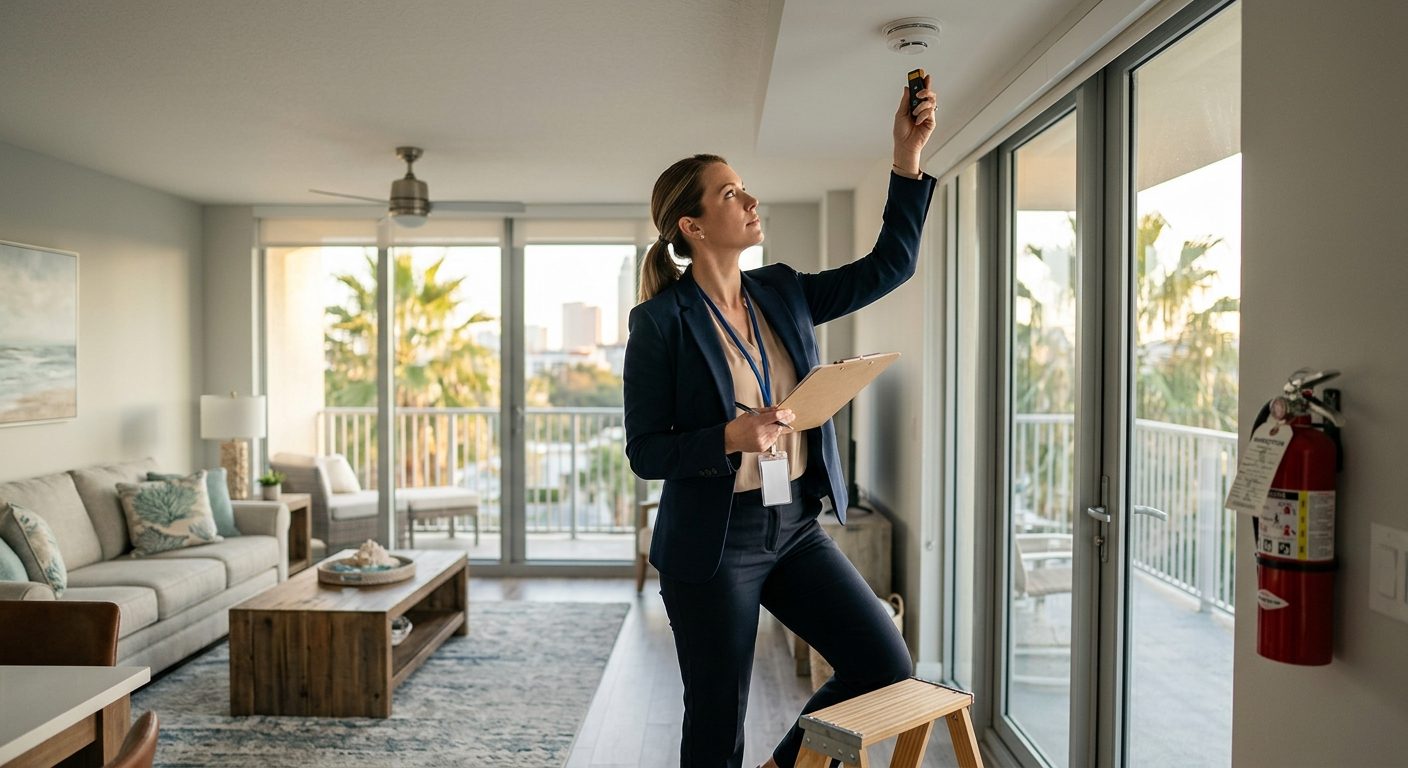
- Fire and burn hazards: faulty electrical systems, malfunctioning appliances, missing smoke detectors, or blocked fire exits causing severe burns or death.
- Drowning: inadequate pool or hot-tub safety, missing lifeguards, broken drain systems, or failure to warn of hazards.
- Machinery and equipment injuries: unsecured or malfunctioning equipment left accessible to guests, causing amputations or severe trauma.
When a vacation rental injury is catastrophic and permanent—causing loss of function, permanent disability, or death—the property owner’s negligence or failure to provide reasonable security may create legal liability.
Who We Represent: Tampa Vacation Rental Injury Victims
We represent guests injured by unsafe conditions at short-term rentals in Tampa and across Florida. Our clients include:
- Guests injured by structural or maintenance hazards who suffered spinal cord injuries, paralysis, traumatic brain injury, amputations, or severe burns.
- Victims of assault, robbery, or violent crime at a rental property where the owner failed to provide reasonable security—working locks, adequate lighting, security cameras, or security personnel.
- Family members pursuing wrongful-death claims when a guest dies from a catastrophic injury caused by the property owner’s negligence or failure to provide reasonable security.
- People whose injuries have caused permanent disability or life-altering impairment—not minor or routine injuries, but serious, permanent conditions requiring ongoing medical care, rehabilitation, or adaptive equipment.
What Catastrophic Vacation Rental Injuries We Handle
Our practice focuses exclusively on the most serious, permanent injuries:
- Spinal cord injuries and paralysis (paraplegia and quadriplegia) from falls, assaults, or unsafe structural conditions. The National Spinal Cord Injury Statistical Center (NSCISC) tracks the incidence and outcomes of spinal cord injuries in the United States, documenting the profound, lifelong impact of these injuries.
- Traumatic brain injuries (TBI) from falls, assaults, or accidents caused by property negligence, resulting in permanent cognitive, physical, or behavioral impairment.
- Amputations and limb loss from machinery, fires, or unsafe conditions.
- Severe burn injuries from faulty appliances, fire hazards, or inadequate fire safety systems.
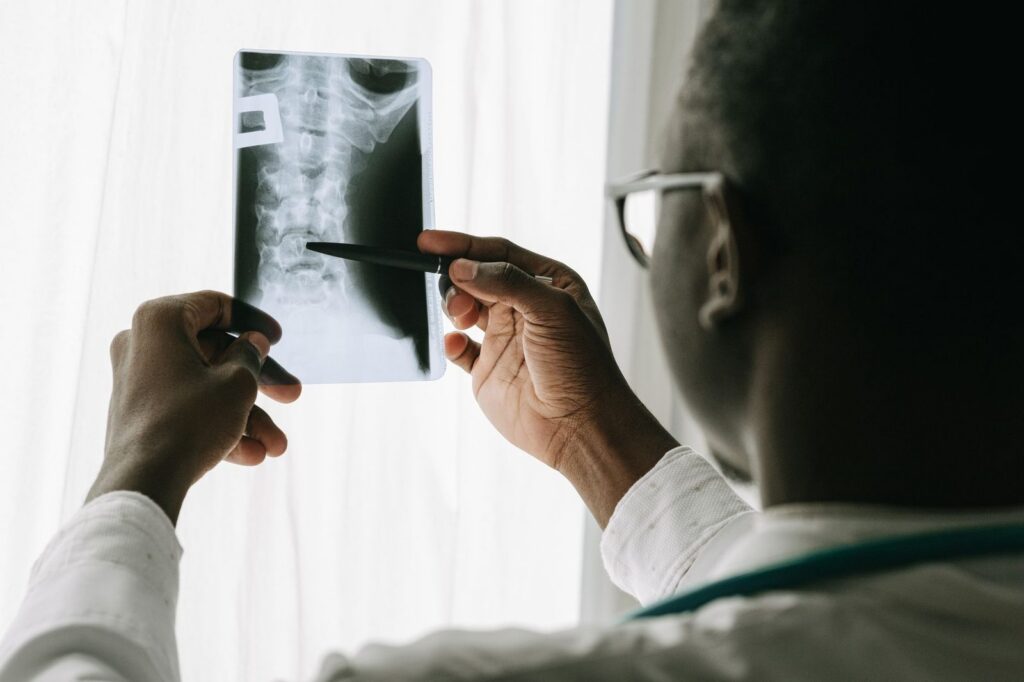
- Catastrophic back and neck injuries causing permanent impairment and loss of function.
- Wrongful death when a guest dies from a catastrophic injury at the rental property.
Common Causes of Catastrophic Vacation Rental Injuries in Tampa
Vacation rental injuries often stem from the owner’s failure to maintain the property or provide reasonable security. Common causes include:
- Negligent security and violent crime: assaults, shootings, robberies, or sexual assaults at properties with inadequate locks, lighting, cameras, or security presence. Property owners have a duty to provide security measures appropriate to the property and neighborhood.
- Structural hazards: broken or missing railings, unsecured balconies, unstable stairs, missing handrails, or unrepaired structural defects that cause falls and serious injury.
- Fire and burn hazards: faulty electrical wiring, malfunctioning appliances, missing or non-functional smoke detectors, blocked fire exits, or inadequate fire suppression systems.
- Pool and water hazards: lack of lifeguards, broken or missing drain covers, inadequate fencing, failure to warn of water depth or hazards, or failure to maintain water chemistry.
- Machinery and equipment injuries: unsecured or malfunctioning equipment (hot tubs, exercise machines, power tools) left accessible to guests.
- Failure to disclose known hazards or prior incidents (assaults, crimes, structural problems, or prior injuries) that could affect guest safety.
Legal Liability: Why Property Owners Are Responsible
Short-term rental owners have a legal duty to maintain their properties in a safe condition and to protect guests from foreseeable harm. This duty includes:
- Maintaining safe premises: keeping the property free of hazardous conditions, repairing structural defects, and ensuring all systems (electrical, plumbing, fire safety) function properly.
- Providing reasonable security: installing working locks, providing adequate lighting, installing security cameras, or hiring security personnel appropriate to the property and neighborhood.
- Disclosing known hazards: informing guests of prior incidents (assaults, crimes, structural problems) or known risks that could affect safety.
When a property owner’s negligence or failure to provide reasonable security causes a catastrophic injury, the owner may be held liable under premises-liability law. In some cases, the rental platform (Airbnb, VRBO) may also be liable if it failed to vet the property, ignored safety complaints, or failed to disclose prior incidents.
Under Florida Statute §768.81 (comparative negligence), even if you bear some responsibility for your injury, you may still recover compensation if the property owner’s negligence was a substantial factor in causing your harm. This is true unless you are more than 50% at fault.
Have questions about what happened?
Ask our team directly. The first conversation is free, confidential, and there is no obligation to continue.
How CHG Handles Your Catastrophic Vacation Rental Injury Claim
Our process is designed to move quickly, preserve critical evidence, and build a compelling case for maximum recovery.
Step 1: Free case evaluation. We listen to what happened. We assess whether your injury is catastrophic and permanent. We determine if the property owner’s negligence or failure to provide security caused your harm. There is no obligation and no upfront cost.
Step 2: Early investigation and evidence preservation. We immediately contact the property owner, the rental platform, and local authorities. We preserve security footage, incident reports, maintenance records, prior complaints, and witness statements before evidence is lost or destroyed. In vacation rental cases, this speed is critical—evidence disappears quickly.
Step 3: Medical documentation. We work with your medical team to establish the full extent of your injuries, prognosis, long-term care needs, and permanent impairment. This medical evidence is essential to valuing your claim.
Step 4: Liability analysis. We investigate the property’s history, prior incidents, security measures (or lack thereof), maintenance records, the owner’s knowledge of hazards, and industry standards for similar properties.
Step 5: Demand and negotiation. We prepare a detailed demand letter backed by medical evidence, expert analysis, and case law. We negotiate with the property owner’s insurance company.
Step 6: Litigation if necessary. If a fair settlement is not reached, we file a lawsuit and take your case to trial. We have the resources and experience to litigate catastrophic-injury cases all the way through trial.
Why Choose CHG for Your Tampa Vacation Rental Injury Case
Catastrophic-injury focus. We represent only victims of serious, permanent, life-altering injuries. We do not handle minor or routine cases. Every resource is devoted to maximizing recovery for people like you.
Florida-based with nationwide reach. We are licensed to practice in Florida and handle cases across the United States. This gives us deep knowledge of Florida premises-liability law and access to national resources, expert networks, and litigation experience.
Early evidence preservation protocol. We move immediately to secure evidence—security footage, incident reports, maintenance records, prior complaints—before it disappears or is destroyed.
Medical and expert resources. We collaborate with medical specialists, accident reconstructionists, security experts, and economists. We build compelling cases for permanent disability and long-term care needs.
Contingency representation. We work on contingency—you pay nothing unless we recover compensation for you. This removes financial barriers for catastrophically injured people and their families.
What to Do Immediately After a Catastrophic Vacation Rental Injury
If you or a family member is catastrophically injured at a short-term rental, take these steps:
- Seek medical attention immediately. Document all injuries, treatments, hospitalizations, and medical records. This evidence is essential to your claim.
- Report the incident to the property owner and rental platform (Airbnb, VRBO, etc.) in writing. Keep copies of all communications.
- Preserve evidence: take photos and videos of the hazardous condition, the scene, your injuries, and any visible security measures (or lack thereof). Collect contact information from witnesses and request their statements.
- Do not sign any waivers, settlement agreements, or liability releases without legal advice. Property owners and platforms often pressure injured guests to waive their rights.
- Contact CHG as soon as possible. Early investigation and evidence preservation are critical to building a strong claim.
Frequently Asked Questions
Q: Can I sue the rental platform (Airbnb, VRBO) as well as the property owner?
A: Possibly. Platforms may be liable if they failed to vet the property, ignored safety complaints, failed to disclose prior incidents, or failed to warn guests of known hazards. We investigate all potentially liable parties.
Q: What if I signed a liability waiver when I booked the rental?
A: Waivers often cannot shield property owners from liability for negligence or failure to provide reasonable security. We review your agreement and advise you of your rights.
Q: How long do I have to file a claim?
A: Florida Statute §95.11 generally allows two years from the date of injury to file a personal-injury lawsuit. For causes of action accruing on or after March 24, 2023, the statute of limitations is two years. However, evidence degrades quickly. Contact us immediately.
Q: What if the property owner claims I was partially at fault?
A: Florida follows comparative negligence (Fla. Stat. § 768.81(6)). Even if you bear some responsibility, you may still recover if the owner’s negligence was a substantial factor in your injury. This is true unless you are more than 50% at fault. We defend your rights.
Q: How much is my case worth?
A: Compensation depends on the severity of your injury, medical costs, lost income, long-term care needs, permanent disability, and pain and suffering. We provide a detailed analysis after investigation.
Q: Will my case go to trial?
A: Most cases settle, but we are prepared to litigate. We never pressure you to accept an unfair settlement.
Want to know where you stand?
Tell us what happened and our team will walk you through the options available to you, at no cost.
Get Your Free Case Evaluation Today
If you or a family member suffered a catastrophic injury at a short-term rental in Tampa or anywhere in Florida—spinal cord injury, paralysis, traumatic brain injury, amputation, severe burns, or catastrophic back or neck injury—you have legal rights.
The property owner may be liable for negligence or failure to provide reasonable security. You may be entitled to compensation for your medical care, lost income, long-term rehabilitation, and pain and suffering.
Contact CHG Personal Injury Lawyers for a free, confidential case evaluation. Get your free case evaluation today. We will listen to your story, answer your questions, and explain your options. There is no obligation and no upfront cost.
People who have suffered catastrophic injuries at vacation rentals can reach out to us. We are ready to help you understand your rights and pursue the compensation you deserve.
Why Choose CHG Personal Injury Lawyers
Focused on Catastrophic Injury
We focus exclusively on serious, life-altering injuries—spinal cord damage, paralysis, traumatic brain injury, amputation, severe burns, and catastrophic back/neck injuries. We don't handle minor claims.
We Investigate All Liable Parties
Vacation rental injuries often involve multiple defendants: the property owner, the platform (Airbnb, VRBO, etc.), and sometimes contractors or third parties. We pursue every responsible party.
National Reach, Local Knowledge
Based in Florida and licensed to practice here, we handle catastrophic injury cases nationwide—including short-term rental claims across the country.
Empathetic, Plain-Language Guidance
We explain your rights and options in clear terms, never legal jargon. Your recovery and your family's future are what matter to us.
Common Vacation Rental Injury Scenarios
Unsafe Conditions & Structural Hazards
Broken stairs, faulty railings, defective locks, unsecured balconies, or inadequate lighting that lead to falls, spinal injuries, or other catastrophic harm.
Negligent Security & Criminal Acts
Assault, robbery, or sexual assault at the rental because the owner failed to provide working locks, security cameras, adequate lighting, or other reasonable security measures.
Unsafe Amenities & Equipment
Defective hot tubs, pools, trampolines, or other equipment that cause drowning, spinal cord injury, paralysis, or severe trauma.
Undisclosed Hazards & Prior Incidents
The platform or owner knew of prior injuries, safety complaints, or dangerous conditions but failed to disclose or fix them.
Important: Liability Waivers May Not Protect the Owner
Many vacation rental platforms and owners ask guests to sign liability waivers. These waivers often do not shield an owner from liability for their own negligence—especially when catastrophic injury results from unsafe conditions or failure to provide reasonable security. We review your rental agreement and advise you of your rights.
Questions About Your Vacation Rental Injury Claim
Can I sue the rental platform (Airbnb, VRBO) as well as the property owner?
Yes, possibly. Platforms may be liable if they failed to vet the property, ignored safety complaints, failed to disclose prior incidents, or failed to warn guests of known hazards. We investigate all potentially liable parties.
What if I signed a liability waiver when I booked the rental?
A waiver does not always shield an owner from liability for their own negligence or failure to provide reasonable security. We review your rental agreement and the circumstances of your injury to determine what claims may be available.
What if the injury happened to a family member or guest I invited?
Family members and invited guests who suffer catastrophic injury at a rental property may have claims against the owner and platform, just as the primary renter does. We evaluate claims for all injured parties.
How long do I have to file a claim?
Time limits vary by state and the type of claim. Contact us immediately so we can review your situation and ensure you understand the deadlines that apply to your case.