

Negligent Security | Vacation Rental Assault
You Were Attacked at a Vacation Rental. The Property Owner Failed to Protect You.
When a short-term rental—Airbnb, VRBO, or another platform—lacks basic security and you are assaulted, robbed, or sexually attacked as a result, the owner may be held accountable. We focus exclusively on catastrophic injury claims and can help you understand your rights.
By CHG Lawyers · Published September 03, 2026
Vacation Rental Assault Lawyer: Holding Property Owners Accountable for Negligent Security
You booked a vacation rental through Airbnb, VRBO, or another platform. You expected a safe place to stay. Instead, you were assaulted, robbed, or sexually attacked on the property. The locks were broken. The parking area was dark. Security cameras were missing or disabled. There was no staff or security. When you needed protection most, the owner failed to provide it.
You did not cause the crime. But the owner’s negligence—their failure to maintain basic security—made you vulnerable to it. That failure may give you a legal claim against the property owner, and possibly against the platform itself.
This is called negligent security. It holds property owners responsible when they ignore security risks that lead to violent crime against guests.
CHG Personal Injury Lawyers focuses exclusively on catastrophic injury cases, including assaults at vacation rentals that cause serious, permanent harm. We represent clients nationwide and are admitted to the Florida Bar.
If you were attacked at a vacation rental and the property lacked basic security—working locks, lighting, or cameras—you may have a claim against the owner. Talk it through with our team — the first consultation is free, confidential, and carries no obligation.
Critical Deadline: The Statute of Limitations
You have a limited window to file your claim. Many other states allow two to three years.
Do not wait. Evidence disappears quickly:
- Security footage is typically deleted after 30–90 days
- Witness memories fade
- The property may be sold or transferred
- Records may be destroyed or lost
Contact an attorney immediately. The sooner you act, the stronger your case.
When a Vacation Rental Owner May Be Liable for Your Assault
When you rent a vacation property, the owner has a legal duty to protect you from foreseeable harm—risks that are known or should be obvious given the property’s location, size, and history.
Under Florida law and most state laws, if the owner knew (or should have known) the property was unsafe and failed to take reasonable security steps, they may be held liable for your injuries.
This is not about blaming the owner for the crime itself. It is about holding them responsible for creating dangerous conditions that enabled an attack.
Real-world examples of negligent security:
- A property in a high-crime neighborhood with broken door locks, no outdoor lighting, and no security cameras
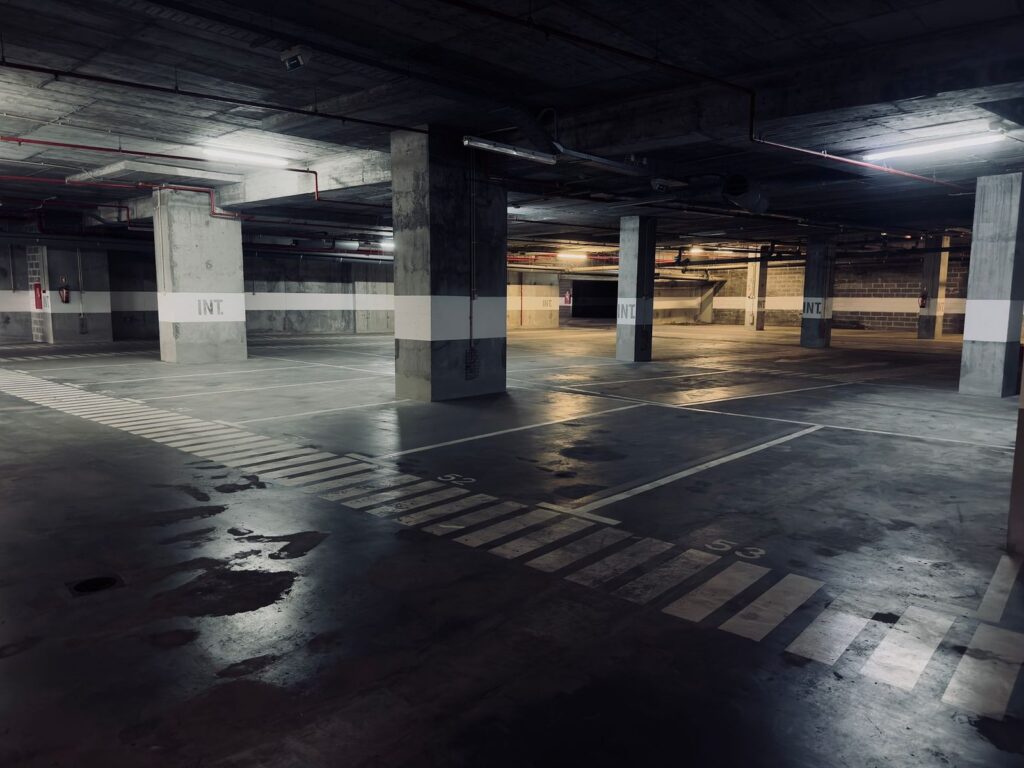
- A parking area with no lighting or cameras where guests are assaulted
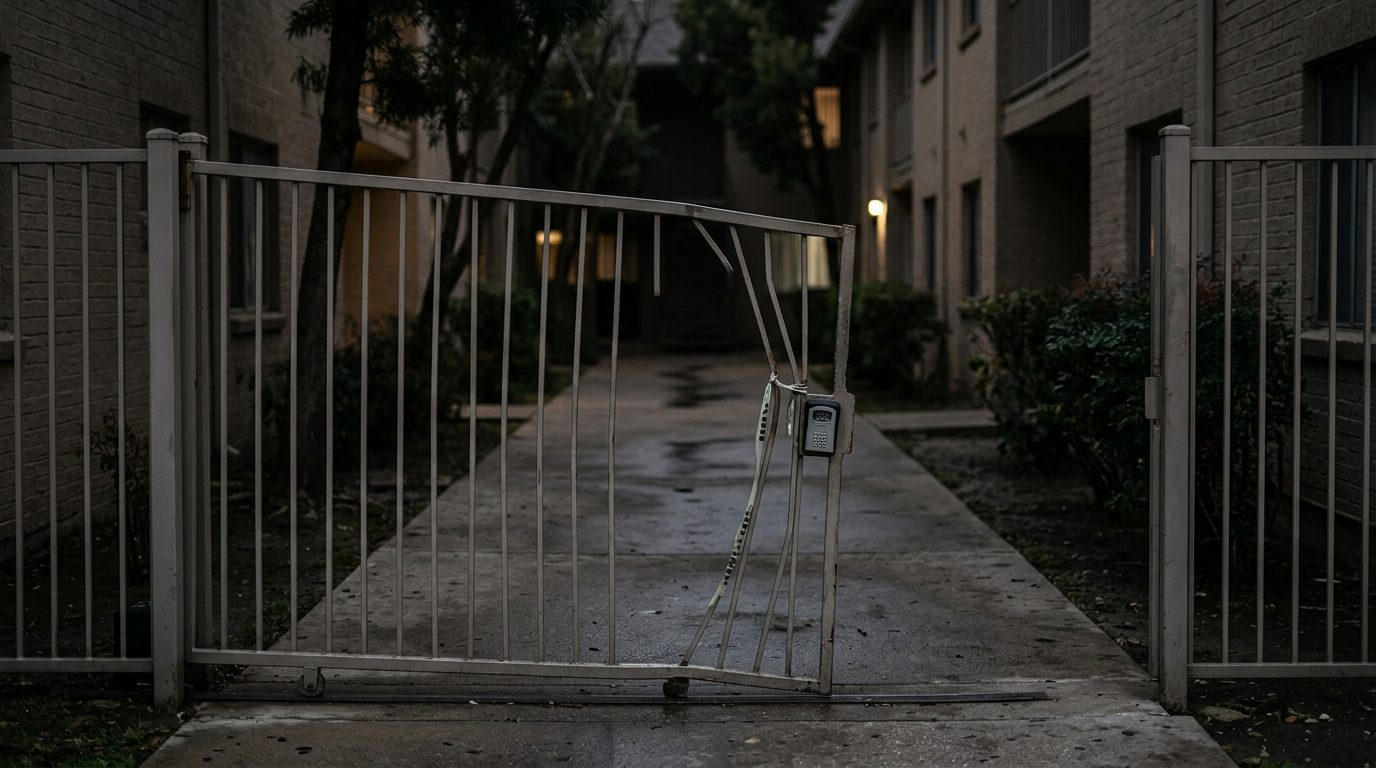
- An apartment complex with a broken gate, no intercom system, and no staff—allowing unauthorized entry
- A hotel with nonfunctional security cameras and no night staff, despite prior break-ins
- A vacation rental where the owner ignored complaints about suspicious activity or prior incidents
In each case, the owner’s failure to address known or obvious risks directly enabled the assault. When an injury occurs, the owner’s negligence is part of why you were harmed.
What Is Negligent Security at a Vacation Rental?
Negligent security is a legal claim. It holds a property owner responsible when they fail to provide reasonable security measures. This failure allows someone to be harmed by a criminal act or violent attack.
At a vacation rental, reasonable security typically includes:
- Working locks on all doors and windows — including deadbolts and sliding door locks that function properly
- Adequate outdoor lighting in parking areas, walkways, entrances, and common spaces
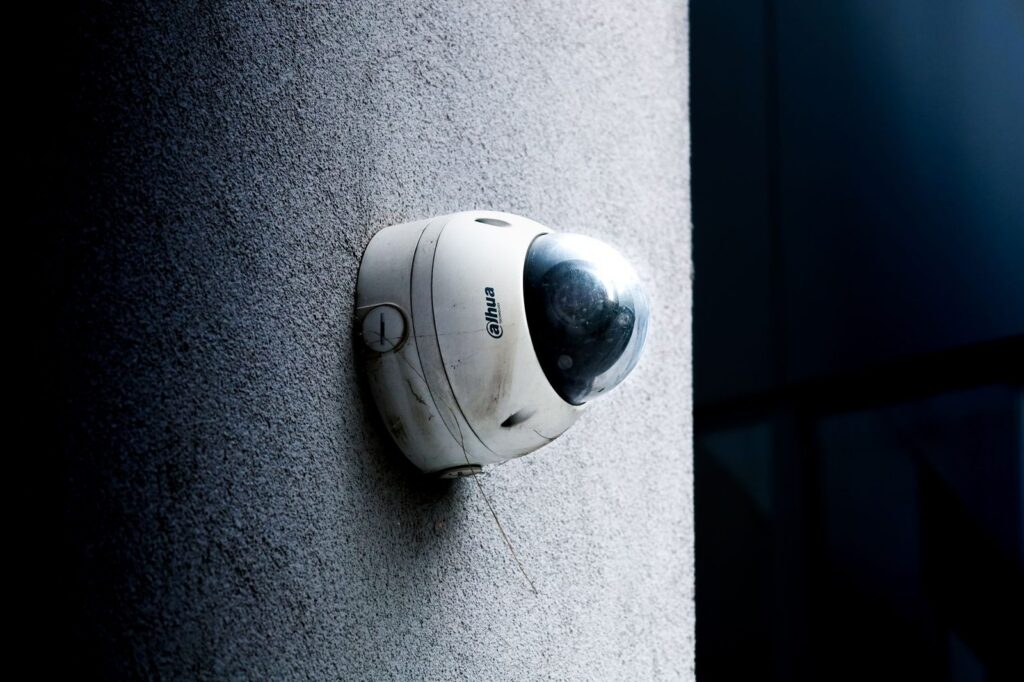
- Functioning security cameras in common areas, entrances, and parking lots, with footage kept for at least 30 days
- Clear sight lines — no overgrown landscaping, blocked windows, or blind spots that hide criminal activity
- Controlled access to the property and common areas (working gates, intercoms, or key card systems)
- Prompt maintenance and regular testing of all security systems to ensure they work
- On-site staff or security personnel (depending on property size, location, and crime rate)
- Vetting of guests — screening for prior incidents or complaints (for platforms and property managers)
The owner does not have to prevent every possible crime. But they must take reasonable steps to protect guests from foreseeable harm.
If prior incidents occurred at the property and the owner did nothing to improve security, that history significantly strengthens your claim. Courts view repeated failures to act as evidence of deliberate indifference.
Who Can Be Held Responsible for an Assault at a Vacation Rental?
Multiple parties may share liability in a single incident. An experienced attorney will investigate all potential defendants to maximize your recovery.
The property owner or host: The person or entity that owns the vacation rental and is responsible for its maintenance and safety.
The property management company: If a third party manages the property, they may share liability for security failures, maintenance neglect, failure to report prior incidents, or failure to enforce security protocols.
The vacation rental platform (Airbnb, VRBO, etc.): In some cases, platforms may bear liability if they:
- Failed to disclose known security risks or prior incidents at the property
- Failed to vet hosts adequately or verify their identity
- Had policies that discouraged or prevented security improvements
- Knew of safety complaints and took no action
- Failed to remove dangerous properties from their listings
This is a critical distinction: Your claim against the property owner is separate from any claim against the platform. A platform may have its own liability even if the owner claims ignorance. Conversely, the platform may have failed to warn you of known risks even if the owner was unaware.
Local contractors or vendors: If a security system was installed incorrectly, not maintained, or failed due to negligent work, the contractor may share liability.
Your attorney will subpoena records from all parties, interview witnesses, and build a case against everyone responsible.
What Does a Vacation Rental Assault Claim Cover?
A successful negligent security claim can recover compensation for both economic and non-economic damages.
Economic damages (documented losses):
- Emergency care, hospitalization, surgery, and ongoing medical treatment
- Medications, therapy, rehabilitation, and adaptive equipment
- Lost wages during recovery
- Reduced earning capacity if the injury causes permanent disability
- Future medical care and home care costs
- Transportation and accessibility modifications
Non-economic damages (pain and suffering):
- Physical pain and suffering
- Emotional trauma, PTSD, anxiety, and depression
- Loss of enjoyment of life and normal activities
- Permanent disability or disfigurement
- Loss of companionship and quality of life
Punitive damages: In cases of gross negligence or intentional misconduct, a court may award additional damages to punish the defendant and deter similar conduct.
Wrongful death damages: If the assault was fatal, the family may recover funeral and burial costs, lost financial support, and loss of companionship. Families who lose a loved one to violence at a vacation rental have legal recourse—a dignified path to hold the owner accountable and secure resources for those left behind.
Catastrophic injuries—such as traumatic brain injury, spinal cord injury, paralysis, severe burns, or permanent disfigurement—typically result in substantially higher settlements and verdicts. They cause lifelong disability and require ongoing care.
Not sure what your next step is?
Talk it through with our team — the first consultation is free, confidential, and carries no obligation.
How Much Can You Sue For If You Are Assaulted at a Vacation Rental?
There is no fixed amount. The value of your claim depends on several factors:
- The severity of your injuries
- The extent and duration of your medical care
- Your lost income and reduced earning capacity
- The impact on your quality of life and independence
- The strength of the evidence against the property owner
- Whether the owner had prior notice of security risks
Economic damages are calculated based on actual expenses and documented losses. Your attorney will gather medical bills, wage statements, expert reports on future care costs, and vocational assessments.
Non-economic damages are estimated based on comparable cases, the severity of harm, and what a jury would consider fair compensation. A serious assault causing permanent psychological trauma, physical disability, or disfigurement will be valued much higher than a minor injury.
An attorney will review your medical records, income documentation, expert reports, and the circumstances of the assault to estimate a realistic range for your claim.
In cases involving catastrophic injury—paralysis, brain injury, severe burns—lifetime care costs can reach hundreds of thousands or millions of dollars. According to the Christopher & Dana Reeve Foundation, the average lifetime cost of care for a person with paraplegia is approximately $1.3 million; for quadriplegia, approximately $4.7 million.
Comparative Fault: Understanding Your Share of Responsibility
Florida follows comparative negligence rules under Florida Statute § 768.81. This is critical to understand: even if you were partially at fault, you may still recover damages. However, your award will be reduced by your percentage of fault.
Example: If a jury finds you 10% at fault for the assault (e.g., you left a door unlocked or ignored a warning sign) and awards $100,000 in damages, you would recover $90,000.
Important limitation: If you are found 51% or more at fault, you cannot recover any damages.
This rule sets realistic expectations. Defendants often argue comparative fault to reduce their liability (Fla. Stat. § 768.81(6)). Your attorney must be prepared to counter these arguments and establish that the property owner’s negligence—not your conduct—was the primary cause of your injury.
How Does a Vacation Rental Assault Claim Work?
Step 1: Consultation and case evaluation.
You meet with an attorney to discuss what happened, your injuries, and the property’s security failures. The attorney reviews your medical records, photos of the property, police reports, and other evidence. This consultation is free and confidential.
Step 2: Investigation.
The firm investigates the property’s history, prior incidents, security systems, maintenance records, and the owner’s knowledge of security risks. Investigators obtain:
- Police reports and crime statistics for the area
- Prior complaints or incidents at the property
- Security system installation and maintenance records
- Photos and video of the property’s condition
- Witness statements
- The owner’s communications about security concerns
Expert witnesses may be retained to establish what reasonable security should have included and whether the owner’s systems met industry standards.
Step 3: Demand and negotiation.
The attorney sends a detailed demand letter to the property owner’s insurance company. It outlines the liability, the owner’s negligence, and the damages. Negotiations may result in a settlement without trial.
Step 4: Litigation (if necessary).
If the insurance company refuses a fair settlement, the case proceeds to court. Discovery, depositions, and expert testimony follow. The case may be resolved through mediation or proceed to trial.
Step 5: Settlement or verdict.
If settled, you receive compensation. If the case goes to trial, a jury decides liability and damages.
Timeline: Most cases settle within 1–2 years. Complex cases requiring extensive medical treatment or involving multiple defendants may take longer.
Why Choose CHG Personal Injury Lawyers for Your Vacation Rental Assault Claim?
Exclusive focus on catastrophic injury cases: We focus exclusively on serious, life-altering injuries—including assaults and attacks at vacation rentals that cause permanent harm. We do not handle minor injuries or routine claims.
National reach: We represent clients nationwide, including in Florida, Miami, Orlando, Tampa, and Jacksonville. We have experience with Airbnb, VRBO, and other major platforms, as well as independent vacation rental owners and property management companies.
Licensed Florida Bar attorneys: Our team is admitted to the Florida Bar. We bring deep knowledge of premises liability law, negligent security lawsuits, and vacation rental liability under Florida and multistate law.
Bilingual resources: We serve English and Spanish-speaking clients with full legal support in both languages.
No upfront attorney’s fee: We work on a contingency fee basis. You pay no attorney’s fee unless we recover compensation for you. Clients may still be responsible for certain case costs, which we explain upfront.
We are prepared to take cases to trial if necessary.
Have questions about what happened?
Ask our team directly. The first conversation is free, confidential, and there is no obligation to continue.
What Kind of Lawyer Do I Need to Sue Airbnb or a Vacation Rental Owner?
You need an attorney who focuses exclusively on premises liability and negligent security claims. They should have specific experience holding vacation rental owners and platforms accountable for security failures.
Your attorney should understand:
- How vacation rental platforms operate and their legal duties to guests
- Industry standards for reasonable security at short-term rentals
- How to investigate prior incidents and security system failures
- How to value catastrophic injury claims with lifelong consequences
- How to negotiate with large insurance companies and take cases to trial
- The differences between claims against the owner, the platform, and the property manager
Your attorney should be licensed to practice in the state where the property is located. They should have experience with vacation rental assault cases specifically.
Frequently Asked Questions
Can I sue Airbnb or VRBO directly?
Yes, in some cases. If the platform failed to disclose known security risks, failed to vet the host, had policies that discouraged security improvements, or knew of prior safety complaints and took no action, they may be liable. Your attorney will investigate the platform’s knowledge and conduct.
What if I was partially at fault for the assault?
Florida follows comparative negligence rules under Florida Statute § 768.81. Even if you were partially at fault, you may still recover damages. Your award will be reduced by your percentage of fault. For example, if a jury finds you 10% at fault and awards $100,000, you would recover $90,000. However, if you are found 51% or more at fault, you cannot recover anything.
Do I need to report the assault to police first?
Yes. A police report is critical evidence. It helps establish the facts of the incident and creates an official record. Report the assault to local law enforcement and obtain a copy of the report for your attorney. The report also documents the date and time, which is important for the statute of limitations.
What should I tell my attorney about the assault?
Tell your attorney everything—the full details of what happened, your injuries, your medical treatment, your emotional state, and any prior knowledge you had about the property’s security. Attorney-client privilege protects these conversations.
What you should not do:
- Post details on social media
- Discuss the case with others outside your legal team
- Accept any settlement offer from the property owner or platform without consulting your attorney first
- Sign any documents or waivers without your attorney reviewing them
How long do I have to file a claim?
Many other states allow two to three years.
Do not wait.
Evidence can be lost. Security footage is often deleted after 30–90 days. Memories fade. Contact an attorney as soon as possible.
What if the property owner claims they did not know about the security risk?
Your attorney will investigate the property’s history, prior incidents, maintenance records, and industry standards for similar properties. If the owner should have known about the risk—based on the neighborhood’s crime rate, prior complaints, obvious maintenance failures, or similar properties in the area—they may still be liable even if they claim ignorance. Courts hold owners to a standard of what they “should have known,” not just what they actually knew.
Can I recover if the assault resulted in death?
Yes. Families who lose a loved one to violence at a vacation rental can file a wrongful-death claim. This allows the family to recover funeral and burial costs, lost financial support, and loss of companionship. Wrongful-death claims recognize the profound loss and hold the property owner accountable for their negligence that led to the fatal outcome.
If you were attacked at a vacation rental and the property lacked basic security—working locks, lighting, or cameras—you may have a claim against the owner. Do not wait; the statute of limitations is limited. Contact our firm for a free case evaluation and learn what your negligent security claim may be worth.
Act Quickly—Evidence Can Disappear
Security footage is often deleted after 30–90 days. Memories fade. Witnesses move on. The sooner you contact an attorney, the sooner critical evidence can be preserved and your claim can be investigated.
What Makes a Vacation Rental Owner Liable
Broken or Missing Locks
Doors and windows that do not lock securely, or locks that are known to be broken, create an open invitation to intruders. A responsible owner fixes these hazards or discloses them.
Inadequate Lighting
Dark entry points, parking areas, and hallways make it easy for attackers to hide and strike. Proper outdoor and interior lighting is a basic security measure.
No Cameras or Monitoring
Working security cameras in common areas and entry points deter crime and help identify attackers. Their absence—especially after prior incidents—can show negligence.
History of Crime on the Property
If the owner knew (or should have known) that assaults, robberies, or other violent crimes had occurred at the rental, failing to increase security or warn guests is negligent.
Why You Need an Attorney Who Focuses on Catastrophic Injury Claims
We Focus Exclusively on Serious, Life-Altering Injuries
We do not handle minor claims. Our practice focuses exclusively on catastrophic injuries—including assault and violent crime on unsafe property—so we understand the full scope of your damages and the tactics property owners use to avoid accountability.
We Know How to Preserve and Obtain Evidence
We move fast to secure security footage, incident reports, maintenance records, and prior crime data. We also work with investigators and security experts to build a strong case.
We Speak Your Language—Plain and Direct
We explain the law and your options in clear, straightforward terms. No legal jargon. We are here to help you understand what happened and what comes next.
We Understand the Trauma
Being attacked on a property where you should have been safe is traumatic. We approach every case with empathy and respect for what you have been through.
What You Should Do Right Now
Report the Attack to Police
File a police report immediately. Get a copy of the report number and any incident documentation. This creates an official record and helps establish the crime.
Preserve Evidence at the Property
Take photos and videos of broken locks, poor lighting, missing cameras, and any other security failures. If you are injured, photograph your injuries. Keep all medical records and receipts.
Document Everything
Write down what happened, when, and where. Note the names and contact information of any witnesses. Save all communications with the property owner or rental platform.
Contact a Catastrophic Injury Attorney
Do not delay. An attorney can send a preservation notice to the property owner and rental platform, demanding they keep all evidence. We can also advise you on your next steps and your rights.