

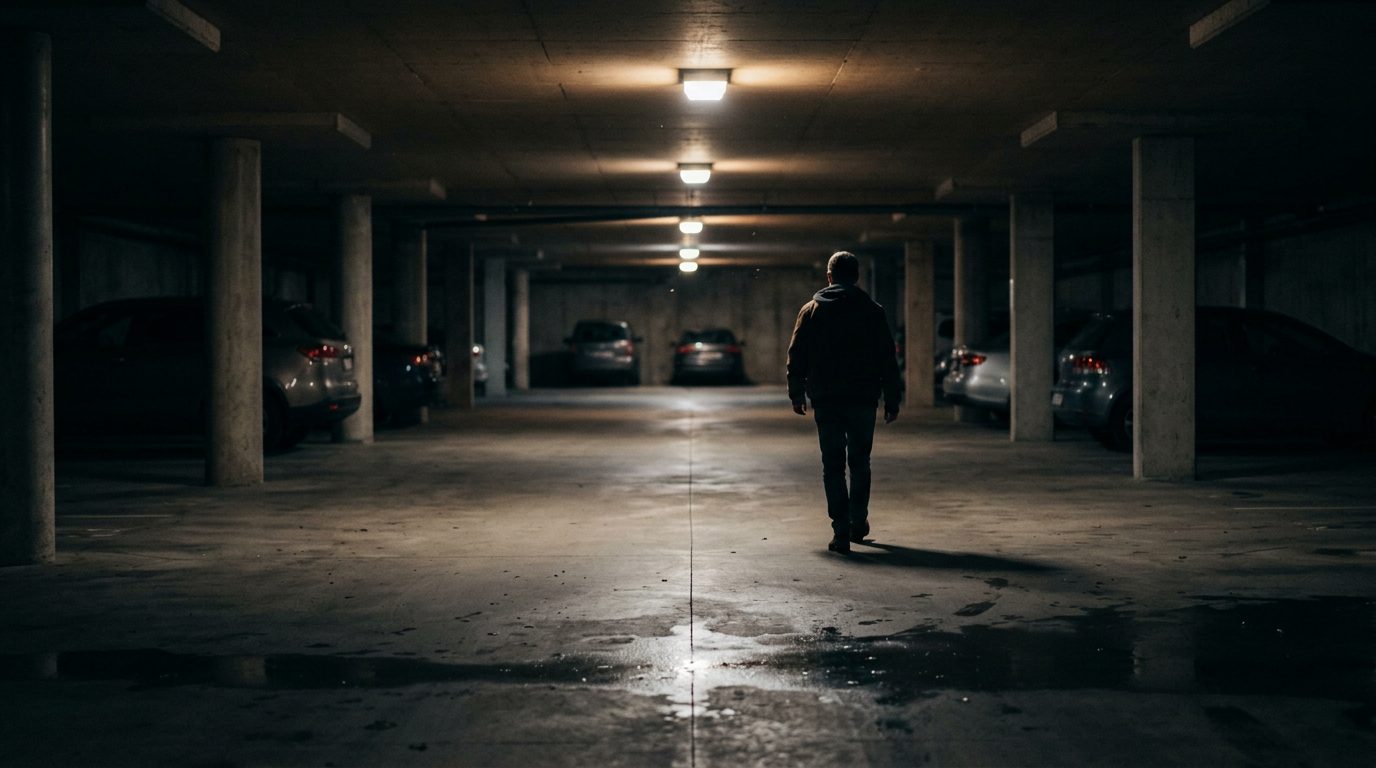
Vacation Rental Negligent Security
Attacked at a Vacation Rental? You May Have a Claim Against the Owner
When a property owner fails to provide reasonable security—working locks, lighting, cameras, or guards—and you're assaulted, robbed, or harmed as a result, they may be liable. CHG Personal Injury Lawyers investigates negligent security claims nationwide.
By CHG Lawyers · Published September 04, 2026
Vacation Rental Negligent Security Lawyer: Hold Property Owners Accountable
You booked what seemed like a safe place to stay. You expected working locks, good lighting, security cameras, or visible staff. Instead, you were assaulted, robbed, shot at, or violently attacked on the property.
The owner’s failure to provide basic security made that attack possible. This is not your fault. The property owner may be legally responsible for your injuries.
Not sure what your next step is?
Talk it through with our team — the first consultation is free, confidential, and carries no obligation.
You Rented a Vacation Property and Were Attacked
When you book through Airbnb, VRBO, Booking.com, or a private owner, you deserve a safe place to stay. Property owners must protect guests from foreseeable harm. This duty is stronger in high-crime areas or where crimes happened before.
Vacation rental guests are vulnerable. You don’t know the property. You may travel alone or with children. You cannot know if crimes happened there previously. The owner does.
If they fail to take reasonable security steps despite knowing the risk, they are legally responsible when you are harmed.
What Is Negligent Security at a Vacation Rental?
Negligent security is a legal claim. It holds a property owner liable when they fail to provide reasonable security. That failure allows a crime to happen.
At a vacation rental, reasonable security typically includes:
- Working locks and deadbolts on doors, windows, and sliding glass doors
- Adequate outdoor lighting in parking areas, entryways, hallways, and common spaces
- Working security cameras or surveillance systems
- Clear sightlines (trimmed landscaping, no blind spots)
- Security guards, regular patrols, or staff presence at night (depending on location and crime history)
When an owner knows—or should know—their property is in a high-crime area, or similar crimes happened there before, they must take extra precautions. If they fail and you are harmed, you may have a claim.
Common Security Failures at Vacation Rentals
Owners cut corners on security to save money. Here’s what we see:
- Broken or missing locks on doors, windows, or sliding glass doors
- Burned-out or absent outdoor lighting in parking lots, garages, hallways, or entry areas
- No security cameras or non-working surveillance systems
- Lack of security guards, patrols, or staff presence at night
- Unsecured or poorly lit common areas (pools, hot tubs, courtyards, elevators)
- No gate or access control at the property entrance
- Overgrown landscaping that creates hiding spots or blocks sightlines
- No alarm system or emergency call buttons
- Failure to respond to prior complaints about security or criminal activity
Who Can Be Held Liable?
Multiple parties may share responsibility for your injuries:
- The property owner (individual or corporate entity)
- The property management company hired to oversee the rental
- The platform operator (Airbnb, VRBO, Booking.com) in some circumstances
- Third-party security companies contracted to provide security services
Platform Liability: Airbnb, VRBO, and Booking.com
Many injured guests assume platforms are simply listing services with no responsibility. That is not always true.
If the platform knew about prior crimes at a property through incident reports, guest complaints, or police records, and failed to warn you or remove the listing, the platform may share liability.
If the platform failed to properly vet the property owner or failed to enforce its own safety policies, liability may extend to the platform operator.
We investigate platform conduct in every case. This distinction is critical and often overlooked.
What Injuries and Attacks Are Covered?
Negligent security claims cover violent crimes that happen because the property lacked reasonable security:
- Assault or battery by another guest or intruder
- Sexual assault or rape
- Armed robbery or theft with violence
- Shooting or stabbing
- Home invasion or burglary resulting in injury
- Injuries sustained while defending yourself or fleeing
- Psychological trauma, PTSD, and ongoing mental-health effects
How Do You Prove Negligent Security?
Proving negligent security requires establishing four key elements under Florida law:
1. The owner’s duty of care. Property owners must keep premises reasonably safe. They must protect guests from foreseeable harm. This duty is established in Florida common law and premises-liability statutes.
2. Breach of that duty. The owner failed to provide reasonable security measures. Examples: broken locks, poor lighting, no cameras, or no guards.
3. Foreseeability. The owner knew—or should have known—that crimes were likely at that property. We investigate prior incidents, police reports, and complaints to prove this.
4. Causation and injury. The security failure directly enabled the attack. You were harmed as a result.
How We Gather Evidence
We build your case by:
- Photographing security failures (broken locks, burned-out lights, missing cameras, unsecured entry points)
- Obtaining police reports and incident logs documenting prior crimes at the property
- Collecting your medical records and police report from the attack
- Gathering witness statements from other guests, staff, or neighbors
- Retaining a security expert to evaluate the property and testify that the owner failed to meet industry standards
- Establishing a direct link: if the lock had worked, the camera had been on, or the area had been lit, the attack would not have occurred
Important: You do not need to identify or prosecute the attacker. This is a major misconception that prevents injured people from pursuing claims. Your claim depends entirely on proving the owner’s failure to provide reasonable security enabled the crime. The attacker’s identity is irrelevant to the property owner’s liability.
Have questions about what happened?
Ask our team directly. The first conversation is free, confidential, and there is no obligation to continue.
How CHG Handles Your Negligent Security Claim
Initial consultation. We listen to your account of what happened. We review your injuries and assess whether you have a viable claim. This is free and confidential.
Investigation. We obtain police reports, medical records, and property records. We visit the vacation rental to document security failures and photograph the scene.
Prior-incident research. We investigate whether crimes occurred at that property before. This is critical in proving the owner knew of the risk.
Expert retention. We work with security experts, medical specialists, and other professionals to build your case.
Demand and negotiation. We prepare a detailed demand letter to the property owner, management company, and their insurance carriers. We outline the negligent security failures and your damages.
Litigation, if necessary. If a fair settlement cannot be reached, we file a lawsuit. We represent you through discovery, depositions, and trial.
Damages recovery. We pursue compensation for medical expenses, lost income, pain and suffering, emotional distress, and other losses.
What Damages Can You Recover?
Negligent security cases can result in substantial compensation:
- Medical expenses: emergency care, hospitalization, surgery, rehabilitation, ongoing treatment, and mental-health counseling
- Lost wages: income lost while you recover or are unable to work
- Pain and suffering: compensation for physical pain, emotional distress, and reduced quality of life
- Permanent disability or disfigurement: if the attack caused lasting harm
- Loss of enjoyment of life: if your ability to work, travel, or engage in activities has been permanently altered
- Punitive damages: in cases where the owner’s conduct was particularly reckless or egregious, you may recover additional damages intended to punish them and deter similar conduct
Why Property Owners Are Legally Responsible
Property owners have a legal duty to keep their premises reasonably safe. They must protect guests from foreseeable harm.
When a property is in a high-crime area, or when the owner knows that crimes have occurred there before, the risk of criminal activity is foreseeable.
Reasonable security measures are not expensive or burdensome: working locks, adequate lighting, and working cameras are standard in the hospitality industry. When an owner cuts corners on security to save money and a guest is harmed, the owner is liable for that harm.
Courts recognize that vacation rental guests are particularly vulnerable. They are unfamiliar with the property. They may be alone or with small children. They have no way to know about prior crimes at that location.
Property owners exploit this vulnerability when they fail to disclose security risks or provide adequate protection.
How Florida’s Comparative-Negligence Rule Works
Under Fla. Stat. §768.81, if you are found more than 50% at fault for your own injury, you generally recover nothing.
However, this applies only to your own conduct—not to the attacker’s criminal actions.
This is a critical distinction that protects injured guests from unfair blame.
Frequently Asked Questions
Q: Can I sue the vacation rental platform (Airbnb, VRBO, etc.)?
In some cases, yes. If the platform knew about prior crimes at the property and failed to warn you or remove the listing, they may share liability. If they failed to vet the property owner adequately, they may also be responsible. We investigate this in every case.
Q: What if I signed a waiver or terms of service?
Waivers do not protect property owners from liability for negligent security.
Q: How long do I have to file a claim?
Florida law generally allows two years from the date of the attack to file a negligence lawsuit under Fla. Stat. §95.11. However, some claims must be brought sooner, and evidence degrades over time. Contact us immediately.
Q: Will I have to go to trial?
Most negligent security cases settle before trial. We are prepared to litigate if necessary. We will advise you on the strength of your case and the likely outcome.
Q: What if the property owner is out of state or the property is in another state?
We handle negligent security cases nationwide. We work with local counsel and follow the laws of the state where the property is located.
Q: Do I need to prove who attacked me?
No. You do not need to identify or prosecute the attacker to hold the property owner liable for negligent security. You only need to prove that the owner’s failure to provide reasonable security enabled the attack.
Why Choose CHG for Your Negligent Security Claim
Exclusive focus. We focus exclusively on catastrophic injury claims, including negligent security at vacation rentals. This is our core practice.
Licensed attorneys. Our team includes Florida Bar-admitted attorneys.
National reach. Although based in Florida, we handle negligent security cases nationwide. We have the resources and experience to pursue claims in any state.
Thorough investigation. We do not rely on what the property owner tells us. We conduct independent investigations, retain experts, and uncover prior incidents that prove foreseeability.
No upfront costs. We work on a contingency-fee basis. You pay nothing unless we recover compensation for you.
Compassionate representation. We understand that you were harmed in a place where you should have been safe. We treat you with respect and fight to hold the property owner accountable.
Want to know where you stand?
Tell us what happened and our team will walk you through the options available to you, at no cost.
What Happens Next
Contact us for a free, confidential case evaluation. Tell us what happened, where it happened, and how you were injured.
We will review your case, ask clarifying questions, and explain your legal options. If we believe you have a viable claim, we will outline the next steps and discuss our representation agreement.
We will begin our investigation immediately, gathering evidence and building your case. You will work with a dedicated attorney who will keep you informed throughout the process and answer your questions.
If you were assaulted, robbed, or attacked at a vacation rental because of inadequate security, you may have a negligent security claim against the property owner. People in your situation can reach out to us. Get a free case evaluation today.
Important: Waivers and Terms of Service Don't Always Protect Property Owners
Many vacation rental platforms and property owners include liability waivers in their terms of service. In many cases, these waivers cannot shield them from negligent security claims. A property owner's duty to provide reasonable security is a fundamental legal obligation that cannot be waived away by fine print.
What Negligent Security Means at Vacation Rentals
Failure to Secure the Property
Broken locks, missing deadbolts, unsecured sliding doors or windows, or gates that don't work leave you vulnerable. A property owner must maintain basic security measures to prevent unauthorized entry.
Inadequate Lighting
Dark parking areas, hallways, or grounds make it easier for criminals to hide and attack. Owners have a duty to maintain adequate lighting in common areas and around the property.
No Cameras or Monitoring
Security cameras deter crime and provide evidence. When an owner fails to install or maintain cameras in high-risk areas, they may be negligent.
No Security Personnel
Depending on the property's size, location, and history, the owner may have a duty to hire security guards or conduct regular patrols, especially in high-crime areas.
Why Property Owners Are Responsible for Your Safety
Duty of Care
Property owners have a legal duty to maintain their premises in a reasonably safe condition and to protect guests from foreseeable harm—including criminal acts when the risk is known or should have been known.
Prior Crimes Matter
If assaults, robberies, or other crimes have occurred at the property before, the owner knew or should have known about the risk. Failing to increase security after prior incidents strengthens a negligent security claim.
Platform Liability
Vacation rental platforms like Airbnb and VRBO may also share liability if they knew about prior crimes at a property and failed to warn guests, remove the listing, or vet the owner adequately.
Your Recovery Matters
Injuries from violent crime at a vacation rental can be catastrophic. You deserve compensation for medical care, lost income, pain and suffering, and other damages—and the property owner should bear that responsibility.
Common Negligent Security Scenarios at Vacation Rentals
Assault in a Common Area
You're attacked in a hallway, parking garage, or courtyard because there are no cameras, poor lighting, or broken locks on entry doors. The owner failed to maintain basic security.
Robbery or Home Invasion
A criminal enters the rental because windows or doors don't lock properly, or there's no security system. The owner knew the area was high-crime but did nothing to protect guests.
Sexual Assault
You're attacked by an intruder who gained access due to inadequate locks, no surveillance, or poor lighting. The owner failed to provide reasonable security measures.
Prior Crimes Ignored
Assaults or robberies happened at the property before, but the owner didn't increase security, warn guests, or improve locks and lighting. Failing to respond to known risks is negligence.
What We Investigate in Your Case
Property Security Measures
We examine what locks, cameras, lighting, gates, and other security features were in place—and what was missing or broken. We also review the property's condition and layout.
Prior Crimes and Complaints
We obtain police reports, incident records, and complaints from other guests to establish whether the owner knew or should have known about security risks at the property.
Industry Standards
We determine what security measures are standard for properties in that location and type, and whether the owner fell below those standards.
Platform Responsibility
We investigate whether the vacation rental platform knew about prior crimes, failed to vet the owner, or breached its own safety policies—making it liable alongside the property owner.
Why Choose CHG Personal Injury Lawyers
Nationwide Negligent Security Experience
We focus exclusively on personal injury cases, including negligent security claims at vacation rentals, apartment complexes, hotels, parking garages, and other properties across the country.
Bilingual Support
We serve clients in English and Spanish, ensuring you understand every step of your case and your rights.
No Attorney’s Fees Unless There Is a Recovery
We handle negligent security cases on contingency. You pay nothing upfront, and we only collect a fee if we recover compensation for you.
Licensed Florida Attorneys
Our team includes attorneys admitted to the Florida Bar with deep knowledge of negligent security law and the duty property owners owe to their guests.