

Vacation Rental Injuries
Injured at a Short-Term Rental? You May Have a Claim
Property owners have a duty to maintain safe conditions. When they fail and you're hurt, we help you recover.
By CHG Lawyers · Published September 22, 2026
Vacation Rental Injury Lawyer for Catastrophic Harm at Airbnb & VRBO
You were injured at a vacation rental—an Airbnb, VRBO, or HomeAway property. The injury changed your life permanently. If it is catastrophic and the property owner’s negligence caused it, you may have a legal claim. Our Florida-based attorneys focus exclusively on catastrophic injuries and handle vacation rental injury claims nationwide.
If your case goes to trial, we present evidence to a jury and advocate for maximum recovery. Talk it through with our team — the first consultation is free, confidential, and carries no obligation.
What Catastrophic Injuries at Vacation Rentals We Handle
We represent guests and families who suffered permanent, life-altering harm at vacation rental properties. Catastrophic means severe and permanent—not minor sprains. We handle:
- Spinal cord injuries and paralysis (paraplegia and quadriplegia)
- Traumatic brain injuries (TBI)
- Amputation and limb loss
- Severe burn injuries
- Catastrophic back and neck injuries
- Wrongful death (when a family member dies from injury at the property)
Vacation rental owners have a legal duty to maintain safe conditions. When an owner fails to meet that duty and a guest suffers catastrophic harm, the guest may pursue compensation.
Common failures include broken locks or gates, inadequate lighting, missing security cameras, no security personnel, unsafe pools or hot tubs, structural defects, and negligent security that allowed assault, robbery, or violent attack.
Who This Is For
This page is for you if:
- You or a family member suffered catastrophic, permanent injury at a vacation rental
- The property owner’s negligence or failure to provide reasonable security caused it
- You are in Florida or anywhere in the United States
- You want to understand your legal rights and explore a claim
Types of Vacation Rental Injury Claims
Premises Liability
Property owners must maintain rental properties in reasonably safe condition. Injuries from unsafe conditions—broken stairs, defective railings, structural hazards, poor maintenance—support a premises-liability claim.
Negligent Security
If you were assaulted, robbed, shot, or attacked because the owner failed to provide reasonable security (working locks, adequate lighting, security cameras, security personnel, or warnings), you may have a negligent-security claim. The owner knew or should have known of security risks and failed to address them.
Pool and Water-Related Injuries
Drowning, near-drowning, spinal cord injury from shallow-water diving, and severe injuries from hot-tub malfunction can cause catastrophic harm. We handle these cases.
Fire and Burn Injuries
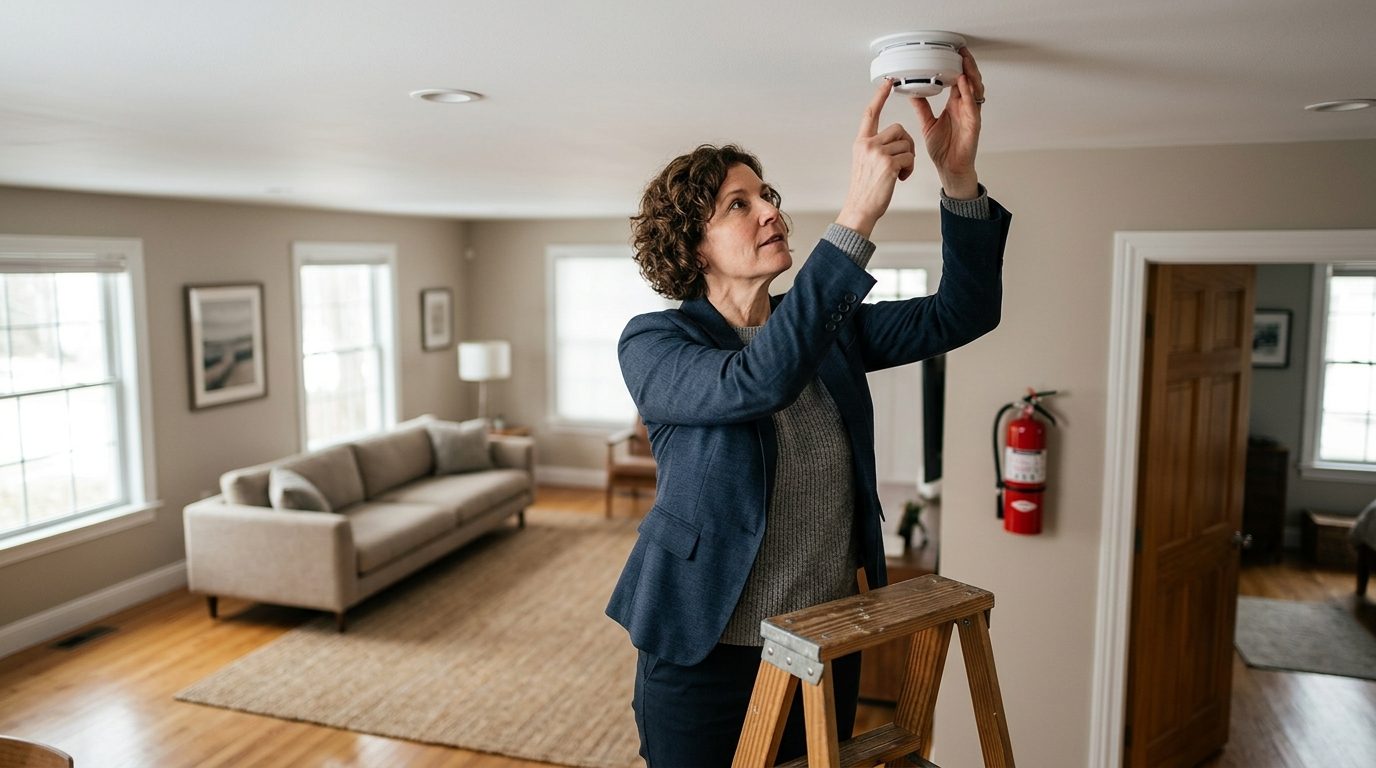
Injuries from faulty wiring, missing smoke detectors, unsafe heating systems, or failure to maintain fire safety standards are covered.
Structural Collapse and Falling Objects
Injuries from balcony collapse, ceiling failure, or objects falling from defective fixtures may support a claim.
Claims Against Owners, Managers, and Platforms
We pursue claims against the property owner and manager. We also investigate whether the vacation-rental platform (Airbnb, VRBO, HomeAway) bears liability—for example, if the platform knew of a dangerous condition and failed to disclose it.
How Vacation Rental Liability Works
Property owners have a legal duty to maintain safe conditions and warn guests of known hazards. When a guest is injured because the owner failed to meet that duty, the guest may pursue a premises-liability claim.
Vacation-rental platforms may also bear liability. If Airbnb or VRBO knew a property had safety complaints and failed to warn you, the platform itself may be responsible.
Most vacation rental properties carry liability insurance. We investigate coverage and pursue claims against the insurance company.
Time matters. In Florida, you generally have two years from the date of injury to file a premises-liability lawsuit under Fla. Stat. §95.11. For out-of-state injuries, the deadline varies. Evidence can disappear and witnesses’ memories fade. Do not delay.
Can You Sue Airbnb or VRBO?
Yes, in certain circumstances. Airbnb and VRBO are not automatically liable for every injury, but they can be held responsible if they were negligent.
Examples include:
- The platform knew a property had safety complaints and failed to warn you
- The platform failed to vet a dangerous host
- The platform’s own negligence in a common area caused harm
Platforms often include liability waivers or arbitration clauses in their terms. We review these and challenge them where the law permits.
Not sure what your next step is?
Talk it through with our team — the first consultation is free, confidential, and carries no obligation.
Can You Sue for Pain and Suffering?
Yes. In a premises-liability claim, you can recover damages for pain and suffering, medical expenses, lost wages, permanent disability, reduced quality of life, and other harms.
Catastrophic injuries typically result in substantial pain-and-suffering damages because the injury is permanent and life-altering. Wrongful-death claims include damages for the family’s loss of companionship, emotional distress, and funeral expenses.
The amount depends on injury severity, negligence evidence, available insurance, and other case-specific factors.
How Much Compensation Can You Expect?
We cannot predict a specific settlement or verdict amount. Every case is unique and depends on facts, injury severity, defendant liability, and available insurance.
Factors affecting compensation include:
- Permanence and severity of your injury
- Your age and life expectancy
- Medical costs (past and future)
- Lost earning capacity
- Pain and suffering
- Strength of negligence evidence
- Defendant’s insurance limits
Catastrophic injuries typically result in higher compensation because they cause permanent, life-altering harm. We pursue the maximum recovery available.
What to Expect: The Claims Process
Step 1: Free Case Evaluation
You contact us and describe what happened. We listen, ask questions, and explain whether your situation fits our scope.
Step 2: Investigation
If we take your case, we investigate the property, maintenance records, security practices, prior complaints, and insurance coverage. We may hire experts—engineers, medical specialists, security consultants—to support your claim.
Step 3: Demand and Negotiation
We prepare a detailed demand letter to the property owner’s insurance company. We outline the negligence, your injuries, and damages owed. We negotiate with the insurer.
Step 4: Litigation (If Necessary)
If the insurer refuses fair compensation, we file a lawsuit. We handle discovery, depositions, and expert testimony.
Step 5: Settlement or Trial
Most cases settle before trial. If your case goes to trial, we present evidence to a jury and advocate for maximum recovery.
Timeline: Investigations typically take 3–6 months. Negotiations may take several months. Litigation can take 1–3 years depending on court schedules and complexity.
Why Choose Us for Your Vacation Rental Injury Claim
We focus exclusively on catastrophic injuries—spinal cord injury, paralysis, traumatic brain injury, amputation, severe burns, and wrongful death. We do not handle minor or routine injuries. This focus means deep experience in the medical, legal, and financial complexities of life-altering harm.
We are Florida-based, licensed attorneys admitted to the Florida Bar. We handle cases nationwide and understand Florida premises-liability law and vacation-rental injury claims across the country.
We investigate thoroughly. We do not accept a property owner’s or platform’s account at face value. We dig into maintenance records, prior complaints, security practices, and expert analysis.
We are not afraid to litigate. While we negotiate aggressively, we are prepared to take cases to trial if the insurer refuses fair compensation.
We work on a contingency-fee basis: you pay nothing unless we recover compensation. Our fee comes from the settlement or verdict.
We communicate clearly in plain language. We explain your rights, the process, and your options so you can make informed decisions.
Understanding Premises Liability and Negligent Security
Premises liability is the legal principle that property owners have a duty to maintain safe conditions and warn guests of known hazards. At vacation rentals, this duty includes maintaining locks and gates, providing adequate lighting in common areas and entryways, installing and maintaining security cameras where appropriate, addressing known structural or mechanical hazards, and warning guests of dangers.
Negligent security is a specific type of premises-liability claim. The owner failed to provide reasonable security measures, and a guest was assaulted, robbed, shot, or attacked by a third party. Examples include broken locks that allowed an intruder, dark parking areas with no lighting, no security cameras, no security personnel despite a history of crime in the area, and failure to warn of known dangers.
We investigate whether the owner knew or should have known of security risks and failed to address them.
Have questions about what happened?
Ask our team directly. The first conversation is free, confidential, and there is no obligation to continue.
Common Questions About Vacation Rental Injury Claims
Q: What if I signed a waiver when I booked the rental?
Waivers are not always enforceable, especially in cases of gross negligence or willful misconduct. We review any waiver you signed and challenge it if the law permits.
Q: What if I was partially at fault for the injury?
Florida follows comparative negligence under Fla. Stat. §768.81. If you were partially at fault, your recovery may be reduced by your percentage of fault. We defend against unfair blame and fight for fair responsibility allocation.
Q: How long do I have to file a claim?
In Florida, the statute of limitations for premises-liability claims is generally two years from the date of injury (Fla. Stat. § 95.11(5)(a)). For out-of-state injuries, the deadline varies by state. Do not delay—evidence can disappear and witnesses’ memories fade.
Q: What if the property owner does not have insurance?
We pursue claims against the owner’s personal assets and explore other recovery sources (the platform, contractors, etc.). We also investigate whether the owner’s homeowner’s or umbrella policy may cover the rental activity.
Q: Do I have to go to court?
Most cases settle before trial. However, if the insurer refuses fair compensation, we are prepared to litigate and present your case to a jury.

Next Steps: Contact Us for a Free Case Evaluation
If you or a family member suffered a catastrophic injury at a vacation rental, contact us for a free, confidential case evaluation. We will listen to what happened, answer your questions, and explain your legal options.
We also handle catastrophic injury claims across multiple accident types and represent clients in negligent security cases involving assault, robbery, and violent crime on unsafe properties.
There is no obligation, and you will not pay anything unless we recover compensation for you.
Contact CHG Personal Injury Lawyers today for your free case evaluation.
Why Choose CHG for Your Vacation Rental Injury
We Focus on Catastrophic Injury Claims
From serious falls and drowning to traumatic injuries, we handle cases involving permanent harm and work to hold property owners accountable.
We Review Every Detail—Including Waivers
Waivers signed at booking are often unenforceable, especially when gross negligence or willful misconduct caused your injury. We challenge them on your behalf.
We Handle Cases Nationwide
Injured at a rental in Florida or anywhere else in the country, we represent you and work with local counsel as needed.
We Understand the Impact
A vacation injury can become a life-altering event. We listen to your story and fight for fair compensation to help you move forward.
Common Vacation Rental Injury Scenarios
Unsafe Conditions & Falls
Broken stairs, slippery surfaces, faulty railings, or poor maintenance that causes you to fall and suffer serious injury.
Drowning & Water Hazards
Inadequate pool fencing, missing safety equipment, or lack of supervision leading to drowning or near-drowning.
Structural Failures
Balcony collapses, ceiling failures, or other structural defects that cause catastrophic harm.
Inadequate Security
Broken locks, missing lighting, or lack of security measures that allow an intruder to assault or rob you on the property.
Important: Waivers Don't Always Protect Property Owners
Many vacation rental platforms include injury waivers in their terms. However, Florida law does not enforce waivers that attempt to shield a property owner from liability for gross negligence, willful misconduct, or violations of law. If the owner's actions or inaction were reckless or deliberate, a waiver may not bar your claim.
Questions About Your Vacation Rental Injury Claim
What if I signed a waiver when I booked?
Waivers are not always enforceable, especially in cases of gross negligence or willful misconduct. We review any waiver you signed and challenge it if the law permits.
What if I was partially at fault?
Florida follows comparative negligence (Fla. Stat. § 768.81(6)). Even if you bear some responsibility, you may still recover damages reduced by your percentage of fault. We evaluate your full situation.
How long do I have to file a claim?
Time limits apply to injury claims. Contact us as soon as possible so we can review your case and protect your rights.
What damages can I recover?
Depending on your injury, you may recover medical expenses, lost income, pain and suffering, and other losses. We investigate your case to build the strongest claim.
Ready to Discuss Your Case?
Related practice areas
- Injured at a Short-Term or Vacation Rental? Your Rights When an Airbnb or VRBO Property Fails
- Florida Short-Term Rental Injury Attorney: Miami, Orlando, Tampa & Jacksonville
- Assaulted or Attacked at a Short-Term Rental? Property Owner Security Claims
- Drowning & Pool Injuries at Vacation Rentals: Holding Owners Accountable
- Attacked or Assaulted at a Short-Term Rental in Florida? Your Options Against the Owner
- Miami Short-Term Rental Injury Lawyer | Serious & Fatal Accidents
- Spinal Cord Injuries: A Guide for Victims and Families Facing Paralysis
- Paraplegia