

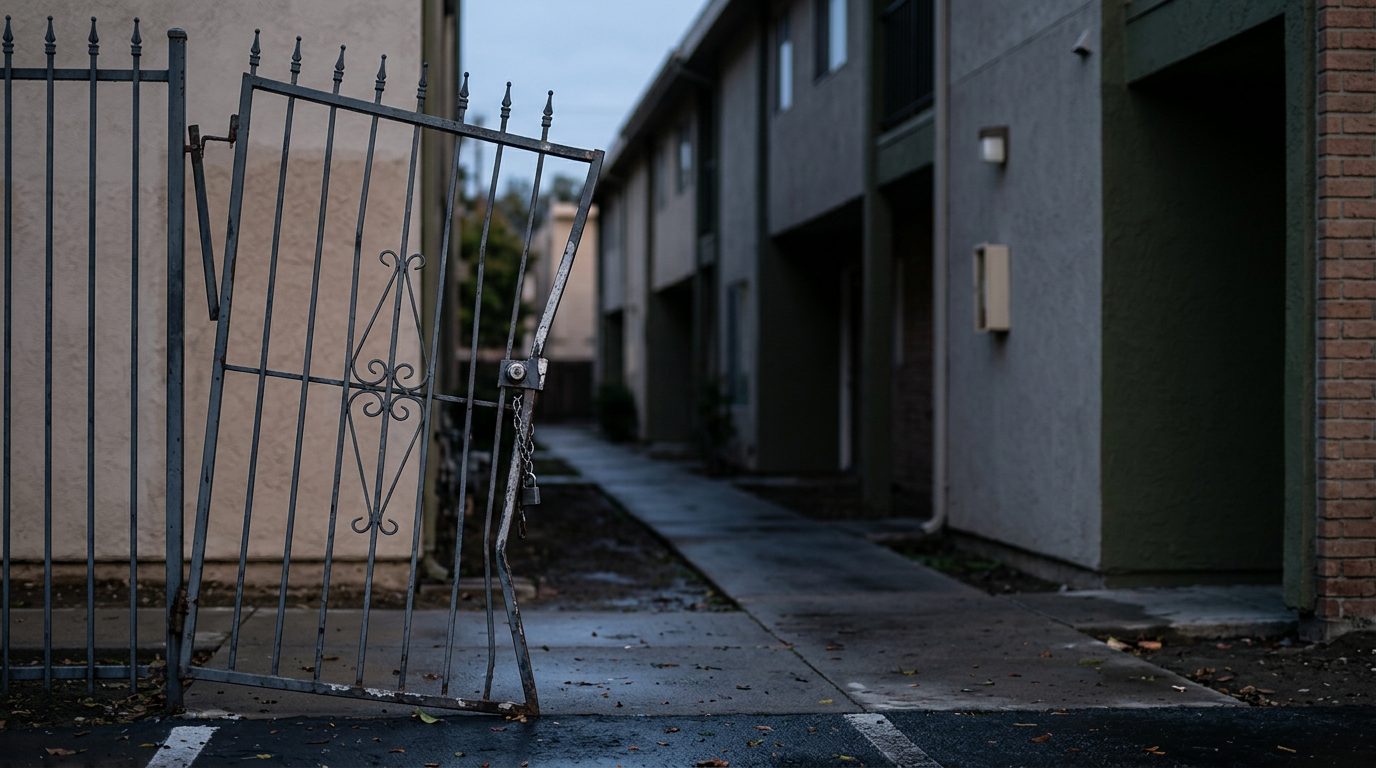
Short-Term Rental Assault | Property Owner Liability
Attacked at an Airbnb, VRBO, or Vacation Rental? Hold the Property Owner Accountable
When a short-term rental fails to provide basic security and you're assaulted, robbed, or harmed on the property, the owner may be liable for your injuries. We investigate negligent security claims nationwide.
By CHG Lawyers · Published August 31, 2026
Short-Term Rental Assault Claim: When the Property Owner Is Liable
You were assaulted, attacked, or sexually assaulted at an Airbnb, VRBO, Booking.com, or other short-term rental. That was not your fault. The property owner may be legally responsible if they failed to provide reasonable security that could have prevented it. This page explains what a short-term rental assault claim is, who it’s for, what it covers, and how to move forward.
Not sure what your next step is?
Talk it through with our team — the first consultation is free, confidential, and carries no obligation.
You Were Assaulted at a Short-Term Rental—What You Need to Know
When you book a vacation rental, you expect a safe place to stay. Being attacked on someone else’s property is a traumatic violation. You may have legal rights against the owner.
Property owners have a legal duty to keep guests reasonably safe. They must provide security that matches the property’s location and crime history. If the owner failed to install working locks, provide adequate lighting, maintain security cameras, or hire security personnel—and that failure allowed an attacker to harm you—you may have a claim. This is called negligent security.
You are not suing the attacker alone. You are holding the property owner accountable for creating unsafe conditions. This is a specific type of claim with real legal steps and real consequences for property owners who ignore guest safety.
What Is a Short-Term Rental Assault Claim?
A short-term rental assault claim is a legal action against the property owner or their insurance company. The claim says the owner failed to provide reasonable security that could have prevented or stopped an attack.
The claim rests on a legal principle called negligent security. This means the property owner breached their duty to keep guests reasonably safe. In plain language: the owner knew or should have known the property was in a high-crime area. Or similar crimes had happened there before. They failed to take basic protective steps.
These claims can arise from assaults, sexual assaults, robberies, shootings, or other violent crimes. The crime happened because the property lacked basic protective measures. You are seeking compensation for your injuries. You also want to hold the owner accountable and signal that guest safety matters.
Who This Claim Is For
A short-term rental assault claim is for you if:
- You were a guest at an Airbnb, VRBO, Booking.com, Expedia, or similar short-term rental when you were attacked or assaulted.
- The attack happened because the property lacked reasonable security—broken or missing locks, no lighting in common areas, no cameras, no alarm system, no security personnel, or a known pattern of crime that the owner ignored.
- You suffered serious, permanent injuries as a result (physical trauma, psychological injury, or both).
- You are a family member of someone who was killed in an attack at a short-term rental due to inadequate security (a wrongful death claim).
What a Short-Term Rental Assault Claim Covers
A successful short-term rental assault claim can recover:
- Medical expenses: emergency care, hospitalization, surgery, ongoing treatment, mental health counseling, and rehabilitation.
- Lost income and earning capacity if the attack left you unable to work or reduced your ability to earn.
- Pain and suffering, emotional distress, and loss of enjoyment of life.
- Permanent disability or disfigurement caused by the attack.
- Costs of home modifications, assistive devices, or ongoing care if you sustained catastrophic injuries.
- Wrongful death damages if the attack was fatal: funeral expenses, loss of financial support, and loss of companionship (for surviving family members).
- Punitive damages in some cases if the owner’s conduct was reckless or intentional (for example, ignoring repeated security complaints or a known pattern of crime).
When a Property Owner Is Legally Responsible
A property owner can be held liable for a short-term rental assault claim if:
- The owner knew or should have known the property was in a high-crime area or that similar crimes had happened there before.
- The owner failed to install or maintain basic security: working locks on doors and windows, adequate outdoor lighting, security cameras, or alarm systems.
- The owner failed to hire security personnel when the property’s location or crime history warranted it.
- The owner ignored guest complaints about broken locks, poor lighting, or security concerns.
- The owner failed to screen or vet staff or contractors with access to the property.
- The owner failed to provide guests with information about security features or safety protocols.
- The attack was foreseeable—meaning a reasonable property owner would have anticipated the risk and taken steps to prevent it.
Courts examine whether the property owner knew of prior criminal activity on or near the premises. This is often called “prior similar incidents” evidence. It is critical to proving foreseeability.
Have questions about what happened?
Ask our team directly. The first conversation is free, confidential, and there is no obligation to continue.
How a Short-Term Rental Assault Claim Works: Step-by-Step
Step 1: Initial Consultation
You meet with an attorney to describe what happened and your injuries. You also explain the security failures at the property. The attorney gathers details about the property’s location, security features (or lack thereof), and any prior incidents at that property or nearby.
Step 2: Investigation
Our team investigates the property’s history. We review police reports and crime data for the area. We obtain security footage if available and interview witnesses. We identify all potentially liable parties: the property owner, the platform (Airbnb, VRBO, etc.), property managers, and insurance carriers.
This is critical. Security footage is typically deleted after 30–90 days. Speed matters. We also obtain public records from local law enforcement and county databases. This establishes the crime history of the area and the specific property.
Step 3: Medical Documentation
We work with your medical providers to document your full injuries, treatment, and long-term outlook. For catastrophic injuries, this includes expert medical testimony about permanent disability, ongoing care needs, and lost earning capacity.
Step 4: Demand and Negotiation
We prepare a detailed demand letter to the property owner’s insurance company. It outlines the owner’s security failures, why the attack was foreseeable, your injuries, and the damages you are seeking. We negotiate to reach a fair settlement that reflects the true cost of your harm.
Step 5: Litigation (if necessary)
If the insurance company refuses a fair offer, we file a lawsuit. Discovery allows us to obtain internal communications, security records, prior incident reports, and expert analysis. We prepare for trial if settlement is not reached.
Step 6: Resolution
Most cases settle before trial. We are prepared to take your case to a jury if needed.
Timeline: What to Expect
- Investigation phase: 2–4 months. We gather evidence, police reports, medical records, and property history.
- Demand and negotiation: 1–3 months. We send a detailed demand and negotiate with the insurance company.
- Litigation (if filed): 12–24 months or longer, depending on court schedules, discovery disputes, and settlement progress.
- Settlement or trial: Varies. Some cases resolve quickly; others proceed to trial.
Important: Under Florida law (Fla. Stat. § 95.11), you generally have 2 years from the date of the attack to file a lawsuit. Do not delay. Evidence can be lost, and memories fade.
Why This Firm for Your Short-Term Rental Assault Claim
- Focused practice: We focus exclusively on catastrophic injury claims, including negligent security cases at short-term rentals. This is not a side practice for us.
- Nationwide reach: We handle cases across the United States, not just Florida. If you were attacked at a short-term rental anywhere in the country, we can help.
- Deep experience with short-term rental liability: We understand the unique legal landscape of Airbnb, VRBO, and other platforms—including their terms of service, insurance limitations, and liability shields.
- Catastrophic injury experience: We handle cases involving sexual assault, violent crime, and severe trauma. We understand the long-term physical, emotional, and financial impact of these injuries.
- No upfront costs: We work on contingency. You pay nothing unless we recover compensation for you.
- Bilingual resources: We serve English and Spanish-speaking clients.
Common Questions About Short-Term Rental Assault Claims
Q: Can I sue Airbnb or VRBO directly?
You can name the platform in your claim. The primary defendant is usually the property owner. Platforms have terms of service that attempt to limit their liability. We investigate all potential defendants and their insurance coverage.
Q: What if the attacker was a guest or staff member?
The property owner may still be liable if they failed to screen guests or staff. They may also be liable if they failed to provide security that could have prevented the attack. We investigate the owner’s hiring and vetting practices.
Q: Will my case go to trial?
Most cases settle before trial. We prepare every case as if it will go to trial. We are ready to present your case to a jury if the insurance company refuses a fair settlement.
Q: How much is my claim worth?
Damages depend on the severity of your injuries, your age, your earning capacity, and the strength of the evidence of the owner’s negligence. We provide a realistic estimate after investigating your case.
Q: What if I was partially at fault?
Under Florida’s comparative negligence rule (Fla. Stat. § 768.81), a claimant who is more than 50% at fault generally recovers nothing. A claimant who is 50% or less at fault may recover damages reduced by their percentage of fault. Even if you were partially at fault (for example, you left a door unlocked), you may still recover if the property owner’s negligence was a substantial factor in causing your injuries.
Want to know where you stand?
Tell us what happened and our team will walk you through the options available to you, at no cost.
What Happens If You Don’t Take Action
- The statute of limitations will expire. You will lose your right to sue forever.
- Evidence will be lost or destroyed. Security footage is often deleted after 30–90 days. Witnesses move away. Memories fade.
- The property owner will face no accountability. The unsafe conditions may persist, putting future guests at risk.
- Your medical bills, lost income, and pain and suffering will remain uncompensated.
- If the attack was fatal, your family will lose the opportunity to recover wrongful death damages.
Get Your Free Case Evaluation Today
If you were assaulted or attacked at a short-term rental and believe the property owner failed to provide reasonable security, contact us for a free, confidential case evaluation. We will listen to your story, review the facts, and tell you honestly whether you have a viable claim. There is no obligation, and you will not pay anything unless we recover compensation for you. Time is critical. Evidence fades, and the statute of limitations is running.
Time Matters
Claims arising from assault or injury on a rental property are subject to strict legal deadlines. The sooner you contact us, the sooner we can preserve evidence, interview witnesses, and investigate the property owner's security practices and history.
What Makes a Property Owner Liable for an Assault?
Failure to Provide Basic Security
A property owner may be liable if they failed to install or maintain working locks on doors and windows, adequate lighting in common areas, functional security cameras, or other reasonable security measures that could have prevented the attack.
Known or Foreseeable Risk
If the property is in an area with a history of crime, or if the owner knew of prior incidents at that location or similar properties, they may have a duty to provide enhanced security. Ignoring that risk can create liability.
Negligent Hiring or Supervision
If a staff member, cleaner, or contractor assaulted you, the owner may be liable for failing to screen, train, or supervise that person adequately.
Platform Liability
While Airbnb, VRBO, and other platforms attempt to limit their liability through terms of service, we investigate whether the platform itself bears responsibility for failing to warn guests, screen properties, or respond to safety complaints.
Why Choose CHG Personal Injury Lawyers for Your Short-Term Rental Claim
We Focus Exclusively on Catastrophic Injury Claims
We handle serious, life-altering injuries—including those from assault and negligent security. We understand the physical, emotional, and financial devastation these incidents cause.
Thorough Investigation of Property and Owner Practices
We obtain security records, prior incident reports, maintenance logs, and insurance information. We identify all liable parties—the owner, the platform, and any third parties—and pursue every avenue of recovery.
National Reach, Local Knowledge
We handle cases nationwide. Whether your assault occurred in Florida or across the country, we know how to navigate local property liability laws and insurance requirements.
Clear Communication in Your Language
We provide bilingual support and explain complex legal concepts in plain language. You'll always understand where your case stands and what to expect next.
We Understand Your Trauma
Assault leaves lasting wounds. We approach every client with empathy and dignity, and we fight for fair compensation that reflects the full scope of your suffering and recovery needs.
No Attorney’s Fees Unless There Is a Recovery
We work on contingency. You pay nothing upfront, and we only collect a fee if we recover compensation for you.
Frequently Asked Questions
Can I sue Airbnb or VRBO directly?
You can name the platform in your claim. The primary defendant is usually the property owner. Platforms have terms of service that attempt to limit their liability. We investigate all potential defendants and their insurance coverage to pursue every source of recovery.
What if the attacker was a guest or staff member?
The property owner may still be liable. If another guest assaulted you, the owner may have failed to screen guests, maintain security, or respond to warning signs. If a staff member or contractor harmed you, the owner may be liable for negligent hiring, training, or supervision.
What damages can I recover?
Compensation may include medical expenses, ongoing treatment and rehabilitation, lost income, pain and suffering, emotional trauma, and other losses resulting from your injury. We evaluate the full scope of your damages and pursue fair recovery.
What if I signed a waiver or release?
Waivers and terms of service often do not shield property owners from liability for negligent security or assault. We review any documents you signed and advise you on your rights.