

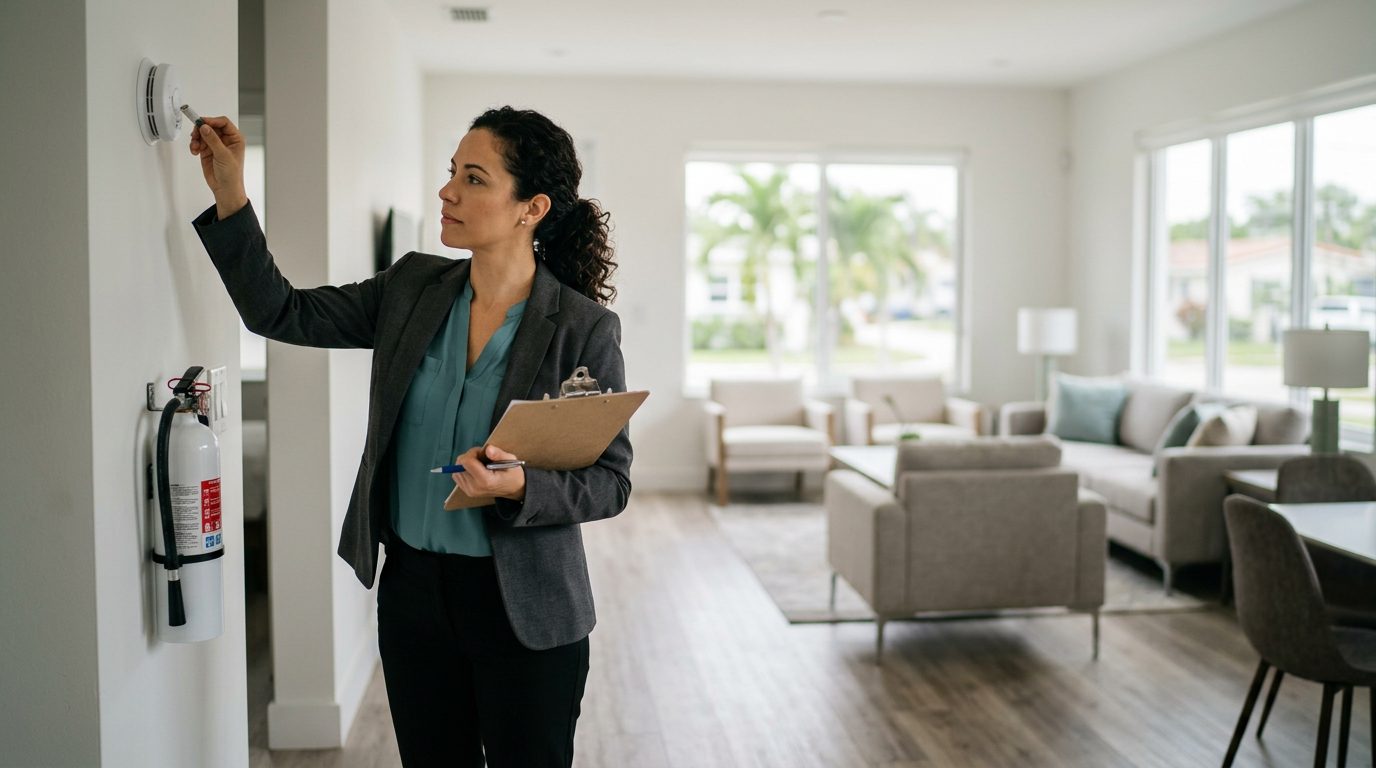
Miami Short-Term Rental Injury Lawyer
Catastrophic Injuries at Airbnb, VRBO & Vacation Rentals
When a short-term rental property fails to protect you—and you suffer a life-altering injury—you may have a claim against the owner. CHG Personal Injury Lawyers focuses exclusively on catastrophic injuries and holds property owners accountable.
By CHG Lawyers · Published August 25, 2026
Miami Short-Term Rental Injury Lawyer for Catastrophic Injuries
If you suffered a catastrophic, life-altering injury at a short-term rental in Miami, the property owner may be legally responsible. Unsafe conditions, negligent maintenance, inadequate security, or failure to warn can trigger a claim for damages. A Miami short-term rental injury lawyer can help you understand your legal options and pursue the compensation you deserve.
This firm focuses exclusively on catastrophic injuries: spinal cord injuries, paralysis (paraplegia and quadriplegia), traumatic brain injury, amputation, severe burns, and catastrophic back or neck injuries. We handle short-term rental injury claims nationwide, including throughout Miami and Florida. We work on a contingency basis—you pay nothing upfront.
Not sure what your next step is?
Talk it through with our team — the first consultation is free, confidential, and carries no obligation.
When You Can Hold a Short-Term Rental Owner Liable
Property owners and managers of short-term rentals—whether listed on Airbnb, VRBO, or operated independently—have a legal duty to keep guests safe. When they fail to maintain safe conditions, repair known hazards, provide adequate security, or warn guests of dangers, they may be held accountable.
Under Florida premises liability law, short-term rental guests are classified as “invitees.” This means the owner owes you a high duty of care. That duty includes inspecting the property, repairing or removing hazards, and disclosing known dangers. If the owner breached that duty and your catastrophic injury resulted, you have grounds for a claim.
A short-term rental injury claim can arise from:
- Broken or unstable stairs, railings, or balconies
- Faulty locks, gates, or security systems
- Inadequate lighting in hallways, parking areas, or entryways
- Failure to repair known hazards or defects
- Failure to provide working locks on doors and windows
- Failure to install or maintain security cameras
- Failure to prevent assault, robbery, or violent crime due to lack of security measures
- Failure to disclose known hazards or risks to guests
Why Property Owners Can Be Held Liable Under Florida Law
The Legal Duty
Under Florida law, property owners owe different levels of duty depending on the visitor’s status. Short-term rental guests are “invitees”—the highest category of visitor protection. The owner must:
- Maintain the property in a reasonably safe condition
- Inspect the property regularly for hazards
- Repair or remove known dangers
- Warn guests of non-obvious hazards that cannot be easily repaired
Florida’s Comparative Negligence Rule
Florida’s comparative negligence statute allows you to recover damages even if you are partially at fault. Under Fla. Stat. §768.81, you can recover as long as you are 50% or less at fault. If the property owner is more than 50% at fault, they bear the greater share of responsibility.
Establishing Negligence
To succeed in a short-term rental injury claim, you must prove four things:
- Duty: The owner owed you a duty of care (established for short-term rental guests)
- Breach: The owner failed to maintain safe conditions, repair hazards, or warn of dangers
- Causation: The breach directly caused your catastrophic injury
- Damages: You suffered serious, quantifiable harm (medical expenses, lost income, pain and suffering, permanent disability)
How Short-Term Rental Injury Claims Work
Step 1: Free Case Evaluation
You contact the firm and describe your injury, where it happened, what unsafe condition caused it, and the nature of your injury. An attorney listens, asks clarifying questions, and advises whether you have a viable claim.
Step 2: Investigation and Evidence Gathering
If you have a potential claim, the firm investigates thoroughly:
- Photographs and video of the unsafe condition
- Maintenance and repair records
- Prior complaints from other guests
- Security footage (if available)
- Witness statements
- Expert reports (engineers, medical specialists, safety consultants)
- Insurance policy information
Step 3: Demand and Negotiation
The firm sends a detailed demand letter to the property owner’s insurance company. It explains the owner’s negligence, the severity of your injury, and the damages you’ve suffered. Many cases resolve at this stage.
Step 4: Litigation (If Necessary)
If a fair settlement cannot be reached, the firm files a lawsuit and represents you through discovery, depositions, motion practice, and trial if needed.
Timeline
Most short-term rental injury claims take 1 to 3 years to resolve. Catastrophic injury cases often require expert testimony and detailed medical documentation, which takes time to gather and prepare.
Have questions about what happened?
Ask our team directly. The first conversation is free, confidential, and there is no obligation to continue.
How Attorney Fees Work
Contingency Fee Structure
The firm is paid only if you recover money through settlement or judgment. You pay no upfront fees and have no obligation to pay if you recover nothing.
Fee Percentage
The firm’s fee is typically: – 33% of your recovery if the case settles before trial – Up to 40% of your recovery if the case goes to trial
Costs
Costs (expert witness fees, medical records, court filing fees, deposition transcripts, etc.) are separate from attorney fees. These costs are paid from your recovery and are in addition to the attorney fee percentage.
Why This Firm Focuses Exclusively on Catastrophic Injuries
Catastrophic injuries—spinal cord injury, paralysis (paraplegia and quadriplegia), traumatic brain injury, amputation, severe burns, and catastrophic back or neck injuries—are fundamentally different from routine personal injury claims.
Specialized Knowledge Required
Catastrophic injuries demand expertise in:
- Long-term medical care, rehabilitation, and ongoing treatment
- Lifetime damages (future medical expenses, lost earning capacity, life care planning)
- Complex liability and causation in premises liability cases
- Insurance coverage disputes and policy limits
- Expert testimony from medical specialists, life-care planners, and economists
Focused Practice
This firm does not handle minor or routine injuries. Every case receives focused, careful attention from attorneys trained exclusively in catastrophic injury law. All attorneys are licensed in Florida and admitted to the Florida Bar.
Related Practice Areas
If your catastrophic injury arose from a different accident, the firm also handles spinal cord injury claims, traumatic brain injury cases, and other catastrophic injury compensation claims. Additionally, the firm handles premises liability cases in Miami and can help you understand your legal options regardless of where your injury occurred.
What If You Signed a Waiver or Terms of Service?
Many short-term rental platforms include liability waivers or terms of service that attempt to limit the owner’s or platform’s liability. You may worry that signing these terms bars your claim.
Waivers of Gross Negligence Are Unenforceable
Under Florida law, waivers of liability for gross negligence or willful misconduct are generally unenforceable. If the property owner’s conduct was egregious—for example, knowingly failing to repair a dangerous condition that caused your catastrophic injury—a waiver may not protect them.
Waivers May Not Eliminate Your Claim
Even if a waiver is enforceable in your case, it may not eliminate your claim entirely. An attorney can review your specific waiver language and advise whether it bars your claim or whether you still have grounds to pursue damages.
Frequently Asked Questions About Short-Term Rental Injury Claims
What is the deadline to file a short-term rental injury claim in Miami?
In Florida, you generally have two years from the date of your injury to file a lawsuit. This deadline is set by Fla. Stat. §95.11, the statute of limitations. Contact the firm as soon as possible to preserve evidence and protect your rights.
Can I sue Airbnb or VRBO directly?
In most cases, the platform itself is not liable for injuries caused by unsafe conditions at a host’s property. Your claim is against the property owner or manager. An attorney can advise you on your specific situation, as liability may vary depending on the circumstances.
What if the property owner lives out of state?
The firm handles short-term rental injury cases nationwide and can pursue claims against out-of-state property owners. The owner’s location does not prevent you from filing a claim in Florida if the injury occurred at a Florida property.
What if I was partially at fault for my injury?
Under Florida’s comparative negligence rule, you can still recover damages if you are 50% or less at fault. The property owner or manager must bear more than 50% of the responsibility. An attorney can evaluate your specific circumstances and advise whether you have a viable claim.
How much is my short-term rental injury case worth?
The value of your case depends on many factors: the severity of your catastrophic injury, your medical expenses (past and future), lost income, pain and suffering, permanent disability, and the strength of the liability evidence. An attorney can discuss your case value during a free case evaluation.
How long will my case take to resolve?
Most short-term rental injury claims take 1 to 3 years to resolve. Catastrophic injury cases often require extensive medical documentation, expert testimony, and investigation, which takes time. If the case goes to trial, it may take longer.

Want to know where you stand?
Tell us what happened and our team will walk you through the options available to you, at no cost.
Get Your Free Case Evaluation Today
If you or a family member suffered a catastrophic injury at a short-term rental in Miami, the next step is to contact the firm for a free case evaluation.
What to Have Ready
When you call, be prepared to discuss:
- The name and location of the short-term rental (Airbnb, VRBO, or other platform)
- The date of your injury
- What unsafe condition or negligence caused your injury
- The nature and severity of your injury
- Any medical treatment you have received
- Whether you have photos or other evidence
What Happens During the Evaluation
An attorney will listen to your story, ask clarifying questions, review the facts, and advise you on whether you have a viable claim and what to expect next. There is no cost for this evaluation, and you have no obligation to hire the firm.
You Are Not Alone
Many people injured at short-term rentals in Miami and throughout Florida reach out to discuss their options. Your situation is not unique, and you do not have to face it alone. The firm is ready to help.
Contact us today for your free case evaluation.
Act Quickly—Evidence Fades
Florida law sets a deadline to file a claim. The sooner you contact us, the sooner we can preserve evidence, document the property's unsafe conditions, and protect your rights.
How Property Owners Fail to Protect Guests
Broken Locks & Unsecured Doors
Intruders gain access because the rental lacks working locks, deadbolts, or secure entry systems—leading to assault, robbery, or worse.
Poor Lighting & Blind Spots
Dark hallways, stairwells, parking areas, and entryways create opportunities for violent crime. Adequate lighting is a basic safety duty.
Missing or Broken Stairs, Railings & Balconies
Unsafe structural conditions cause falls, spinal cord injuries, and catastrophic fractures that change lives forever.
Hazardous Pools & Water Features
Drowning can happen in seconds. Owners must maintain safe conditions, proper depth markers, and working rescue equipment.
Why CHG Personal Injury Lawyers
Focused on Catastrophic Injury
We focus exclusively on life-altering injuries—spinal cord damage, paralysis, traumatic brain injury, amputations, severe burns, and wrongful death. We don't handle minor claims.
Florida Bar Licensed Attorneys
Our attorneys are licensed to practice in Florida and handle cases nationwide, bringing deep knowledge of property liability law and short-term rental regulations.
Bilingual Support
We publish educational content and provide legal guidance in English and Spanish, ensuring language is never a barrier to justice.
No Attorney’s Fees Unless There Is a Recovery
We work on contingency. You pay nothing upfront—we only recover a fee if we secure compensation for you.
What Happens Next: Your Path Forward
Free Case Evaluation
Tell us what happened. We listen, ask questions, and explain whether you have a viable claim—with no obligation.
Investigation & Evidence Gathering
We document the property's unsafe conditions, interview witnesses, obtain security footage, and build a record of the owner's negligence.
Negotiation & Settlement
We pursue fair compensation from the property owner's insurance and, if necessary, prepare your case for trial.
Support Throughout
We handle the legal work while you focus on recovery. We keep you informed every step of the way.