

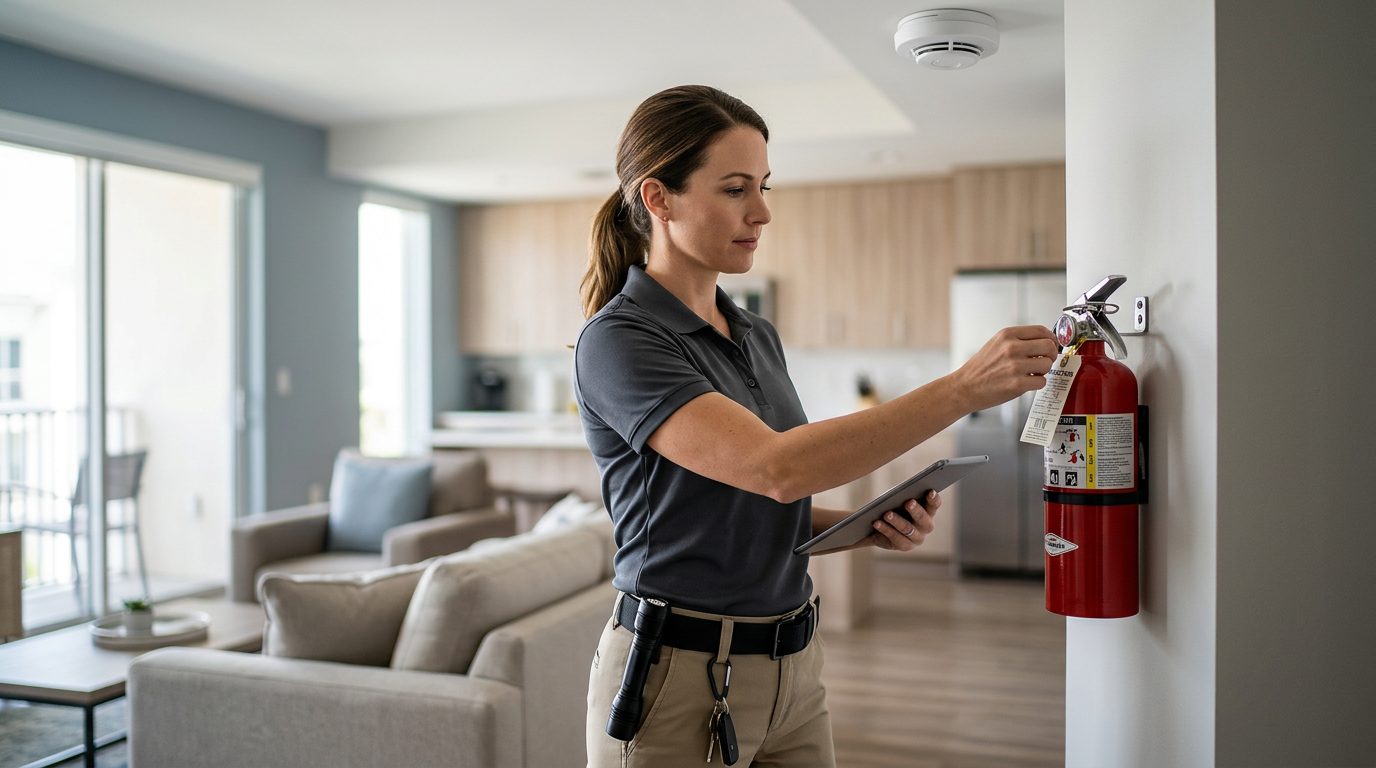
Short-Term Rental Liability | Orlando
Injured at a Vacation Rental in Orlando? You May Have a Claim
Property owners have a legal duty to maintain safe conditions. When they fail, and you're hurt, CHG Personal Injury Lawyers can help you pursue compensation.
By CHG Lawyers · Published September 16, 2026
Short-Term Rental Liability in Orlando: Florida’s No-Fault System & Your Rights
If you’ve been injured in an accident on a short-term rental property—or in a rented vehicle—in Orlando, the first hours matter. Understanding short-term rental liability and how Florida’s insurance system works will shape your entire claim.
The I-4 corridor and US-17/92 see constant traffic. The Florida Highway Patrol responds to hundreds of crashes annually in Orange County.
What you do immediately, what you document, and what you report will determine your recovery. This guide explains the system in plain language. It walks you through critical steps and tells you when legal guidance becomes essential.
Not sure what your next step is?
Talk it through with our team — the first consultation is free, confidential, and carries no obligation.
Immediate Actions After an Accident
Safety first. If anyone is injured, call 911 immediately. If vehicles can safely be moved and no one is hurt, move them out of traffic to prevent secondary crashes.
Exchange information with the other driver: – Full name, phone number, and address – Driver’s license number – Vehicle registration and VIN – Insurance company name and policy number
Document the scene: – Photograph vehicle damage from multiple angles – Capture road conditions, traffic signs, lane markings, and weather – Note the time of day and lighting conditions – Take photos of your injuries, even if minor
Get witness information. Ask anyone who saw the crash for their name, phone number, and what they saw. Witnesses often disappear. Their contact information is irreplaceable.
Request the police report number. If the Florida Highway Patrol or Orlando Police Department responds, get the officer’s name, badge number, and accident report number. This report becomes the official record. You’ll need it later.
You can request your report from the Orlando Police Department or Florida Highway Patrol using the report number and crash date. The officer’s fault determination and any citations form the basis of your claim.
How Florida’s No-Fault Insurance System Works
Florida is a “no-fault” state. This system confuses most accident victims because it works differently than expected.
Here’s what it means:
After a crash, your own insurance company pays your medical bills and lost wages. This happens regardless of who caused the accident. You don’t have to prove the other driver was at fault. Your insurer covers these costs up to your policy limits. This coverage is called “Personal Injury Protection,” or PIP. PIP pays 80% of reasonable medical expenses and 60% of lost income, up to the $10,000 policy limit, if you get initial care within 14 days of the crash (Fla. Stat. § 627.736).
Example: You’re stopped at a red light on the I-4 when another driver hits you from behind. You have $10,000 in PIP coverage. Your medical bills total $8,500. Your insurer pays the $8,500 directly to your doctors and hospitals. No discussion of fault required.
The catch: No-fault insurance covers only medical expenses and lost wages (typically up to 60% of your average weekly salary, capped at a state limit). It does not cover pain and suffering, permanent disability, loss of quality of life, or future medical costs.
For those damages, you need a separate claim against the at-fault driver. Florida law sets a high bar for this claim. Learn more about Personal Injury Protection (PIP) coverage to understand your benefits fully.
The 51% Rule: When You Can Sue the Other Driver
Under Florida Statute § 768.81, you can pursue a claim against the other driver only if you are less than 51% at fault for the crash. This is called “comparative fault.”
If you are 51% or more at fault, you generally cannot recover damages from the other driver.
If you’re found partially at fault, your recovery is reduced by your percentage of fault.
Example: A driver runs a red light and hits your car. You’re found 15% at fault for not seeing the vehicle in time. You can sue the other driver, but any settlement or judgment is reduced by 15%. If you win $100,000, you receive $85,000.
This rule applies to liability claims—claims you file against the other driver’s insurance. It does not affect your no-fault benefits, which you receive regardless of fault. For more detail, see our guide on Third-party liability claims process.
Serious Injury Threshold: When No-Fault Insurance Isn’t Enough
Florida law recognizes that some crashes cause permanent, life-altering damage.
You meet this threshold if you have:
- Permanent injury or scarring (disfigurement that is permanent or likely permanent)
- Significant and permanent loss of an important body function (such as mobility, speech, or cognitive ability)
- Significant and permanent limitation of an important life activity (such as work, school, or self-care)
Real-world examples that meet the threshold:
-
Spinal cord injury causing paralysis. A high-impact crash damages your spinal cord, resulting in paraplegia or quadriplegia. You lose the ability to walk, work, or live independently. Lifetime medical care, assistive equipment, home modifications, and loss of earning capacity are permanent.
-
Traumatic brain injury. A crash causes a TBI resulting in cognitive changes, memory loss, or personality changes. You can no longer perform your job or handle daily tasks without help. Rehabilitation may take years.
-
Amputation. A crash amputates your limb. You undergo amputation surgery and require a prosthetic, ongoing medical care, and vocational retraining.
-
Severe burns. A vehicle fire causes third-degree burns over a significant area. You undergo multiple surgeries, skin grafts, and years of wound care and rehabilitation. Scarring is permanent.
-
Permanent disability from multiple injuries. A crash fractures your spine, fractures your pelvis, and damages your internal organs. Recovery takes months. You have permanent pain and reduced mobility. Medical expenses exceed $10,000.
When your injury meets the serious injury threshold, you can pursue a claim against the at-fault driver for pain and suffering, permanent disability, loss of quality of life, loss of earning capacity (past and future), future medical costs, assistive equipment, home modifications, and emotional distress. These damages can far exceed what no-fault insurance covers. Learn more about Catastrophic injury claims in Florida.
The Financial Reality of Catastrophic Injury
A catastrophic injury is not just a medical event. It is a permanent change in your life and your family’s future.
Consider the lifetime costs of spinal cord injury. According to the National Spinal Cord Injury Statistical Center, the average lifetime cost of care for someone with paraplegia (thoracic-level injury) is approximately $1.3 million. For quadriplegia (cervical level), it is approximately $4.7 million.
These figures include hospitalization, rehabilitation, medical equipment, home modifications, attendant care, and loss of earning capacity.
A 35-year-old earning $60,000 per year who becomes unable to work has lost 30 years of earning capacity. That is $1.8 million in gross income, before taxes. Add the cost of a wheelchair-accessible vehicle, home modifications, ongoing medical care, and assistive technology. The financial impact is staggering.
Families often face impossible choices: a parent leaves work to provide care. Medical debt accumulates. Savings are depleted. A claim against the at-fault driver exists precisely because the law recognizes that no-fault insurance alone cannot address this reality.
Have questions about what happened?
Ask our team directly. The first conversation is free, confidential, and there is no obligation to continue.
How to Document Your Claim
Immediately after the crash: – Photograph your injuries (even minor ones) and repeat as they heal – Keep all medical records, test results, and images (X-rays, MRIs, CT scans) – Keep all receipts for medical treatment, medications, and medical equipment – Document lost wages (pay stubs, employer statements, tax returns) – Keep all communications with insurance companies (emails, letters, recorded calls) – Write down what you remember about the crash while it’s fresh
Ongoing: – Follow all medical treatment recommendations – Keep a journal of your symptoms, pain levels, and how the injury affects your daily life – Note any permanent changes (inability to work, need for assistance, lifestyle changes) – Keep receipts for any out-of-pocket expenses related to the crash
This documentation becomes the evidence in your claim. Insurance companies and, if necessary, a jury will rely on it to understand what happened and what you have suffered. See our Orlando accident documentation checklist for a complete reference.
The Timeline: No-Fault Claims vs. Liability Claims
No-fault claims typically move quickly. Your insurer pays medical bills and lost wages directly to providers and to you. The process usually takes weeks to a few months. Disputes can extend it.
Liability claims for serious injuries take longer. The process typically unfolds as follows:
-
Investigation (weeks to months): Your attorney and the at-fault driver’s insurer gather evidence—police reports, medical records, witness statements, expert opinions.
-
Demand letter (1–3 months): Your attorney sends a detailed claim to the at-fault driver’s insurer. It explains the crash, your injuries, and the damages you seek.
-
Negotiation (1–6 months): The insurer responds with a counteroffer. Back-and-forth negotiation occurs. Many claims settle at this stage.
-
Lawsuit (if necessary, 6 months to 2+ years): If settlement fails, your attorney files a lawsuit. Discovery occurs (exchange of evidence). Experts may be retained. The case may be tried before a jury or settled before trial.
Statute of limitations: You have 2 years from the date of the accident to file a lawsuit. Don’t wait. Delay weakens your claim. Memories fade, evidence is lost, and witnesses become harder to locate.
When to Seek Legal Guidance
You should consider consulting with a personal injury attorney if:
- Your injuries are serious or permanent
- Medical expenses exceed $10,000
- You’ve lost time from work or cannot return to your job
- The at-fault driver’s insurance company is disputing fault or offering far less than your damages justify
- You’re unsure whether your injury meets Florida’s serious injury threshold
- The crash involved multiple vehicles, commercial vehicles, or unclear liability
- You were injured by a rideshare driver, commercial truck driver, or on someone else’s property
An attorney can help you understand what you are actually entitled to. They can navigate negotiations with insurance companies and protect your rights. Many people are surprised to discover that their injuries qualify for far greater recovery than they initially thought.
Frequently Asked Questions
What should I do immediately after a traffic accident in Orlando?
Check for injuries and call 911 if anyone is hurt. Move to a safe location if possible. Exchange information with the other driver. Take photos of the scene and vehicle damage. Get contact information from witnesses. Request the police report number from the responding officer.
How does Florida’s no-fault insurance system work?
Your own insurance (Personal Injury Protection, or PIP) covers your medical bills and lost wages after a crash, regardless of who caused it, up to your policy limits. You don’t have to prove fault to receive these benefits. However, no-fault insurance does not cover pain and suffering or permanent disability.
What is the 51% rule in Florida?
Under Florida’s comparative fault law, you can pursue a claim against the other driver only if you are less than 51% at fault for the crash. If you are 51% or more at fault, you generally cannot recover from the other driver. If you are partially at fault, your recovery is reduced by your percentage of fault.
When can I sue the other driver after a traffic accident?
If your injuries are serious—meaning they cause permanent disability, significant loss of body function, or medical expenses exceeding $10,000—you can pursue a claim against the at-fault driver for damages beyond no-fault insurance. You have 2 years from the date of the accident to file a lawsuit.
What damages can I recover in a serious injury claim?
You can recover pain and suffering, permanent disability, loss of quality of life, loss of earning capacity (past and future), future medical costs, assistive equipment, home modifications, and emotional distress. These damages can far exceed what no-fault insurance covers.
How long does a traffic accident settlement take in Florida?
No-fault claims typically resolve within weeks to a few months. Liability claims for serious injuries can take several months to over a year, depending on complexity, the parties’ positions, and whether a lawsuit is filed.
Are all traffic accidents public record in Florida?
Yes, police accident reports are generally public records. You can request yours from the Orlando Police Department or Florida Highway Patrol using the report number and crash date.
Want to know where you stand?
Tell us what happened and our team will walk you through the options available to you, at no cost.
What Comes Next
The financial and emotional reality of catastrophic injury is permanent. You deserve to understand what you are entitled to and what your options are.
People in your situation reach out regularly to discuss what happened and what comes next. Contact CHG Personal Injury Lawyers for a free case evaluation. We’ll listen to your story, explain how Florida’s system works in your case, and tell you what you can do.
Why Short-Term Rental Injuries Matter
Property Owner Responsibility
Owners of short-term rentals—whether listed on platforms like Airbnb, VRBO, or booked directly—have a legal duty to maintain reasonably safe conditions. Broken stairs, faulty locks, inadequate lighting, unrepaired hazards, and negligent maintenance can create serious liability.
Your Injury Matters
Slip-and-fall accidents, injuries from structural defects, assaults enabled by poor security, or harm from unsafe amenities can leave you with medical bills, lost income, and lasting pain. You shouldn't bear that burden alone.
Evidence Is Key
Photos of the hazard, rental listings, maintenance records, prior complaints, and witness statements all help build your case. An attorney can gather this evidence and hold the property owner accountable.
We Focus on Catastrophic Injury
CHG Personal Injury Lawyers focuses exclusively on serious and catastrophic injuries—from traumatic brain injuries and spinal cord damage to severe burns and amputations. We also handle everyday accidents and the full range of personal injury claims.
What to Do After an Injury at a Short-Term Rental
Seek Medical Care First
Your health is the priority. Get medical attention immediately, even if the injury seems minor. Medical records create a clear timeline and document the harm you suffered.
Document the Scene
Take photos and videos of the hazard, the rental property, lighting conditions, and any visible damage. Note the date, time, and exact location. Keep the rental listing and booking confirmation.
Report to the Owner or Platform
Notify the property owner and the rental platform (Airbnb, VRBO, etc.) in writing. Save all communications. Report any prior hazards or safety concerns you noticed.
Gather Witness Information
Get names and contact details from anyone who saw what happened. Their statements can support your claim and establish what the property owner knew or should have known.
Act Quickly—Time Limits Apply
Florida law sets strict deadlines for filing injury claims. The sooner you contact an attorney, the sooner we can preserve evidence, investigate the property's history, and protect your rights.
How CHG Personal Injury Lawyers Can Help
Investigation & Evidence
We investigate the property's maintenance history, prior complaints, insurance records, and the owner's duty to maintain safe conditions. We identify what went wrong and who is responsible.
Expert Consultation
We work with medical professionals, engineers, and other specialists to document your injuries and establish how the property's condition caused your harm.
Negotiation & Litigation
We handle all communication with the property owner, their insurance company, and the rental platform. If settlement talks stall, we're prepared to take your case to trial.
No Attorney’s Fees Unless There Is a Recovery
We work on contingency. You pay nothing upfront, and we only collect a fee if we recover compensation for you. Your focus stays on healing while we handle the legal fight.
Injured at a Short-Term Rental in Orlando?
Related practice areas
- Short-Term Rental Liability in Tampa
- Short-Term Rental Injury Lawyers: Catastrophic Accidents at Airbnb & VRBO Properties
- Vacation Rental Injury Lawyer: Catastrophic Injury Claims at Airbnb & VRBO Properties
- Florida Vacation Rental & Airbnb Injury Lawyers | Catastrophic Injury Claims
- Florida Short-Term Rental Injury Lawyers | Catastrophic Vacation Rental Claims
- Vacation Rental Accident Lawyer for Catastrophic Injuries (Florida & Nationwide)
- Spinal Cord Injuries: A Guide for Victims and Families Facing Paralysis
- Tetraplegia