

Short-Term Rental Injury | Tampa
Injured at a Short-Term Rental in Tampa? You May Have a Claim
When a property owner fails to maintain safe conditions or provide reasonable security, guests can suffer serious injuries. CHG Personal Injury Lawyers focuses exclusively on catastrophic injury claims and can help you understand your rights.
By CHG Lawyers · Published September 03, 2026
Short-Term Rental Liability in Tampa: Catastrophic Injury Claims
Tampa Bay welcomes thousands of guests to Airbnbs, VRBOs, and vacation properties each month. Most stays are safe. But when a guest suffers a catastrophic injury—a spinal cord injury from a fall, a traumatic brain injury from an assault in an unsecured area, or severe burns from faulty wiring—the owner may be responsible.
Short-term rental liability happens when a property owner fails to maintain safe conditions or provide reasonable security. If you were catastrophically injured as a result, you may have a legal claim. You may recover damages for medical bills, lost income, permanent disability, and more.
This guide explains short-term rental liability in Tampa and what you need to know.
If you were catastrophically injured as a result, you may have a legal claim. Talk it through with our team — the first consultation is free, confidential, and carries no obligation.
When a Short-Term Rental Injury Becomes a Legal Claim
You rented an Airbnb, VRBO, or other vacation property in Tampa. During your stay, you were seriously injured.
Maybe you fell from a balcony and broke your spine. Maybe you were assaulted in an unsecured parking area. Maybe you slipped on a neglected staircase and suffered a traumatic brain injury. Maybe faulty wiring caused a fire that left you with severe burns.
The injury has changed your life: permanent disability, ongoing medical care, lost income, or worse. You may wonder: Is the owner responsible?
The answer depends on whether the owner failed to keep you safe. Under Florida law, short-term rental owners have a duty to maintain their properties in reasonably safe condition for guests. When that duty is breached and a guest is catastrophically injured, the owner may be liable for damages.
What Property Owners Owe to Guests in Tampa
Under Florida law, short-term rental owners must keep their properties reasonably safe for guests. This duty includes:
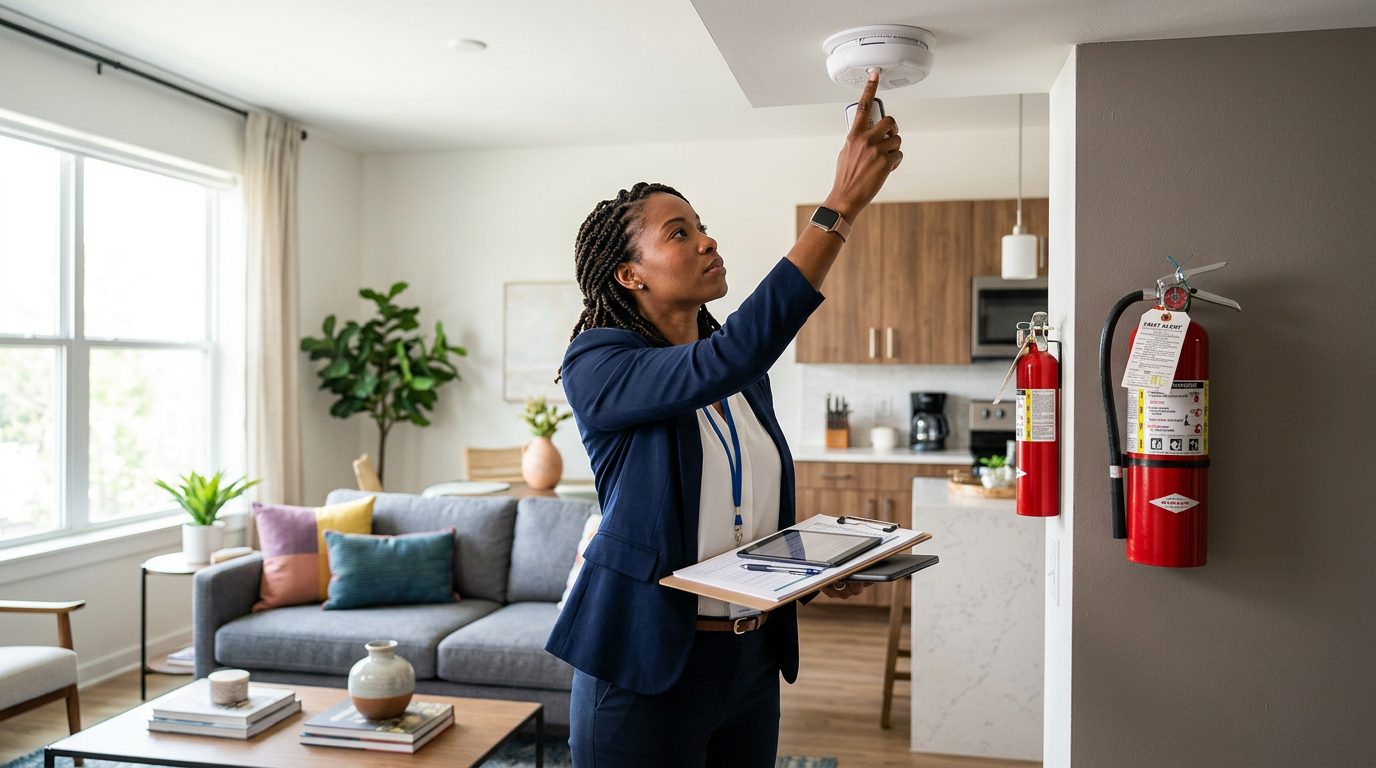
- Maintaining the property in safe condition: working locks, secure railings, functioning smoke detectors, safe electrical systems
- Telling guests about known hazards
- Providing adequate lighting and security measures where reasonably necessary
- Taking steps to prevent foreseeable harm
In Tampa and Hillsborough County, short-term rental properties must follow Chapter 509 of the Florida Statutes (Public Lodging Establishments). These rules set minimum standards for fire safety, emergency procedures, and structural integrity.
When an owner fails to meet these duties and a guest is catastrophically injured, the owner may be liable for damages. This liability exists regardless of whether the owner carries insurance.
Common Causes of Serious Injury at Short-Term Rentals in Tampa
Catastrophic injuries at short-term rentals arise from many causes:
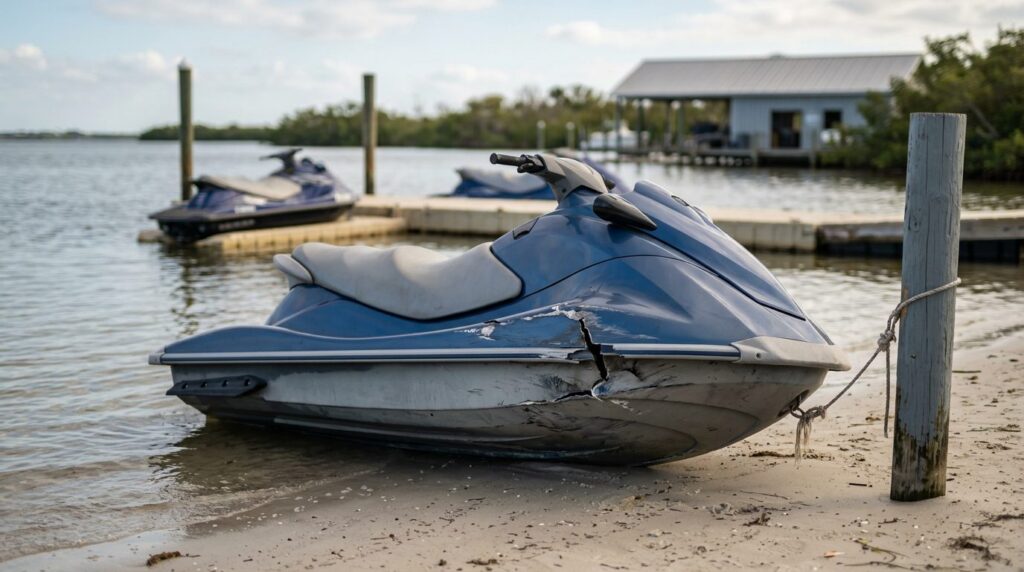
Structural hazards: broken or missing railings on balconies or stairs, unstable furniture, defective flooring, ceiling collapses.
Fire and electrical hazards: faulty wiring, non-functional smoke detectors or fire extinguishers, blocked exits, flammable materials stored unsafely.
Negligent security: unsecured entry doors or gates, broken locks, inadequate lighting in common areas, parking lots, or garages, no security cameras or guards despite high-crime locations, failure to respond to known threats.
Assault, robbery, or violent crime: guests attacked in parking areas, hallways, or common spaces because the owner failed to provide reasonable security.
Drowning or water-related injuries: unsupervised pools without proper fencing, gates, or lifeguard presence, hot tub hazards, lack of warning signs.
Mold, toxic substances, or environmental hazards: unaddressed water damage, mold growth, exposure to chemicals or carbon monoxide.
Each of these can result in spinal cord injury, paralysis, traumatic brain injury, amputation, severe burns, or death.
Negligent Security at Short-Term Rentals: A Growing Problem
Many short-term rentals in Tampa—especially in multi-unit complexes, downtown areas, or near entertainment districts—attract guests unfamiliar with the property and surroundings. Owners who fail to install working locks, maintain lighting, install cameras, or hire security put guests at risk of assault, robbery, or worse.
If you were attacked or robbed at a short-term rental because the owner did not provide reasonable security, you may have a claim. This applies whether the rental is a standalone house, a condo unit, or part of a larger complex.
Property owners must take reasonable steps to protect guests from foreseeable criminal acts. When they fail, and a guest is harmed, the owner bears responsibility.
How Short-Term Rental Liability Differs from Standard Homeowner Insurance
A property owner’s standard homeowner insurance typically does NOT cover short-term rental activities. Many owners carry short-term rental insurance or landlord policies, but these policies often have limits, exclusions, or gaps.
Insurance disputes are common: the owner’s insurer may deny a claim, argue the injury was your fault, or claim the policy does not apply.
Here’s the critical point: your right to recover damages does not depend solely on whether the owner has insurance. It depends on whether the owner was negligent and caused your injury. If the owner was negligent, you may pursue a claim directly against the owner, their insurance, or both.
If you were attacked or robbed at a short-term rental because the owner did not provide reasonable security, you may have a claim. Talk it through with our team — the first consultation is free, confidential, and carries no obligation.
Liability in Hillsborough County and Tampa’s Regulatory Environment
Hillsborough County and the City of Tampa have specific rules governing short-term rentals. These include zoning restrictions, licensing requirements, and safety standards. Violations of these local rules can strengthen a negligence claim.
If an owner failed to comply with local safety codes and that failure caused your injury, it is evidence of negligence.
Tampa’s short-term rental market is active and competitive. Some owners cut corners on maintenance and security to maximize profit. Knowing the local regulatory landscape helps establish what the owner should have done to keep you safe.
What You Need to Prove in a Short-Term Rental Liability Claim
To recover damages in a short-term rental liability case, you must establish four elements:
-
The owner owed you a duty of care. As a guest at their rental property, the owner had a legal obligation to keep the premises reasonably safe.
-
The owner breached that duty. They failed to maintain safe conditions, provide adequate security, or disclose known hazards.
-
The breach caused your injury. The unsafe condition or negligent act directly led to your catastrophic injury.
-
You suffered damages. Medical bills, lost income, permanent disability, pain and suffering, or wrongful death.
Evidence matters enormously: photos of the hazard, maintenance records, security footage, witness statements, local code violations, and expert testimony all support your claim.
Steps to Take If You Are Seriously Injured at a Short-Term Rental in Tampa
If you suffer a catastrophic injury at a short-term rental, take these steps:
Seek immediate medical attention. Your health and safety come first. Medical records document your injury.
Report the injury to the property owner and the platform (Airbnb, VRBO, etc.) in writing. Keep copies of all communications.
Document the scene: take photos and videos of the hazard, the property condition, and any visible dangers.
Gather witness information: collect names and contact details from anyone who saw what happened.
Preserve evidence: do not allow the owner to repair or remove the hazard immediately. The condition at the time of injury is critical evidence.
Keep all medical records, bills, receipts, and documentation of lost income and ongoing care.
Do not sign any settlement or release without legal advice. Short-term rental owners or their insurers may contact you quickly with a low offer.
Contact a lawyer who focuses on catastrophic injury claims. Time limits apply to filing a lawsuit in Florida.
Why You Need a Lawyer for a Catastrophic Short-Term Rental Injury
Short-term rental liability cases are complex. The owner, their insurance company, and the rental platform all have incentives to minimize or deny your claim. Insurance companies employ adjusters and lawyers to protect their interests, not yours. You need an advocate on your side.
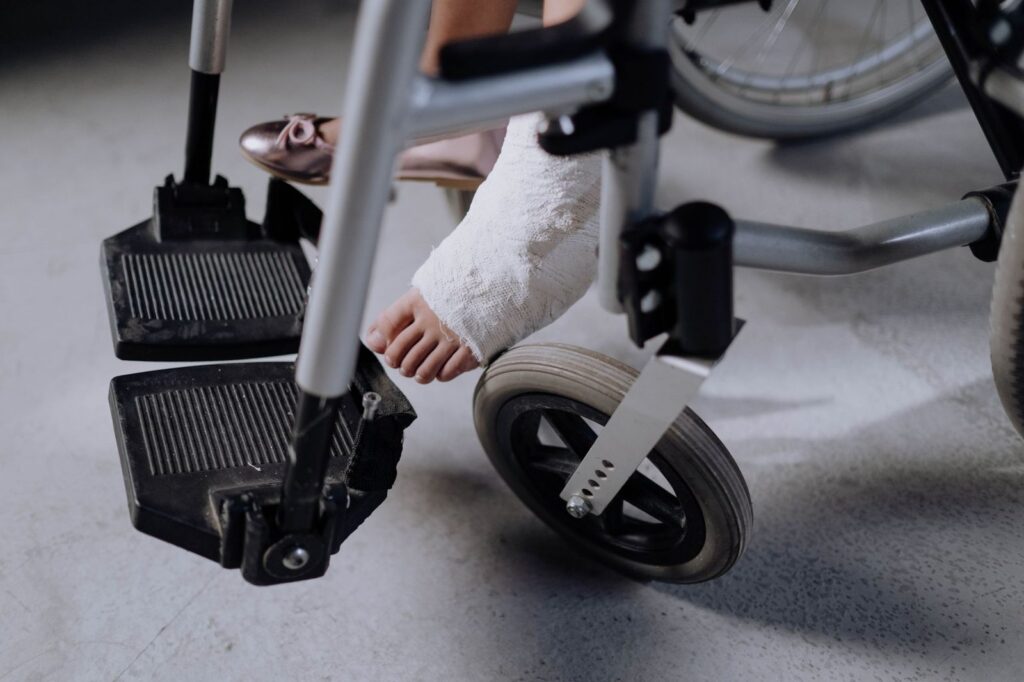
Catastrophic injuries—spinal cord injury, paralysis, traumatic brain injury, severe burns, amputation—require careful calculation of lifetime damages. These include ongoing medical care, rehabilitation, lost earning capacity, and quality-of-life losses. According to the Christopher & Dana Reeve Foundation, over 5.4 million Americans live with paralysis today, many facing decades of specialized care and support.
A lawyer can investigate the property and identify code violations. A lawyer can retain expert witnesses—engineers, security experts, and medical specialists. A lawyer can build a strong case. Many short-term rental owners carry significant liability insurance. A lawyer knows how to pursue these claims and negotiate or litigate to recover full compensation.
Under Florida Statute §95.11, you generally have a limited time to file a lawsuit in Florida. A lawyer ensures you do not miss critical deadlines.
If Someone Died in a Short-Term Rental Accident
Wrongful death claims arise when a guest dies as a result of the owner’s negligence or failure to maintain safe conditions. In Florida, the family of the deceased may pursue a wrongful death claim against the property owner and their insurance.
Damages in a wrongful death case include the deceased’s lost earnings, medical and funeral expenses, and the family’s loss of companionship and support. These cases are emotionally and legally complex. A lawyer can guide your family through the process and fight for the compensation you deserve.
If you or a loved one suffered a catastrophic injury at a short-term rental in Tampa—or anywhere in the country—we are here to help. Talk it through with our team — the first consultation is free, confidential, and carries no obligation.
Frequently Asked Questions
How long do I have to file a lawsuit after being injured at a short-term rental in Florida?
Under Florida Statute §95.11, you generally have two years from the date of injury to file a personal-injury negligence claim. Do not wait.
Can I recover damages if I was partly at fault for my injury?
Florida follows a modified comparative-negligence rule. Under Florida Statute §768.81, if you are more than 50% at fault, you recover nothing. If you are 50% or less at fault, you recover your proportionate share of damages.
Does the rental platform (Airbnb, VRBO) have any liability?
Platforms may have liability in certain circumstances, such as failure to remove a property known to be unsafe or failure to respond to reported hazards. A lawyer can evaluate your specific situation.
What if the owner has no insurance?
You can still pursue a claim directly against the owner’s personal assets. A lawyer can help you identify available recovery sources.
What counts as a catastrophic injury for purposes of a short-term rental claim?
Catastrophic injuries include spinal cord injuries, paralysis, traumatic brain injuries, amputations, severe burns, and any injury causing permanent impairment or death. Minor injuries like sprains or cuts do not qualify.
Contact CHG Personal Injury Lawyers for a Free Case Evaluation
If you or a loved one suffered a catastrophic injury at a short-term rental in Tampa—or anywhere in the country—we are here to help.
We focus exclusively on serious, life-altering injuries: spinal cord injuries, paralysis, traumatic brain injuries, severe burns, amputations, and wrongful death. We handle short-term rental liability claims, negligent security cases, and other catastrophic injury claims nationwide.
We offer a free, confidential case evaluation. There is no obligation, and you pay nothing unless we recover compensation for you.
If you were catastrophically injured at a short-term rental in Tampa because the owner failed to maintain safe conditions or provide reasonable security, reach out today. Many injured guests and their families contact us to explore their legal options, and we are ready to listen.
Time Matters
Under Florida law, you have a limited window to file a claim after an injury at a short-term rental. Waiting too long can cost you your right to recover. Contact us now to protect your claim.
What Happens When a Short-Term Rental Fails Its Guests
Unsafe Conditions
Broken stairs, faulty railings, unsecured balconies, slippery surfaces, or malfunctioning equipment can cause serious falls and injuries. Property owners are responsible for maintaining safe premises.
Inadequate Security
Broken locks, missing lighting, no working cameras, or lack of gate access can leave guests vulnerable to assault, robbery, or attack. Owners who fail to provide reasonable security may be liable for injuries that result.
Negligent Maintenance
Electrical hazards, gas leaks, mold, pest infestations, or structural defects can cause burns, poisoning, respiratory injury, or other serious harm that may not be immediately obvious.
Inadequate Disclosure
Owners who hide known dangers—hazardous conditions, crime history at the property, or safety concerns—put guests at risk and may be held liable for resulting injuries.
Why You Need an Attorney for Your Short-Term Rental Injury Claim
Protection Against Corporate Defenses
Short-term rental platforms and property management companies have legal teams ready to minimize liability. You need experienced representation to stand up for your rights.
Thorough Investigation & Evidence
We gather security footage, maintenance records, prior incident reports, and expert testimony to build a strong case showing the owner knew or should have known about the danger.
Understanding Complex Liability
Short-term rental injury claims involve questions about property-owner duties, comparative fault, and insurance coverage (Fla. Stat. § 768.81(6)). We navigate these issues so you don't have to.
Focused on Your Recovery
We focus exclusively on catastrophic and serious injuries. We understand the long-term impact of spinal cord injuries, traumatic brain injuries, amputations, severe burns, and other life-altering harm.
Common Questions About Short-Term Rental Liability in Florida
Can I sue the short-term rental platform?
In most cases, the property owner—not the platform—bears liability for injuries caused by unsafe conditions or inadequate security. However, the platform's terms and insurance coverage may affect your claim. We investigate all potential sources of recovery.
What if I was partly at fault?
Florida law allows injured parties to recover even if they share some responsibility for the injury, as long as they are not more than 50% at fault (Fla. Stat. § 768.81(6)). Your recovery is reduced by your percentage of fault.
What damages can I recover?
Damages may include medical expenses, lost wages, pain and suffering, permanent disability, loss of enjoyment of life, and other costs related to your injury. The amount depends on the severity and long-term impact of your harm.
Do I need to prove the owner knew about the danger?
Not always. An owner can be liable if they should have known about a hazard through reasonable inspection, or if the danger was so obvious that a reasonable owner would have discovered and fixed it.