

Florida Vacation Rental Injury Lawyer
Catastrophic Injury at a Vacation Rental? You May Have a Claim
When a property owner's negligence leaves you with a life-altering injury, CHG Personal Injury Lawyers fights for the compensation your family deserves.
By CHG Lawyers · Published September 28, 2026
Florida Vacation Rental Injury Lawyer for Catastrophic Injuries
You suffer a catastrophic injury at an Airbnb, VRBO, or other vacation rental in Florida. The property owner may be legally responsible. Our firm focuses exclusively on catastrophic injuries—spinal cord injuries, paralysis, traumatic brain injuries, amputations, severe burns, and wrongful death. We represent guests and families injured in serious, life-altering accidents at short-term rentals. We take cases nationwide, with a focus on Florida.
Not sure what your next step is?
Talk it through with our team — the first consultation is free, confidential, and carries no obligation.
Catastrophic Vacation Rental Injuries We Handle
We represent guests injured in serious, permanent accidents at short-term rentals. We do not handle minor injuries.
Catastrophic vacation rental injuries include:
- Spinal cord injuries and paralysis (paraplegia and quadriplegia)
- Traumatic brain injuries (TBI)
- Amputations and limb loss
- Severe burns
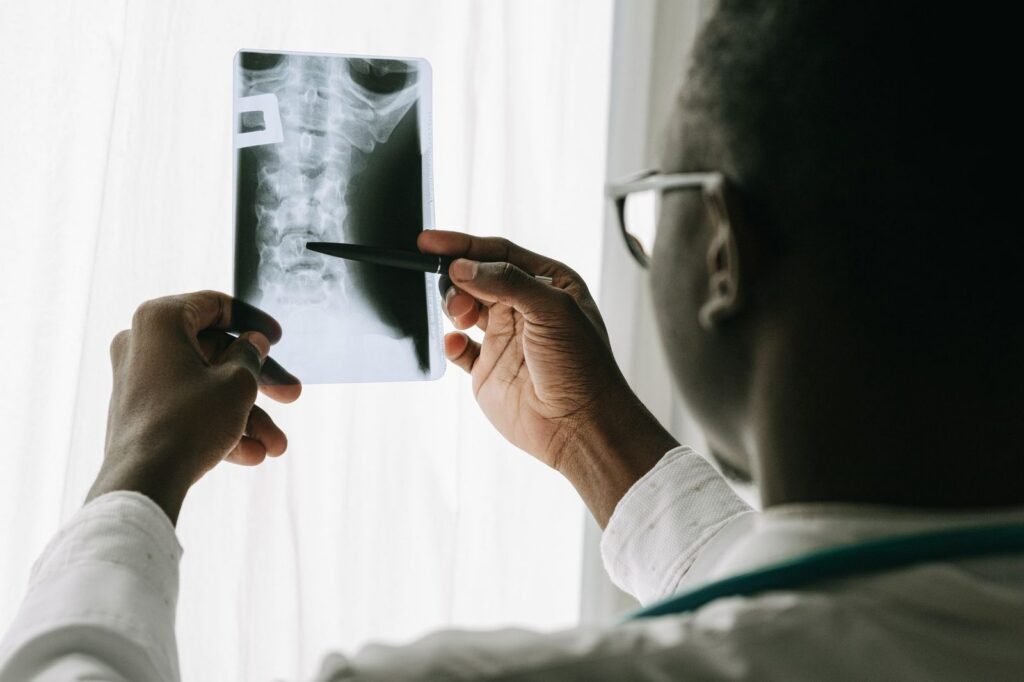
- Catastrophic back and neck injuries
- Wrongful death
Short-term rentals create unique hazards. Owners are often absent and don’t manage properties day-to-day. Turnover is rapid. Maintenance suffers. Guests don’t know the property and may miss hidden dangers. These factors create serious accident risks.
Common Accident Scenarios at Vacation Rentals
Pool and water accidents: Drowning, near-drowning, spinal cord injuries from shallow-water diving, or electrocution from faulty equipment.
Falls: From balconies, stairs, or decks. Causes include broken railings, uneven flooring, or poor lighting.
Assaults and violent crime: Attacks enabled by broken locks, unsecured gates, poor lighting, or missing security cameras.
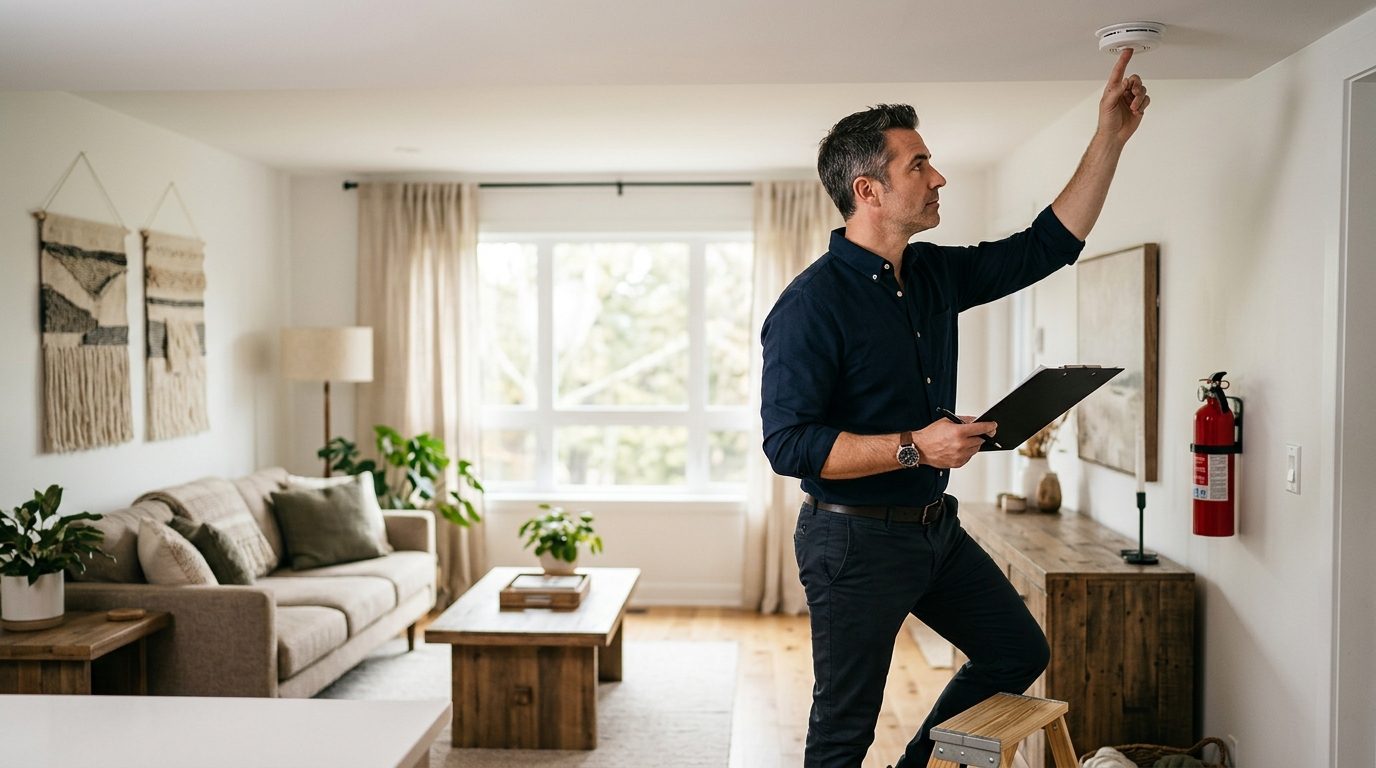
Fire and burn injuries: Faulty wiring, unserviced smoke detectors, unsafe heating, or flammable materials.
Structural hazards: Ceiling collapse, gas leaks, or other dangerous conditions.
Wrongful death: Fatal injuries from any scenario above.
Is This Page for You?
This page is for you if:
- You were a guest at a vacation rental when you suffered a catastrophic injury
- A family member was killed in a vacation rental accident
- Your injury caused permanent impairment or life-altering disability
- You’re unsure whether you have a legal claim
How Liability Works at Short-Term Rentals in Florida
Property owners in Florida must maintain safe premises. They must warn guests of known hazards. This duty applies to vacation rental owners, even if they don’t live on site.
Owners must maintain:
- Working locks and gates
- Adequate lighting
- Secure railings
- Safe stairs
- Functioning safety equipment
Owners must also warn guests about known dangers. A broken step, shallow pool, or criminal activity nearby are examples.
If an owner fails to maintain the property or warn of hazards, and you’re injured, the owner is liable.
Negligent Security at Vacation Rentals
If a property owner fails to provide reasonable security—working locks, gates, lighting, or cameras—and that failure allowed an assault, robbery, or violent attack, the owner is liable for your injuries. Liability depends on whether the crime was foreseeable and whether the lack of security caused the harm; fault may be shared with the attacker.
Many guests don’t realize they may have a claim when attacked on an unsafe property. The rental platform (Airbnb, VRBO) typically claims immunity as an intermediary. However, the platform may be liable if it:
- Failed to disclose known hazards
- Failed to remove a dangerous listing after complaints
- Failed to respond to safety reports
Florida’s Comparative Negligence Rule
Florida’s comparative negligence rule allows injured guests to recover damages even if partially at fault (Fla. Stat. § 768.81(6)). You can recover as long as you are not more than 50% responsible for the injury.
Under Fla. Stat. §768.81, if you are found 51% or more at fault, you cannot recover. If the property owner’s negligence is the primary cause, the 51% rule does not prevent your claim.
Example: You fall from a broken balcony railing. The owner failed to maintain or repair it. The owner’s negligence is the primary cause—not your carelessness. You would likely recover, even if partially inattentive.
Can You Sue Airbnb or VRBO?
Airbnb and VRBO are platforms, not property owners. They typically claim immunity under federal law and are not sued directly. The property owner (the host) is the defendant.
However, the platform may be liable in limited cases:
- If Airbnb or VRBO knew about a hazard or prior complaints and failed to disclose them
- If the platform failed to remove a dangerous listing
We investigate all potential defendants to maximize your recovery.
Have questions about what happened?
Ask our team directly. The first conversation is free, confidential, and there is no obligation to continue.
Settlement Value for Vacation Rental Injuries
There is no “average” settlement—every case is unique. Settlements depend on:
- Injury severity
- Whether the injury is permanent
- Medical costs
- Lost income
- Strength of liability
Catastrophic injuries typically result in significantly higher settlements than minor injuries. According to the Christopher & Dana Reeve Foundation, individuals with spinal cord injury and paralysis face lifetime costs for medical care, rehabilitation, equipment, and lost earning capacity exceeding millions of dollars. Settlements account for lifetime expenses, plus pain and suffering.
We do not predict a specific outcome. Each case is evaluated individually based on facts, liability strength, and injury extent.
Vacation Rental Regulation in Florida
Short-term rentals are regulated by local municipalities—cities and counties—not a single state agency. Regulations vary widely. Some cities require licenses, inspections, and safety certifications. Others have minimal oversight.
Regulatory gaps create liability. If a property wasn’t inspected or didn’t meet local safety codes, and that failure contributed to your injury, the owner is liable. We investigate whether the property complied with local regulations.
How the Claims Process Works
Initial consultation: Contact us for a free case evaluation. Describe the accident, your injury, and the property. An attorney reviews your case and explains your options—at no cost and with no obligation.
Investigation: We gather evidence:
- Property photos and inspection reports
- Maintenance records
- Prior complaints and incident reports
- Police reports
- Your medical records
- Expert analysis of the hazard that caused your injury
Demand letter: We send a detailed claim to the property owner’s insurance company. The letter outlines the owner’s negligence, your injuries, and damages sought.
Negotiation: Most cases settle during this phase. We negotiate aggressively on your behalf.
Litigation (if necessary): If the insurance company refuses a fair settlement, we file a lawsuit and prepare for trial.
Timeline: Simple cases may settle in 6–12 months. Complex catastrophic cases may take 2–3 years or longer.
Cost: We work on contingency. You pay nothing upfront. We are paid only if we recover compensation for you.
Why Choose CHG Personal Injury Lawyers
Exclusive focus on catastrophic injuries: We handle only serious, life-altering injuries—not minor vacation rental claims. This focus means deep experience in complex cases.
Licensed Florida Bar attorneys: All our attorneys are licensed in Florida and admitted to the Florida Bar.
National reach: While based in Florida, we represent clients nationwide injured at Florida vacation rentals or rentals in other states.
Bilingual resources: We provide content and services in English and Spanish.
Deep experience with short-term rental liability: We understand Airbnb, VRBO, and other platforms. We know how to investigate and hold owners accountable.
Catastrophic injury experience: We have extensive experience with spinal cord injuries, paralysis, traumatic brain injuries, amputations, severe burns, and wrongful-death claims. We understand the lifetime impact and fight for full compensation.
Thorough investigation: We conduct detailed investigations with expert analysis, scene reconstruction, and review of maintenance and complaint records.
Honest communication: We do not promise a specific result. We commit to aggressive representation and honest communication about your case.
Want to know where you stand?
Tell us what happened and our team will walk you through the options available to you, at no cost.
Frequently Asked Questions
Q: Do I have to still be at the rental to file a claim?
A: No. You can file a claim after leaving. What matters is that the injury occurred on the property and was caused by the owner’s negligence.
Q: What if I signed a waiver when booking?
A: Waivers are often unenforceable in Florida, especially if the owner’s conduct was grossly negligent or reckless. An attorney will review the waiver.
Q: Can I recover if I was partially at fault?
A: Yes, under Florida’s comparative negligence rule, as long as you are not more than 50% at fault (Fla. Stat. § 768.81(6)). An attorney will evaluate the facts.
Q: How long do I have to file a claim?
A: Under Fla. Stat. §95.11, the statute of limitations for personal injury claims is generally two years. For wrongful-death claims, it is two years. Do not delay—contact an attorney immediately.
Q: What if the property owner has no insurance?
A: We investigate all sources of recovery, including the owner’s personal assets, the platform’s insurance, and other liable parties.
Q: Will my case go to trial?
A: Most cases settle before trial. If the other side refuses a fair settlement, we are prepared to litigate aggressively.
Ready to discuss your case?
Get a free case evaluation from CHG Personal Injury Lawyers. Call or submit your information online—no cost, no obligation.
Why CHG Personal Injury Lawyers
Focused Exclusively on Catastrophic Injuries
We handle spinal cord injuries, paralysis, traumatic brain injuries, amputations, severe burns, and other life-altering harm—not routine claims. Your case gets the depth of focus it demands.
Deep Experience with Vacation Rental Liability
Short-term rental owners have a legal duty to maintain safe properties. We know how to prove negligence, identify liable parties, and build claims that hold property owners accountable.
Nationwide Reach, Florida Foundation
Based in Florida and licensed to practice here, we take catastrophic injury cases across the country—wherever the injury occurred.
Compassionate, Plain-Language Guidance
We explain your rights and options in clear terms, never legal jargon. You'll understand what happened, what comes next, and what we're fighting for.
Catastrophic Injuries at Vacation Rentals We Handle
Spinal Cord Injuries & Paralysis
A fall, assault, or unsafe condition leaves you with paraplegia or quadriplegia. We pursue claims against the property owner for negligent maintenance, inadequate security, or failure to warn of hazards.
Traumatic Brain Injuries
A slip, fall, or violent attack causes permanent cognitive or physical damage. We investigate whether the owner failed to provide safe conditions or adequate security.
Severe Burns & Amputation
Defective appliances, unsafe heating systems, or other property hazards cause catastrophic burns or limb loss. We hold owners liable for negligent maintenance and failure to inspect.
Negligent Security & Violent Crime
You're assaulted, shot, or robbed at a vacation rental because the owner failed to provide working locks, lighting, cameras, or guards. We pursue claims for inadequate security.
Time Matters
Vacation rental injury claims are subject to strict legal deadlines. The sooner you contact us, the sooner we can investigate, preserve evidence, and protect your rights.
What Happens Next
Free Case Evaluation
You speak with our team about what happened, your injuries, and the property involved. We listen, ask questions, and explain whether you have a claim.
Investigation & Evidence
We gather photos, maintenance records, security footage, incident reports, and witness statements to build a strong case against the property owner.
Negotiation & Recovery
We pursue fair compensation for your medical care, lost income, pain and suffering, and long-term care needs—and we're prepared to take your case to trial if necessary.
Ready to Discuss Your Case?
Related practice areas
- Miami Short-Term Rental Injury Lawyer | Serious & Fatal Accidents
- Orlando Vacation Rental Injury Lawyers: Theme-Park-Area Rentals and Serious Accidents
- Tampa Short-Term Rental Injury Lawyer | Serious Injury & Wrongful Death
- Attacked or Assaulted at a Short-Term Rental? Holding the Property Owner Accountable
- Drowning & Pool Injuries at Vacation Rentals: Holding Owners Accountable
- Tetraplegia