


Catastrophic Brain Injury Guide
Traumatic Brain Injury from an Accident: Your Rights and Next Steps
A severe brain injury can change everything. If you or a loved one suffered a catastrophic TBI in a crash, fall, or due to negligent security, you may have a legal claim for compensation. Learn what to do now.
By CHG Lawyers · Published August 18, 2026
Traumatic Brain Injury Accident Claim: A Guide for Victims and Families
A traumatic brain injury (TBI) is damage to the brain. It happens after a sudden blow, jolt, or wound to the head. It can change how a person thinks, moves, feels, and lives — sometimes forever. If you or someone you love has suffered a serious brain injury in an accident and are considering a traumatic brain injury accident claim, this guide will help you understand what happened and what to do next.
We wrote this for frightened families, not for doctors or lawyers. Most online writing about brain injuries is made for physicians. It comes from sources like the Brain Trauma Foundation or the American College of Surgeons. That information matters. But it does not answer the questions keeping you up at night. This page does.
You’ll find plain answers about symptoms, recovery, long-term effects, and how to help a loved one. We also link to the actual laws so you can check the legal facts yourself.
Our attorneys handle catastrophic-injury cases. We see how a serious TBI touches the whole family. Our goal here is to give you clear information you can trust.
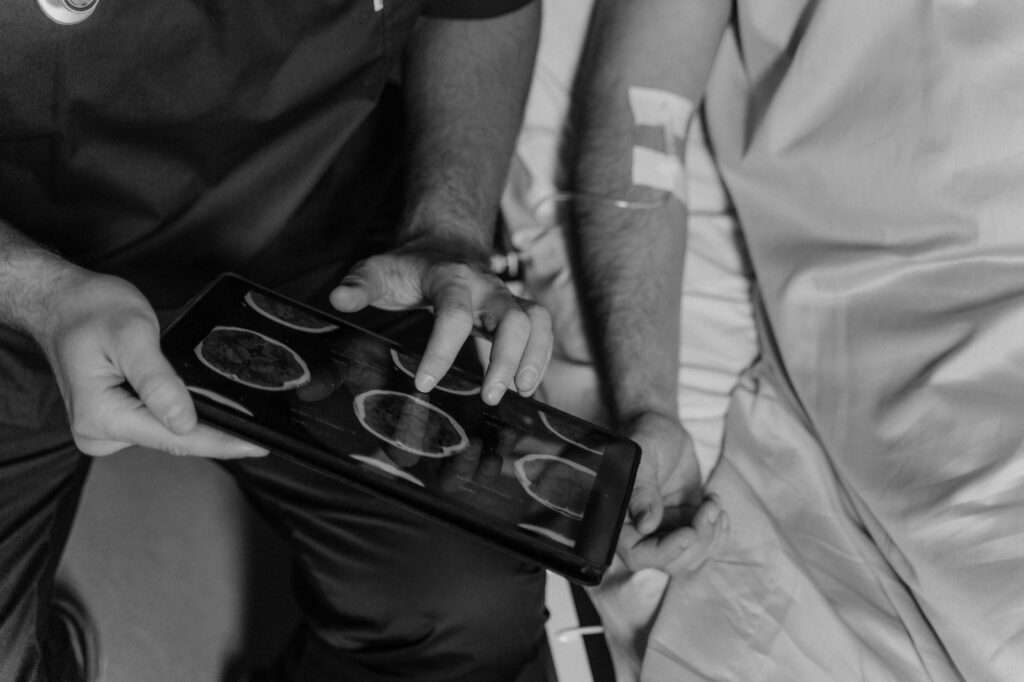
If you or a loved one suffered a catastrophic TBI in a crash, fall, or due to negligent security, you may have a legal claim for compensation. Talk it through with our team — the first consultation is free, confidential, and carries no obligation.
What Is a Traumatic Brain Injury (TBI)?
A traumatic brain injury happens when an outside force damages the brain. This disrupts how the brain works. The Mayo Clinic explains that TBIs range from mild to life-threatening.
There are two broad types. A closed head injury happens when the head is hit or shaken hard, but nothing pierces the skull. A penetrating (open) injury happens when an object breaks through the skull and reaches the brain.
The brain is soft. It floats inside a hard skull. A violent crash or blow can slam it against bone, tear tissue, and cut off blood flow. Unlike a broken bone, brain cells mostly do not grow back. That is why the damage can be permanent and life-altering.
This guide covers serious, moderate-to-severe, and catastrophic brain injuries. It does not cover minor bumps to the head. Has a doctor told you the injury is serious? Then you are in the right place.
Common Accidents That Cause Serious Brain Injuries and Traumatic Brain Injury Accident Claims
Serious brain injuries usually come from sudden, violent force. Often, they come from someone else’s carelessness.
Truck and large-vehicle crashes are especially dangerous. Federal weight limits let a loaded tractor-trailer reach 80,000 pounds. That is about 20 times the weight of a typical car. In 2022, 5,936 people died in large-truck crashes. Of those, 72% were riding in other vehicles. This comes from the NHTSA / IIHS Fatality Facts on large trucks. That force can cause a catastrophic head injury even when a person survives the crash. Learn more about brain injuries from truck accidents.
Being attacked on someone else’s property is another cause families ask us about. Say a person is beaten, shot, or robbed. It happens in a dark apartment parking lot, a hotel hallway, or a store with a broken gate and no cameras. Did the property owner fail to provide reasonable safety? That means working locks and gates, lighting, cameras, or security guards. If so, the injured person may have a claim against that owner.
Lawyers call this negligent security (also called inadequate-security premises liability). But you don’t need to know the term to have a case. Did this happen to you or your loved one? Read our page on a brain injury from an attack on unsafe property.
Other serious causes include falls from height, construction incidents, and medical negligence. The brain can also be hurt when it loses oxygen. This can happen during a near-drowning or a surgery gone wrong. Learn about anoxic and hypoxic brain injury.
Levels of TBI: Mild, Moderate, and Severe
Doctors label a TBI as mild, moderate, or severe. The label depends on how much the brain was affected. It guides treatment. It can also matter in a legal claim.
A mild traumatic brain injury is often called a concussion. The word “mild” is misleading. A mild TBI can still cause memory trouble, headaches, and mood changes. These can last weeks or longer.
A moderate or severe TBI usually means a longer loss of consciousness. Scans often show visible brain damage. Doctors often use the Glasgow Coma Scale (GCS). This is a 3-to-15 scoring tool. It rates eye, verbal, and motor responses. A GCS of 13–15 is generally mild. A score of 9–12 is moderate. A score of 8 or below is severe. Lower scores mean a more serious injury.
Sometimes a head injury becomes a catastrophic, permanent injury. Read about when a head injury becomes catastrophic. You may also hear the term diffuse axonal injury. This is widespread tearing of nerve fibers deep in the brain. Learn about diffuse axonal injury.
Warning Signs and Symptoms of a Brain Injury After an Accident
Brain injury symptoms fall into three groups: physical, cognitive (thinking), and emotional. Knowing them can help you get care fast.
Physical symptoms include headaches, loss of consciousness, nausea or vomiting, dizziness, seizures, and trouble with balance. Clear fluid draining from the nose or ears is a red-flag emergency.
Cognitive symptoms include confusion, memory loss, trouble concentrating, and difficulty finding words.
Emotional and behavioral changes include irritability, mood swings, depression, and personality shifts. Family members often notice these before the injured person does.
Some symptoms show up right away. Others take hours or days to appear. This is key: a person can walk away from a crash or attack feeling “fine” and get much worse later. So anyone who hit their head hard should see a doctor, even if they feel okay at first.
Do symptoms suddenly get worse? Watch for repeated vomiting, a worsening headache, slurred speech, or weakness on one side. Get emergency care right away.
How Long Does a TBI Take to Heal, and What Is the Prognosis?
There is no single answer. Recovery varies widely from person to person. A mild concussion may improve in a few weeks. A severe injury can need months or years of rehab. Some effects never fully go away.
Several things shape the outcome. These include how severe the injury was, which part of the brain was hurt, the person’s age and health, and how fast they got treatment. The Mayo Clinic notes that mild injuries often need only rest and monitoring. Serious ones need emergency care.
Here is an honest point families deserve to hear. Many moderate-to-severe brain injuries cause permanent damage, even after excellent rehab. Rehab can help someone regain skills and independence. But it may not restore everything.
Treatment usually moves through stages. First comes acute care in the hospital, sometimes the ICU. Next comes rehabilitation — physical, occupational, and speech therapy. This often happens at an inpatient rehab facility. Finally comes long-term support at home or in a care facility.
This is general information, not medical advice. Always follow the guidance of your own medical team.
Not sure what your next step is?
Talk it through with our team — the first consultation is free, confidential, and carries no obligation.
Long-Term and Lifelong Effects of a Serious Brain Injury
A serious brain injury can affect a person for the rest of their life. It changes how they think, move, feel, and connect with others. Understanding these effects helps families plan.
Cognitive and physical effects can include memory loss, slowed thinking, chronic pain, fatigue, seizures, and trouble moving. Read more about the long-term effects of a traumatic brain injury.
One of the hardest changes is a shift in personality and behavior. A loving parent may become quick to anger or withdrawn. These changes are real. The injury causes them, not the person’s choice. Learn about brain injury personality and behavior changes.
A brain injury can also affect the ability to work and earn a living. Lost income today, plus lost future earnings, can devastate a family’s finances. Read about loss of earning capacity after a brain injury.
Care needs add up over a lifetime. These include therapy, medications, equipment, home changes, and personal aides. Writing down these future needs matters. It helps with good care and any legal claim.
Supporting a Loved One With a Brain Injury
The best way to help a loved one is with patience, routine, and calm, simple talk. Small changes in how you speak and act can make a real difference.
Many families ask what not to say to someone with a brain injury. Avoid phrases like “You look fine, so you must be better,” or “Just try harder.” These minimize a real, invisible injury. Don’t rush them or finish their sentences. Instead, give them time. Keep instructions short. Reduce noise and distractions.
Everyday strategies help too. Keep a steady daily routine. Write things down. Break tasks into small steps. Celebrate small wins.
Families often feel lost. They face hospitals, insurance, and legal questions all at once. Our guide for family members of a brain injury survivor can help.
Sometimes an injured person can no longer make their own decisions. In Florida, a court may then appoint a guardian to act for them. Chapter 744 of the Florida Statutes governs this process. Learn the basics of guardianship after a brain injury.
Finally, care for the caregiver. The emotional toll is heavy. Your rest and support matter too.
When a Brain Injury May Give You a Legal Claim
Did someone else’s carelessness cause the brain injury? Then you may be able to seek compensation. This is the core of a personal-injury claim.
Consider two common examples. A trucking company may let an unsafe or tired driver stay on the road. It may be responsible for a crash. A property owner may ignore broken locks, dead lights, or a known history of crime. That owner may be responsible when a visitor is attacked. That second example is negligent security.
Compensation can cover more than hospital bills. It can also cover future medical care, lost earning power, and human losses like pain and lost quality of life. When the injury is fatal, Florida’s Wrongful Death Act (Fla. Stat. §§768.16–768.26) lets certain surviving family members bring a claim.
Future care can cost millions over a lifetime. So a life care plan is often key. This is a professional, itemized estimate of everything a survivor will need. Read about a brain injury life care plan.
Two Florida rules matter here. You can read them yourself:
- Deadline to file. Under Fla. Stat. §95.11, many negligence claims that arose on or after March 24, 2023 must generally be filed within two years. Different deadlines can apply to claims against government entities or for medical malpractice.
- Shared fault. Florida follows a modified comparative-fault rule under Fla. Stat. §768.81. Your recovery is reduced by your share of fault. And a person found more than 50% at fault for their own harm generally cannot recover damages at all.
No lawyer can promise a specific result. But knowing these rules early protects your rights. Missing the deadline can end a valid claim before it starts.
Proving a Brain Injury Was Caused by the Accident
Proving a brain injury often takes more work than proving a broken bone. The damage isn’t always visible on a standard X-ray. Strong evidence connects the injury to the accident.
That evidence usually includes medical records and brain imaging (CT and MRI scans, and sometimes a specialized MRI called DTI). It also includes neuropsychological testing. This testing measures memory, attention, and thinking. Treating doctors and hired experts often explain how the injury happened and how it will affect the person’s life.
The timing of care matters. Getting checked promptly creates a clear record. It links the injury to the crash or attack. Keep every document — bills, discharge papers, and a symptom journal noting changes you see at home.
For a deeper look, read our guide on proving a brain injury was caused by an accident. A lawyer’s job is to gather and organize this evidence. That way, your story is clear and complete.
Explore More in This Brain Injury Resource Center
This page is a hub. Use these links to find the topic most relevant to your situation.
Causes of brain injuries – Truck accident brain injuries – Brain injury from an attack on unsafe property – Anoxic and hypoxic brain injury
Injury types and severity – When a head injury becomes catastrophic – Diffuse axonal injury
Long-term effects – Long-term effects of a traumatic brain injury – Personality and behavior changes – Loss of earning capacity
Legal and practical steps – Guide for family members – Guardianship after a brain injury – Brain injury life care plan – Proving a brain injury was caused by the accident
En español – Lesión cerebral traumática después de un accidente
Talk With CHG Personal Injury Lawyers About Your Situation
A serious brain injury is one of the hardest things a family can face. The medical questions, the bills, and the changes in a loved one can feel overwhelming. You don’t have to sort through it all alone.
CHG Personal Injury Lawyers is a Florida-based firm. We handle catastrophic-injury cases nationwide. Our team is made up of licensed attorneys admitted to The Florida Bar. We offer help in English and Spanish. We focus on serious, life-altering injuries — including brain injuries from truck crashes and negligent security.
Are you wondering whether someone else’s carelessness caused this? We’re here to listen. Request a free, no-obligation case evaluation. We’ll explain your options in plain language.
This guide is general information, not legal or medical advice. No outcome is guaranteed. Contacting the firm does not create an attorney-client relationship.

Have questions about what happened?
Ask our team directly. The first conversation is free, confidential, and there is no obligation to continue.
Frequently Asked Questions
How long does a TBI take to heal?
Recovery varies widely. A mild concussion may improve in a few weeks. A severe TBI can take months or years. Some effects may be permanent.
What is a mild traumatic brain injury?
A mild TBI is often called a concussion. Even though it’s labeled “mild,” it can still cause lasting headaches, memory trouble, and mood changes. On the Glasgow Coma Scale, a mild TBI generally scores 13–15.
Can brain injury symptoms be delayed after an accident?
Yes. Some symptoms appear hours or days later. That is why anyone who hit their head hard should see a doctor even if they feel fine.
Do I have a legal claim if someone else caused my loved one’s brain injury?
You may. Did a careless driver, trucking company, or property owner cause the injury? Then you may be able to seek compensation. A free case evaluation can clarify your options.
How long do I have to file a brain injury claim in Florida?
Under Fla. Stat. §95.11, many negligence claims that arose on or after March 24, 2023 must generally be filed within two years. Shorter deadlines can apply against government entities. Talk to a lawyer promptly to protect your rights.
Why CHG Focuses on Catastrophic Brain Injuries
Dedicated to Catastrophic Cases
We focus exclusively on severe, life-altering injuries—including traumatic brain injuries that cause permanent cognitive, physical, or emotional changes. We do not handle minor or routine injuries.
Florida-Based, National Reach
Licensed to practice in Florida and handling catastrophic injury claims across the United States, we bring local knowledge and nationwide experience to your case.
Empathetic, Plain-Language Guidance
We explain your legal options in straightforward terms, never assuming you know legal jargon. We listen to your story and help you understand what comes next.
No Attorney’s Fees Unless There Is a Recovery
We work on contingency: you pay no legal fees unless we recover compensation for you. Your focus is healing; we handle the legal burden.
What Is a Catastrophic Traumatic Brain Injury?
Severe TBI: Permanent Changes
A severe traumatic brain injury causes lasting damage to how the brain works. Survivors may face permanent memory loss, difficulty concentrating, personality changes, loss of motor control, or chronic pain. Recovery can take months or years, and some effects may never fully resolve.
How It Happens
Catastrophic TBI results from high-impact trauma: truck crashes, motorcycle accidents, falls from significant heights, assaults, or being struck by a vehicle. The injury occurs when the brain is violently shaken or struck inside the skull, causing bruising, bleeding, or torn nerve fibers.
The Real Cost
Beyond medical bills, a severe TBI often means lost wages, ongoing therapy, home modifications, assistive equipment, and lifelong care. Families face emotional and financial strain as they adapt to their loved one's new reality.
Your Legal Claim
If someone else's negligence or wrongdoing caused the crash or accident, you may have a claim against the responsible party or their insurance. This includes truck driver negligence, unsafe premises, or failure to provide reasonable security.
Time Matters
Florida law sets strict deadlines for filing a personal injury claim. The sooner you reach out, the sooner we can investigate, preserve evidence, and protect your rights. Waiting can cost you.
Common Causes of Catastrophic Brain Injuries
Truck and Motor Vehicle Crashes
High-speed collisions, rollovers, and multi-vehicle crashes often cause severe TBI. Truck driver fatigue, speeding, distraction, or mechanical failure can leave victims with permanent brain damage.
Negligent Security & Violent Crime
If you were assaulted, shot, or attacked on someone else's property—an apartment complex, parking garage, hotel, bar, or business—and the owner failed to provide reasonable security (lighting, locks, cameras, or guards), you may have a claim against the property owner for your injuries.
Falls and Blunt Force Trauma
Falls from heights, being struck by falling objects, or impacts from machinery can cause catastrophic brain injury. Unsafe conditions, lack of warnings, or negligent maintenance may create liability.
Workplace and Premises Accidents
Inadequate safety measures, failure to warn of hazards, or negligent supervision can lead to severe head trauma. Property owners and employers have a duty to maintain safe conditions.
What to Do After a Catastrophic Brain Injury
Seek Immediate Medical Care
Get emergency treatment right away. A severe brain injury requires urgent evaluation and imaging. Follow all medical recommendations and keep detailed records of every test, diagnosis, and treatment.
Document Everything
Take photos of the accident scene, your injuries, and any hazardous conditions. Collect witness contact information, police reports, medical records, and bills. Save all communications with insurance companies.
Do Not Settle Quickly
Insurance companies often offer fast settlements that do not account for long-term care, lost earning potential, or permanent disability. Do not sign anything or accept an offer without legal advice.
Contact a Catastrophic Injury Attorney
Call CHG Personal Injury Lawyers for a free case evaluation. We will review your accident, explain your legal options, and help you understand what fair compensation should cover.
Frequently Asked Questions About TBI Claims
How long does recovery from a severe TBI take?
Recovery timelines vary widely. Severe TBI can require months or years of rehabilitation, and some effects may be permanent. The brain's healing process is unpredictable, and ongoing therapy or medical care may be lifelong.
What damages can I recover?
You may pursue compensation for medical expenses, lost wages, ongoing care and therapy, home modifications, assistive equipment, pain and suffering, and loss of quality of life. An attorney will help calculate the full value of your claim.
Who is liable for my injury?
Liability depends on the accident. In a truck crash, the driver or trucking company may be at fault. In a negligent security case, the property owner may be liable. An investigation will identify all responsible parties.
What if I was partially at fault?
Florida follows comparative negligence rules. Even if you were partially at fault, you may still recover compensation, though your award may be reduced by your percentage of fault. An attorney will advise you on your specific situation.
Your Catastrophic Brain Injury Deserves Serious Legal Representation
Related practice areas
- Caring for a Loved One in a Coma or Vegetative State After Brain Injury
- How Delayed or Hidden Brain Injuries Show Up After an Accident
- Using Brain Scans and Neuropsychological Tests as Evidence in a TBI Claim
- How a Brain Injury Diagnosis Can Change: From ER to Rehabilitation
- Traumatic Brain Injury After an Accident: A Complete Guide for Florida Families