


Fatal Brain Injury Wrongful Death · Florida & Nationwide
When a Brain Injury Takes Someone You Love
A fatal traumatic or anoxic brain injury leaves a family searching for answers. CHG Personal Injury Lawyers help families understand their rights and pursue a wrongful death claim against those responsible.
Why Families Turn to CHG
Licensed
Florida Bar–admitted attorneys
Nationwide
We take cases across the U.S.
Bilingual
English & Spanish support
Free
No-cost case evaluation
By CHG Lawyers · Published July 27, 2026
Wrongful Death After a Fatal Brain Injury: A Family’s Legal Options
The call. The ICU waiting room. The moment a doctor said “brain dead” or “no meaningful chance of recovery.” If you’re reading this, you’ve likely lived some version of that.
Maybe your loved one died at the scene of a crash. Maybe they held on for days or weeks on a ventilator while your family made impossible decisions. Either way, you’re now handling funeral plans and unpaid bills. And you’re trying to understand what happened and why.
If a brain injury took your loved one because someone else was careless or reckless, your family may have a wrongful death claim. No claim brings them back.
But the same carelessness that caused the death often leaves a family with medical debt, funeral costs, and the sudden loss of income you counted on. A wrongful death case exists to shift that money burden back onto the party at fault. It also puts on the record what happened.
You do not need to know a single legal term to find out whether you have a case.
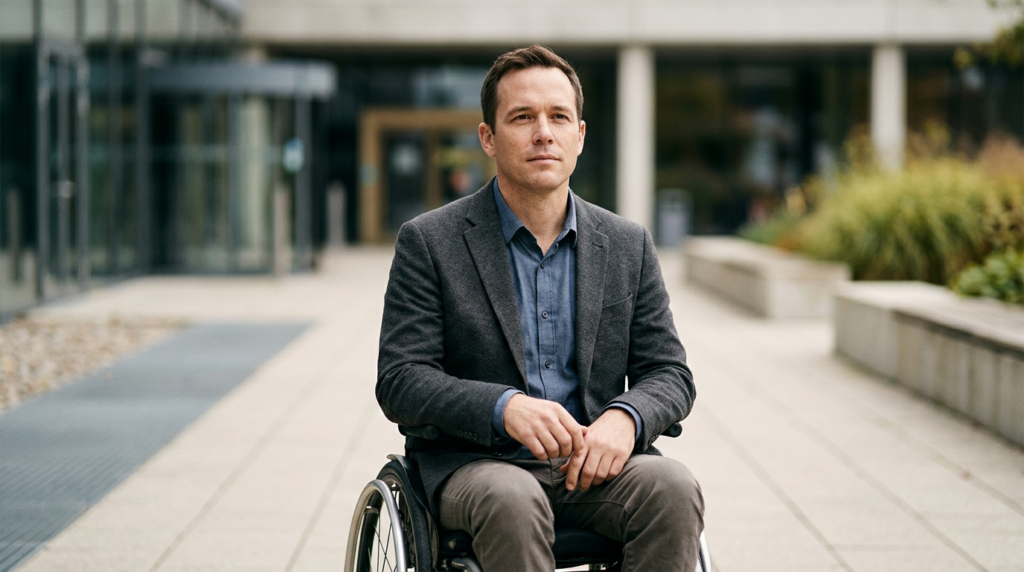
If you're unsure whether the death was preventable, that is exactly the question we're built to answer. Talk it through with our team — the first consultation is free, confidential, and carries no obligation.
Who this page is for
This page is written for the family left behind — not for lawyers. That usually means:
- A spouse, parent, or adult child of the person who died.
- Parents of a child who died.
- Families whose loved one was declared brain dead or removed from life support.
- Families who aren’t sure whether the death could have been prevented.
- Whoever is handling arrangements and bills while keeping the household running.
We help families in Florida — including Miami, Orlando, Tampa, and Jacksonville — and nationwide.
When a brain injury becomes a wrongful death claim
A fatal brain injury supports a wrongful death claim when your loved one died because another party was careless or did something wrong. It’s the same conduct that would have supported an injury claim if they had survived. The death changes who brings the case, not whether there is one.
A traumatic brain injury (TBI) — a serious brain injury from a blow or jolt — can turn deadly in several ways we see again and again:
- Truck and highway crashes. The sheer weight of a loaded tractor-trailer creates forces the human brain cannot survive. In 2022, 5,936 people died in large-truck crashes, according to NHTSA’s Fatality Analysis Reporting System (FARS).
- Falls from height — on a job site or an unsafe property.
- Medical negligence — a missed or delayed diagnosis, or a loss of oxygen during care.
- Violent attacks on unsafe property — a beating, shooting, or assault a property owner failed to prevent.
In Florida, the wrongful-death claim is filed by the personal representative of the estate on behalf of the survivors, such as the spouse, children and parents (Fla. Stat. § 768.20). If you’re unsure whether the death was preventable, that is exactly the question we’re built to answer.
Talk to our team in a free case evaluation.
How a fatal brain injury unfolds — and why the timeline matters legally
This is where families are often confused. It’s also where the medicine and the law connect directly.
A brain injury often happens in two stages. The primary injury is the direct blow or force at the moment of the accident. The secondary injury is everything that follows in the hours and days after — swelling, bleeding, and rising pressure inside the skull.
The second stage is often what proves fatal. And it’s often where the question of whether the death was preventable lives. If a hospital missed the warning signs of a bleed, or a delay in care let pressure build, that delay itself can be part of the negligence.
Two paths come up again and again. Knowing them in plain terms helps explain why some people survive for a time before passing.
Anoxic and hypoxic brain injury happen when the brain is starved of oxygen. Anoxic means oxygen is cut off entirely. Hypoxic means it is severely reduced. This can happen during a cardiac arrest under anesthesia, a near-drowning, or major blood loss.
With milder oxygen loss, some recovery is possible. With severe or long oxygen loss, the damage is often permanent or fatal, per the Mayo Clinic. Legally, these cases often turn on timing: how long was the brain without oxygen, and why. We answer that through anesthesia records, monitoring data, and code documentation.
Diffuse axonal injury (DAI) happens when fast twisting forces — common in high-speed truck crashes — tear the brain’s nerve fibers across a wide area. It doesn’t always show clearly on an early CT scan. That’s one reason a family may be told their loved one is “stable” shortly before a sharp decline. Our diffuse axonal injury explainer goes deeper.
Here is the point families most need to hear: a delay between the accident and the death does not automatically defeat a claim. If your loved one fought for days or weeks first, those days are part of the harm — the ICU care, the suffering, the family’s loss. They are not evidence against your case. In fact, that period often holds the strongest medical proof of cause.
Who can file a wrongful death claim
State law decides who can file, and the rules truly differ from state to state. So don’t guess.
In Florida, the Wrongful Death Act (Fla. Stat. §§ 768.16–768.26) requires the estate’s personal representative to bring the claim for the survivors. This is the person the court puts in charge of the estate. The Act separates two types of loss:
- The survivors’ losses — such as lost support, services, and companionship, and (for close family) mental pain and suffering.
- The estate’s losses — such as medical and funeral costs paid by the estate, and lost net earnings.
A fatal crash or a hospital death may have happened outside Florida. If so, the answer to “who can file” can change entirely. Contact us for a free case evaluation and we’ll confirm your family’s right to file.
What a wrongful death claim can recover — and the honest answer about money
Families almost always ask the same thing: how much can you sue for, and how much is usually won? We’ll answer directly. And we’ll explain why there is no honest single number.
Economic damages (your family’s money losses) may include:
- Medical and ICU costs before death.
- Funeral and burial costs.
- Lost income and the future support your family depended on.
Non-economic damages (losses without a set price tag) may include loss of companionship, guidance, and — where state law allows — the family’s mental pain and suffering.
To prove future losses in a way that holds up, we build them; we don’t estimate them. That usually means a forensic economist’s lost-earnings analysis. Where it fits, it also means a documented life-care and cost analysis. Where the conduct was especially reckless, punitive damages (extra damages meant to punish) may apply if state law allows.
So what drives value? Realistically: the size of the money loss, the strength of the fault evidence, the closeness of the surviving relationships, the number and limits of available insurance policies, and the state’s damages rules. Two deaths with identical facts can settle for very different amounts because of those factors.
It’s a marketing number. We’d rather tell you the truth and earn your trust than quote a figure we can’t stand behind.
Not sure what your next step is?
Talk it through with our team — the first consultation is free, confidential, and carries no obligation.
How the process works, step by step
- Free case evaluation. We listen to what happened and explain your options — no cost, no obligation.
- Investigation. We gather crash reports, the full medical chart, autopsy findings, trucking logs, and electronic control module (ECM, or “black box”) data. In attack cases, we also gather property-security records.
- Identifying responsible parties. A trucking company, a hospital or provider, a property owner, and every insurance policy that applies.
- Building damages. We work with medical, economic, and life-care experts to document the full loss.
- Negotiation and, if needed, litigation. If insurers won’t offer a fair resolution, we file suit.
Timelines vary. Some cases resolve in months; others take a few years. Deadlines are strict. In Florida, the wrongful death deadline to file (the statute of limitations) is generally two years under Fla. Stat. § 95.11(4)(e). Acting early protects evidence — especially security footage, which is often erased within days or weeks.
When a fatal brain injury follows an attack on someone else’s property
If your loved one was attacked and suffered a fatal head injury on someone else’s property, that property owner may share responsibility. This is separate from any case against the attacker.
Picture a family member beaten in an apartment complex breezeway. Or assaulted in a dim parking garage. Or attacked outside a bar, hotel, gas station, or store. If the owner knew the area was dangerous and still failed to provide reasonable security — working locks and gates, good lighting, working cameras, or guards — the law may hold them accountable for what that failure allowed to happen.
The legal name for this is negligent security, a type of premises liability (a property owner’s duty to keep people reasonably safe). Our negligent security page explains it in full. The key idea: the owner’s failure to keep people reasonably safe can be its own basis for recovery for your family.
Why families choose CHG Personal Injury Lawyers
We concentrate on catastrophic, life-altering injuries and wrongful death — not a general practice.
- Focused experience with truck crashes, medical negligence, and negligent-security cases that cause severe brain injuries.
- Credentials — our attorneys are licensed and admitted to the Florida Bar, and we handle cases in Florida and nationwide.
- Bilingual support in English and Spanish.
- No upfront cost. We work on a contingency fee, so fees apply, as allowed by law, only if we recover for you. We never guarantee an outcome.
One rule worth knowing early: under Fla. Stat. § 768.81, Florida uses a shared-fault rule. It can reduce your recovery based on any fault assigned to your loved one. We explain exactly how it may affect your case, in plain language.
Frequently asked questions
How much is a wrongful death claim worth?
There is no standard amount. Value depends on the money loss, the strength of the fault evidence, the surviving relationships, available insurance, and state law. Florida Bar rules forbid any lawyer from promising a figure.
Do people recover from an anoxic brain injury?
Some partial recovery is possible with milder oxygen loss. But severe or long oxygen loss is often permanent or fatal.
My loved one died weeks after the accident — can I still file?
Yes. A delay between the injury and the death does not automatically bar a claim. That period often holds the strongest medical evidence.
How long do we have to file?
Deadlines vary by state. Florida’s wrongful death limit is generally two years, so please reach out promptly.
What does it cost to hire you?
The case evaluation is free, and we work on a contingency fee, so there are no upfront costs.
Have questions about what happened?
Ask our team directly. The first conversation is free, confidential, and there is no obligation to continue.
Talk to a fatal brain injury wrongful death lawyer
Losing a loved one to a brain injury is a weight no family should carry alone. When that loss came from someone else’s carelessness, you deserve real answers — not a sales pitch.
A wrongful death lawyer at CHG Personal Injury Lawyers can review what happened, explain your options, and handle the legal work while you focus on your family. The consultation is free and confidential, there’s no upfront cost, and we offer bilingual English and Spanish support.
Request your free, no-obligation case evaluation today. You can also learn more about traumatic brain injuries and catastrophic injury claims.
How We Help Families After a Fatal Brain Injury
Investigate What Happened
We gather medical records, crash and incident reports, and the physical evidence needed to establish who was at fault and how the injury led to your loved one's death.
Identify Who Is Responsible
A fatal brain injury may trace back to a truck driver, a trucking company, a property owner who failed to provide security, or another negligent party. We work to name every responsible party.
Handle the Insurers
You should not have to argue with adjusters while grieving. We manage the communication, the paperwork, and the deadlines so your family can focus on healing.
Pursue Accountability
A wrongful death claim seeks to recover the losses your family has suffered and to hold the responsible party accountable for what was taken.
Deadlines Matter — Don't Wait
Every state limits how long a family has to file a wrongful death claim, and evidence can disappear quickly after a fatal accident. Speaking with an attorney early helps protect your family's rights.
Common Questions from Families
How much is a wrongful death claim worth?
There is no standard amount. Value depends on the financial losses, the strength of the fault evidence, the surviving relationships, available insurance, and state law. Florida Bar rules forbid any lawyer from promising a figure — be cautious of anyone who does.
Do people recover from an anoxic brain injury?
An anoxic brain injury occurs when the brain is deprived of oxygen. Some partial recovery is possible with milder cases, but severe oxygen loss can cause permanent, life-altering damage — and, in the most catastrophic cases, death.
Who can file a wrongful death claim?
State law decides who may bring a claim — often a spouse, children, parents, or a personal representative of the estate. We can explain who has the right to file in your loved one's case.
What will it cost to talk to a lawyer?
The initial case evaluation is free. We're here to answer your questions and explain your options with no pressure and no obligation.