

Negligent Security | Brain Injury
Assaulted on Someone Else's Property? You May Have a Claim Against the Owner
When inadequate security leads to a brain injury, the property owner can be held liable. CHG Personal Injury Lawyers focuses exclusively on catastrophic injury cases and can help you understand your rights.
By CHG Lawyers · Published September 20, 2026
Brain Injury From an Assault or Attack on Someone Else’s Property: When the Property Owner Is Liable
If you were assaulted, attacked, or violently injured on someone else’s property—an apartment complex, parking lot, garage, hotel, bar, nightclub, or store—and that attack caused a traumatic brain injury, you may be able to hold the property owner legally responsible, not just the person who attacked you. The property owner can be liable if they failed to provide reasonable security measures, and that failure made it easier for an attacker to harm you.
This is called negligent security or premises liability—a legal claim based on the property owner’s own negligence. It’s separate from any criminal case against the attacker. You don’t need to identify or prosecute the person who hurt you to hold the property owner accountable.

If you were injured at any location where security was inadequate, you may have a claim. Talk it through with our team — the first consultation is free, confidential, and carries no obligation.
Who This Page Is For
This page is for you if:
- You were assaulted, attacked, or violently injured on someone else’s property.
- The attack caused a traumatic brain injury that has changed your life.
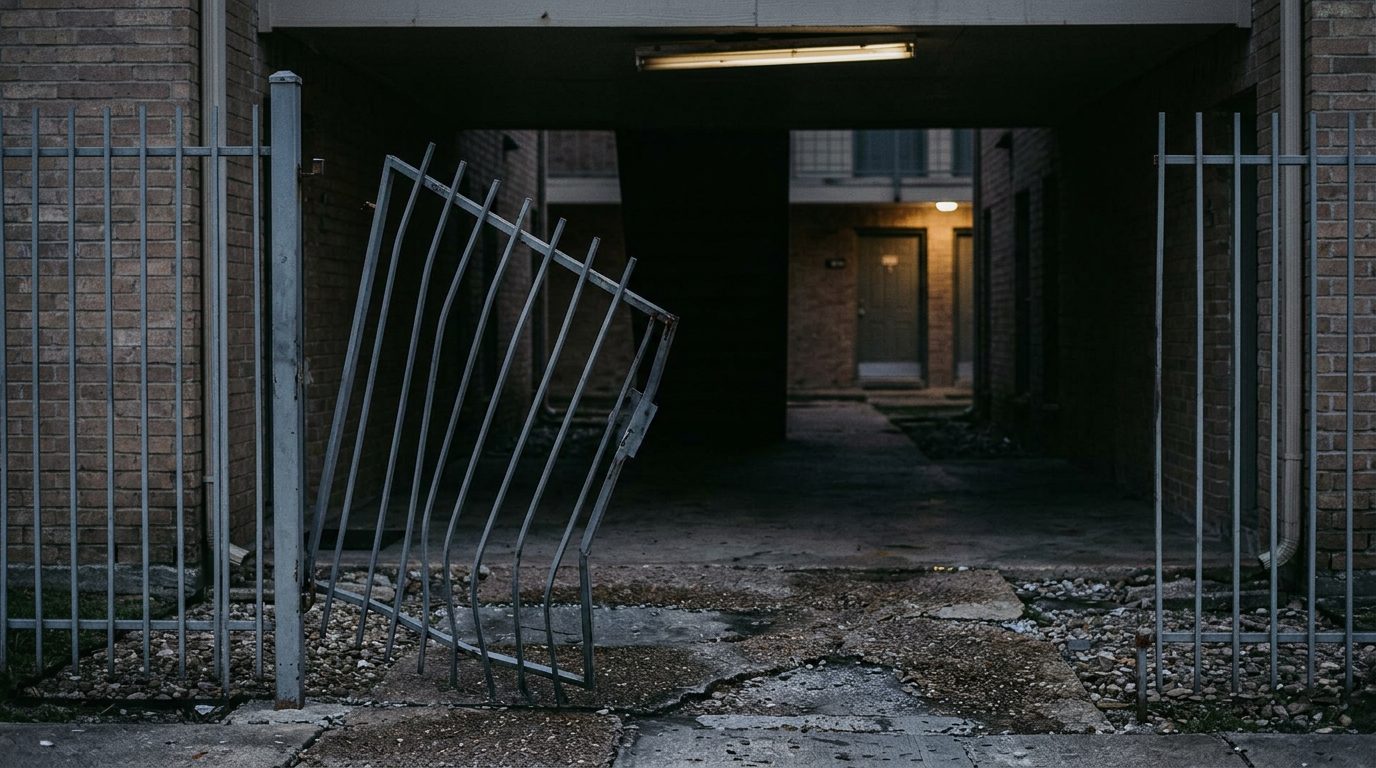
- You believe the property owner failed to provide reasonable security—working locks, adequate lighting, security cameras, guards, or other measures that could have prevented the attack.
- You want to know if you have a legal claim against the property owner and what it could mean for your recovery.
What Is a Traumatic Brain Injury (TBI)?
A traumatic brain injury is a serious injury to the brain caused by a blow, jolt, or penetrating wound to the head. In an assault or violent attack, a TBI can result from being struck, kicked, thrown to the ground, or struck with an object.
TBIs range in severity from mild concussions to severe injuries that cause permanent cognitive, physical, and emotional impairment. Symptoms may include loss of consciousness, confusion, memory loss, difficulty concentrating, headaches, dizziness, mood changes, sleep disturbances, and sensory problems. Many TBIs from violent attacks are severe enough to cause lasting disability, affecting your ability to work, care for yourself, and maintain relationships.
How Can a Property Owner Be Responsible for an Attacker’s Crime?
A property owner is not automatically responsible for a crime committed by a third party on their premises. However, a property owner can be held liable if they failed to provide reasonable security measures and that failure made it easier for an attacker to harm you.
The law recognizes that property owners have a legal duty to protect visitors and tenants from foreseeable harm, including violent crime. Under premises liability law, if a property owner knew (or should have known) that violent crime was a risk in that location and failed to take reasonable steps to prevent it, they can be held liable for injuries that result.
This is a claim based on the property owner’s own negligence—not on the attacker’s crime. You’re holding the property owner accountable for their failure to protect you, even though someone else committed the violence.
What Security Failures Can Lead to Liability?
Property owners can be held liable for negligent security when they fail to maintain basic protective measures. Common security failures include:
- Broken or missing locks on doors, gates, or windows that allow unauthorized entry.
- Inadequate or burned-out lighting in parking lots, garages, hallways, or entryways.
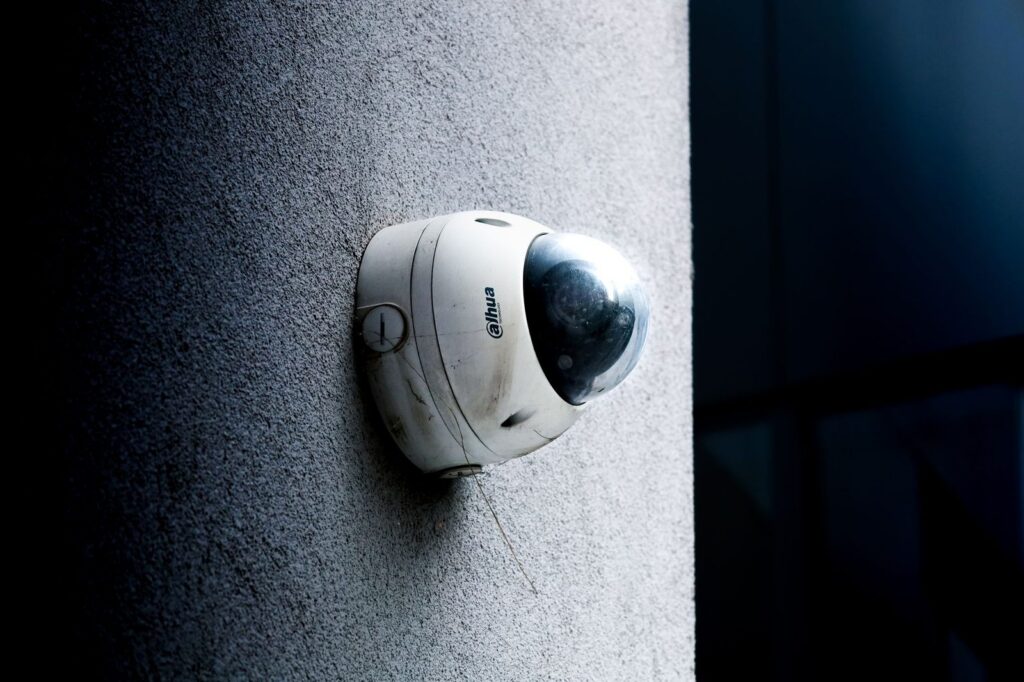
- No security cameras or non-functioning cameras in high-risk areas.
- Lack of security guards or staff presence, especially in locations with a history of crime.
- Failure to respond to prior incidents of violence or crime on the property.
- Failure to warn tenants or visitors of known security risks.
- Failure to maintain the property in a safe condition or to remove hazards that increase vulnerability to attack.
- Failure to enforce access controls or to screen for dangerous individuals.
- Ignoring complaints from tenants or visitors about security concerns.
If the property owner knew about these problems and did nothing, or if the property had a history of violent crime and the owner failed to upgrade security, that’s strong evidence of negligent security.
What Do You Have to Prove in a Brain Injury Claim Against a Property Owner?
To succeed in a negligent security claim, your attorney must establish several elements:
- The property owner owed you a duty of care. All property owners owe this duty to visitors and tenants.
- The property owner breached that duty by failing to provide reasonable security measures.
- The breach made it easier for an attacker to harm you. For example, poor lighting allowed an attacker to hide, or broken locks allowed unauthorized entry.
- You suffered a traumatic brain injury as a result of the attack.
- You have damages—medical expenses, lost wages, pain and suffering, permanent disability, and other losses caused by the injury.
Your attorney will gather evidence including security records, prior crime reports, witness statements, medical records, and expert testimony to build your case.
Not sure what your next step is?
Talk it through with our team — the first consultation is free, confidential, and carries no obligation.
What Can a Negligent Security Claim Cover?
A successful negligent security claim can cover a wide range of damages:
- Medical expenses: emergency care, hospitalization, surgery, rehabilitation, therapy, medications, and ongoing medical treatment.
- Lost wages: income you lost while recovering and unable to work.
- Reduced earning capacity: if your TBI prevents you from returning to your previous job or earning at the same level.
- Pain and suffering: compensation for physical pain, emotional trauma, anxiety, depression, and loss of enjoyment of life.
- Permanent disability: if the TBI causes lasting cognitive, physical, or emotional impairment.
- Home modifications: costs to adapt your home to accommodate disability.
- Assistive devices and equipment: wheelchairs, mobility aids, communication devices, or other adaptive equipment.
- Caregiver costs: if you require ongoing assistance with daily activities.
- Wrongful-death damages: in cases of fatal attacks, surviving family members may recover funeral expenses, lost income, and loss of companionship.
How Much Is My Case Worth?—An Honest Answer
There is no fixed formula or average settlement for a brain injury claim from negligent security. Each case is unique and depends on many factors:
- The severity of your injury and the extent of your permanent impairment.
- Your age and earning potential.
- The strength of the evidence of security failures.
- The property owner’s insurance coverage.
- Whether prior violent crimes occurred at the property.
Severe TBIs that cause permanent cognitive or physical disability typically result in higher compensation than less severe injuries. Cases with clear evidence of security failures—such as prior violent crimes on the property, known broken locks, or ignored complaints—tend to have stronger settlement value.
Your attorney will evaluate all factors specific to your case and provide a realistic assessment of what your claim may be worth. Each case is decided on its own facts and evidence, and no specific outcome or settlement amount can be promised.
How a Negligent Security Claim Works, Step by Step
Understanding the process can help you feel more confident moving forward:
Step 1: Free Case Evaluation. You meet with an attorney to discuss what happened, your injuries, and the property’s security. The attorney determines whether you have a viable claim.
Step 2: Investigation. Your attorney gathers evidence: security footage, crime reports, prior incidents at the property, maintenance records, witness statements, and expert opinions on what reasonable security should have included.
Step 3: Medical Documentation. Your medical records are reviewed and organized to establish the severity of your TBI and its impact on your life. Medical experts may be consulted.
Step 4: Demand Letter. Your attorney sends a detailed letter to the property owner’s insurance company explaining the negligent security, your injuries, and the damages you are claiming.
Step 5: Negotiation. The insurance company may respond with an offer. Your attorney negotiates on your behalf to reach a fair settlement.
Step 6: Litigation (if necessary). If settlement negotiations fail, your attorney files a lawsuit and prepares your case for trial. Most cases settle before trial, but your attorney is ready to litigate if needed.
Step 7: Resolution. Once a settlement is reached or a judgment is awarded, you receive compensation for your damages.
Why This Firm Handles These Cases
We focus exclusively on catastrophic injuries—including traumatic brain injuries—caused by negligent security, violent crime, and other serious accidents.
We handle cases nationwide, not just in Florida, so geography is never a barrier. We understand the medical, financial, and emotional impact of a severe TBI and are committed to holding property owners accountable for failing to provide reasonable security.
Have questions about what happened?
Ask our team directly. The first conversation is free, confidential, and there is no obligation to continue.
Frequently Asked Questions
How long do I have to file a claim?
Under Florida law, the statute of limitations for filing a personal-injury action is 2 years from the date the cause of action accrues. Do not delay; contact an attorney as soon as possible.
Do I have to prove who attacked me?
No. Your claim is against the property owner for negligent security, not against the attacker. You do not need to identify or prosecute the attacker to hold the property owner liable.
What if I was partially at fault for being in that location?
Under Florida’s comparative-negligence rule, you may still recover even if you were partially at fault, unless you are more than 50% at fault. Your recovery may be reduced by your percentage of fault. Your attorney will explain how this applies to your case.
Will my case go to trial?
Most cases settle before trial, but your attorney will be prepared to litigate if the insurance company will not offer fair compensation.
How long does a case take?
Cases vary widely. Simple cases may settle within months; complex cases with severe injuries may take 1–3 years or longer. Your attorney will give you a realistic timeline.
What if I cannot afford an attorney?
We work on a contingency-fee basis, meaning you pay nothing unless we recover compensation for you. There are no upfront costs.
For Families After a Fatal Attack
If a loved one was killed in an assault or violent attack on someone else’s property due to inadequate security, your family may have a wrongful-death claim against the property owner. Wrongful-death damages can include funeral and burial expenses, lost income the deceased would have earned, loss of companionship and support, and punitive damages in some cases.
Your family deserves answers and accountability. We are here to help you pursue justice and the compensation your family is entitled to.
If you suffered a traumatic brain injury in an assault or attack on someone else’s property because of inadequate security, you may have a claim against the property owner. Contact us today for a free, confidential case evaluation. We’ll listen to your story, answer your questions, and explain your legal options. There’s no obligation, and you won’t pay anything unless we recover compensation for you.
Time Matters
Under Florida law, you have a limited window to file a claim. Do not wait—contact an attorney as soon as possible to protect your rights and preserve evidence.
Understanding Your Negligent Security Claim
What Is Negligent Security?
Property owners have a legal duty to provide reasonable security measures—working locks, adequate lighting, cameras, or security personnel—to protect visitors from foreseeable harm. When an attack occurs because security was inadequate, the owner may be liable for your injuries.
You're Not Suing the Attacker
Your claim is against the property owner for failing to prevent a foreseeable crime. You don't need to prove who attacked you or secure their conviction. The focus is on whether the owner breached their duty to keep the property safe.
Common Negligent Security Locations
Attacks happen at apartment complexes, parking lots and garages, hotels and motels, bars and nightclubs, gas stations, retail stores, ATMs, and other commercial properties. If you were injured at any location where security was inadequate, you may have a claim.
Brain Injury From Assault: Why It Matters
A traumatic brain injury from an assault can cause permanent cognitive, physical, and emotional changes. These injuries often require ongoing medical care, rehabilitation, and support. A negligent security claim can help recover damages for medical costs, lost income, and pain and suffering.
Why Choose CHG Personal Injury Lawyers
Focused on Catastrophic Injury
We focus exclusively on serious and life-altering injuries, including traumatic brain injuries from assault. We understand the long-term impact and fight for fair compensation.
Thorough Case Investigation
We investigate security failures, review surveillance footage, interview witnesses, and consult with medical professionals to build a strong claim on your behalf.
Nationwide Experience
Compassionate Representation
We understand the trauma of being attacked and the challenges of recovery. We treat you with respect and work to ease the burden of the legal process.