

Catastrophic Brain Injury
Anoxic Brain Injury Lawyer
When oxygen loss causes permanent brain damage, you need a lawyer who understands the science, the injury, and what your family deserves.
By CHG Lawyers · Published September 02, 2026
Anoxic Brain Injury Lawyer: Help for Families After Catastrophic Oxygen Loss
Your world just changed. Someone you love was in an accident—a truck crash, a drowning, a choking incident, a cardiac event, or an assault. Now they’re in the hospital. You’re hearing unfamiliar terms like “anoxic brain injury” or “hypoxic injury.” The doctors are moving fast. The uncertainty is overwhelming.
This page explains what anoxic brain injury is, why it happens, what the medical reality looks like, and what legal options may help pay for the lifetime of specialized care that often follows.

Not sure what your next step is?
Talk it through with our team — the first consultation is free, confidential, and carries no obligation.
The Brain’s Oxygen Crisis: What Happens in Minutes
Your brain uses about 20% of your body’s oxygen supply. It cannot store oxygen. It needs constant, uninterrupted blood flow.
When that flow stops or drops critically, brain cells begin dying within minutes. This is why anoxic brain injury is so catastrophic.
Anoxia means the brain receives no oxygen at all. Hypoxia means the brain receives reduced oxygen. Both are severe, but anoxia is more extreme.
When oxygen is cut off completely, brain cells cannot produce the energy they need to survive. Within 4–6 minutes of complete oxygen loss, irreversible damage begins. A person may survive beyond this window, but survival does not mean recovery.
Many survivors face permanent disability, cognitive impairment, paralysis, or a state of minimal consciousness—awake but unable to communicate or care for themselves.
Anoxic brain injury is catastrophic and life-altering. It reshapes a person’s entire life and your family’s future.
The Critical Window: How Long Can the Brain Survive Without Oxygen?
The window is narrow and unforgiving. Permanent brain damage typically begins within 4–6 minutes of complete oxygen loss. After this point, severe injury becomes likely.
Several factors affect how quickly damage occurs:
- Age: Younger brains sometimes tolerate oxygen loss slightly longer.
- Core body temperature: Hypothermia can slow brain metabolism and extend the window—which is why some drowning victims have survived longer periods without oxygen.
- Cause of oxygen loss: Drowning may involve hypothermia that offers protection; cardiac arrest does not.
- Speed of medical intervention: CPR and rapid medical care can restore oxygen flow and limit damage—but only if they begin immediately.
Even with the best medical response, survival beyond 4–6 minutes without oxygen almost always means significant, permanent brain injury.
How Anoxic Brain Injury Happens: Accident Scenarios
Truck crashes and motor vehicle accidents can cause anoxic injury through airway damage, crushing injuries that prevent breathing, severe blood loss, or shock.
Drowning and near-drowning occur when water blocks oxygen absorption or breathing stops.
Choking happens when food or a foreign object blocks the airway.
Cardiac arrest during or after an accident stops the heart from pumping blood to the brain. This can result from chest trauma or shock and blood loss.
Strangulation, suffocation, or asphyxiation can occur during assaults at properties with inadequate security—apartment complexes, parking lots, hotels, bars—where someone is attacked and their airway is blocked.
Medical errors or negligence during emergency care—such as improper intubation, anesthesia complications, or medication errors—can deprive the brain of oxygen.
Carbon monoxide poisoning can occur in vehicles, buildings, or enclosed spaces when exhaust or faulty heating systems release the gas.
Severe blood loss or shock reduces the oxygen-carrying capacity of the blood or the pressure needed to deliver it to the brain.
Electrocution or lightning strike can cause cardiac arrest or respiratory paralysis.
What You’ll See in the First Hours: Immediate Symptoms
In the moments and hours after oxygen loss, these symptoms often appear:
- Loss of consciousness or severely altered consciousness
- Seizures or convulsions
- Respiratory distress or complete cessation of breathing
- Cardiac arrhythmia (irregular heartbeat) or cardiac arrest
- Complete unresponsiveness to stimuli
- Abnormal muscle tone, rigidity, or flaccidity
- Abnormal pupil responses
These symptoms demand emergency medical care. However, they don’t always predict long-term injury. Some people who appear severely affected in the first hours show surprising improvement over weeks. Others who seem stable develop serious complications days later. This uncertainty is exhausting for families.
The Unfolding Reality: Long-Term Effects of Anoxic Brain Injury
The damage from anoxic brain injury often unfolds over time. As swelling decreases, the full extent of cell death becomes apparent. These effects are typically permanent.
Cognitive impairment is common: memory loss, trouble concentrating, slow processing speed, impaired judgment, and difficulty learning new information.
Motor dysfunction includes weakness, paralysis, loss of coordination, spasticity (involuntary muscle tightness), tremors, and movement disorders. Some survivors cannot walk or perform basic self-care.
Speech and language problems range from mild difficulty finding words to complete inability to speak (aphasia). Swallowing difficulties can make eating dangerous and require feeding tubes.
Behavioral and emotional changes are profound: personality changes, aggression, depression, anxiety, emotional outbursts, and rapid mood shifts.
Sensory loss may include vision problems, hearing loss, or altered sensation in the limbs.
Chronic pain and headaches often persist for years.
Sleep disturbances are common and can worsen other symptoms.
Seizure disorders develop in some survivors, requiring long-term medication management.
In severe cases, survivors may remain in a vegetative state (awake but showing no awareness) or a minimally conscious state (showing minimal signs of awareness but unable to communicate reliably). These conditions require 24-hour care, often in specialized facilities.
These effects reshape not only the injured person’s life but also the lives of loved ones, who become caregivers and advocates—often while grieving the person they were before the injury.
Have questions about what happened?
Ask our team directly. The first conversation is free, confidential, and there is no obligation to continue.
Recovery: What Is Realistic?
Recovery depends on many factors: injury severity, duration of oxygen loss, age, overall health, and how quickly medical care was provided.
Some people regain consciousness and show gradual improvement over months or years. Physical therapy, occupational therapy, speech therapy, and cognitive rehabilitation can help maximize function and independence.
However, full recovery to pre-injury baseline is rare in severe cases. Many survivors experience permanent disability. They may regain some abilities but never return to their former level of function.
“Recovery” in the context of catastrophic anoxic brain injury often means learning to live with permanent changes. It means adapting to new limitations, developing new routines, and finding meaning despite profound disability. It means accessing the medical care, rehabilitation, assistive devices, and caregiver support needed for a lifetime.
Early and aggressive rehabilitation can improve outcomes and quality of life. But rehabilitation cannot erase the injury or restore what was lost.
Life Expectancy After Hypoxic or Anoxic Brain Injury
Life expectancy varies widely and depends on injury severity.
People with mild to moderate injuries may not have significantly shortened lifespans, but their quality of life is often severely affected by cognitive, motor, or behavioral changes.
People with severe injuries—including vegetative or minimally conscious states—often have reduced life expectancy due to secondary complications: pneumonia (from aspiration), blood clots, pressure sores, infections, seizures, and organ failure. These complications can be life-threatening and require constant medical vigilance.
Access to quality medical care, rehabilitation, assistive technology, and dedicated caregiving significantly affects long-term outcomes and lifespan.
The focus shifts from “how long will they live?” to “what kind of life and support do they need?” and “how do we ensure they receive the best possible care?”—and that requires resources.
Diagnosis: Why Early Imaging Can Be Misleading
In the immediate aftermath of an anoxic brain injury, diagnosis can be frustratingly unclear.
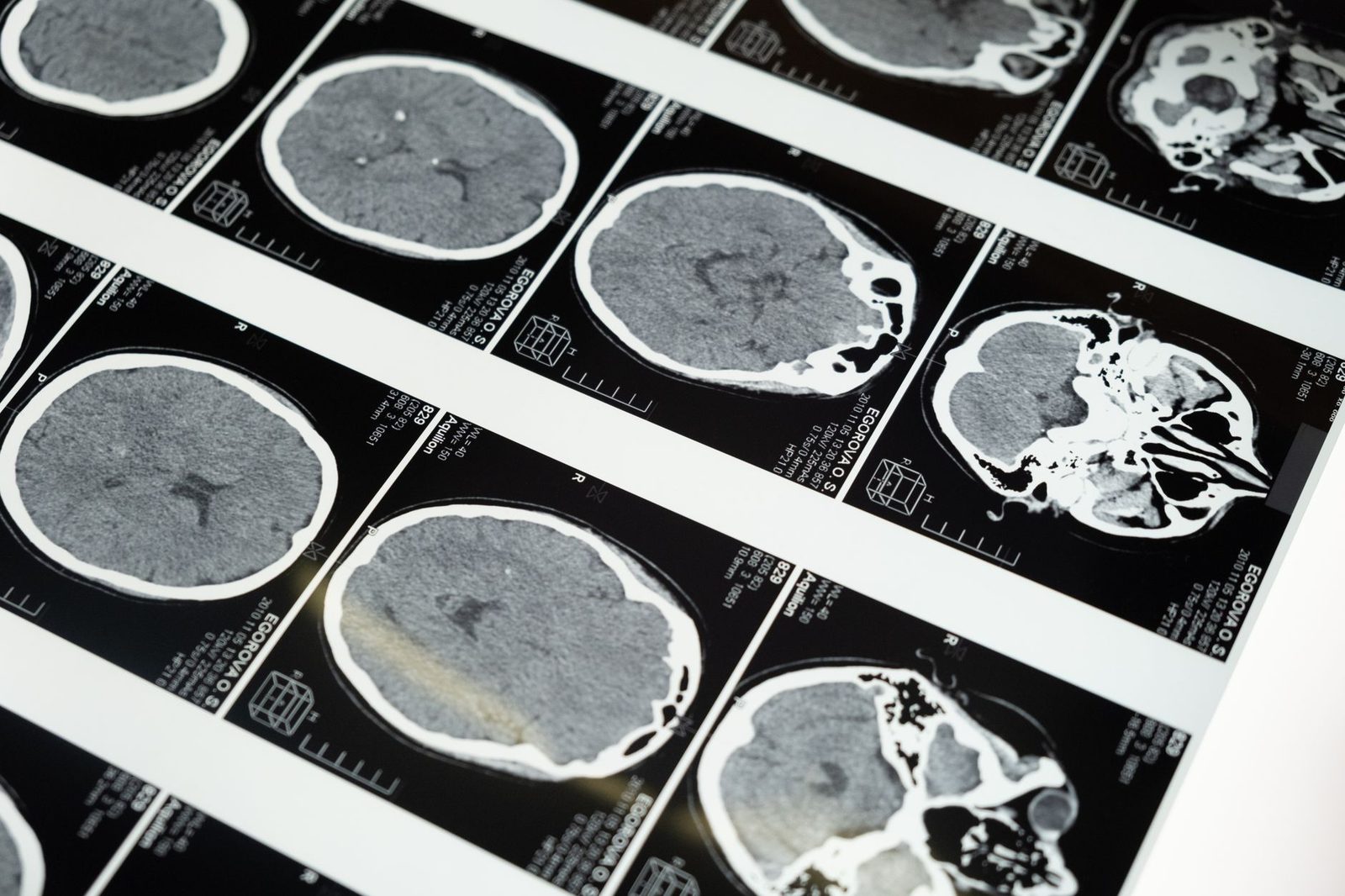
CT scans taken in the emergency room may appear normal or show only mild abnormalities, even when severe oxygen-loss injury has occurred. This can feel like false reassurance and leave families confused.
MRI scans are more sensitive and can show brain damage, but standard MRI may also appear relatively normal in the first hours or days.
Diffusion-weighted imaging (DWI), an advanced MRI technique, can detect the specific pattern of damage caused by oxygen loss. This test often reveals injury that standard imaging misses.
EEG (electroencephalogram) recordings can show abnormal brain electrical activity and may reveal seizures or patterns associated with severe injury.
Neurological exams and assessments of consciousness level (using scales like the Glasgow Coma Scale) are performed repeatedly over days and weeks. The trajectory of consciousness—whether the person is improving, stable, or declining—helps predict long-term outcome.
Diagnosis often emerges gradually as the full extent of injury becomes apparent over days and weeks. This uncertainty is part of what makes the early period so emotionally exhausting.
The Path Forward: Stages of Care
After anoxic brain injury, the path forward involves multiple stages of care, each with its own demands and costs.
Acute care focuses on stabilization, life support (ventilators, feeding tubes), prevention of complications, and management of seizures or other immediate threats.
Intensive rehabilitation includes physical therapy (to maintain mobility and prevent contractures), occupational therapy (to rebuild self-care skills), speech therapy (to address swallowing and communication), and cognitive rehabilitation (to address memory, attention, and executive function).
Long-term care may involve ongoing medical management, assistive devices (wheelchairs, communication aids), home modifications (ramps, accessible bathrooms), and caregiver support. Some people live at home with loved-one support; others require specialized residential facilities.
Neuropsychological evaluation identifies cognitive and behavioral changes and guides treatment and support strategies.
Vocational rehabilitation explores whether work or meaningful activity is possible and what accommodations are needed.
Mental health support for the injured person and loved ones is crucial. Depression, anxiety, and trauma are common responses to catastrophic injury.
Catastrophic brain injury typically requires a lifetime of specialized care, medical management, and support. The financial and emotional demands are enormous.
Legal Rights: When Someone Else’s Negligence Caused the Injury
If the anoxic brain injury resulted from someone else’s negligence, recklessness, or wrongdoing, the injured person or their loved ones may have a legal claim for compensation.
Accidents that cause anoxic brain injury and may give rise to legal claims include:
- Truck crashes caused by driver negligence, mechanical failure, or unsafe road conditions
- Drowning injury claims at swimming pools, beaches, or water parks with inadequate lifeguards or safety measures
- Drowning at apartment complexes, hotels, or other properties with unsafe conditions
- Choking on food at restaurants or food-service establishments due to failure to warn of hazards
- Medical malpractice during emergency care, anesthesia, surgery, or hospital treatment
- Assaults at properties (apartment complexes, parking garages, hotels, bars, ATMs) with inadequate security—broken locks, poor lighting, no cameras, no guards—where the property owner failed to provide reasonable protection
- Carbon monoxide poisoning from faulty heating systems or equipment in rental properties or vehicles
- Electrocution due to unsafe electrical conditions on someone else’s property
Compensation may cover:
- All past and future medical expenses, including emergency care, hospitalization, rehabilitation, and ongoing treatment
- Assistive devices, home modifications, and adaptive equipment
- In-home care, nursing, and caregiver support
- Lost wages and loss of earning capacity
- Pain and suffering
- Loss of life enjoyment and quality of life
- In cases of wrongful death, funeral expenses and the loved ones’ loss of companionship and support
Time limits apply. Under Fla. Stat. §95.11, a personal-injury claim must generally be filed within two years of the injury. This deadline is strict and cannot be extended in most cases. Early legal consultation is critical.
Shared fault is possible. Under Fla. Stat. §768.81, Florida’s modified comparative-negligence rule, if the injured person is found to be more than 50% responsible for the accident, they generally recover nothing. An attorney can evaluate whether shared fault applies to your situation.
An experienced anoxic brain injury lawyer can investigate the accident, identify all liable parties, gather medical and expert evidence, and pursue catastrophic injury claims to help cover the enormous costs of lifetime care.
Want to know where you stand?
Tell us what happened and our team will walk you through the options available to you, at no cost.
FAQ
What is the difference between anoxic and hypoxic brain injury?
Anoxia is complete oxygen loss to the brain; hypoxia is reduced oxygen delivery. Anoxia causes more rapid and severe damage, but both are catastrophic injuries.
How quickly does brain damage occur without oxygen?
Permanent brain damage typically begins within 4–6 minutes of complete oxygen loss, though the exact timeline varies based on age, temperature, and cause.
Can anoxic brain injury be seen on an MRI?
Standard MRI may appear normal in the first hours or days, but advanced diffusion-weighted imaging (DWI) can detect oxygen-loss injury that standard imaging misses.
Is there any cure for anoxic brain injury?
There is no cure. Rehabilitation and medical care can help maximize function and quality of life, but the injury itself is permanent.
Who is responsible if anoxic brain injury was caused by an accident?
If negligence, recklessness, or wrongdoing caused the accident, the person or property owner responsible may be liable for damages. An attorney can investigate your specific situation.

What Comes Next
If someone you care for suffered an anoxic or hypoxic brain injury after a truck crash, drowning, choking, cardiac event, medical error, or assault at an unsafe property, you’re facing an overwhelming situation. Medical decisions, rehabilitation planning, financial strain, and profound uncertainty about the future weigh on you.
You don’t have to navigate this alone. Many loved ones in your exact position have reached out to discuss what happened, what their options are, and how to pursue compensation to help pay for the care their loved one needs.
Contact us for a free case evaluation. We listen, we ask questions, and we help you understand whether you have a claim and what it might mean for your loved ones’ future.
Time Matters
Anoxic brain injury—complete loss of oxygen to the brain—causes damage rapidly. Medical literature indicates permanent brain damage typically begins within minutes of complete oxygen loss. If you or a loved one suffered anoxic brain injury due to someone else's negligence or wrongdoing, act quickly. Evidence, medical records, and witness accounts must be preserved.
Anoxic vs. Hypoxic Brain Injury: What's the Difference?
Anoxic Brain Injury
Complete loss of oxygen to the brain. Causes rapid, severe damage. Common causes include cardiac arrest, near-drowning, suffocation, and medical errors during surgery or anesthesia.
Hypoxic Brain Injury
Reduced oxygen delivery to the brain (not complete loss). Still catastrophic, but damage may develop over a longer timeframe. Can result from respiratory failure, carbon monoxide poisoning, or severe blood loss.
Both Are Life-Altering
Whether anoxic or hypoxic, these injuries often cause permanent cognitive, physical, and behavioral changes. Survivors may face lifelong care needs, lost income, and profound family impact.
Why CHG Personal Injury Lawyers
Focused on Catastrophic Injury
We focus exclusively on life-altering injuries—including anoxic and hypoxic brain damage. We understand the medical complexity and the lifelong consequences.
Thorough Case Investigation
We work with medical experts to establish how the injury occurred, who was responsible, and what damages your family has suffered and will face.
Empathetic Representation
Anoxic brain injury transforms lives. We listen to your story, understand your family's needs, and fight for fair compensation to support your future.
National Reach, Florida Base
Based in Florida and licensed to practice in Florida, we handle catastrophic injury cases nationwide. Your location doesn't limit your access to our firm.
Common Causes of Anoxic Brain Injury
Medical Negligence
Anesthesia errors, failure to monitor oxygen levels during surgery, improper intubation, or delayed response to respiratory distress.
Cardiac Events
Heart attack or cardiac arrest in a setting where prompt medical intervention was delayed or inadequate.
Near-Drowning
Submersion in water leading to oxygen deprivation. May occur due to negligent supervision, unsafe pool conditions, or failure to provide rescue equipment.
Traumatic Accidents
Severe head trauma, strangulation, suffocation, or other accidents that interrupt oxygen supply to the brain.
Impacts of Anoxic Brain Injury
Cognitive Changes
Memory loss, difficulty concentrating, impaired judgment, personality changes, and reduced ability to learn or process information.
Physical Disability
Paralysis, loss of motor control, spasticity, seizures, and chronic pain. Many survivors require ongoing physical therapy and assistive devices.
Behavioral & Emotional Effects
Depression, anxiety, aggression, emotional dysregulation, and loss of independence. These changes affect not only the survivor but the entire family.
Lifelong Care Needs
Many anoxic brain injury survivors require 24/7 care, specialized medical equipment, rehabilitation services, and adaptive housing modifications.
Your Family's Future Matters
Anoxic brain injury is catastrophic and permanent. The costs—medical, rehabilitative, and personal—extend far into the future. You deserve compensation that reflects the full scope of your family's needs and losses.