

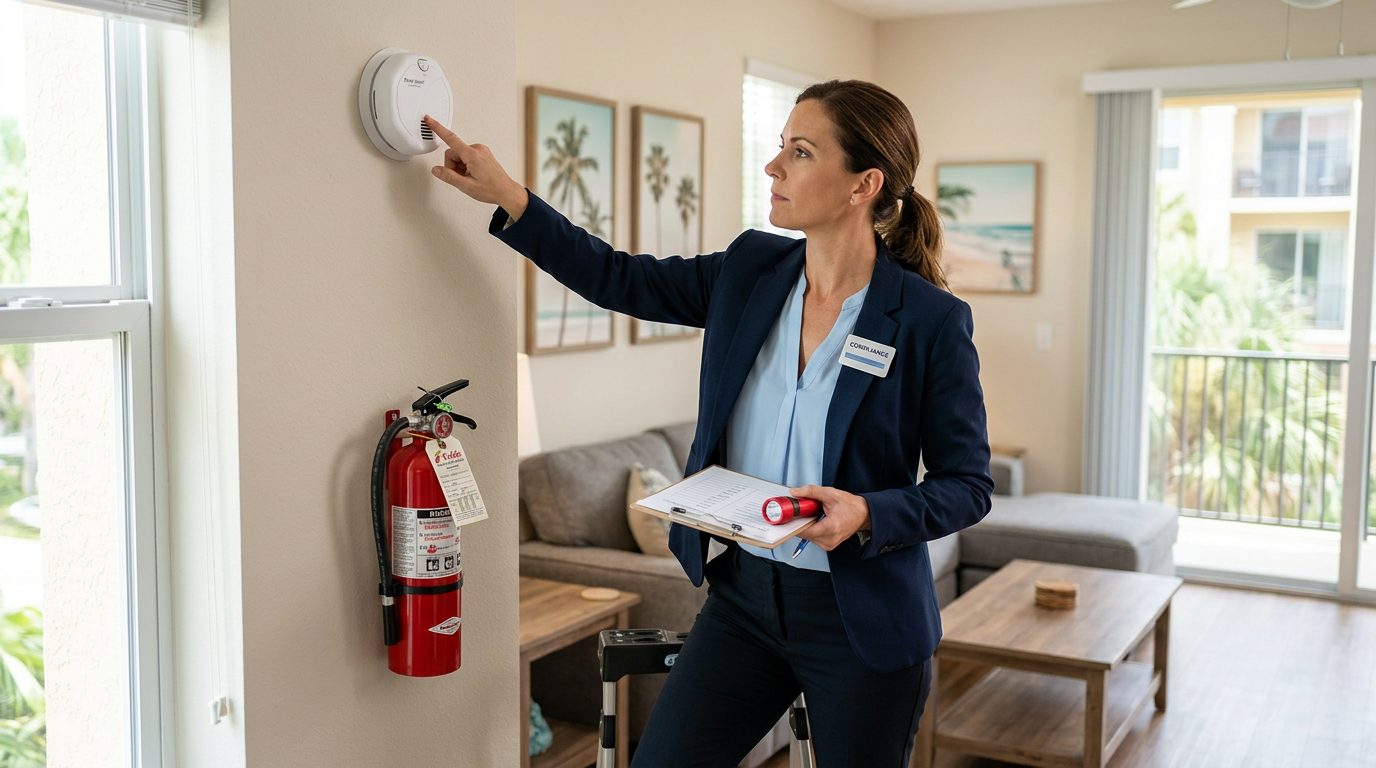
Short-Term Rental Injury
Injured at an Airbnb, VRBO, or Vacation Rental? You May Have a Claim
Property owners have a legal duty to maintain safe conditions. When they fail, we hold them accountable.
By CHG Lawyers · Published September 27, 2026
Florida Short-Term Rental Injury Lawyer for Catastrophic Vacation Rental Claims
When a vacation turns into a life-altering injury, the property owner may be legally responsible. If you suffered a catastrophic injury at a short-term rental—Airbnb, VRBO, or other vacation property—in Florida, you may have a legal claim. A Florida short-term rental injury lawyer can help you understand your rights and pursue recovery.
Catastrophic short-term rental injuries include spinal cord damage and paralysis, traumatic brain injury, amputation, severe burn, or wrongful death. Our firm focuses exclusively on catastrophic injuries from unsafe rental properties. We help injured guests and their families understand their rights and pursue recovery.
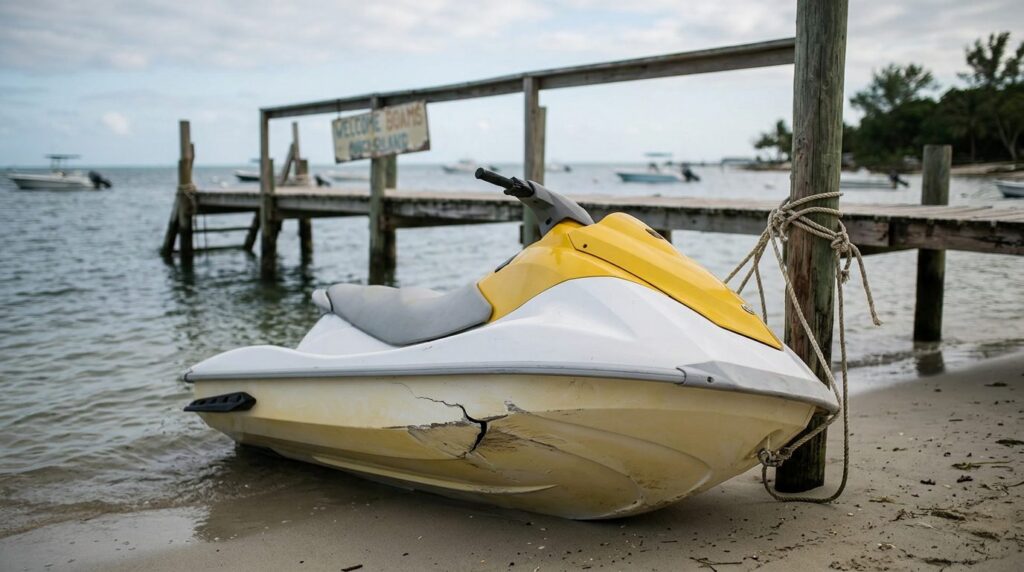
If you suffered a catastrophic injury at a short-term rental—Airbnb, VRBO, or other vacation property—in Florida, you may have a legal claim. Talk it through with our team — the first consultation is free, confidential, and carries no obligation.
What Is a Short-Term Rental Injury Claim?
A short-term rental injury claim is a legal action against the property owner or manager. You bring it when you suffer a catastrophic, life-altering injury because the rental was unsafe or poorly maintained.
Short-term rental owners have a legal duty to keep their properties safe. They must warn guests of known hazards. When they fail and someone is catastrophically injured, the owner may owe you damages.
This claim applies only to serious, permanent injuries:
- Spinal cord injuries
- Paralysis (paraplegia and quadriplegia)
- Traumatic brain injuries
- Amputations
- Severe burns
- Catastrophic back and neck injuries
- Wrongful death
We do not handle routine or minor injuries. The injured guest or the family of someone killed can bring a claim.
Who Is Liable for a Short-Term Rental Injury?
The property owner or manager is liable if they knew—or should have known through reasonable inspection—about a dangerous condition and failed to fix it or warn guests.
Examples include:
- A pool with a broken drain cover
- A staircase missing a handrail
- Inadequate locks or lighting that allowed an assault
- Carbon monoxide leaking from a faulty appliance
- Mold from water damage
- A hot tub with malfunctioning temperature controls
The 51% Rule
Under Florida’s comparative negligence rule, you can recover damages even if you share some responsibility. Florida Statute §768.81 allows recovery as long as the property owner is more than 50% at fault.
Your recovery is reduced by your percentage of fault. For example, if the owner was 70% responsible and you were 30% responsible, you can still recover. Your award is reduced by 30%.
Most short-term rental owners carry liability insurance. The claim is typically made against the owner’s homeowner’s or commercial liability policy.
What Types of Catastrophic Injuries Are Covered?
Our firm handles claims for the most serious, permanent injuries:
- Spinal cord injuries and paralysis from falls, diving accidents into shallow water, or collisions on the property
- Traumatic brain injuries (TBI) from falls, assaults, or accidents causing permanent cognitive or physical impairment
- Amputations and limb loss from machinery, negligent maintenance, or accidents on unsafe premises
- Severe burn injuries from faulty appliances, inadequate fire safety, or unsafe heating systems
- Catastrophic back and neck injuries causing permanent disability and loss of function
- Wrongful death: when a guest is killed in an accident caused by the owner’s negligence
- Assaults and violent crimes: when inadequate security allowed an attacker to harm a guest
Common Causes of Catastrophic Short-Term Rental Injuries
We see recurring hazards at vacation rentals in our catastrophic-injury cases:
Pool and hot tub accidents cause spinal cord injuries from diving into shallow water, drowning, scalding from malfunctioning temperature controls, and drain entrapment.
Falls result from broken stairs, missing handrails, uneven flooring, inadequate lighting, and slippery surfaces from mold or water damage.
Carbon monoxide poisoning occurs when furnaces, water heaters, or generators malfunction in enclosed spaces. This causes brain damage or death.
Mold and toxic exposure develop from water damage left unrepaired. They lead to respiratory failure or serious illness.
Fires and burns happen because of faulty electrical wiring, defective appliances, inadequate fire extinguishers, or blocked exits.
Assaults and violent crime are enabled by broken locks, dark parking areas, no security cameras, and no on-site staff.
Structural collapse from deferred maintenance—balcony failures, ceiling collapses—can cause catastrophic injury or death.
What Is the 80/20 Rule for Airbnb?
The “80/20 rule” refers to Airbnb’s Host Protection Insurance. It covers property damage claims up to $1 million. However, it does not cover guest personal injury claims.
Airbnb’s guest injury coverage is limited and often insufficient for catastrophic injuries. The property owner’s personal liability insurance is usually the primary source of recovery.
If you are catastrophically injured at an Airbnb or other short-term rental, you will likely pursue a claim against the owner’s homeowner’s or commercial liability policy.
Not sure what your next step is?
Talk it through with our team — the first consultation is free, confidential, and carries no obligation.
How Long Do You Have to Sue for Personal Injury in Florida?
The statute of limitations is generally 2 years from the date of injury to file a personal injury lawsuit in Florida. For wrongful death claims, the deadline is 2 years from the date of death. Florida Statute §95.11 sets these deadlines.
Waiting too long can bar your claim entirely. Contact an attorney as soon as possible to preserve your rights.
If the injured person is a minor, the clock may start when they turn 18. Consult an attorney about your specific situation.
How the Short-Term Rental Injury Claim Process Works
Our approach is systematic and transparent:
Step 1: Initial consultation and case evaluation. We review your injury, the accident, and the property’s condition. We determine if you have a viable claim. This consultation is free and confidential.
Step 2: Investigation. We gather evidence: photos of the property, maintenance records, prior complaints or incidents, security footage, witness statements, and expert reports on the hazard that caused your injury.
Step 3: Demand and negotiation. We send a detailed demand letter to the property owner’s insurance company. We negotiate a settlement based on liability strength and injury severity.
Step 4: Litigation (if necessary). If the insurance company refuses a fair offer, we file a lawsuit and prepare for trial.
Step 5: Resolution. We handle all paperwork and ensure you receive your recovery. Most cases settle within 6–18 months.
We work on a contingency fee basis: you pay nothing unless we recover for you.
What Not to Say to an Injury Lawyer (and Why It Matters)
When you speak with an attorney about your short-term rental injury:
- Don’t minimize your injury. Be honest about how it has affected your life, work, and daily routine.
- Don’t exaggerate or invent details. Stick to the facts; credibility is everything.
- Don’t discuss your case on social media or with strangers. Anything you post can be used against you.
- Don’t accept an early settlement offer without legal review. Insurance companies often lowball initial offers.
- Don’t sign anything from the property owner or insurance company without an attorney reviewing it first.
- Don’t delay seeking medical care or legal advice. The sooner you act, the stronger your case.
Why Choose Our Firm for Your Short-Term Rental Injury Claim
Exclusive focus on catastrophic injuries. We focus exclusively on catastrophic, life-altering injuries—spinal cord injuries, paralysis, traumatic brain injuries, amputations, severe burns, and wrongful death. We do not handle routine or minor claims. This focus ensures we select and handle cases appropriate to the severity of your harm.
We understand the unique legal and logistical challenges these claims present.
National reach. While based in Florida, we handle short-term rental injury cases nationwide. Your claim is not limited by geography.
Bilingual service. We serve English- and Spanish-speaking clients.
No upfront cost. We work on contingency. You pay nothing unless we recover for you. This removes financial barriers to getting legal help when you need it most.
Proven process. We have a systematic approach to investigation, negotiation, and litigation. It is designed to maximize recovery for catastrophically injured guests and their families.
Have questions about what happened?
Ask our team directly. The first conversation is free, confidential, and there is no obligation to continue.
Frequently Asked Questions
Q: Can I sue Airbnb or VRBO directly for my injury?
Airbnb and VRBO are typically not liable for guest injuries; the property owner is. However, we evaluate all potential defendants and their insurance coverage to maximize your recovery.
Q: What if I signed a waiver when I booked the rental?
Waivers are often unenforceable, especially for injuries caused by the owner’s gross negligence or failure to maintain safe conditions. We review your booking agreement.
Q: Do I need to prove the owner knew about the hazard?
No. Under Florida law, the owner is liable if they should have known about the hazard through reasonable inspection and maintenance.
Q: What damages can I recover?
Medical expenses, lost wages, pain and suffering, permanent disability, loss of enjoyment of life, and in wrongful-death cases, funeral expenses and loss of companionship.
Q: How much is my case worth?
Every case is unique. We evaluate the severity of your injury, your medical costs, lost income, and the strength of liability to estimate a range.
Q: What if the property owner doesn’t have insurance?
We pursue claims against the owner’s personal assets and explore other sources of recovery. These include the booking platform’s coverage or other liable parties.
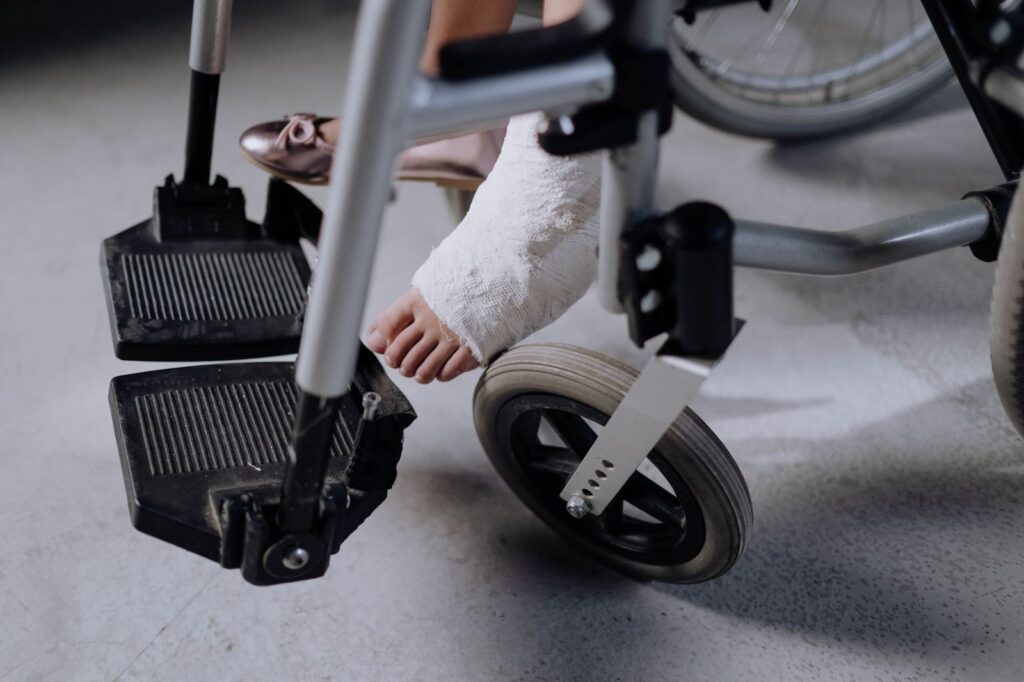
Take the Next Step
If you or a family member suffered a catastrophic injury at a short-term rental in Florida—a spinal cord injury, paralysis, traumatic brain injury, amputation, severe burn, or loss of life—you have legal options and limited time to act.
Contact us today for a free case evaluation. We will review your injury, the circumstances of the accident, and the property’s condition. We will determine what you may be entitled to recover.
People in your situation reach out regularly. We are here to help you understand your rights and pursue the compensation you deserve.
Contact us for a free case evaluation
Why Property Owners Are Responsible
Duty of Care
Vacation rental owners must maintain their properties safely and disclose known hazards. Broken stairs, faulty locks, unsafe pools, and inadequate security are their responsibility.
Insurance Coverage
Most short-term rental properties carry liability insurance. We identify all available coverage to maximize your recovery.
Common Injury Scenarios
Falls from balconies or stairs, drowning in poorly maintained pools, assaults due to inadequate locks or lighting, and injuries from defective appliances or furniture are all actionable.
Focused Representation
We focus exclusively on catastrophic and serious personal injuries. Your case gets the attention and resources it deserves.
What You Need to Know About Short-Term Rental Claims
The Property Owner Is Liable, Not the Platform
Airbnb, VRBO, and other booking platforms are typically not responsible for injuries on rental properties. The owner who rented you the property is. We investigate all potential defendants and their insurance to build the strongest claim.
Waivers May Not Protect the Owner
Many rental agreements include liability waivers. In most cases, these are unenforceable—especially when an injury results from the owner's negligence or failure to maintain the property safely. We evaluate the waiver's validity and your rights.
Document Everything
Photograph the hazard that caused your injury, the scene, and your injuries. Keep medical records, receipts, communications with the rental company, and the booking confirmation. This evidence is critical to your claim.
Act Quickly
Report the injury to the property owner and the booking platform in writing as soon as possible. Preserve all evidence and contact a lawyer promptly to protect your rights and meet legal deadlines.
Don't Accept a Quick Settlement Without Legal Review
Property owners and their insurers often contact injured guests with fast settlement offers. These are frequently far below what your claim is worth. Before you accept anything, speak with a lawyer about the true value of your injury, medical care, and losses.
Types of Short-Term Rental Injuries We Handle
Falls and Structural Hazards
Broken stairs, missing railings, unstable balconies, slippery floors, and inadequate lighting cause serious falls. We pursue claims for fractures, spinal injuries, head trauma, and permanent disability.
Pool and Water Injuries
Drowning, near-drowning, and injuries from poorly maintained pools—including inadequate supervision, broken drains, or chemical imbalances—are the owner's responsibility.
Security Failures and Violent Crime
If you were assaulted, robbed, or attacked because the rental lacked adequate locks, lighting, cameras, or security, the owner may be liable for negligent security.
Defective Appliances and Furnishings
Injuries from faulty electrical appliances, unstable furniture, bed collapses, or other defective items on the property are the owner's liability.
Ready to Discuss Your Case?
Related practice areas
- Injured at a Short-Term or Vacation Rental? Your Rights When an Airbnb or VRBO Property Fails
- Miami Short-Term Rental Injury Lawyer | Serious & Fatal Accidents
- Wrongful Death at a Short-Term Rental: Legal Help for Grieving Families
- Orlando Short Term Rental Injury Lawyer
- Tampa Short-Term Rental Injury Lawyer | Serious Injury & Wrongful Death
- Vacation Rental Injury Lawyer: Catastrophic Injury Claims at Airbnb & VRBO Properties
- Short-Term Rental Liability in Florida
- Spinal Cord Injuries: A Guide for Victims and Families Facing Paralysis