

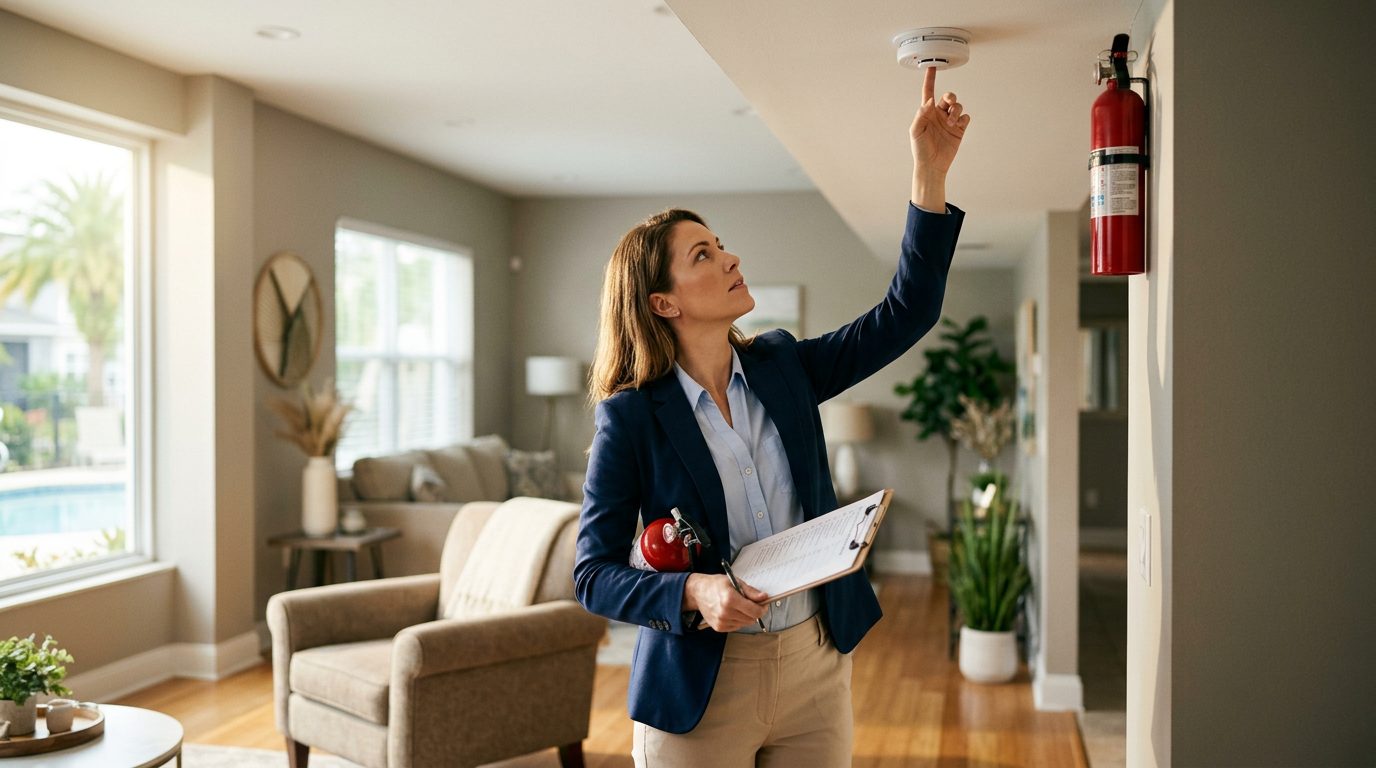
Orlando Personal Injury
Injured at a Short-Term Rental in Orlando?
If negligence caused your injury, you may have a claim.
By CHG Lawyers · Published October 07, 2026
Orlando Short-Term Rental Injury Lawyer: Catastrophic Injury Claims
If you suffered a catastrophic, permanent injury at an Airbnb, VRBO, or other vacation rental in the Orlando area, the property owner may be legally responsible. Our firm focuses exclusively on catastrophic injuries—spinal cord damage, paralysis, traumatic brain injuries, amputations, severe burns, and wrongful death—caused by negligence or unsafe conditions. We represent injured guests and families across Florida and nationwide.
Orlando’s vacation rental market is enormous. Thousands of properties operate near theme parks and tourist areas. Many are safe. But when owners fail to maintain properties, provide adequate security, or warn guests of known hazards, catastrophic harm can result. If that happened to you or your family, you have legal options.
Not sure what your next step is?
Talk it through with our team — the first consultation is free, confidential, and carries no obligation.
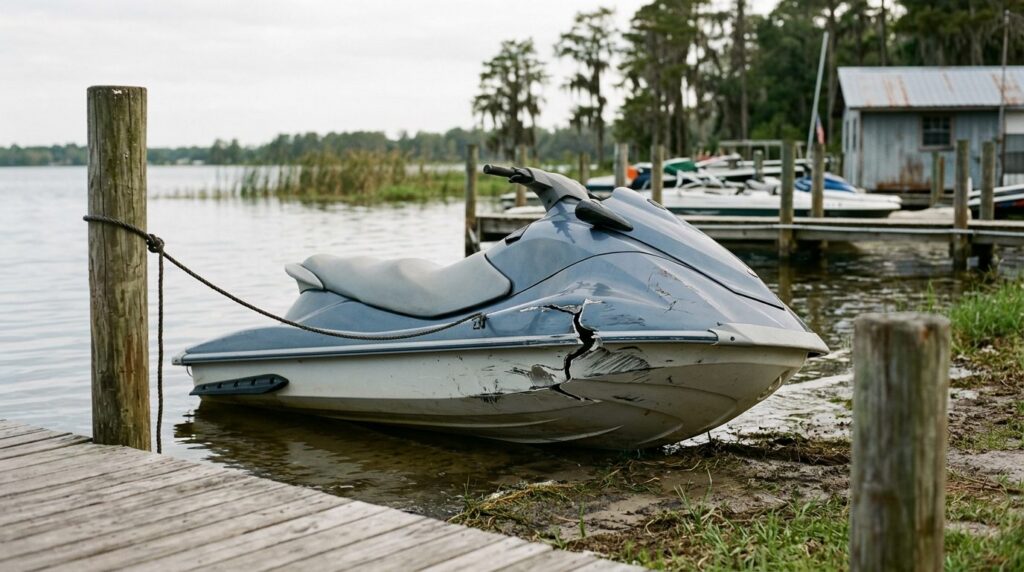
Catastrophic Injuries at Orlando Vacation Rentals
Serious, permanent injuries at short-term rentals often stem from preventable negligence. Under Florida law, the property owner can be held accountable.
This page is for people whose lives have been permanently altered by an injury at a rental property. We’re talking about spinal cord injuries from falls, traumatic brain injuries from unsafe conditions or assault, amputations, severe burns from electrical or gas hazards, drowning at poorly maintained pools, or the loss of a family member.
This firm handles catastrophic, permanent injuries only. We do not handle routine slip-and-falls, uncomplicated fractures, or soft-tissue damage.
Who This Is For
Our firm represents injured visitors and family members in the Orlando area (Orange, Osceola, Seminole counties) and nationwide.
You may have a claim if:
- You suffered a catastrophic, permanent injury at a vacation rental in or near Orlando.
- A family member was killed at a rental due to negligence or unsafe conditions.
- You were assaulted, robbed, or sexually assaulted at a rental. The owner failed to provide reasonable security.
- The injury occurred because the owner failed to maintain the property or warn of known hazards.
Common Causes of Catastrophic Injuries at Orlando Rentals
Negligent Security
Unsecured doors, broken locks, no working gates or intercoms, missing cameras, inadequate lighting, and no security personnel. When a property lacks these basic measures and assault, robbery, or sexual assault occurs, the owner may be liable for foreseeable crime.
Unsafe Conditions
Broken stairs or railings that give way, unguarded or poorly maintained pools and hot tubs, faulty electrical systems, gas leaks, structural defects, and mold infestations. Falls from height often cause spinal cord injuries or traumatic brain injuries. Electrical hazards cause severe burns. Drowning occurs at unsupervised water features.
Lack of Maintenance
Property managers who fail to inspect regularly, respond to complaints, or fix known hazards promptly. Hazards that worsen over time—water damage, electrical faults, security failures—create dangerous conditions.
Inadequate Staffing
Properties with minimal or no on-site management cannot respond quickly to emergencies or safety issues.
How Vacation Rental Liability Works Under Florida Law
Property owners have a legal duty to maintain safe premises and warn guests of known hazards. Short-term rental owners are held to the same standard as hotel operators.
Under Florida law, a property owner can be held responsible if their negligence directly causes injury. If you are found partially at fault, your recovery is reduced by your percentage of fault. Under Florida’s comparative negligence law, you may still be able to recover compensation even if you share part of the fault for what happened (Fla. Stat. § 768.81(6)).
What the Owner Owes You
The owner must:
- Inspect the property regularly for hazards.
- Repair dangerous conditions promptly.
- Provide adequate security if crime risk is foreseeable.
- Warn guests of known hazards that are not obvious.
- Maintain all equipment, structures, and systems safely.
If the Owner Knew (or Should Have Known)
If the owner knew of a dangerous condition—or should have known through reasonable inspection—and did nothing, they’re liable. Prior guest complaints, deferred maintenance records, and prior crime reports are all evidence of what the owner knew or should have known.
Insurance
Most short-term rental properties carry liability insurance. Coverage varies widely. Some policies exclude certain injury types (assault, drowning) or have low limits. We investigate all available insurance: the property owner’s policy, the platform’s host protection program, and any umbrella coverage. Even if insurance is limited, the owner’s personal assets may be recoverable.
Legal Requirements for Short-Term Rentals in Orlando
Orlando and Orange County impose licensing requirements, zoning restrictions, occupancy limits, and safety standards on short-term rentals.
Keeping a property reasonably safe for the people who use it is a basic responsibility many property owners are expected to take seriously. Florida sets a deadline, known as the statute of limitations, for filing a personal injury claim, so it is important to act promptly to protect your rights. For wrongful death claims, it is 2 years from the date of death.
Short-term rental platforms like Airbnb and VRBO have their own safety standards. But these do not eliminate the owner’s legal duty to maintain a safe property. Violations of local code or state safety regulations strengthen a negligence claim.
Not sure what your next step is?
Talk it through with our team — the first consultation is free, confidential, and carries no obligation.
What Happens When You File a Short-Term Rental Injury Claim
Step 1: Free Case Evaluation
You describe the injury, the property, and what happened. An attorney determines whether the case involves catastrophic, permanent injury and whether liability is likely. There is no obligation and no cost.
Step 2: Investigation
We gather evidence: photos and video of the property, maintenance records, security footage, witness statements, the rental listing, prior guest complaints, and crime reports if applicable.
Step 3: Medical Documentation
Your medical records, imaging (MRI, CT scans), surgical reports, and expert opinions establish injury severity and permanence. For spinal cord injuries, traumatic brain injuries, amputations, and severe burns, medical evidence is critical.
Step 4: Demand and Negotiation
We send a detailed demand letter to the property owner’s insurance company. It includes evidence, medical documentation, and expert analysis. Negotiations often take weeks or months.
Step 5: Settlement or Litigation
Most cases settle during negotiation. If not, we file suit and prepare for trial. You will not be pressured to accept a low offer.
Timeline
Investigation and negotiation typically take 6–12 months. If the case goes to trial, add 1–3 years depending on complexity and court schedules.
Why Choose This Firm for Your Orlando Short-Term Rental Injury Case
Focused Practice
We focus exclusively on catastrophic injuries: spinal cord injuries, paralysis (paraplegia and quadriplegia), traumatic brain injuries, amputations, severe burns, and wrongful death.
Licensed Florida Attorneys
All attorneys are licensed to practice in Florida and admitted to the Florida Bar.
National Reach
While based in Florida, we handle cases nationwide. This includes complex disputes involving short-term rental platforms and out-of-state property owners.
Experience with Short-Term Rental Liability
We understand the unique liability issues these properties present: platform immunity limits, varying insurance coverage, and the duty of care owed by owners.
No Upfront Cost
We work on contingency. You pay no attorney’s fee unless we recover money for you. Clients may still be responsible for certain case costs, which we explain upfront.
Bilingual Support
English and Spanish-language resources for clients and families.
Negligent Security at Vacation Rentals
You were attacked at a vacation rental property. The owner had no working locks, no cameras, no lighting, and no security personnel. Or you were assaulted in a parking area or hallway. The owner knew of prior crimes on the property but did nothing.
That is negligent security.
Negligent security means the property owner failed to provide reasonable safety measures: working locks, lighting, cameras, security personnel, or alarm systems. An assault, robbery, or sexual assault resulted.
When violent crime in an area is a known concern, questions often come up about whether a property owner took reasonable steps to keep people on the property safe. Prior criminal activity, guest complaints, and industry standards all factor into whether security was adequate.
How Long Do I Have to File a Florida Short-Term Rental Injury Lawsuit?
Florida law sets a time limit for filing an injury claim, so contacting an attorney promptly helps protect your rights. For wrongful death claims, it is 2 years from the date of death.
Do not wait. Evidence degrades, witnesses move away, memories fade, and security footage is often deleted after 30–90 days. The sooner you contact us, the sooner investigation begins and evidence is preserved.
Some claims may have shorter deadlines if they involve government property. We will advise you of any deadlines specific to your case.
Frequently Asked Questions
Q: Can I sue the short-term rental platform (Airbnb, VRBO) directly?
A: How much responsibility a platform may carry can vary, and it often depends on the specific facts of what happened. But the property owner is always liable if negligence caused injury. We pursue the owner and any available insurance.
Q: What if I signed a waiver or release when I booked the rental?
A: Waivers are often unenforceable, especially for gross negligence or intentional misconduct. We review any document you signed.
Q: What if the property owner is out of state or hard to find?
A: We have experience locating defendants and serving them with legal process. National reach and resources make this possible.
Q: Will my case go to trial?
A: Most settle during negotiation. But we prepare every case for trial. You will not be pressured to accept a low offer.
Q: How much will this cost me?
A: Nothing upfront. We work on contingency. You pay a percentage of recovery only if we win or settle your case.
Not sure what your next step is?
Talk it through with our team — the first consultation is free, confidential, and carries no obligation.
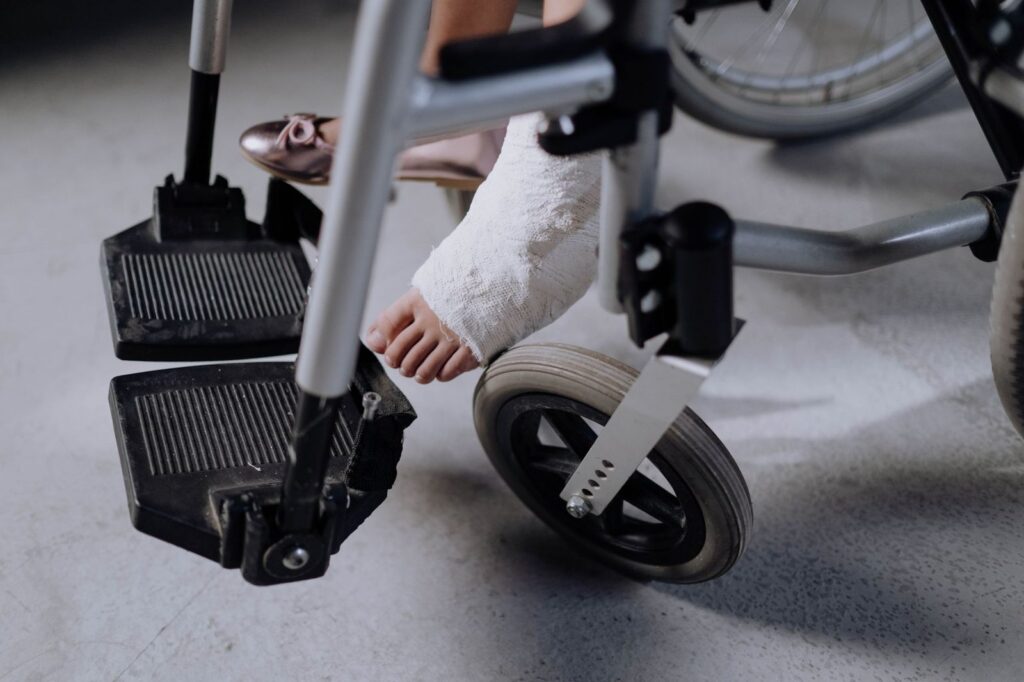
Contact Our Firm for a Free Consultation
If you or a family member suffered a catastrophic injury at a vacation rental in Orlando or anywhere in the United States, contact us today. We offer a free case evaluation. An attorney will listen to your story and explain your legal options.
Call or fill out our online form to get started.
Why Choose CHG Personal Injury Lawyers
Focus on Catastrophic Injury
We focus exclusively on serious and catastrophic injuries—from spinal cord damage and traumatic brain injury to severe burns and amputation. We understand the long-term impact on your life.
Property Owner Liability
Short-term rental owners must maintain safe premises. We investigate whether negligence—poor locks, broken security, inadequate lighting, or failure to disclose hazards—caused your injury.
Available by Appointment Nationwide
Based in Florida with a focus on catastrophic cases across the country. We handle short-term rental injury claims wherever they occur.
Empathetic, Straightforward Representation
We listen to your story, explain your options in plain language, and fight for fair compensation to cover medical care, lost income, and life changes ahead.
What You Need to Know About Short-Term Rental Injury Claims
Property Owner Liability
If an injury resulted from negligence (broken locks, inadequate security, unsafe conditions, or failure to warn of known hazards), the owner may be liable for your damages.
Common Injury Scenarios
Short-term rental injuries include falls from unsafe stairs or balconies, assaults due to poor security, carbon monoxide poisoning from faulty appliances, bed bug infestations, electrocution, and injuries from unmaintained pools or hot tubs.
Insurance and Recovery
Most short-term rental properties are covered by landlord or host insurance policies. We identify all liable parties and available insurance to maximize your recovery for medical bills, rehabilitation, lost wages, and pain and suffering.
Waivers and Your Rights
However, waivers often cannot shield an owner from liability for gross negligence or intentional wrongdoing. We review your rental agreement and advise you on your legal options.
Act Quickly
Evidence at a short-term rental property—security footage, maintenance records, photos, and witness statements—can disappear or be altered. The sooner you contact us, the sooner we can preserve critical evidence and begin your investigation.