
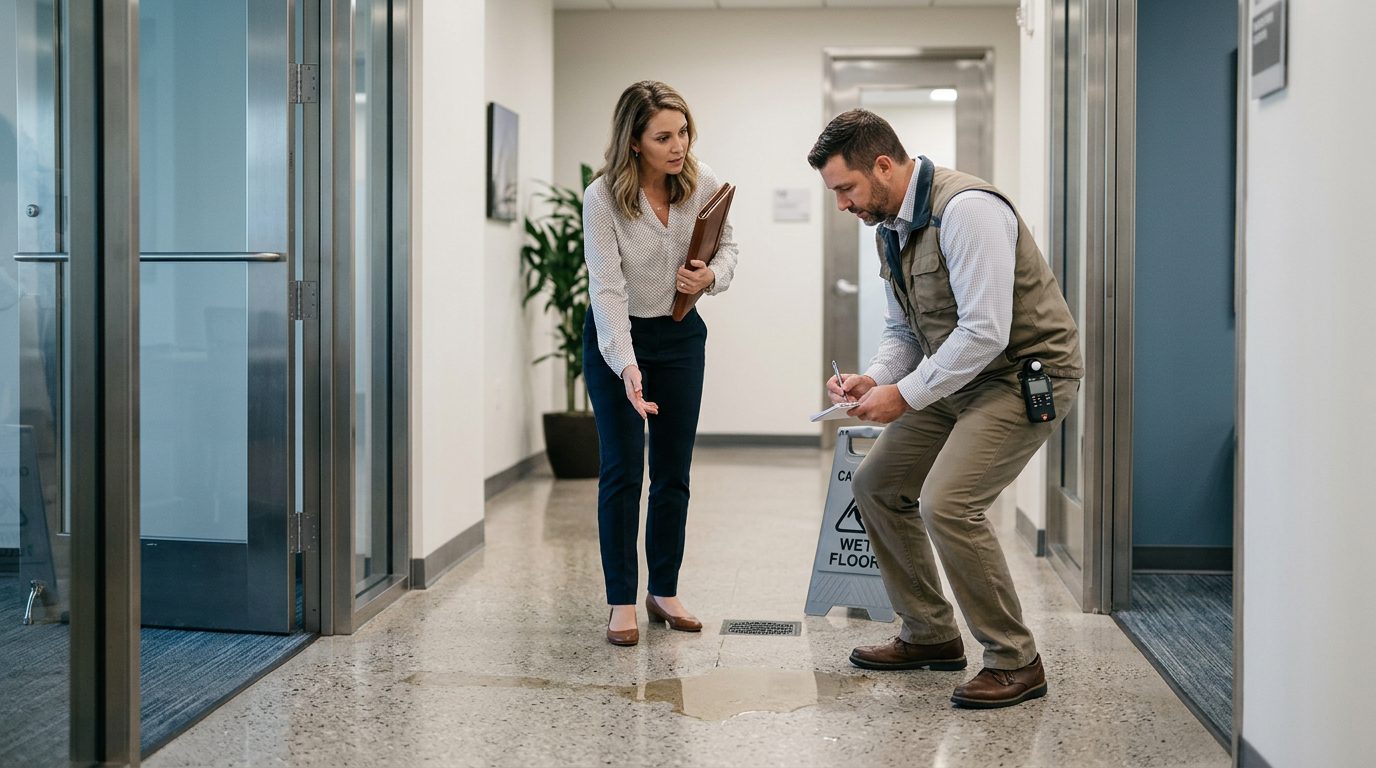
Slip and Fall | Pace, Florida
Hurt on Someone Else's Property?
A slip, trip or fall in a store, restaurant, parking lot or apartment building can change your life. CHG Personal Injury Lawyers helps injured people and their families across Florida understand their options and what comes next.
Why people contact CHG
Florida
Florida-based personal injury firm
Licensed
Attorneys admitted to The Florida Bar
Free
Confidential first consultation
No fees
Unless there is a recovery
By CHG Lawyers · Published October 20, 2026
Slip and Fall Lawyers in Florida: Florida Premises Rules
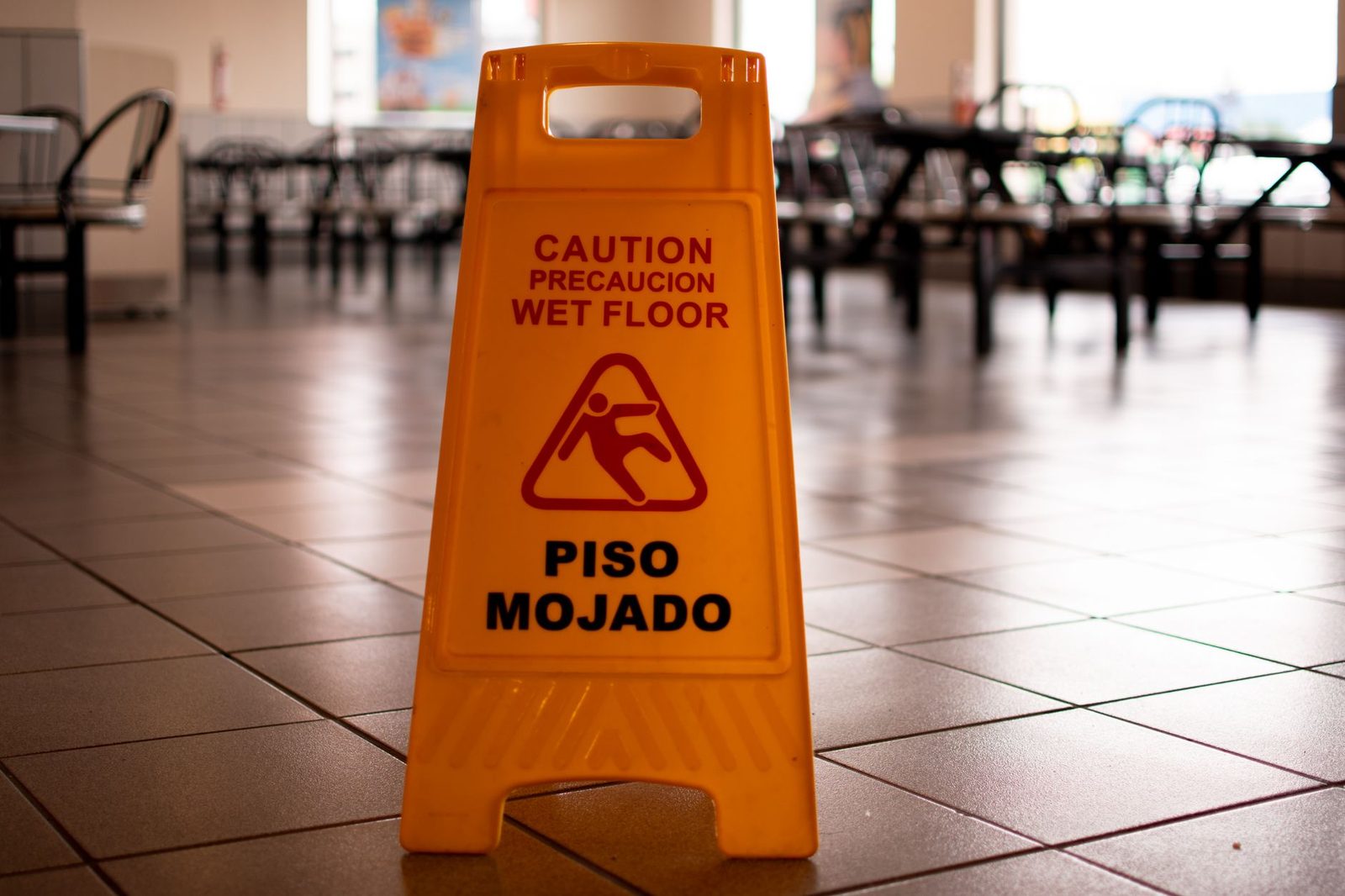
Not sure what your next step is?
Talk it through with our team — the first consultation is free, confidential, and carries no obligation.
If You Were Hurt in a Slip and Fall in Florida
Talking with the lawyers at CHG Personal Injury Lawyers can clarify your options: you may have a claim against a property owner if your fall was connected to an unsafe condition the owner did not address. Whether you do depends on the facts of your case, and no result can be promised.
Maybe you slipped on a store floor somewhere in Florida. Maybe you tripped on steps at an apartment building or a cracked spot in a parking lot. Now you’re sore, worried about bills, and asking what went wrong. That’s a hard place to be.
This page explains in plain words how Florida looks at these falls. It covers lighting, working fixtures, floor conditions, and maintenance records. It also covers Florida’s filing deadlines and fault rules, which have limits you should understand. A slip and fall lawyer can review those rules against your facts. This page is general information, not advice for your case.
How Florida Premises Liability Generally Works
Premises liability is the area of law about a property owner’s duty to keep its property reasonably safe.
Fla. Stat. § 768.0755 covers falls on a “transitory foreign substance” in a business establishment, such as a spill. The injured person must prove the business had actual or constructive knowledge of the condition and should have acted to fix it. Whether the business knew, or should have known, about the dangerous condition is often a central question in these cases. Constructive knowledge may be shown when the condition lasted long enough that a business using ordinary care should have found it. It may also be shown when the condition happened often enough to be foreseeable.
The same statute says it does not affect any common-law duty of care owed by a person or entity in possession or control of a business premises, so it does not change the common-law duty of care owed by a business that controls its premises. Why you were on the property may also matter.
How Lighting May Be Relevant Evidence
Lighting may be relevant when a fall happened in a dark walkway, stairway, parking area, or entrance. Whether it played a role depends on the facts.
Useful details can include a burned-out fixture, a dark stretch of a parking lot, or a timer that did not switch on. Photos taken soon after the fall can show the area as it looked. Write down the time of day, the weather, and what you could see.
A dark condition may connect to the “constructive knowledge” question. If a light had been out for a long time, the owner may have had a chance to notice it. Whether that’s true depends on the evidence, such as records of when the light was last checked. Keep your shoes and clothing, and don’t clean or throw them away before someone has looked at them.
Why Working Fixtures and Floor Conditions May Matter
Working fixtures and floor conditions matter because they bear on whether a hazard was reasonably prevented. Common examples include a loose handrail, cracked or raised flooring, an uneven step, a missing mat, or a wet, slick surface.
Several facts can shape how a condition is judged. How visible it was, how long it was there, and where it sat can all bear on what an owner knew or should have known. The transitory-substance statute asks similar questions about time and foreseeability.
A condition being present does not, by itself, prove the owner was careless. Each case is judged on its own record. Keep your description factual. Say what you saw and felt, and describe what you were doing, since your own actions may also be part of the review.
Have questions about what happened?
Ask our team directly. The first conversation is free, confidential, and there is no obligation to continue.
What Maintenance Logs and Inspection Records Can Show
Maintenance logs, cleaning schedules, work orders, and inspection checklists show how a property was kept. They may bear on whether the owner exercised reasonable care.
Gaps in cleaning entries, repair requests that went unanswered, or earlier complaints about the same spot may matter. These records can help show whether a hazard was known or was checked on a schedule. Not every business keeps them, and what exists depends on the situation.
A lawyer may request records through the legal process where appropriate. What those records show is not known in advance. A complete log may also support the owner’s side. Bring any paperwork you have to a consultation so the full picture can be reviewed.
Steps That May Help Protect Your Evidence After a Fall
Your health comes first. Get medical care for your injuries and follow your providers’ advice. Your medical records also document what happened.
Other steps may help. Photograph the area, the spot where you fell, and the shoes you wore. Write down the names and phone numbers of anyone who saw the fall. Ask the business for an incident report, and keep a copy. Keep every medical record, bill, and receipt. Also keep notes about work you missed or daily tasks you can’t do.
Be careful with statements. Words said to the property owner or its insurer can affect a claim, so think before giving a recorded statement. An insurer represents its own interests, not yours. A conversation with a lawyer can help you understand your options before you decide what to say.
These steps may be helpful. They are not requirements, and their effect depends on the facts.
Florida Deadlines and Comparative Fault: Important Limits
See Fla. Stat. § 95.11. Exceptions exist, and the answer depends on your case.
The date a claim accrues matters. Under Fla. Stat. § 95.031, a cause of action accrues when the last element constituting the cause of action occurs, except as provided in subsection (2) and in s. 95.051 and elsewhere in these statutes.
Under Fla. Stat. § 768.81(2), contributory fault chargeable to the claimant diminishes proportionately the amount awarded for an injury attributable to the claimant’s contributory fault, but does not bar recovery, subject to subsection (6). If you were partly at fault, Florida’s comparative fault rule may reduce what you can recover, and if you are found more than 50 percent at fault for your own harm, you may not recover any damages.
Missed deadlines may affect a claim, depending on the circumstances. Checking your deadline early is wise.
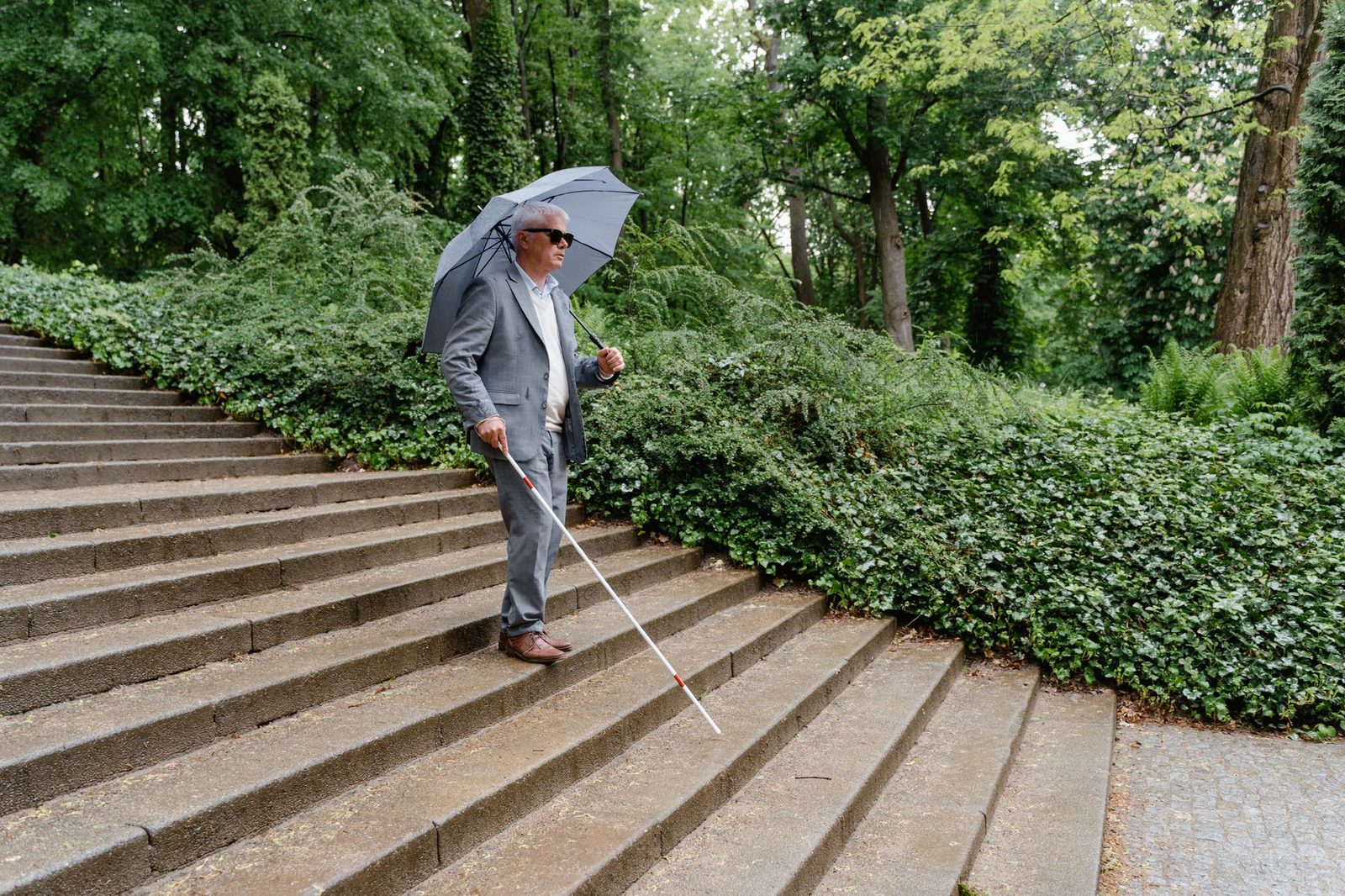
Talk With Igor Hernandez About Your Slip and Fall
If you were hurt on someone else’s property, you can share your facts with a Florida personal injury lawyer. That conversation can show how Florida law may apply to your fall. Igor Hernandez is the responsible lawyer for this page. He is licensed in Florida and is a member of The Florida Bar.
CHG Personal Injury Lawyers focuses on catastrophic injury claims, including truck accidents and cases where someone was attacked on another person’s property. The firm is Florida-based.
CHG no cobra honorarios de abogado ni costos del caso si no hay recuperación.
(English: CHG charges no attorney’s fees and no case costs unless there is a recovery.)
The first consultation is free, confidential, and comes with no obligation to continue. Results depend on the facts of each case, and no outcome can be promised.
If you’re ready to talk about your fall, contact CHG Personal Injury Lawyers to request your free consultation.
Frequently Asked Questions
Can I make a claim after slipping in a store in Florida?
You may have a claim if the fall was connected to an unsafe condition the owner did not address. Results depend on the facts.
Does poor lighting matter in a slip and fall?
It may be relevant evidence, depending on the facts. Lighting is one of many factors that may be reviewed in a case, and each case depends on its own facts.
Check your timeline early.
Can I recover if I was partly at fault?
Under Florida law, contributory fault chargeable to the claimant diminishes proportionately the amount awarded as economic and noneconomic damages for an injury attributable to the claimant’s contributory fault, but does not bar recovery, subject to subsection (6), which provides that in a negligence action to which this section applies, any party found greater than 50 percent at fault for his or her own harm may not recover any damages, except for an action for personal injury or wrongful death arising out of medical negligence under chapter 766 (Fla. Stat. § 768.81).
Want to know where you stand?
Tell us what happened and our team will walk you through the options available to you, at no cost.
What to do after a fall
Get medical care first
Some injuries, such as head injuries or back and neck injuries, may not show symptoms right away. Follow your doctor's care and keep every appointment.
Document the scene
Photos of the spot, the lighting, the floor or walkway, and any warning signs can be valuable. Write down what happened while the details are fresh.
Note the witnesses
Names and phone numbers of employees, customers or passersby can help explain how the fall happened.
Keep your records
Save incident reports, medical bills, receipts and any letters from the property owner or insurance company.
Be careful with insurance adjusters
An insurance company may ask for a recorded statement soon after a fall. Before you give one or sign any papers, consider speaking with a lawyer who can explain your situation.
Common slip and fall situations
Wet or slippery floors
Spills, freshly mopped floors or missing wet-floor signs in stores, restaurants and offices can lead to serious falls.
Poor lighting
Dark stairwells, parking garages and walkways can hide hazards. Lighting is one of many factors reviewed when a fall is investigated.
Broken or uneven surfaces
Cracked pavement, torn carpeting, loose tiles and potholes in parking lots can cause trips that lead to fractures and head injuries.
Missing handrails and unsafe stairs
Stairs without railings, or with worn or uneven steps, can turn an ordinary walk into a fall with lasting injuries.