

Slip and Fall | Florida
Slip and Fall Settlement Value & When to Hire a Lawyer in Florida
Understand what your injury claim may be worth and when you need legal help to recover fair compensation.
By CHG Lawyers · Published October 03, 2026
Slip and Fall Lawyer in Florida: When to Hire & What Your Claim Is Worth
You don’t always need a slip and fall lawyer. But often you do. The difference can mean thousands of dollars in your pocket. Understanding your claim value and whether you have a case starts with knowing when a lawyer matters most.
Critical deadline: You have two years from your injury date to file a lawsuit in Florida. Miss this deadline and you lose your claim. Don’t delay if you’re considering legal action.

If you're injured due to an unsafe condition the owner knew about or should have known about, the owner may be liable for your damages. Talk it through with our team — the first consultation is free, confidential, and carries no obligation.
What Is a Slip and Fall Case?
A slip and fall case is a premises-liability claim. You were injured on someone else’s property—a store, restaurant, apartment complex, parking lot, hotel, or business. The property owner knew (or should have known) about an unsafe condition.
Under Florida law, property owners must keep their premises safe. They must warn visitors of known hazards. Common hazards include:
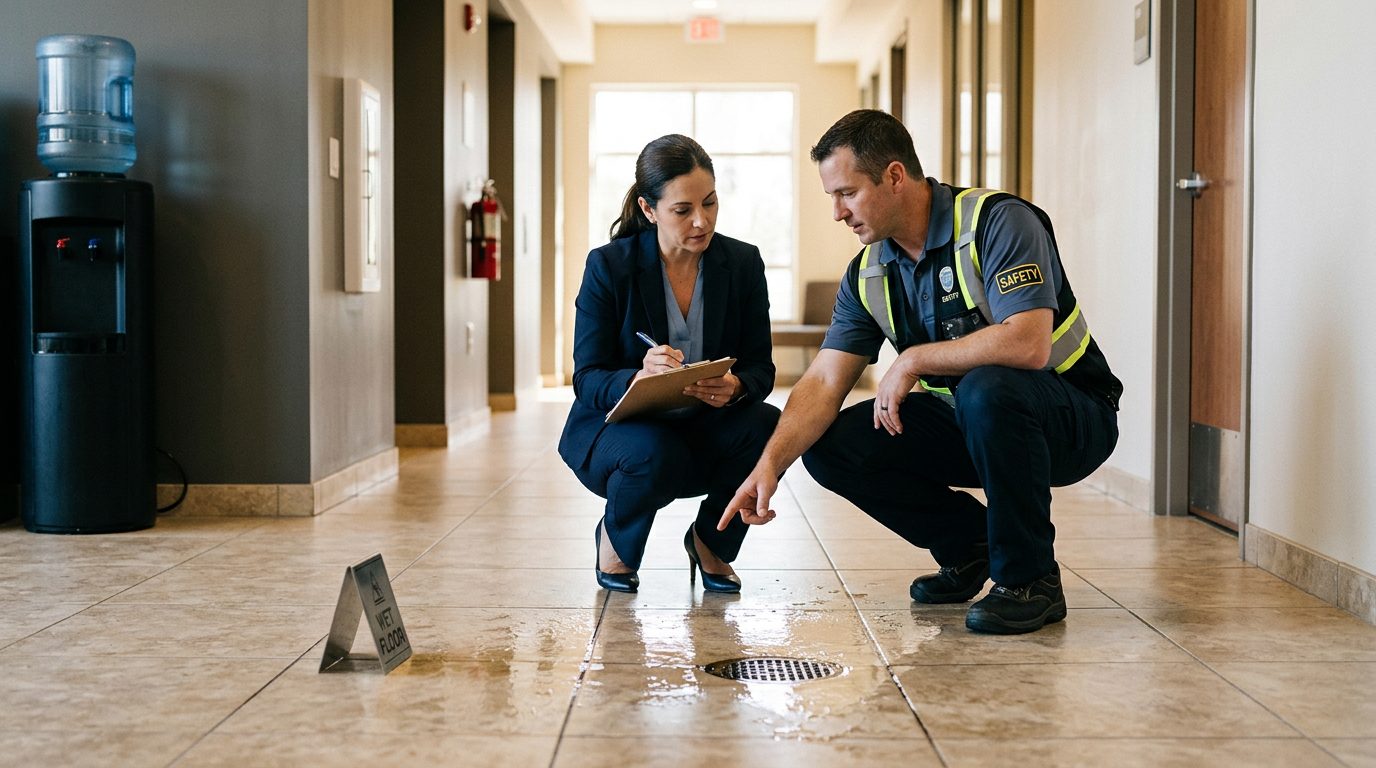
- Wet floors without warning signs
- Broken stairs
- Poor lighting
- Debris
- Torn carpeting
- Poor maintenance
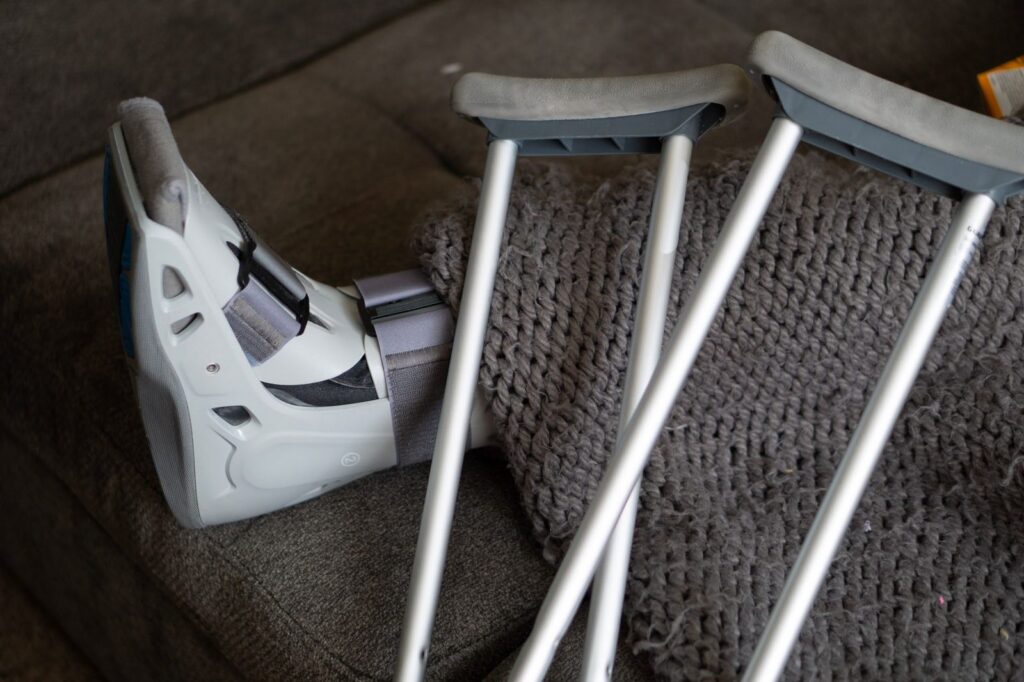
Your injuries may range from minor bruises to serious fractures, head injuries, or spinal damage causing permanent disability. Injury severity directly affects whether you need a lawyer and what your claim is worth.
When Do You Need a Slip and Fall Lawyer?
Hire a lawyer if your injuries are moderate to serious, liability is disputed, or the insurance company is resisting your claim.
Minor injuries with clear liability: You may handle a small claim yourself. But a lawyer prevents costly mistakes—like accepting a lowball offer or damaging your claim with a careless statement.
Moderate to serious injuries: Broken bones, head injuries, ongoing pain, or medical bills over several thousand dollars warrant legal help. Insurance adjusters minimize payouts to people without lawyers.
Disputed liability: If the property owner denies fault or claims you were careless, you need a lawyer. Proving negligence requires evidence—photos, witness statements, maintenance records. Without legal knowledge, you’ll likely lose.
Long-term or permanent effects: Ongoing treatment, lost wages, reduced earning capacity, or chronic pain make your case worth significantly more. A lawyer ensures all future costs are included.
Insurance company resistance: If the insurer lowballs, denies, or refuses fair negotiation, a lawyer levels the playing field.
Complex facts: Multiple parties, unclear responsibility, or questions about maintenance records require legal help.
How Are Slip and Fall Settlement Values Determined?
Settlement amounts vary widely. Several factors determine your claim value:
Medical expenses: All past and reasonably anticipated future treatment costs—doctor visits, imaging, surgery, physical therapy, medications, and ongoing care.
Lost wages: Income lost while recovering and unable to work. This includes reduced earning capacity if the injury affects your long-term work ability.
Pain and suffering: Compensation for physical pain, emotional distress, and reduced quality of life. This is often a multiple of medical expenses based on injury severity.
Permanent impairment: Lasting disability, disfigurement, or chronic pain substantially increases settlement value.
Liability strength: How clear the property owner was at fault. Strong evidence—photos, witness statements, maintenance records—increases settlement value.
Comparative negligence: This is crucial. Florida follows a modified comparative-fault rule under Fla. Stat. § 768.81. You can recover damages even if you were partially at fault, as long as you’re 50% or less at fault. Your settlement is reduced by your percentage of fault.
Example: If you’re 20% at fault and your claim is worth $50,000, you recover $40,000. This protects you even if the property owner argues you were careless.
Insurance policy limits: The maximum the defendant’s insurance will pay. If damages exceed the limit, you may pursue the property owner personally, though this is often difficult.
What Is a Good Settlement Offer?
There’s no single “average” slip and fall settlement in Florida. Here’s a realistic framework:
Minor injuries with clear liability: $1,000–$10,000. These involve minor bruises, sprains, or small medical bills with obvious property-owner fault.
Moderate injuries (fractures, significant soft-tissue damage): $10,000–$50,000. These involve surgery, extended recovery, ongoing treatment, or multiple medical providers.
Serious injuries (head trauma, spinal damage, permanent disability): $50,000–$300,000 or more. These involve catastrophic, life-altering injuries with ongoing medical needs, lost earning capacity, and permanent functional impairment.
A good settlement covers all documented medical expenses, lost income, and reasonable pain-and-suffering compensation. Red flags include offers that ignore ongoing treatment, future medical needs, or the full extent of your injuries.
A lawyer with slip and fall experience can evaluate whether an offer is fair and negotiate on your behalf.
Is It Worth Suing for a Slip and Fall?
Yes, if your injuries justify the time and cost. Consider your medical bills, lost wages, pain and suffering, and case strength.
Most slip and fall cases settle without trial, saving time and money. Most slip and fall attorneys work on contingency—no upfront fee. They’re paid only if you recover. This removes the financial barrier and aligns the attorney’s interests with yours.
Even without pursuing a full lawsuit, a lawyer can negotiate with the insurance company and often recover far more than you would alone.
If you've slipped and fallen on someone else's property in Florida and suffered an injury, you may have a valid claim. Talk it through with our team — the first consultation is free, confidential, and carries no obligation.
How Long Does Settlement Take?
Timeline depends on injury severity, medical treatment, and whether liability is clear.
Simple cases with minor injuries: 3–6 months. These settle quickly once medical treatment ends and liability is obvious.
Moderate cases: 6–12 months. These require more investigation, medical documentation, and negotiation.
Complex cases or those requiring trial: 1–3 years or longer. Court cases extend timelines significantly.
A lawyer with slip and fall experience moves the process forward efficiently without sacrificing claim value.
How Can a Slip and Fall Lawyer Help You?
Investigate the accident. Your lawyer gathers evidence—photos, witness statements, maintenance records, incident reports—proving the property owner was negligent.
Document your injuries. Your lawyer coordinates medical treatment and builds a complete damage record, ensuring nothing is overlooked.
Handle insurance negotiations. Adjusters have years of experience with unrepresented claimants. Your lawyer communicates on your behalf so you don’t accidentally harm your claim.
Calculate fair compensation. Lawyers value pain and suffering, future medical costs, and lost earning capacity. All past and future costs are included.
Protect your rights. The property owner and insurer have lawyers; you should too. Your lawyer levels the playing field.
Prepare for trial if needed. Most cases settle, but your lawyer is ready for court if negotiation fails.
What Evidence Strengthens Your Claim?
Gather and preserve this evidence immediately after your fall:
- Photos or video of the hazardous condition (wet floor, broken stairs, debris, poor lighting)
- Witness statements from people who saw what happened or the condition
- Medical records documenting injuries, treatment, and prognosis
- Proof of lost wages (pay stubs, employer statements, tax returns)
- Property maintenance records or prior complaints about the same hazard
- Incident reports filed with the property owner or manager
- Your account of what happened, documented as soon as possible
Strong evidence directly correlates with higher settlement values and faster resolution. Learn more about how to document injury evidence to protect your claim.
What If You’re Partially at Fault?
This is one of Florida’s most important protections. Under Florida’s comparative-negligence statute (Fla. Stat. § 768.81), you can recover even if you were partly responsible. Your settlement is reduced by your percentage of fault—but you can still recover if you’re 50% or less at fault.
Example: If you’re 20% at fault and your claim is worth $50,000, you recover $40,000. A lawyer can argue that the property owner bears most or all responsibility, maximizing your recovery.
Many people worry they won’t have a case if they were even slightly careless. Florida law protects you in that situation.
Your Two-Year Filing Deadline
For most Florida negligence and personal-injury claims, the deadline to file a lawsuit is two years from your injury date. This deadline is established in Fla. Stat. § 95.11. This deadline is strict—miss it and you lose your right to sue.
You don’t need to file a lawsuit within two years; most cases settle before trial. But contact a lawyer well before the deadline to preserve your claim and begin investigation.
Not sure what your next step is?
Talk it through with our team — the first consultation is free, confidential, and carries no obligation.
Frequently Asked Questions
What is premises liability?
Premises liability is the legal responsibility of a property owner to maintain safe premises and warn visitors of known hazards. If you’re injured due to an unsafe condition the owner knew about or should have known about, the owner may be liable for your damages. For more details, see premises liability explained.
Can I sue if I slipped on a wet floor without a warning sign?
Yes, if the property owner didn’t place a warning sign and the wet floor was a known hazard. This is a strong premises-liability claim.
Do I need a lawyer if the property owner’s insurance has already contacted me?
Yes. Insurance adjusters are trained to minimize payouts. A lawyer protects your rights and ensures you don’t accidentally say something that damages your claim.
What if the property owner claims I was trespassing?
If you were lawfully on the property as a customer, tenant, or invited guest, you have premises-liability protections. A lawyer can defend against this claim.
How much does it cost to hire a slip and fall attorney?
Most slip and fall attorneys work on contingency—no upfront cost. They’re paid only if you recover, and their fee typically comes from your settlement or judgment.
Key Takeaways
You don’t always need a slip and fall lawyer. But often you do. If your injuries are moderate to serious, liability is disputed, or the insurance company is resisting your claim, hiring a lawyer is essential.
Florida slip and fall settlements range from thousands of dollars for minor injuries to hundreds of thousands for serious or permanent injuries. The exact amount depends on medical expenses, lost wages, pain and suffering, liability strength, and your percentage of fault.
You can recover in Florida even if you were partially at fault—a major advantage that protects you if the property owner tries to blame you. You have two years from your injury date to file a lawsuit. Most slip and fall attorneys work on contingency—no cost unless you recover.
If you’ve slipped and fallen on someone else’s property in Florida and suffered an injury, you may have a valid claim. Contact CHG Personal Injury Lawyers for a free case evaluation to discuss what happened and understand your options. Our team focuses exclusively on personal injury claims and is ready to help you recover the compensation you deserve.
What Affects Slip and Fall Settlement Value
Severity of Your Injury
Medical bills, ongoing treatment, and permanent damage determine much of your claim's value. A broken bone, spinal injury, or head trauma is worth more than a minor bruise.
Liability & Negligence
Did the property owner know about the hazard or should they have known? Was there a warning sign? How long had the danger existed? Stronger negligence = higher settlement.
Lost Income & Future Earnings
If you missed work or can no longer earn at the same level, those losses are part of your claim. Permanent disability multiplies this value.
Insurance Coverage & Limits
The property owner's liability insurance policy sets a ceiling on recovery. A business with robust coverage can pay more than one with minimal limits.
Act Quickly—Time Matters
Florida law sets strict deadlines for filing slip and fall claims. Waiting too long can cost you your right to recover. The sooner you report the incident and document the scene, the stronger your case.
When You Should Hire a Lawyer
Your Injury Is Serious
Broken bones, head injuries, spinal cord damage, or any permanent impairment warrant legal representation. Insurance companies pay more when an attorney is involved.
The Property Owner Denies Responsibility
If the business claims you were careless or that no hazard existed, you need someone to investigate, gather evidence, and prove negligence on their part.
Your Medical Bills Exceed a Few Thousand Dollars
Once treatment costs climb, the claim becomes complex. A lawyer can calculate your full damages—past and future—and negotiate aggressively.
You're Offered a Settlement Quickly
Fast offers are often low-ball offers. An attorney reviews whether the amount truly covers your injury, lost wages, and long-term care needs.
Why You Need a Lawyer for Slip and Fall Claims
We Handle Insurance Companies
Adjusters are trained to minimize payouts. We negotiate on your behalf and push back against unfair offers.
We Investigate & Gather Evidence
We obtain security footage, maintenance records, incident reports, and witness statements—evidence that proves the owner's negligence.
We Calculate Your True Damages
Medical costs, lost wages, pain and suffering, and future care needs add up fast. We make sure nothing is left out of your claim.
We Know Florida Law
Premises liability rules, comparative negligence, and filing deadlines vary. Our experience ensures your claim is handled correctly and on time.