

Slip and Fall Attorney | Tampa
Slip and Fall Settlements in Tampa: What Your Claim May Be Worth
From minor injuries to catastrophic harm, we help Tampa residents recover fair compensation when negligence on someone else's property causes injury.
By CHG Lawyers · Published September 30, 2026
Slip and Fall Settlement Examples in Florida: What Your Claim Is Worth
You fell on someone else’s property. You were hurt. The owner didn’t fix the hazard, didn’t warn you about it, or didn’t maintain the space properly. Now you’re wondering: do I have a claim, and what is it worth?
The answer depends on three things: how badly you were injured, whether the property owner was negligent, and what evidence you have to prove it. Slip and fall settlements in Florida range from a few thousand dollars for minor injuries to hundreds of thousands for permanent, life-altering harm. Understanding how premises liability works—and recognizing that a fall can cause catastrophic injury, not just minor bruises—helps you decide whether pursuing a claim makes sense.
If you've slipped and fallen on someone else's property and you're trying to understand whether you have a claim, we're here to help. Talk it through with our team — the first consultation is free, confidential, and carries no obligation.
What Is Premises Liability? (In Plain Language)
Premises liability is the legal responsibility of a property owner to keep their property reasonably safe for people who are lawfully there. If you slip and fall because the owner failed to maintain safe conditions, failed to warn you about a known hazard, or failed to fix a problem they knew about, you may have a premises liability claim.
This applies to apartments, grocery stores, restaurants, parking lots, hotels, offices, retail shops, and any other property where the public or residents are invited. The owner’s duty is straightforward: fix hazards, warn visitors about them, or protect visitors from them.
When Does a Property Owner Owe You a Duty of Care?
A property owner owes you a duty of care if you were lawfully on their property—as a customer, resident, tenant, or invited guest. Your legal status matters:
- Customers and residents receive the highest level of protection. The owner must maintain safe conditions and warn of hazards.
- Social guests receive moderate protection.
- Trespassers receive minimal protection.
The clearer your invitation to be there, the stronger your claim.
The owner must know—or reasonably should know—about a hazard. This could be a wet floor, a broken step, debris, poor lighting, a missing handrail, or a pothole. If they knew about it (or should have discovered it through reasonable inspection) and failed to fix it, warn you about it, or clean it up within a reasonable time, and that caused your fall and injury, you likely have a claim.
Why Slip and Fall Injuries Matter: From Minor to Catastrophic
Most people think of slip and falls as minor incidents—a bruise, a sprain, a few days of discomfort. But a fall can cause catastrophic, permanent injury.
A slip on a wet floor can result in a spinal cord injury, leaving you paralyzed. A fall down stairs can cause a traumatic brain injury with lifelong cognitive and physical effects. A fall onto concrete can fracture your hip or spine, requiring surgery and months of recovery—or leading to permanent disability. An elderly person’s fall can trigger a cascade of complications: surgery, infection, loss of independence, and early death.
This firm focuses on catastrophic injuries—the life-altering outcomes that change everything. While all slip and falls are in scope, we bring deep experience with the most severe cases: the families navigating permanent paralysis, the individuals learning to live with amputation or severe burns resulting from a fall, the loved ones left behind after a fatal fall. If your slip and fall resulted in serious, permanent injury, you deserve representation that understands the full scope of what you’ve lost.
How Much Are Slip and Fall Settlements in Florida?
Settlement amounts vary based on injury severity, medical costs, lost wages, and how clearly you can prove the owner’s negligence. Here’s what typical ranges look like:
Minor injuries (sprains, small cuts, brief treatment): $2,000–$10,000
Moderate injuries (fractures, ongoing physical therapy, weeks or months off work): $10,000–$50,000
Severe injuries (permanent disability, multiple surgeries, long-term medical care, inability to return to work): $50,000–$500,000+
Catastrophic injuries (spinal cord injury with paralysis, traumatic brain injury, amputation, permanent impairment requiring lifetime care): $500,000 and above
These ranges reflect medical bills, lost wages, pain and suffering, and permanent effects. No two cases are identical. Your settlement depends on your specific injury, the strength of your evidence, and the circumstances of the fall.
What Factors Increase Settlement Value?
Several factors push your settlement higher:
Clear negligence. If the owner knew about the hazard and did nothing—a wet floor left unattended for hours, a broken railing ignored for months, a stairwell left dark despite prior complaints—your claim is stronger. Documentation of prior complaints or repeated incidents at the same location is powerful evidence.
Documented medical treatment. Hospital records, imaging studies (X-rays, CT scans, MRIs), surgery reports, and ongoing care establish injury severity and permanence. Medical documentation is essential to proving damages.
Long-term or permanent effects. Chronic pain, mobility loss, scarring, permanent disability, or inability to return to your prior job significantly increases settlement value. A fall that leaves you unable to work, unable to care for yourself, or dependent on others is worth substantially more than a fall with temporary effects.
Lost income. Wages you lost during recovery, plus reduced earning capacity if your injury prevents you from returning to your prior job, are recoverable. If you earned $60,000 per year and cannot work for six months, that’s $30,000 in lost wages alone.
Prior complaints or violations. Evidence the owner ignored earlier reports of the same hazard shows negligence. A wet floor that happens repeatedly, a broken step that residents reported months earlier, or a dark stairwell that was the subject of prior complaints—all show the owner knew and failed to act.
Witness statements. Corroboration from people who saw the fall, the hazard, or the owner’s failure to address it strengthens your case.
Video or photos. Visual evidence of the dangerous condition at the time of your fall is powerful proof.
Real-World Slip and Fall Settlement Examples
Example 1: Grocery store slip with fracture. A customer slips on an unmarked spill near the produce section and fractures her wrist. She requires surgery and eight weeks of physical therapy. Medical bills total $18,000. She loses six weeks of wages ($6,000). The store had no warning sign and no evidence of cleaning or inspection. Settlement: $35,000.
Example 2: Apartment stairwell fall with multiple fractures. A resident falls on a broken exterior step in a poorly lit stairwell. He breaks his ankle and leg, requiring surgery and six months of recovery. Medical bills are $32,000. He loses four months of wages ($16,000). The landlord ignored prior written complaints about the step from other residents. Settlement: $85,000.
Example 3: Restaurant slip with permanent knee injury. A visitor slips on grease near the kitchen and suffers a severe knee injury requiring multiple surgeries. She has permanent mobility limitations and cannot return to her prior job as a nurse. Medical bills exceed $55,000. Lost earning capacity over her remaining career is substantial. Settlement: $150,000+.
Example 4: Hotel fall with hip fracture and permanent disability. An elderly person falls on a wet floor with no warning sign and suffers a hip fracture requiring surgery. She requires long-term assisted living and in-home care. Medical and care costs exceed $75,000. Her independence is permanently lost. Settlement: $120,000+.
These examples show how injury severity, medical evidence, and clear negligence drive settlement value. Your case depends on your specific injury, the medical evidence supporting it, and how clearly you can prove the owner’s negligence.
Not sure what your next step is?
Talk it through with our team — the first consultation is free, confidential, and carries no obligation.
Understanding Florida’s Comparative Fault Rule
Florida law recognizes comparative negligence: if you were partly at fault for your fall, you can still recover—but your award is reduced by your percentage of fault.
For example: You slip on a wet floor in a grocery store. The store failed to put up a warning sign or clean the spill. But you were wearing inappropriate shoes with no traction, and you were looking at your phone instead of watching where you were walking. A jury might find the store 70% at fault and you 30% at fault. If your total damages are $50,000, you would recover $35,000 (70% of $50,000).
Critical rule: If you are found more than 50% at fault, you recover nothing. You lose your entire claim. This is why evidence matters: clear proof that the owner’s negligence—not your conduct—caused the fall strengthens your position.
The Two-Year Deadline: Why Urgency Matters
Florida law gives you two years from the date of your injury to file a lawsuit (Fla. Stat. §95.11). If you miss this deadline, your claim is barred forever. You lose the right to sue, period.
This deadline is absolute. It doesn’t matter if you were unaware of your legal rights, if you were focused on recovery, or if you thought the property owner’s insurance would handle everything. Missing the deadline means losing your claim entirely.
Waiting also costs you evidence. Witnesses move away or forget details. Video footage is deleted. Maintenance records are discarded. The hazard is fixed. Memories fade. The sooner you document what happened and consult with an attorney, the stronger your case.
How to Prove a Slip and Fall Claim
To win a slip and fall claim, you must prove four things:
(1) The property owner owed you a duty of care. You were lawfully on their property as a customer, resident, or invited guest.
(2) The owner breached that duty. They failed to maintain safe conditions, failed to warn you about a hazard, or failed to fix a known problem.
(3) That breach caused your fall. The hazard—the wet floor, the broken step, the poor lighting—directly caused you to fall.
(4) You suffered injury and damages. You have medical bills, lost wages, pain and suffering, or permanent effects.
The legal standard is “preponderance of the evidence”—more likely than not. You don’t need to prove your case beyond a reasonable doubt (that’s the criminal standard). You need to show it’s more likely than not that the owner was negligent.
Difficulty depends on your evidence. Clear negligence (a wet floor unattended for hours, a broken step ignored despite prior complaints, a dark stairwell in violation of building code) is stronger than ambiguous hazards. An “open and obvious” hazard—one that any reasonable person would see and avoid—is harder to prove, though not impossible if the owner had a duty to warn or fix it anyway.
What Evidence Strengthens Your Claim?
The foundation of a strong claim is evidence. Gather and preserve:
- Medical records: diagnosis, treatment, imaging (X-rays, CT scans, MRIs), surgery reports, and ongoing care
- Incident report: written documentation filed with the property owner at the time of the fall
- Photos or video: images of the hazard, the scene, your injuries, and the condition of the property
- Witness contact information: names and statements from people who saw the fall or the hazard
- Maintenance records: evidence the owner knew about the hazard, failed to inspect, or failed to clean or repair
- Prior complaints: reports from other people injured at the same location or complaints about the same hazard
- Your own records: diary entries, medical bills, pay stubs showing lost wages, receipts for treatment, and documentation of ongoing symptoms or limitations
Is It Worth Suing for a Slip and Fall?
Whether to pursue a claim depends on injury severity, medical costs, lost income, and negligence evidence. Minor injuries with low medical bills and no lost wages may not justify litigation time and cost. Moderate to severe injuries with clear negligence and documented damages are often worth pursuing.
Many slip and fall claims settle before trial, reducing time and expense. Property owners typically carry liability insurance; your claim is usually against their insurer, not the owner personally. An attorney can assess your situation, evaluate the strength of your evidence, and advise whether pursuing a claim makes financial and practical sense.
Next Steps If You’ve Been Injured
If you’ve slipped and fallen on someone else’s property, take these steps:
- Seek medical attention immediately, even if injuries seem minor. Some serious injuries don’t show symptoms right away.
- Report the incident to the property owner or manager in writing (email counts). Keep a copy.
- Take photos of the hazard, the scene, the lighting, and your injuries.
- Collect contact information from any witnesses.
- Keep all medical records, bills, and receipts related to your injury.
- Document lost wages and any ongoing symptoms or limitations.
- Do not sign anything or give a recorded statement to the property owner’s insurance without legal advice.
- Contact an attorney soon. The two-year statute of limitations deadline is absolute, and evidence degrades over time.

Have questions about what happened?
Ask our team directly. The first conversation is free, confidential, and there is no obligation to continue.
FAQ
How much do slip and fall settlements typically cost?
Settlements range from $2,000–$10,000 for minor injuries to $500,000+ for catastrophic injuries, depending on medical costs, lost wages, negligence evidence, and permanent effects.
What is the most common slip and fall settlement amount?
Moderate injuries with fractures, physical therapy, and some lost wages typically settle for $10,000–$50,000, but every case is different.
Can I recover if I was partly at fault?
Yes, under Florida’s comparative negligence rule. As long as you are 50% or less at fault, you can recover; your award is reduced by your percentage of fault. If you are found more than 50% at fault, you recover nothing.
How long do I have to file a lawsuit in Florida?
You have two years from the date of injury to file a lawsuit in Florida. After that, your claim is barred forever.
What evidence do I need?
Medical records, incident reports, photos of the hazard, witness statements, maintenance records, prior complaints, and documentation of lost wages all strengthen your claim.
Is it worth hiring an attorney?
An attorney can evaluate your case, negotiate with insurance, preserve evidence, and help you recover fair compensation—especially if your injuries are moderate to severe or negligence is clear. Given the two-year deadline and the complexity of premises liability law, early consultation is wise.
If you’ve slipped and fallen on someone else’s property and you’re trying to understand whether you have a claim, we’re here to help. People in your situation reach out to us regularly to discuss what happened and what their case might be worth. Contact us for a free case evaluation.
Settlement Range by Injury Severity
Minor Injuries
$2,000–$10,000. Sprains, minor fractures, or bruises with limited medical treatment and quick recovery. Settlements depend on medical bills and any lost wages.
Moderate Injuries
$10,000–$100,000. Fractures requiring surgery, extended physical therapy, or significant lost work time. Includes ongoing treatment costs and documented wage loss.
Severe & Catastrophic Injuries
$100,000–$500,000+. Permanent disability, spinal cord injury, traumatic brain injury, or amputation. Reflects lifetime medical care, lost earning capacity, and permanent life changes.
What Affects Your Settlement Value
Medical Evidence
Clear documentation of injury, treatment, and prognosis. Hospital records, imaging, and physician reports strengthen your claim's value.
Proof of Negligence
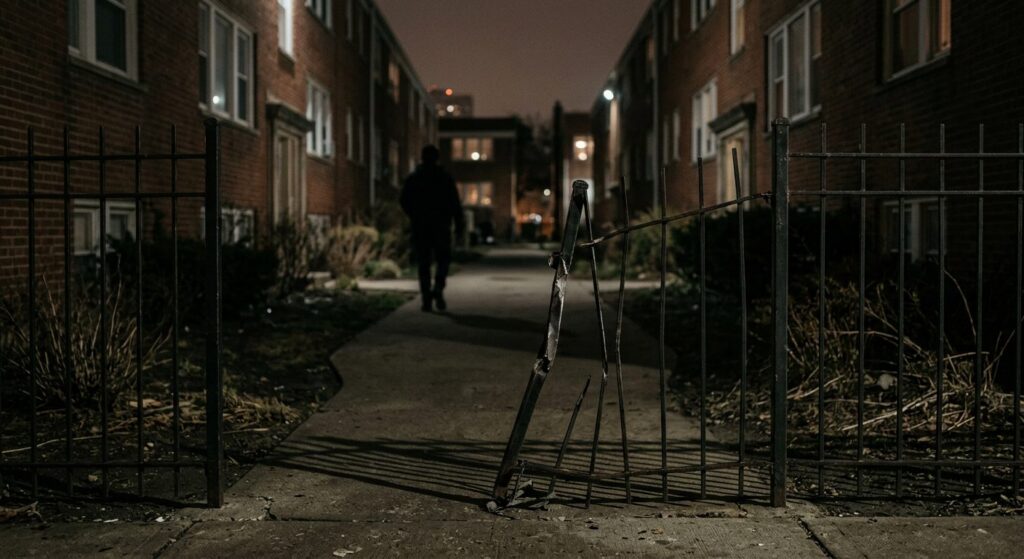
Evidence that the property owner failed to maintain safe conditions—poor lighting, broken stairs, wet floors without warning, or broken locks and gates.
Lost Income & Expenses
Documentation of wages lost during recovery and ongoing medical costs. The more you can prove you've lost, the higher your settlement claim.
Permanent Impact
If your injury causes lasting disability or chronic pain, settlements reflect the long-term effect on your quality of life and earning ability.
Time Matters
Evidence fades and memories dim. Photographs of the hazard, witness contact information, and incident reports should be gathered as soon as possible after a fall. The sooner you act, the stronger your case.
Common Tampa Slip and Fall Scenarios
Apartment Complex Falls
Broken stairs, inadequate lighting in hallways or parking areas, or negligent maintenance. Property owners have a duty to keep common areas safe.
Retail & Store Falls
Spilled liquids without warning signs, cluttered aisles, or broken flooring. Businesses must inspect regularly and warn customers of hazards.
Parking Lot & Garage Falls
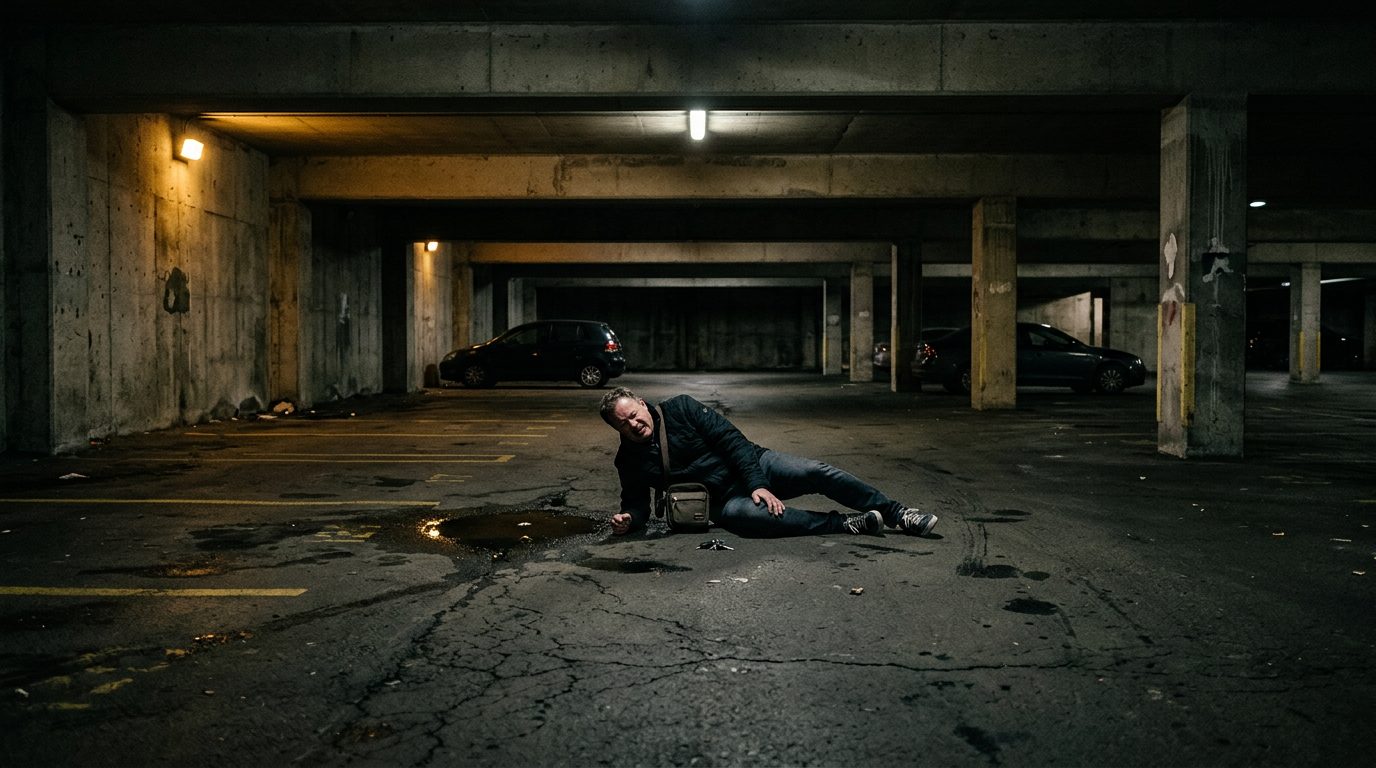
Cracked pavement, poor lighting, or missing handrails on ramps. Owners must maintain safe conditions and provide adequate security lighting.
Restaurant & Bar Falls
Wet floors, loose rugs, or inadequate lighting. Food service businesses have heightened duties to prevent slip hazards.
How CHG Personal Injury Lawyers Helps
We Investigate Thoroughly
We gather photos, video, maintenance records, and witness statements to build strong evidence of negligence on the property.
We Handle All Paperwork
From incident reports to settlement negotiations, we manage the legal process so you can focus on recovery.
We Negotiate Aggressively
We work with property owners' insurers to secure fair compensation based on your actual losses and injury severity.
We Understand Your Situation
A slip and fall can upend your life. We listen to your story and fight to recover what you've lost—medical bills, wages, and pain.