

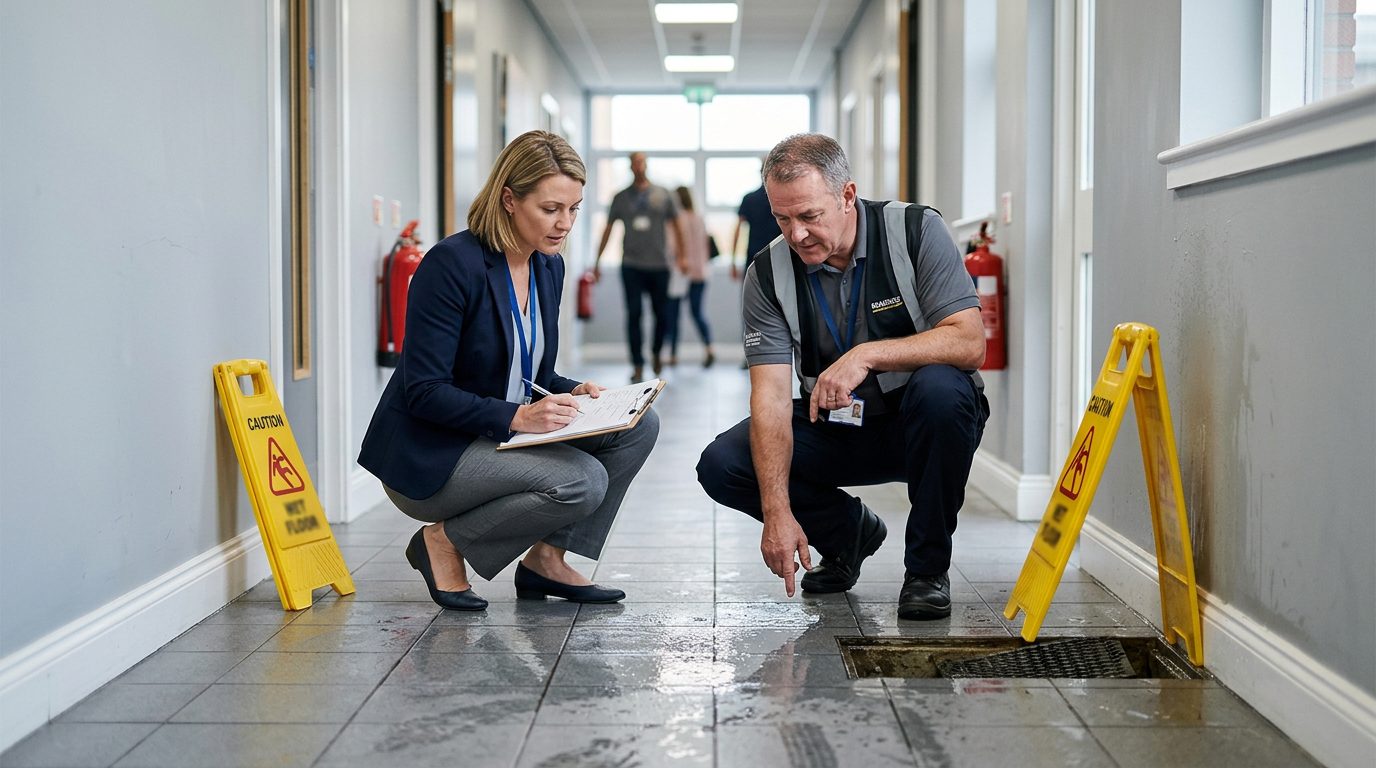
Slip and Fall Claims
Slip and Fall in Florida: Know Your Rights
If you were injured on someone else's property due to negligence, you may have a legal claim. Learn what you need to prove and how to protect your recovery.
By CHG Lawyers · Published September 20, 2026
Slip and Fall Claims in Florida: When a Fall Causes Catastrophic Injury
A slip and fall on someone else’s property can change your life instantly. Most people think of minor scrapes or bruises. But serious falls are different. A fall down stairs, a collapse on a wet floor, or a tumble in a dark parking lot can cause a spinal cord injury, paralysis, traumatic brain injury, permanent disability, or death.
If you or a family member suffered a serious fall on someone else’s property, you may have a legal claim against the property owner. This guide explains your rights under Florida law, what you must prove, the critical two-year deadline, and why immediate action and evidence preservation matter.
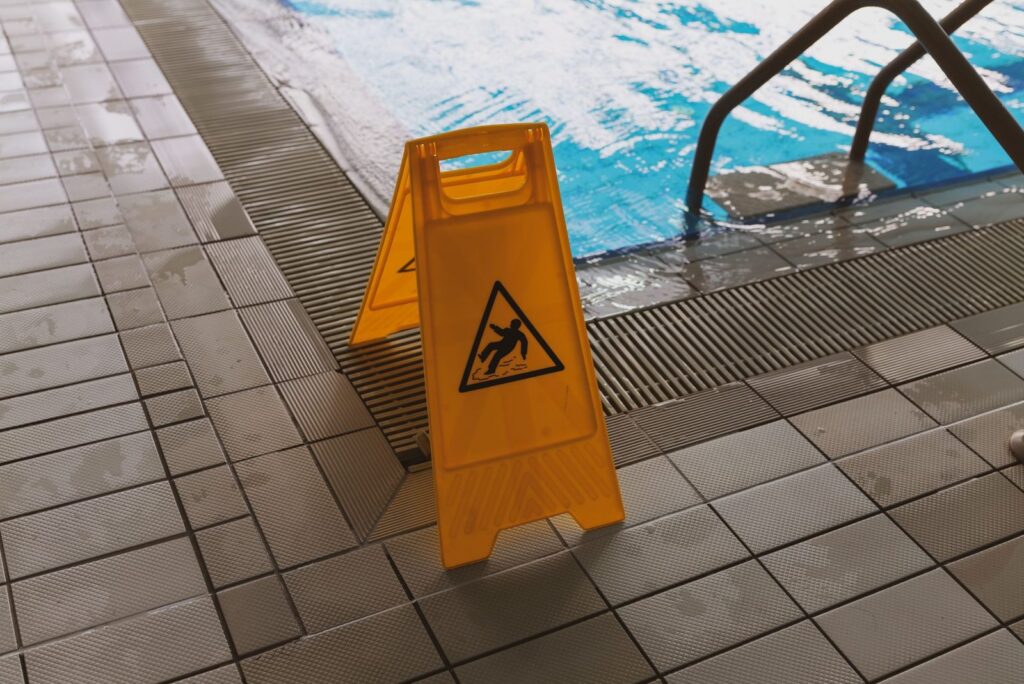
If you were injured on someone else's property due to negligence, you may have a legal claim. Talk it through with our team — the first consultation is free, confidential, and carries no obligation.
How a Slip and Fall Can Cause Catastrophic Injury
A “routine” fall can have life-altering consequences. Consider these real scenarios:
Spinal cord injury and paralysis: A fall down unlit stairs or a collapse on a slippery floor can injure your spinal cord. This can cause paraplegia (lower-body paralysis) or quadriplegia (all-four-limbs paralysis). The person may never walk again.
Traumatic brain injury: A fall on a hard surface—concrete, tile, or stairs—can cause a traumatic brain injury (TBI). Even without loss of consciousness, a TBI can cause memory loss, cognitive problems, personality changes, and permanent disability.
Severe fractures and amputation: A fall in a negligently maintained area can result in compound fractures requiring surgery, infection, or amputation.
Wrongful death: An elderly person or someone with fragile health can die from injuries sustained in a fall caused by a property owner’s negligence.
These outcomes are not rare. According to the Centers for Disease Control and Prevention (CDC), falls are the leading cause of unintentional injury death among adults aged 65 and older. Over 27,000 fatal falls occur annually in the United States. In Florida, where many residents are older adults, fall-related deaths are a significant public health concern.
The point is simple: a slip and fall is not a minor matter. If you or a loved one suffered a serious injury from a fall on someone else’s property, the law may entitle you to significant compensation.
Your Rights Under Florida Premises Liability Law
Florida law requires property owners to maintain their premises in a reasonably safe condition. This duty is called premises liability.
Under premises liability, a property owner must: – Fix or repair known hazards – Warn visitors of dangers the owner knows about – Inspect the property regularly to discover hazards – Take reasonable steps to prevent foreseeable harm
The property owner’s duty depends on your legal status as a visitor:
Invitees (customers, business visitors, or those invited for the owner’s benefit): The owner owes the highest duty of care. The owner must maintain safe conditions, inspect regularly, and warn of hazards.
Licensees (social guests or those permitted to be on the property): The owner must warn of known hazards but has a lower duty to inspect.
Trespassers (those on the property without permission): The owner owes minimal duty, except not to willfully or wantonly injure them.
Most slip and fall claims involve invitees—customers in stores, guests in hotels, residents in apartment complexes, or visitors in parking lots. As an invitee, you have the strongest legal protection.
What You Must Prove to Win a Slip and Fall Claim
To recover compensation, you must prove four elements:
1. The property owner knew (or should have known) about the hazard.
You must show that the owner either created the dangerous condition or discovered it through reasonable inspection. For example: – A store manager saw a spill and did nothing – An apartment complex failed to repair a broken stair despite prior complaints – A parking lot owner neglected to fix a pothole or provide adequate lighting – A hotel failed to maintain working locks or security cameras
The key phrase is “should have known.” You don’t have to prove the owner actually saw the hazard. If a reasonable property owner would have discovered it through regular inspection, that’s enough.
2. You did not know about the hazard and could not have reasonably avoided it.
You must prove the danger was not obvious and you had no reasonable way to see or avoid it. For example: – A wet floor with no warning sign – A broken stair hidden by poor lighting – A pothole obscured by darkness or weather – Debris placed where customers normally walk
If the hazard was obvious—a clearly marked wet floor or a visibly broken step—your claim is weaker. However, if the warning was inadequate or the hazard was hidden, the owner remains liable.
3. The hazard directly caused your fall and injury.
There must be a clear causal link. The hazard must have caused you to fall, and the fall must have caused your injury. Medical records documenting your injuries are essential.
4. You suffered real, measurable damages.
You must have actual losses: medical bills, lost wages, ongoing care needs, pain and suffering, or permanent disability.
Florida’s Comparative Negligence Rule
Florida follows a rule called comparative negligence, codified in Fla. Stat. §768.81. This means your own carelessness is considered.
If you are found to be more than 50% at fault for your fall, you cannot recover any money. But if you are 50% or less at fault, you can recover—though your award is reduced by your percentage of fault.
Example: If you are awarded $100,000 but found 20% at fault, you recover $80,000.
This rule makes evidence preservation critical. The stronger your evidence that the hazard was hidden or the owner’s negligence was obvious, the lower your percentage of fault.
The Two-Year Florida Statute of Limitations: Act Now
This is the most important deadline you face. Under Fla. Stat. §95.11, you have exactly two years from the date of your fall to file a lawsuit. If you miss this deadline, you lose your right to sue—no exceptions, no extensions.
Two years sounds like a long time. It is not. Here’s why:
Witness memories fade. People who saw your fall will forget details. Their accounts become less reliable.
Video footage disappears. Most businesses delete security camera footage after 30 to 90 days. Once it’s gone, it’s gone forever.
The scene changes. The hazard may be repaired, cleaned up, or altered. Photographs taken immediately are irreplaceable.
Medical records accumulate. The sooner you seek treatment, the sooner you begin building a medical record that documents your injury.
Investigation takes time. A thorough investigation—obtaining maintenance records, incident reports, prior complaints, and witness statements—requires months.
Do not delay. Contact an attorney within weeks of your fall, not months. The sooner you have legal representation, the sooner evidence can be preserved and your case can be built.
If you or a family member suffered a serious fall on someone else's property, you may have a legal claim against the property owner. Talk it through with our team — the first consultation is free, confidential, and carries no obligation.
Immediate Steps: Evidence Preservation and Documentation
The moments and hours after your fall are critical. Here’s what you must do:
Seek medical attention immediately.
Go to an urgent care clinic or emergency room, even if you feel okay. Some injuries—spinal cord injuries, internal bleeding, traumatic brain injuries—appear hours or days later. Do not wait. Medical records are the foundation of your claim and prove the injury was caused by the fall.
Report the incident to the property owner.
Tell the manager, staff member, or owner about your fall. Ask them to file an incident report. Request a copy for your records. If they refuse, note the date, time, and who you spoke to.
Document the scene and hazard.
Take photographs and video from multiple angles: – The hazard itself (wet floor, broken stair, debris, poor lighting) – The surrounding area – Any warning signs (or the absence of them) – Your injuries (bruises, cuts, swelling) – Lighting conditions at the time – Weather conditions if outdoors
Take photos immediately. Do not wait. The scene may change.
Collect witness information.
Ask anyone who saw your fall for their name, phone number, and email address. Witnesses are invaluable. Their accounts corroborate your version of events.
Preserve all records.
Keep: – All medical records, test results, imaging (X-rays, MRI, CT scans), and treatment notes – Medical bills and receipts – Pay stubs or income documentation showing lost wages – Prescriptions and medication receipts – Physical therapy or rehabilitation records – Any written communication with the property owner or their insurance company – Your own written account of what happened (write it down as soon as possible while your memory is fresh)
Do not sign anything or give a recorded statement without an attorney.
The property owner’s insurance company will contact you. Do not sign documents or give a recorded statement. Anything you say can be used against you. Let an attorney handle all communication.
What Damages Can You Recover?
If you win your case, you can recover:
Medical expenses: Emergency care, surgery, hospital stays, rehabilitation, physical therapy, medications, medical equipment, and any future medical care your injury requires.
Lost wages: Income you missed while recovering or unable to work. If your injury permanently reduces your earning capacity, you can recover the difference between what you earned before and what you can earn now.
Pain and suffering: Compensation for physical pain, emotional distress, anxiety, depression, and reduced quality of life.
Permanent disability or disfigurement: If your injury causes lasting harm—mobility loss, chronic pain, scarring, paralysis, or cognitive impairment—you can recover additional damages for permanent disability.
Punitive damages: In rare cases where the property owner’s conduct was grossly negligent or intentional (for example, knowingly maintaining a dangerous condition despite prior injuries), a court may award punitive damages to punish the owner and deter similar conduct.
There is no “average” settlement. Each case is unique. Settlements depend on your injury’s severity, medical costs, lost income, your age and earning capacity, and how clear the owner’s liability is. Minor injuries may settle for thousands of dollars. Catastrophic injuries can settle for hundreds of thousands or more.
How an Attorney Protects Your Claim
An attorney handles the investigation, negotiation, and legal work so you can focus on recovery:
Investigation: Your attorney visits the scene, collects photos and video, identifies and interviews witnesses, obtains maintenance records and incident reports, and researches prior complaints or injuries at the location.
Medical evidence: Your attorney obtains your medical records and works with your doctors to document your injuries, treatment, and long-term prognosis.
Insurance negotiation: Your attorney handles all communication with the property owner’s insurance company. You don’t have to deal with pressure or low-ball settlement offers.
Claim valuation: Your attorney determines what your case is worth based on your injuries, medical costs, lost income, disability, and liability evidence.
Court representation: If settlement fails, your attorney takes your case to trial and presents your evidence to a judge or jury.
Most personal injury attorneys work on a contingency fee basis. You pay nothing upfront. Your attorney takes a percentage of your recovery—typically 25% to 40%—only if you win or settle. This means your attorney’s interests are aligned with yours: they only get paid if you recover money.
Why This Matters: Slip and Fall Claims Are Part of Our Catastrophic Injury Practice
CHG Personal Injury Lawyers focuses exclusively on personal injury claims, including slip and fall cases. We recognize that slip and fall injuries are not always minor. A fall can cause spinal cord injury, paralysis, traumatic brain injury, amputation, or death—the same catastrophic outcomes we handle in truck crashes, negligent security cases, and other serious accidents.
We understand that your fall may have changed your life. We know the medical, financial, and emotional toll. We have the experience to investigate thoroughly, value your claim fairly, and fight for the compensation you deserve.
Not sure what your next step is?
Talk it through with our team — the first consultation is free, confidential, and carries no obligation.
Frequently Asked Questions
Can you sue a business for a slip and fall in Florida?
Yes. If the business owner failed to maintain safe conditions or warn of a hazard, and that failure caused your injury, you can sue for negligence.
What is the statute of limitations for a slip and fall in Florida?
You have 2 years from the date of your fall to file a lawsuit. Missing this deadline means you lose your right to sue.
Is a property owner liable if you slip and fall on their property?
Only if they knew (or should have known) about the hazard and failed to fix it or warn you. If the hazard was obvious or you were careless, liability may be reduced or eliminated.
How much does it cost to hire a slip and fall attorney?
Most personal injury attorneys work on contingency. You pay nothing upfront. They take a percentage of your recovery only if you win or settle.
What if I was partly at fault for my slip and fall?
Under Florida’s comparative-negligence rule, you can still recover money even if you were partly at fault—but only if you were less than 50% responsible for the fall.
How long does a slip and fall case take?
Simple cases with clear liability may settle in a few months. Complex cases can take 1 to 3 years or longer. Your recovery timeline matters: insurance companies typically want to see that you’ve finished medical treatment before they settle.
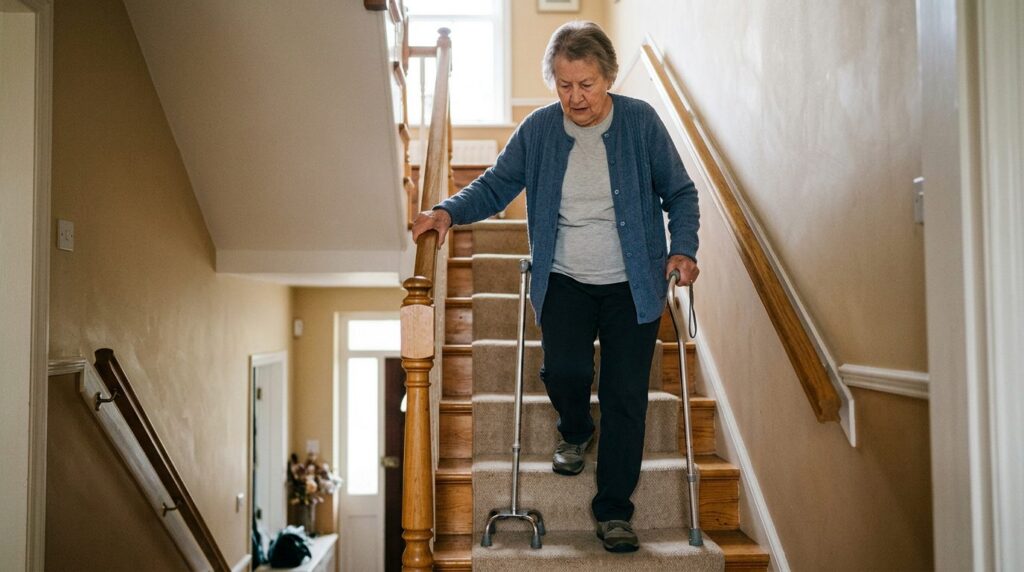
Take the Next Step
If you’ve slipped and fallen on someone else’s property and suffered a serious injury, you have legal rights. The two-year statute of limitations is ticking. Evidence is disappearing. The sooner you act, the stronger your case.
Contact CHG Personal Injury Lawyers for a free case evaluation. We will review what happened, explain your options, and tell you honestly whether you have a claim worth pursuing. You don’t have to navigate this alone.
Contact us today to speak with an attorney about your slip and fall injury.
What You Need to Prove
The Property Owner Knew (or Should Have Known)
The owner or manager was aware of the hazard—or should have discovered it through reasonable inspection—before you fell.
They Failed to Act
The owner did not fix the hazard, remove it, or warn you about it in a timely way.
Their Negligence Caused Your Injury
The hazard directly caused your fall and the injuries you suffered as a result.
You Suffered Real Damages
Your injury resulted in medical bills, lost wages, pain and suffering, or other measurable harm.
Why Evidence Matters in Your Claim
Medical Records
Documentation of your injuries, treatment, and ongoing care establishes the severity of your harm and its cost.
Photos and Video
Images of the hazard, the scene, and your injuries create a clear record of conditions at the time of the fall.
Witness Statements
People who saw the hazard or your fall can corroborate your account and strengthen your claim.
Timeline Documentation
Records showing when the hazard existed and how long it went unaddressed help prove the owner's negligence.
Act Quickly—Time Matters
Florida law sets a deadline for filing a slip-and-fall lawsuit. Waiting too long can cost you your right to recover. The sooner you document your injury and gather evidence, the stronger your claim.
Common Slip and Fall Scenarios
Wet or Slippery Floors
Spilled liquids, freshly waxed floors, or rain tracked inside without warning signs or mats.
Broken or Uneven Surfaces
Cracked pavement, torn carpet, loose tiles, or steps that create a tripping hazard.
Poor Lighting
Dimly lit hallways, stairwells, parking areas, or entryways that hide hazards and increase fall risk.
Unsecured Obstacles
Boxes, cords, or merchandise left in walkways where people cannot see them.