


Premises Liability
Slip and Fall in Miami: Know Your Rights After a Serious Fall
When a property owner's negligence causes your injury, you may have a claim. We focus exclusively on personal injury cases and can help you understand what happened and what comes next.
By CHG Lawyers · Published September 06, 2026
Slip and Fall in Miami: What You Need to Know About Your Claim
If you’ve slipped or fallen on someone else’s property in Miami—a store, restaurant, apartment complex, parking lot, hotel, or other business—and you’re hurt, you may have a legal claim against the property owner. Miami’s busy retail and hospitality scene means thousands of visitors move through these spaces daily. When a property owner fails to maintain safe conditions or warn of hazards, injuries follow. This guide explains premises liability in plain language, walks you through your next steps, and answers the questions people ask most.
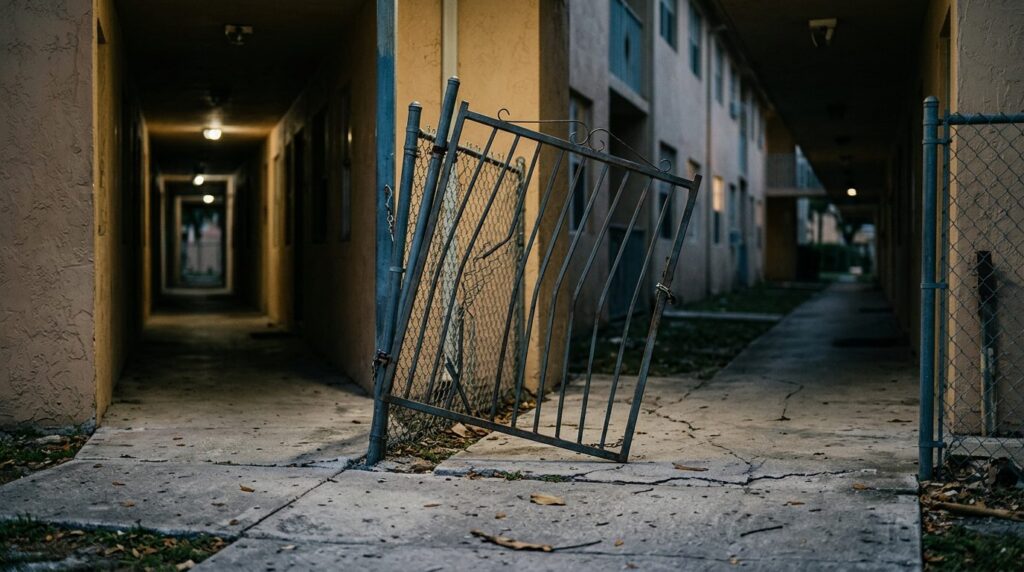
If you've slipped or fallen on someone else's property in Miami and suffered an injury, you may have a claim against the property owner. Talk it through with our team — the first consultation is free, confidential, and carries no obligation.
What to Do After a Slip and Fall in Miami
Seek medical attention first. Do this even if you feel fine. Some injuries—like concussions or internal bleeding—don’t show symptoms right away.
While you’re getting care, take these steps to protect your claim:
- Document the scene. Take photos of what caused your fall: wet floor, broken step, debris, or poor lighting. Photograph the area around you and any warning signs—or the lack of them.
- Get witness names. Ask anyone who saw you fall for their name and phone number. Witnesses are powerful evidence later.
- Report the incident. Tell the property manager, store manager, or owner what happened. Ask them to file an incident report and request a copy.
- Keep all records. Save medical bills, receipts, prescriptions, and proof of lost work time.
Why timing matters: Florida law gives you 2 years from the date of injury to file a personal injury lawsuit. That sounds like plenty of time, but evidence fades, witnesses move away, and memories blur. Act soon to keep your case strong.
Premises Liability: When a Property Owner Is Responsible
Premises liability is a legal term that means: a property owner must keep their premises reasonably safe for visitors. This includes regular inspections, prompt repairs, and warnings about known hazards.
Property owners must:
- Fix broken stairs, handrails, and walkways
- Clean up spills and debris quickly
- Provide adequate lighting in parking lots, stairwells, and common areas
- Maintain proper drainage so water doesn’t pool
- Remove seasonal hazards (algae on outdoor surfaces, wet tile from humidity)
- Post warning signs for temporary hazards
How you prove negligence: You must show that the property owner knew—or reasonably should have known—about the hazard and failed to fix it or warn you. For example, if a store’s floor has been wet for hours with no “Wet Floor” sign, the owner should have known. If a staircase has been broken for weeks with no repairs, the owner knew or should have known.
Evidence includes maintenance records, prior complaints, inspection logs, security camera footage, and witness statements. An attorney will investigate to uncover what the owner knew and when.
Common Causes of Slip and Fall Accidents in Miami
Miami’s climate and busy commercial spaces create specific slip-and-fall hazards:
- Wet or slippery floors from spills, rain, poor drainage, or inadequate cleaning
- Inadequate lighting in parking lots, stairwells, hallways, and garages—especially at night
- Broken, uneven, or poorly maintained stairs and walkways
- Obstructed walkways cluttered with merchandise, debris, cables, or other obstacles
- Missing handrails or grab bars where required by building code
- Seasonal hazards like algae buildup on outdoor surfaces or excess moisture from Miami’s humidity
Retail stores, restaurants, and hotels have high foot traffic, which increases risk. Negligent property owners cut corners on maintenance and cleaning, betting accidents won’t happen or injured visitors won’t pursue claims.
Common Places Where Slip and Fall Accidents Happen in Miami
Slip-and-fall injuries occur in nearly every commercial or residential space:
- Retail stores and shopping centers
- Restaurants and bars
- Apartment complexes and residential buildings
- Parking lots and parking garages
- Hotels and motels
- Grocery stores
- Office buildings
- Gas stations and convenience stores
Each location presents unique hazards. A grocery store’s wet floor from produce misters, a parking garage’s uneven surface, a hotel’s inadequate hallway lighting—these are all foreseeable risks that property owners must manage.
Injuries That May Result from a Slip and Fall
Slip-and-fall injuries range from minor to catastrophic. Common injuries include:
- Fractures (hip, wrist, ankle, leg) that may require surgery and months of rehabilitation
- Head and brain injuries, including concussion and traumatic brain injury (TBI), which can cause lasting cognitive and physical changes
- Spinal cord injuries and back injuries that may result in chronic pain or permanent disability
- Soft-tissue injuries (sprains, strains, torn ligaments) that cause pain and limit mobility
- Severe injuries requiring surgery or long-term rehabilitation
- Permanent disability in serious cases
Even a “simple” fall can lead to significant medical costs. An older adult who fractures a hip may face surgery, weeks in a rehabilitation facility, and months of physical therapy. A younger person with a head injury may lose weeks of work and face ongoing headaches or cognitive issues. Costs add up quickly.
Not sure what your next step is?
Talk it through with our team — the first consultation is free, confidential, and carries no obligation.
Is It Worth Suing for a Slip and Fall?
Whether a claim is worth pursuing depends on several factors: injury severity, medical costs you’ve incurred and will incur, lost wages, and the strength of evidence that the property owner was negligent.
A claim may be worth pursuing if:
- The property owner’s negligence directly caused your fall
- You have documented medical treatment and expenses
- You’ve lost income from time away from work
- The property owner had insurance coverage
Even “minor” injuries can justify a claim if medical costs and lost wages are substantial. A sprained ankle requiring an orthopedic specialist, physical therapy, and three weeks off work can easily exceed $5,000 in direct costs, not counting pain and suffering.
An experienced attorney can evaluate your situation and tell you whether a claim is viable and what it might be worth.
What Determines Settlement Value for a Slip and Fall in Florida?
There is no “average” slip-and-fall payout—each case is unique. Settlements range from a few thousand dollars for minor injuries to hundreds of thousands for serious, permanent injuries.
What determines settlement value:
- Medical expenses (emergency room, surgery, therapy, ongoing care)
- Lost wages (time away from work during recovery)
- Permanent impairment (if the injury causes lasting disability)
- Pain and suffering (the physical and emotional toll)
- Liability strength (how clear it is that the owner was negligent)
- Insurance coverage (the property owner’s policy limits)
A person who fractures their wrist and recovers fully in eight weeks may recover $10,000 to $25,000. A person who suffers a spinal cord injury with permanent paralysis may recover far more. An attorney will review your medical records, expenses, and accident facts to estimate what your claim may be worth.
How Long Does It Take to Settle a Slip and Fall Case in Florida?
Settlement timelines vary widely. A straightforward case with clear liability and minor injuries might settle in 6 to 12 months. A complex case with serious injuries, disputed liability, or multiple parties can take 1 to 3 years or longer.
Factors that affect timeline:
- Severity of injury (minor injuries often settle faster; serious injuries require more medical evidence)
- Extent of medical treatment (ongoing therapy and specialist care extend the timeline)
- Clarity of liability (obvious negligence settles faster; disputed fault takes longer)
- Insurance company responsiveness (some insurers move quickly; others delay)
- Need for litigation (most cases settle before trial, but some require a lawsuit)
Your attorney will guide you through each phase and set realistic expectations. Rushing to settle too quickly often means accepting less than your claim is worth. An experienced lawyer balances speed and fair value.
Premises Liability Law in Florida
Florida law is clear: property owners are responsible for maintaining safe premises and warning visitors of hazards.
Duty of care: Property owners must exercise reasonable care to inspect their premises, identify hazards, and either fix them or warn visitors. This duty is ongoing—not a one-time obligation.
Comparative negligence: Florida’s comparative negligence rule means that even if you bear some responsibility for your fall, you may still recover damages. However, if you are found more than 50% at fault, you cannot recover. If you are 30% at fault and the owner is 70% at fault, your recovery is reduced by 30%. Florida Statute § 768.81 governs this rule.
Statute of limitations: You have 2 years from the date of injury to file a personal injury lawsuit in Florida. After that, your right to sue is gone.
Have questions about what happened?
Ask our team directly. The first conversation is free, confidential, and there is no obligation to continue.
Why You Should Work with a Miami Slip and Fall Attorney
Going up against an insurance company alone puts you at a disadvantage. Here’s what an experienced attorney does:
- Investigates thoroughly. They obtain security camera footage, maintenance records, prior incident reports, and expert analysis of the hazard that caused your fall.
- Identifies all liable parties. Sometimes the property owner isn’t the only one responsible—a cleaning contractor, maintenance company, or vendor may share liability.
- Handles all communication. Insurance adjusters are trained negotiators. Your attorney levels the playing field and ensures you’re not pressured into a quick, low settlement.
- Calculates fair compensation. They account for all your damages—medical bills, lost wages, pain and suffering, and future care costs—not just what an insurance company initially offers.
- Manages the legal process. From demand letters through settlement negotiations or trial, your attorney handles paperwork, deadlines, and strategy.
- Works on contingency. Most personal injury attorneys, including ours, work on a contingency-fee basis: you pay nothing unless you recover. If you don’t win, you don’t pay.
An attorney also knows the local court system, judges, and insurance companies in Miami. That local knowledge matters.

Frequently Asked Questions
Do I need a lawyer for a slip and fall claim?
While not legally required, an attorney significantly improves your chances of fair compensation and shields you from insurance company pressure.
What if I was partially at fault for my fall?
Florida’s comparative negligence law may still allow you to recover, though your award is reduced proportionally—as long as you’re not more than 50% at fault.
How do I prove the property owner was negligent?
Evidence includes photos of the hazard, witness statements, incident reports, maintenance records, security camera footage, and expert testimony about what a reasonable property owner should have done.
What if the property owner claims I was careless?
Your attorney will build a case showing the owner’s duty to maintain safe premises and their failure to do so—regardless of whether you were also distracted or moving quickly.
Can I still file a claim if I didn’t report the fall immediately?
Yes, but prompt reporting and documentation strengthen your case. The sooner you act, the fresher the evidence and the more reliable witness memories are.
If you’ve slipped or fallen on someone else’s property in Miami and suffered an injury, you may have a claim against the property owner. Contact us for a free case evaluation. Our team focuses exclusively on personal injury claims, and we’re ready to review your situation and explain your options—at no cost and with no obligation.
Why You Need Legal Support for Your Slip and Fall Claim
Protection from Insurance Pressure
Insurance companies work to minimize payouts. An attorney protects your rights and handles negotiations so you can focus on recovery.
Evidence That Matters
We know how to gather and preserve critical evidence—security footage, maintenance records, witness statements—before it disappears.
Time-Sensitive Action
Slip and fall claims involve strict timelines. Early legal guidance ensures nothing is missed and your claim stays on track.
Understanding Florida's Comparative Negligence Law
Even if you bear some responsibility for your fall, Florida law may still allow you to recover. We explain how this works for your situation.
Don't Delay—Act Now
The longer you wait, the harder it becomes to gather evidence and establish what caused your fall. Property owners and their insurers move quickly to limit liability. Contact us as soon as possible after your injury.
Common Questions About Slip and Fall Claims in Miami
Do I need a lawyer for a slip and fall claim?
While not legally required, an attorney significantly improves your chances of fair compensation and shields you from insurance company pressure. We handle the legal work so you can heal.
What if I was partially at fault for my fall?
Florida's comparative negligence law may still allow you to recover, though your award is reduced proportionally. The key is proving the property owner failed to maintain safe conditions or warn of hazards.
What evidence do I need?
Photos of the hazard, medical records, witness contact information, and incident reports are crucial. Security footage and maintenance logs—if they exist—can be powerful proof that the owner knew or should have known about the danger.
How much is my claim worth?
Compensation depends on your medical costs, lost wages, pain and suffering, and long-term effects. We evaluate all factors to pursue fair recovery tailored to your actual losses and future needs.